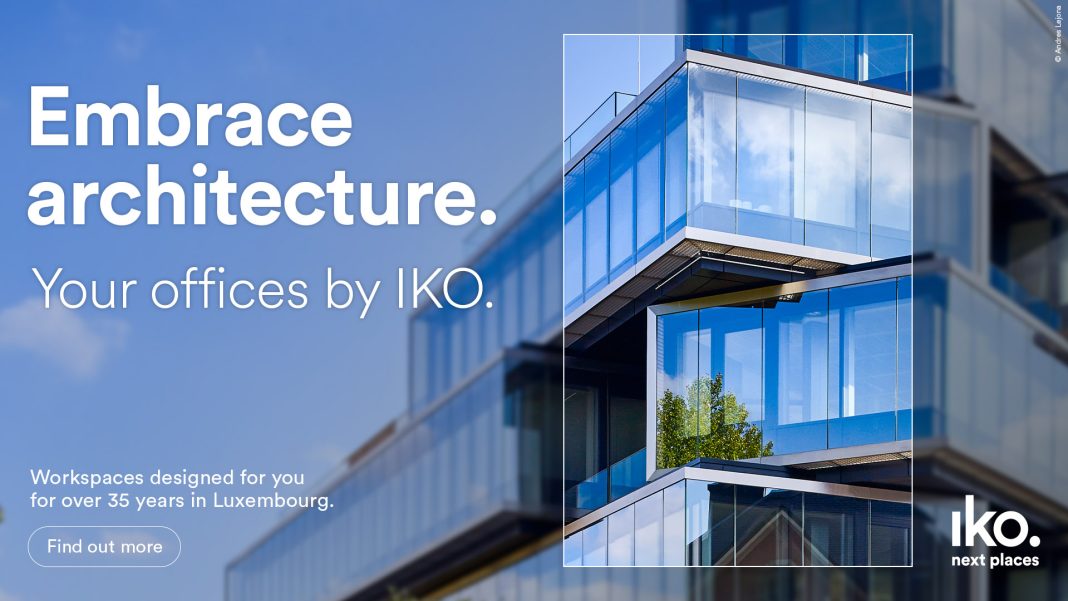
IKO designs bespoke office buildings combining architectural excellence, sustainability and occupant well-being, while supporting owners and investors through delegated project management.
IKO has long been recognised for its expertise in office development. Which projects best illustrate this know-how?
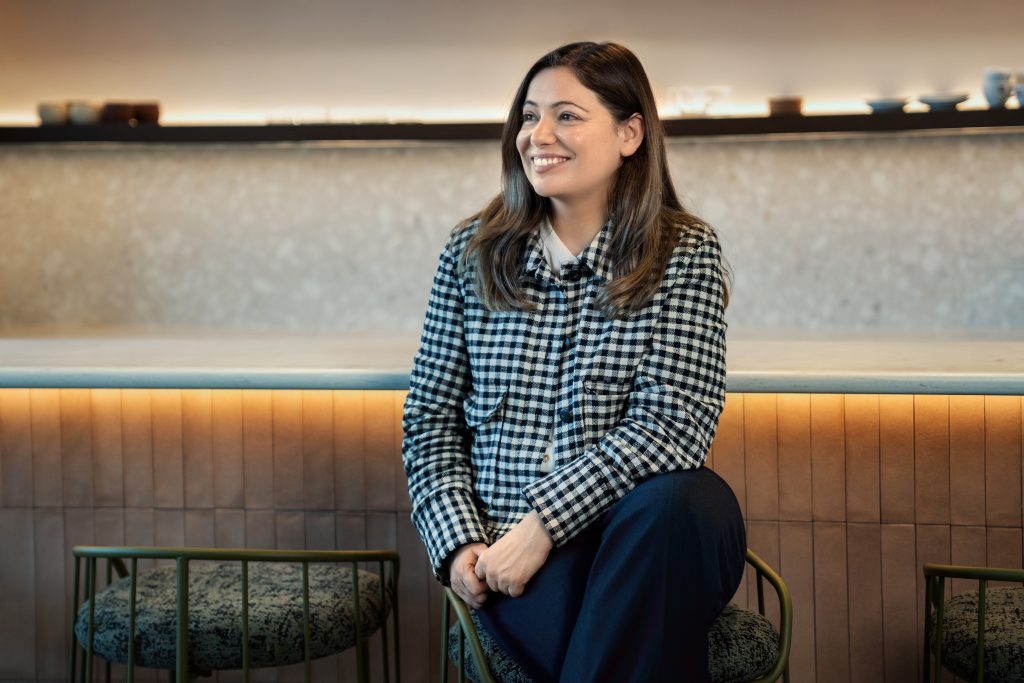
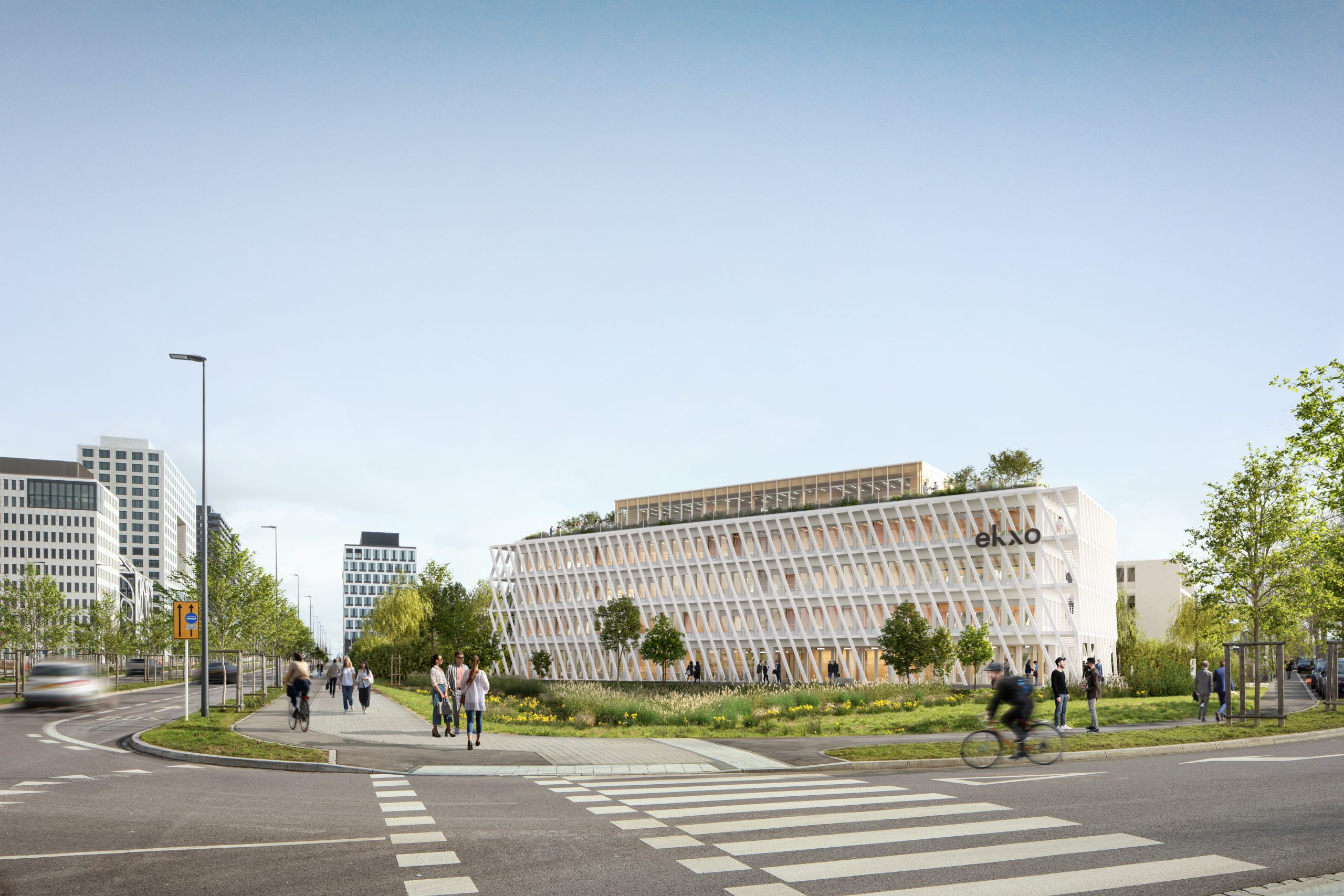
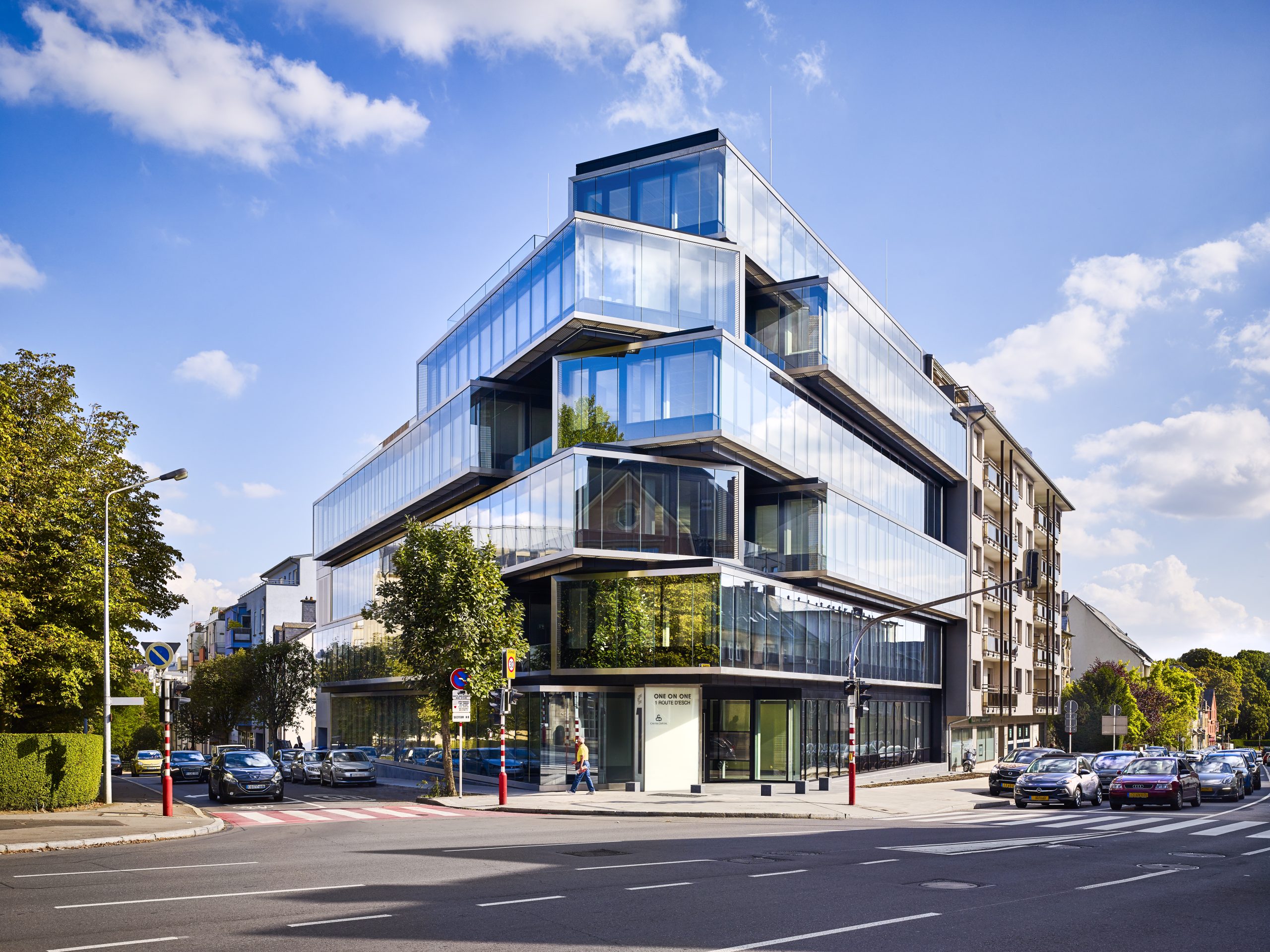
Sandra Huber: We can mention One on One on Route d’Esch in Luxembourg City, with its twelve staggered glass-and-steel modules; the Charlotte Building, home to Clifford Chance; Wooden in Leudelange, Luxembourg’s first timber-frame office building; and ekxo in Cloche d’Or, which will notably host Baker McKenzie from 2027 onwards. What these projects have in common is their high standards in terms of sustainability, innovation and occupant comfort.
What are the main criteria companies and investors are looking for today?
Sandra Huber: ESG requirements, European taxonomy and certifications. Users are looking for high-performing and sustainable buildings, while investors and financial institutions are paying increasing attention to these criteria when making decisions.
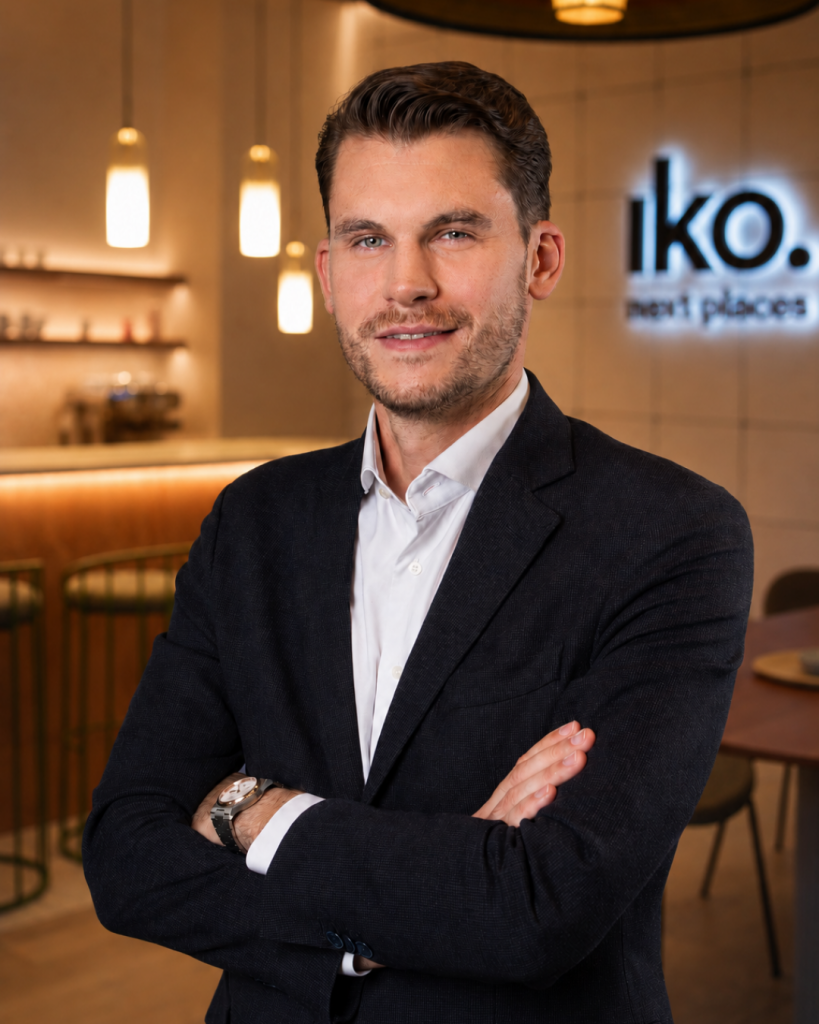
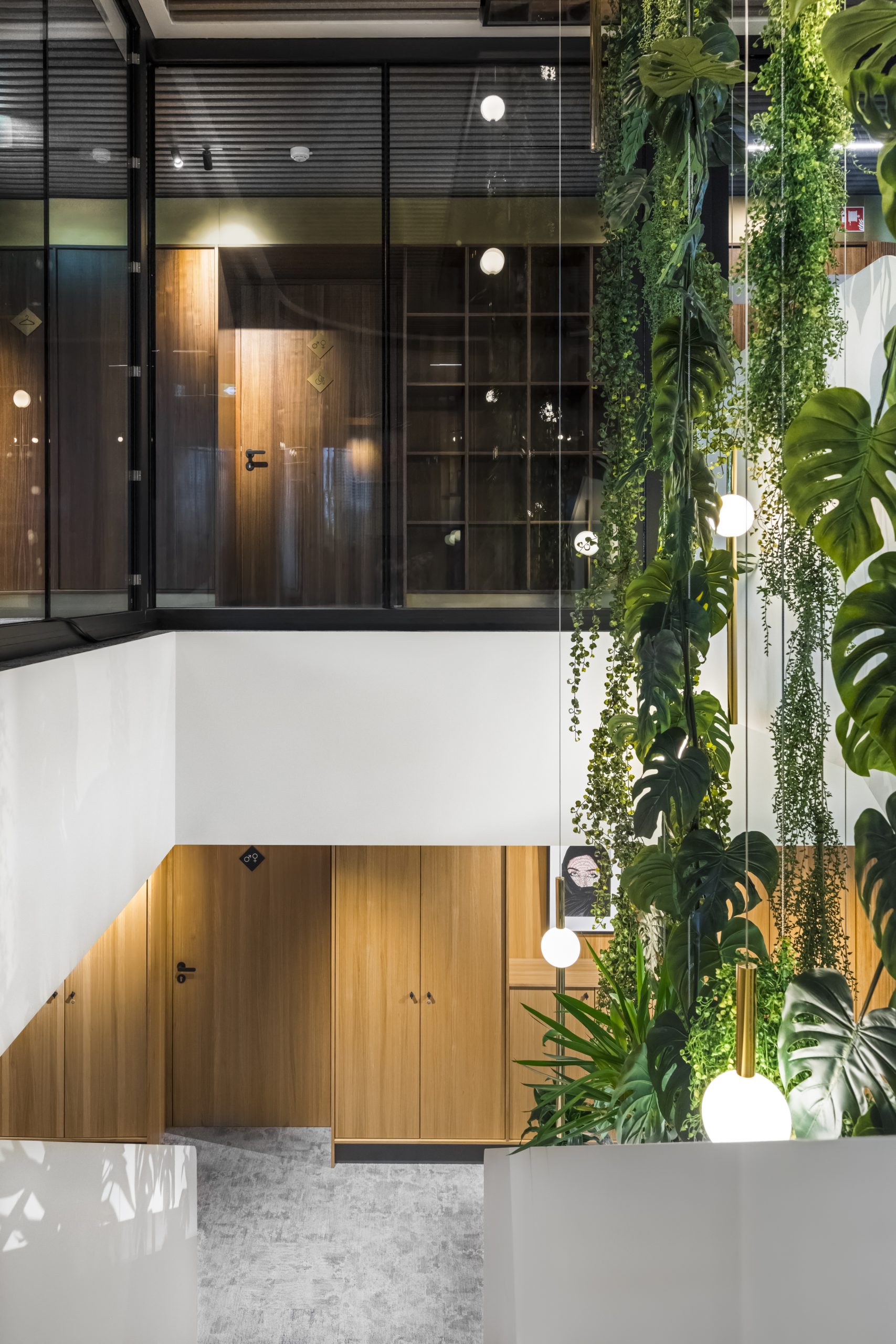
Antoine Xhignesse: Beyond that, working patterns have evolved significantly in recent years and offices are no longer designed solely as places of production, but as genuine living environments. Open-plan offices, collaborative spaces, focus areas, creative rooms and relaxation zones: companies are now seeking environments that can adapt to the real needs and uses of their employees.
How do you address these expectations in your projects?
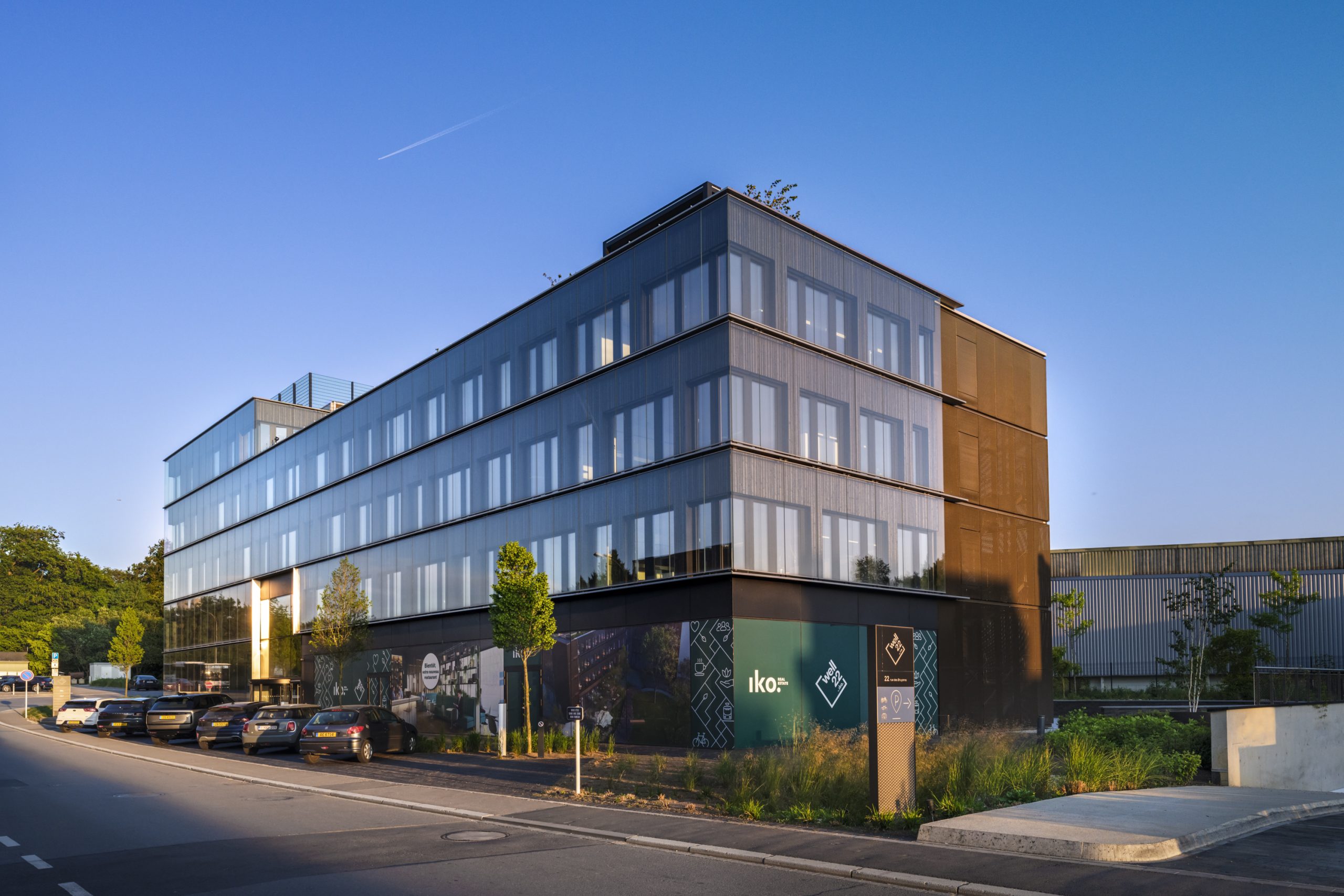
Antoine Xhignesse: Buildings need to tick as many boxes as possible, and we do everything we can to achieve that, because banks are also paying close attention to these aspects and are more likely to finance projects that meet taxonomy criteria. Well22 in Howald, for example, was the first building in Luxembourg to achieve WELL Building Standard certification. Unicity in Hollerich was developed according to the same philosophy. The Luxembourg Red Cross headquarters, one of our most recent projects, is also certified and was designed to minimise its environmental impact as much as possible.
Do these performances also have an impact on asset value?
Sandra Huber: Absolutely, and that is a key factor. Assets developed by IKO generally attract “triple-A” tenants, particularly sought after by institutional investors. This is also one of the reasons why we are able to achieve some of the highest rental levels compared with neighbouring properties.
Beyond your own developments, you also support property owners and investors…
Sandra Huber: Yes, we provide delegated project management services and oversee developments from A to Z, acting as a global coordinator capable of reconciling all the constraints and requirements of a project. We put at our clients’ disposal the expertise
we have built over more than thirty years of real estate development.
Concretely, what does a delegated project management assignment cover?
Sandra Huber: We can intervene from the earliest strategic reflections all the way through to project delivery. We support our clients across the entire value chain: urban planning, programming, mobility, soil contamination issues, construction supervision, leasing, asset management and asset value enhancement.
Antoine Xhignesse: Our teams bring together a wide range of expertise in urban planning, project management, leasing, marketing and public consultation. This enables us to maintain a global vision and manage the entire process.
What differentiates your approach from that of a traditional engineering or consultancy firm?
Antoine Xhignesse: We manage and coordinate all areas of expertise in order to deliver a coherent and viable project, while benefiting from a detailed understanding of the market and the actual needs of occupants. Whereas an engineer will focus on ensuring a building is technically efficient, we also consider how users will truly experience and use the spaces. Our ongoing dialogue with tenants enables us to translate these real-life needs into the design of our buildings.
Does this expertise also help support the transformation of existing assets?
Antoine Xhignesse: Many owners still underestimate the potential of their assets. Some sites or buildings, sometimes ageing or underutilised, can be reimagined, densified or repositioned to create additional value. Our role is precisely to identify these opportunities and develop a strategy tailored to the owner’s or investor’s objectives. Ideally, however, this reflection should begin during the earliest urban planning analyses, particularly regarding the PAG and PAP planning frameworks.
Find out more about Offices by IKO.
This sponsored article was published in the 10th edition of Forbes Luxembourg.
Read more articles:
Habiata: The System Behind Real Estate Agency Success
2025: One of Luxembourg’s Most Complex Years For Real Estate
La Vie est Belle, Developing Luxury Real Estate Outside Luxembourg