

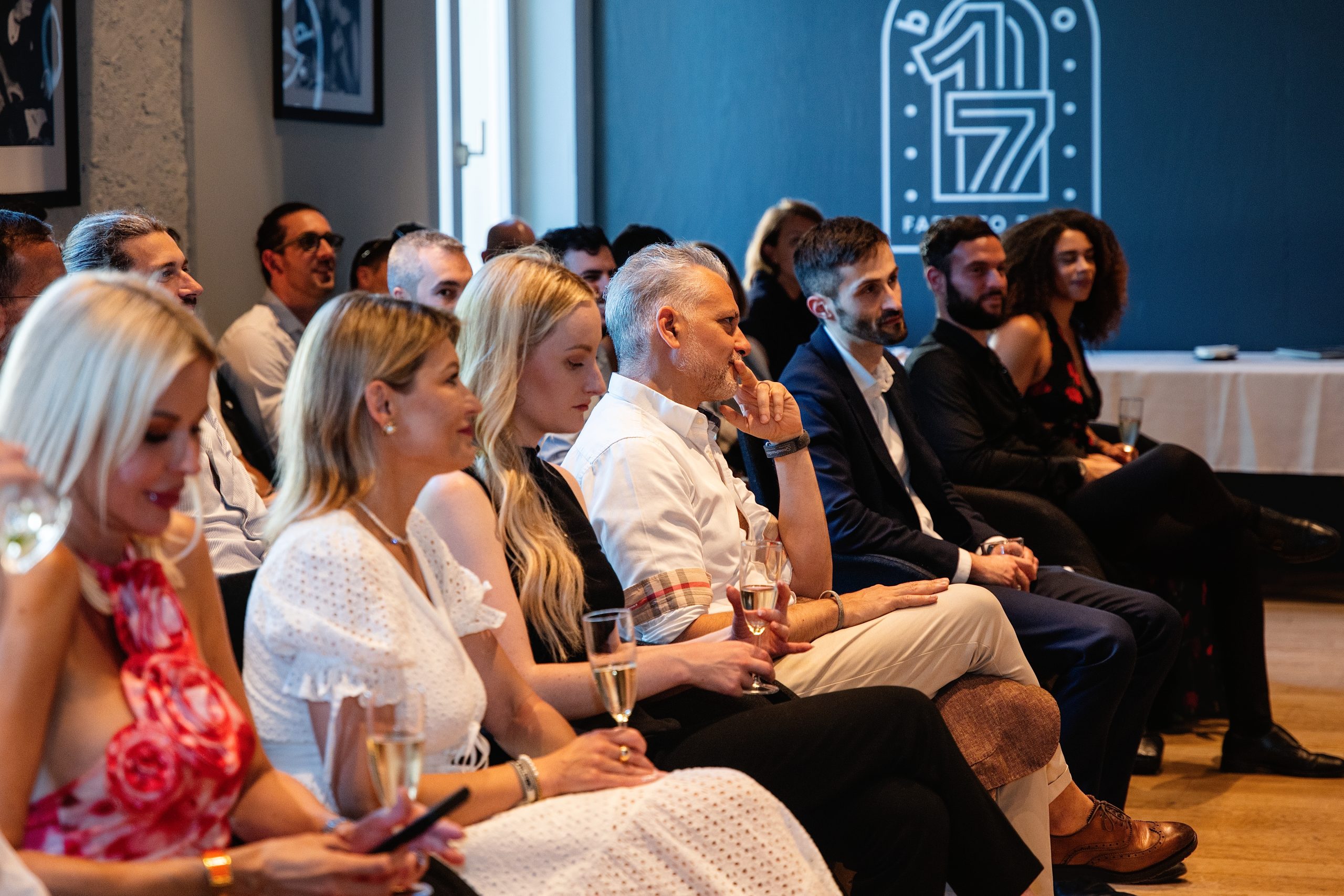
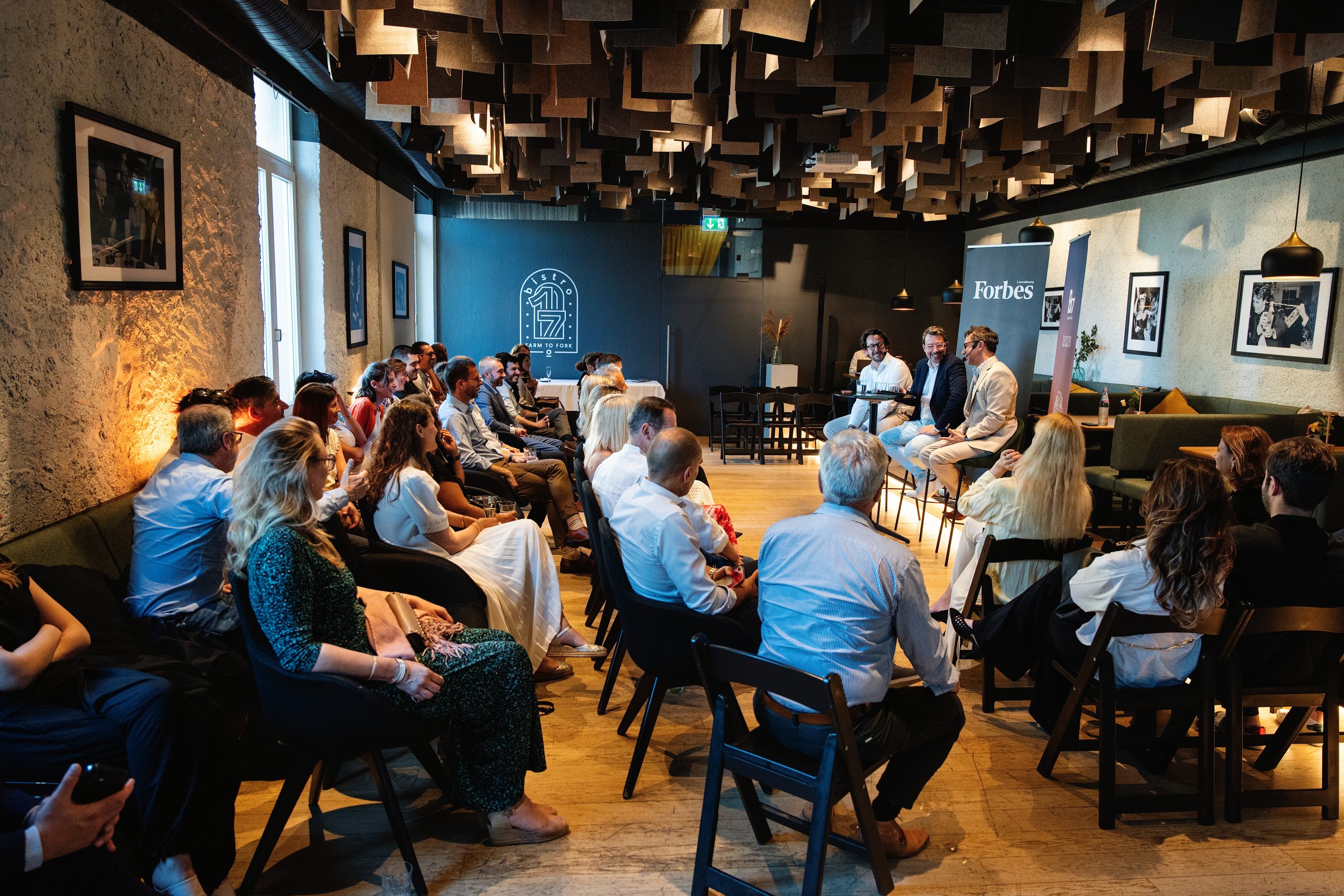
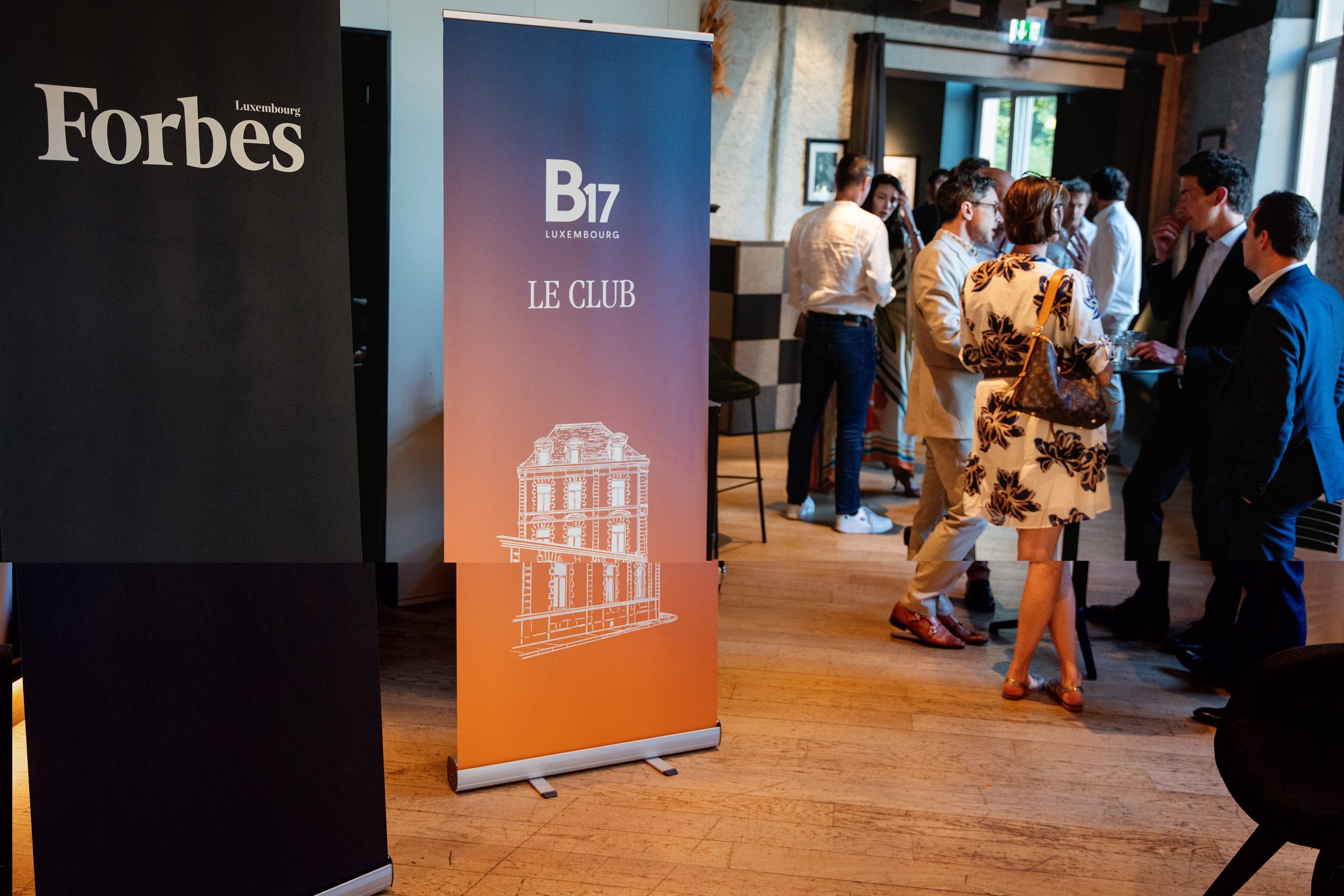
At the latest Talk B17 x Forbes Luxembourg, held on 18 June at Tero House17, media executives explored how the advertising sector is shifting from mass reach to meaningful engagement, arguing that in today’s fragmented media environment, community has become the most valuable currency.
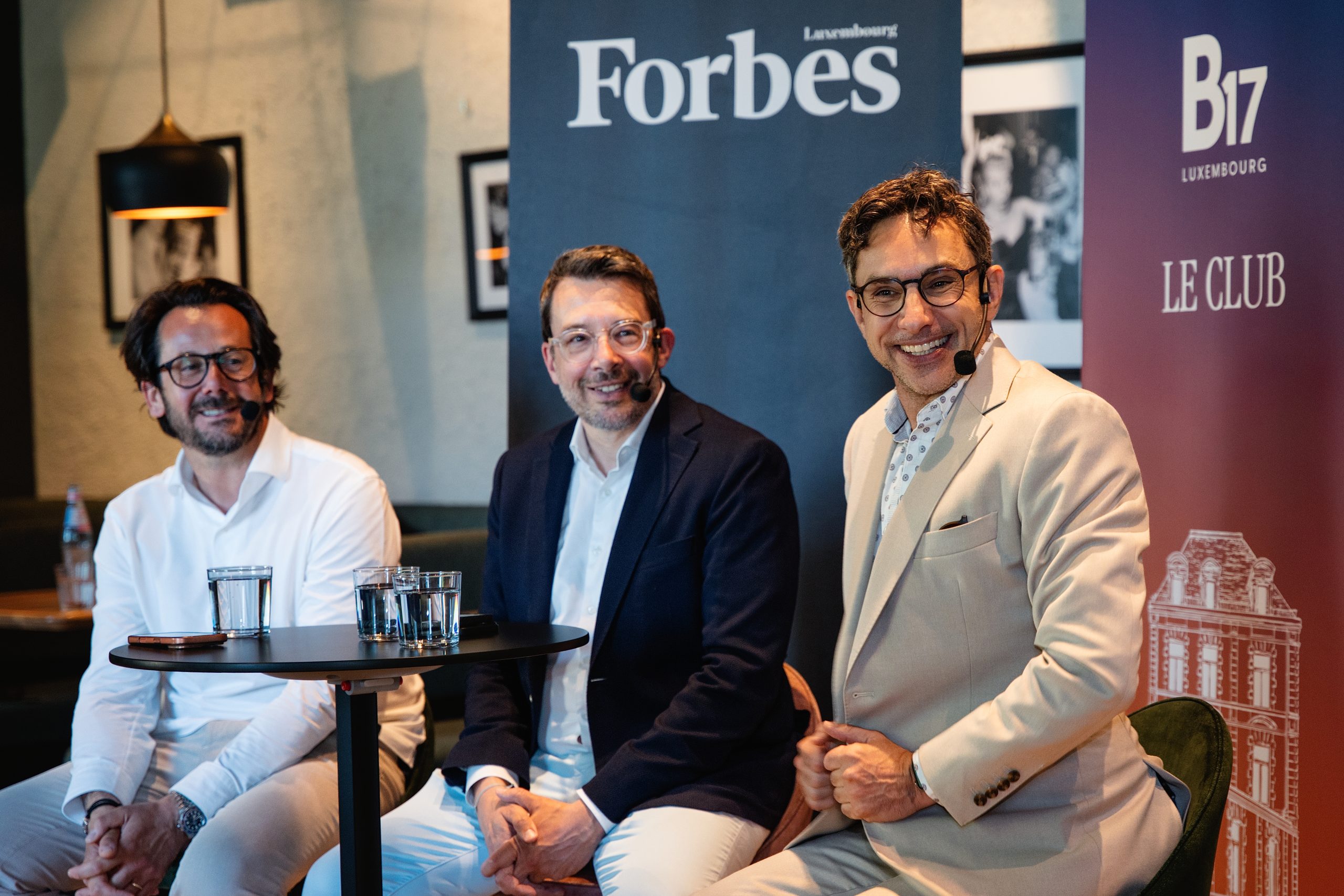
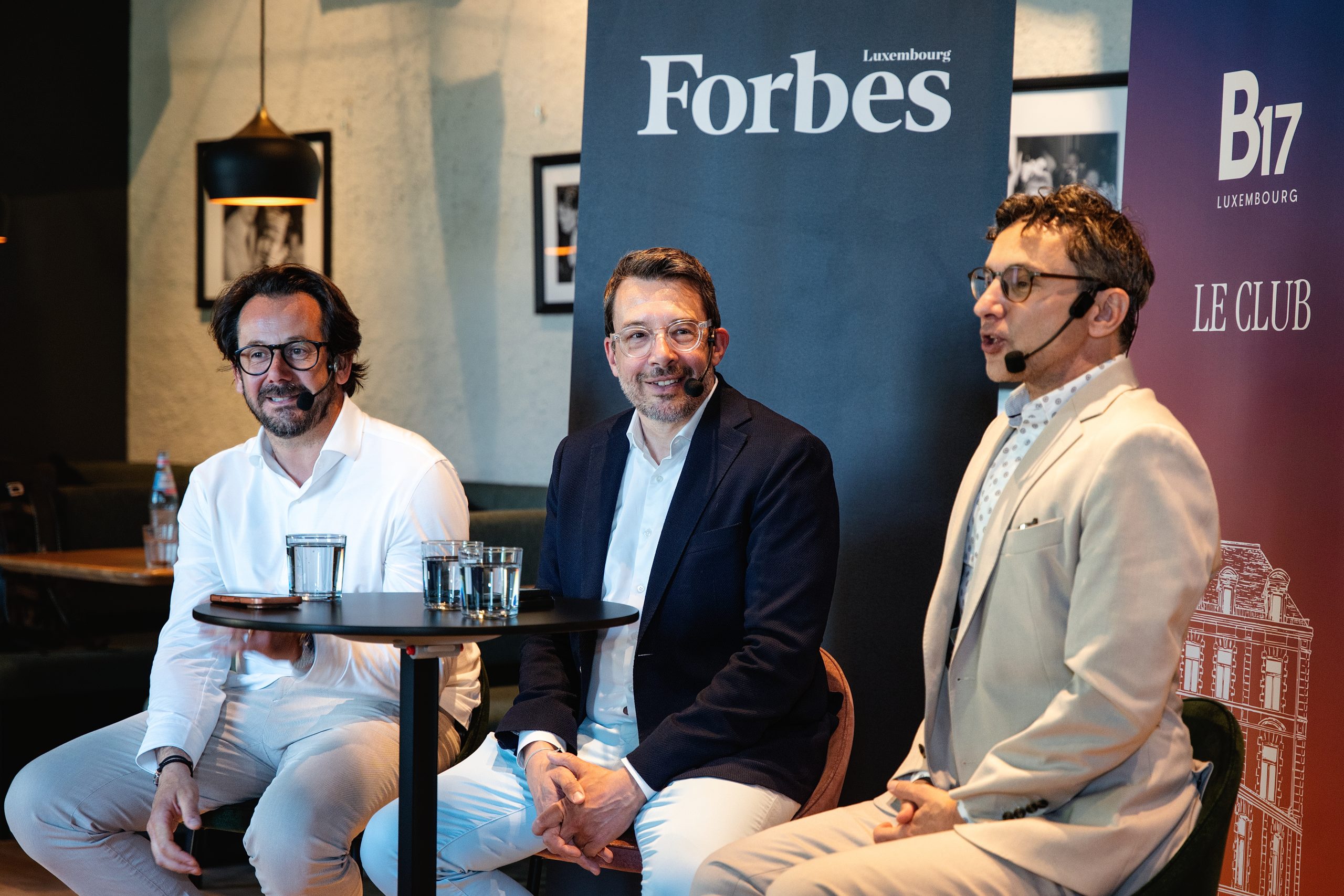
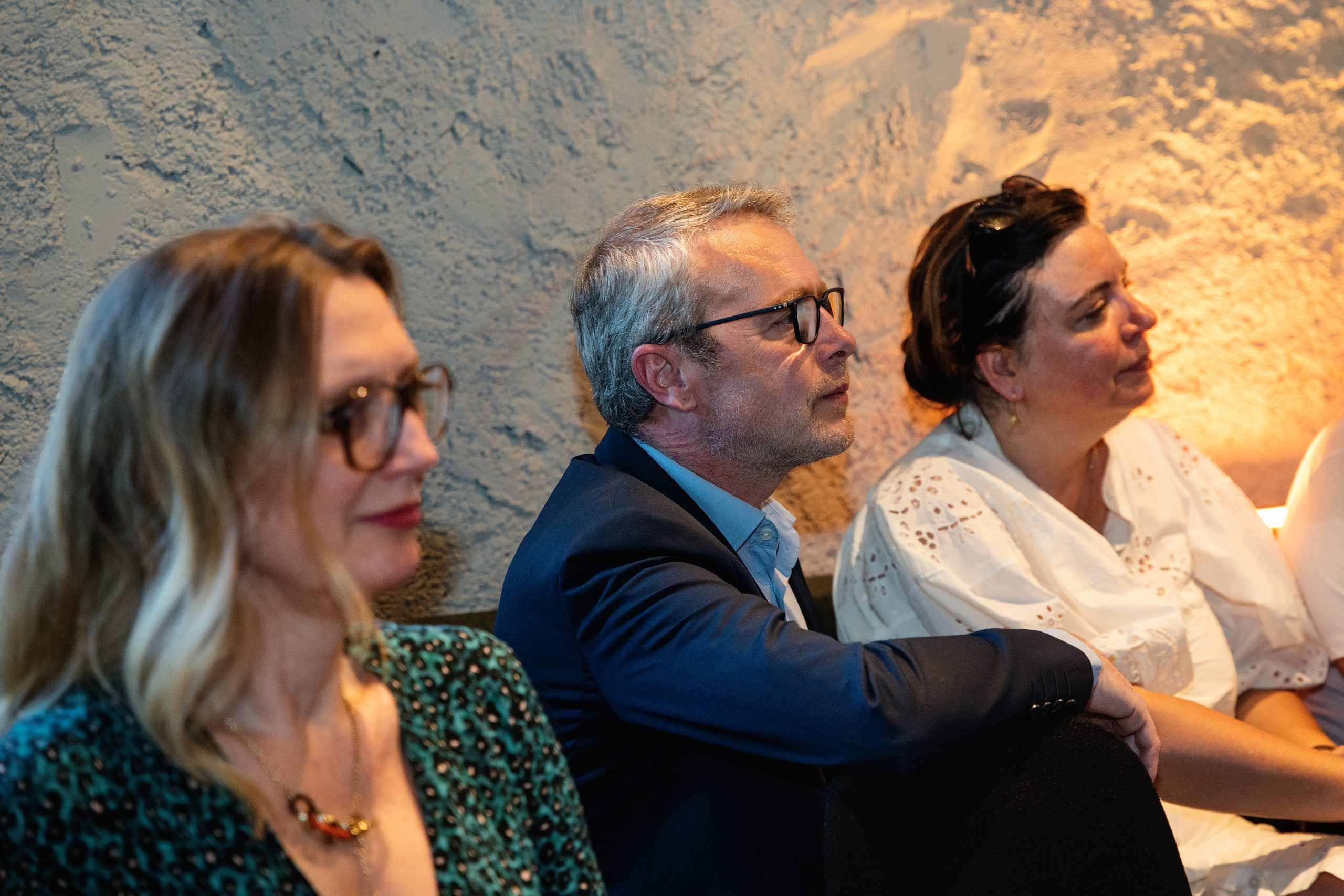
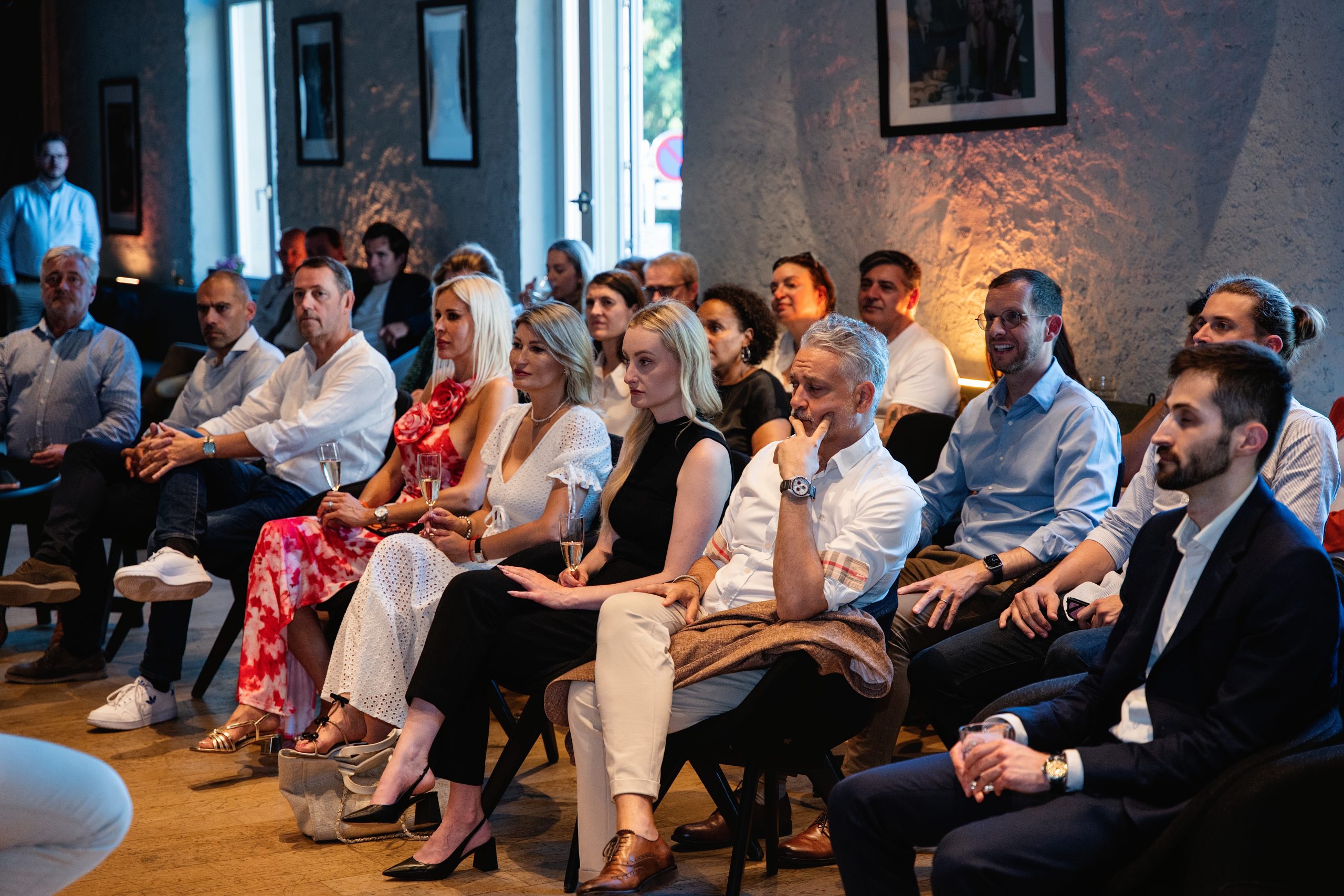
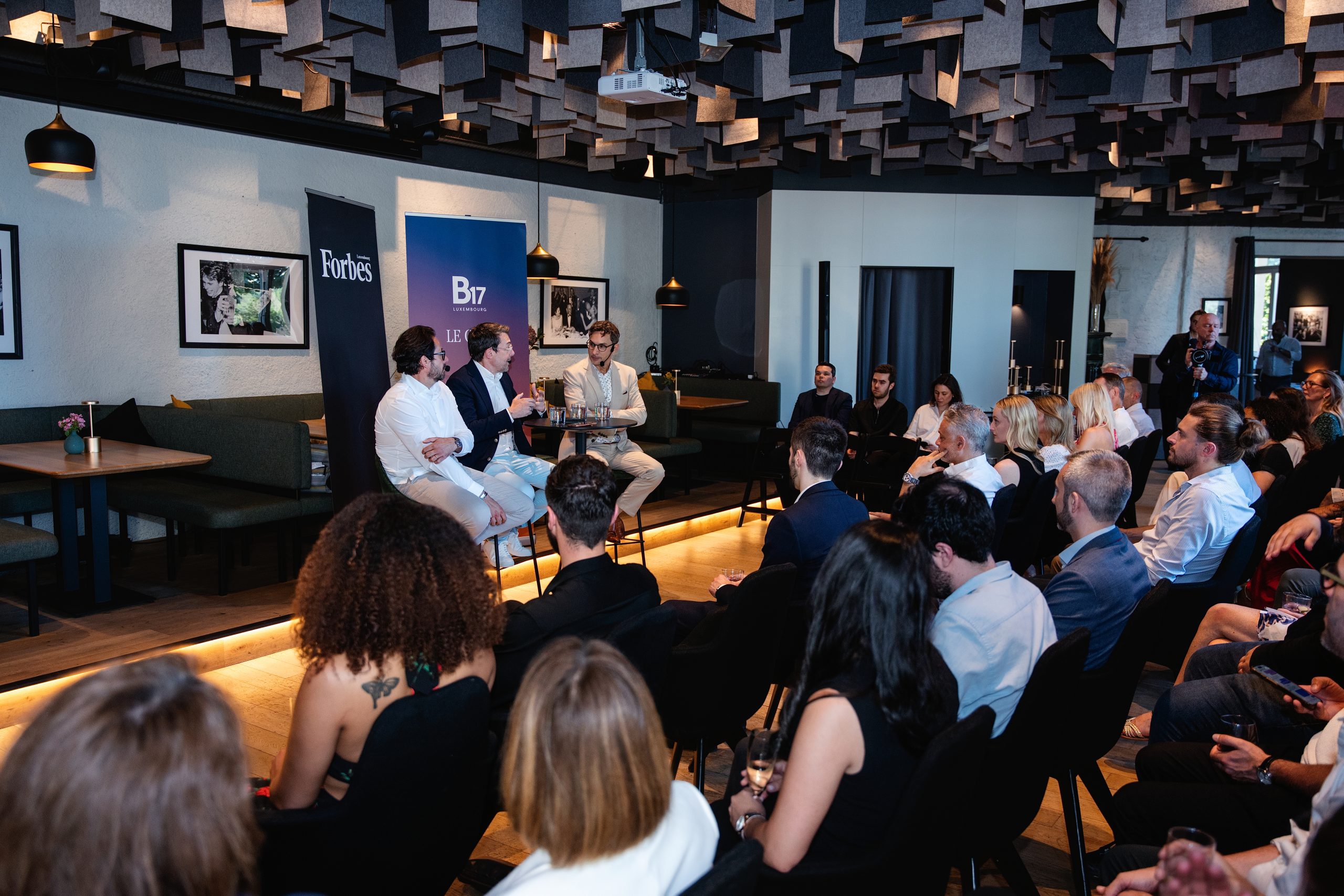
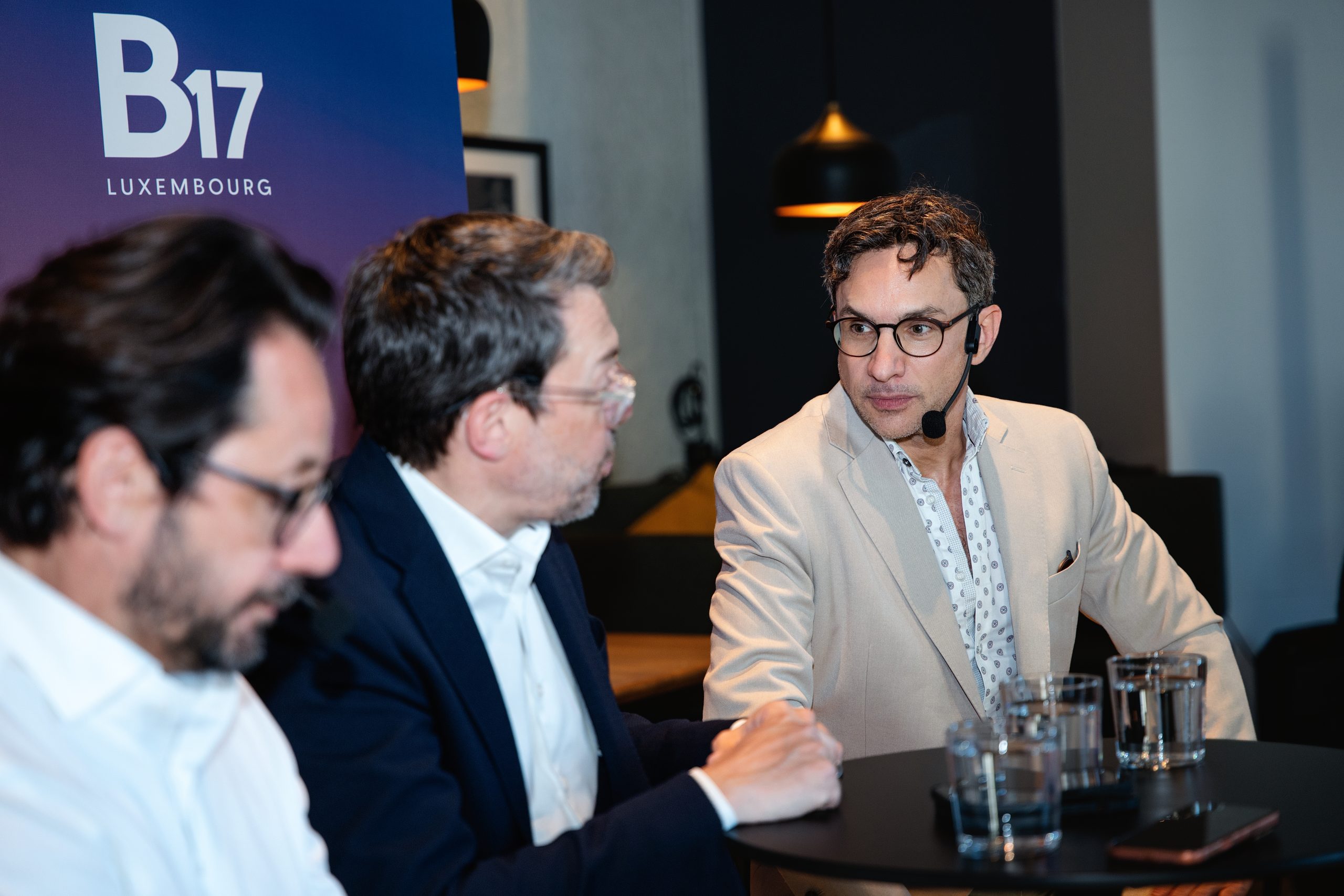
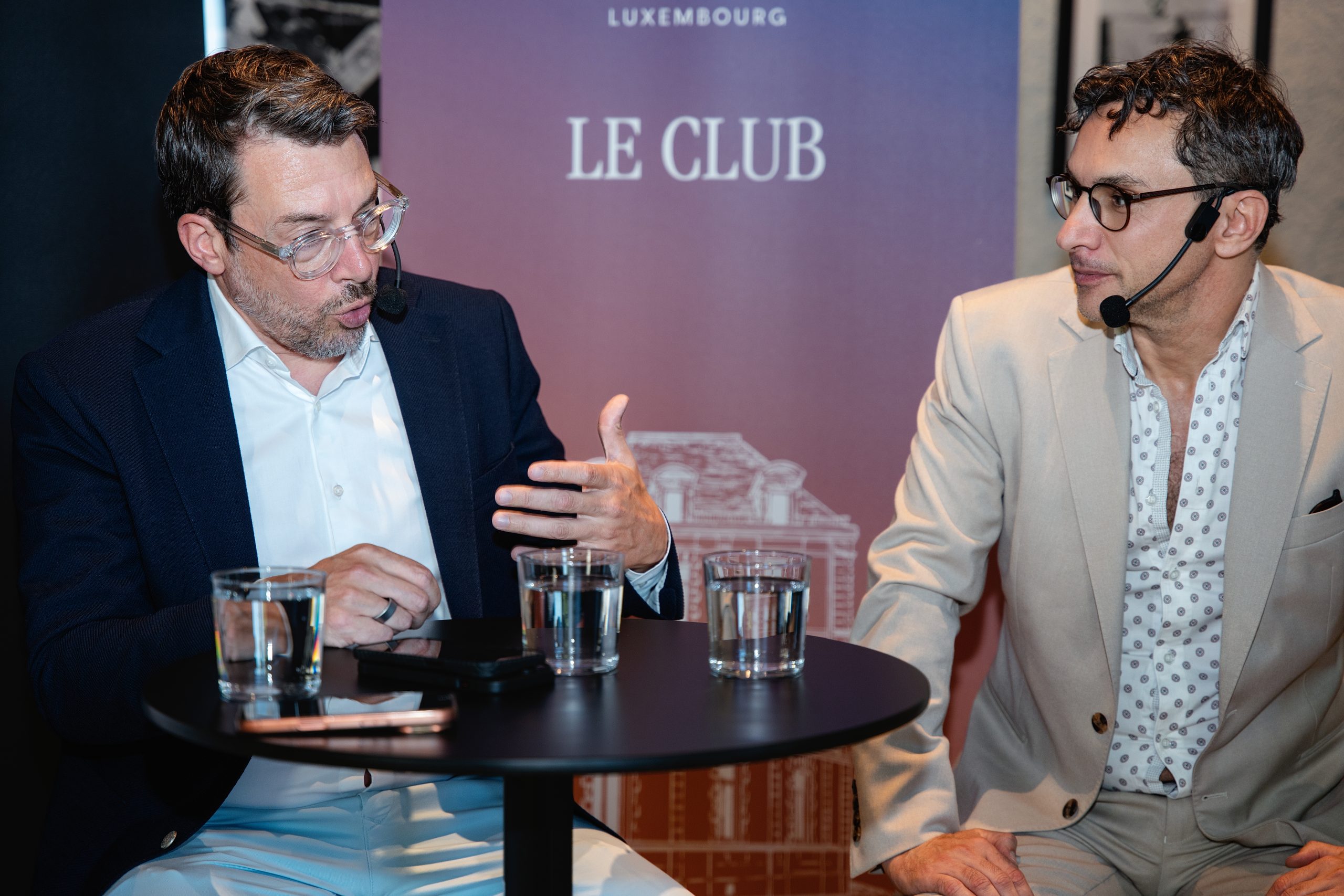
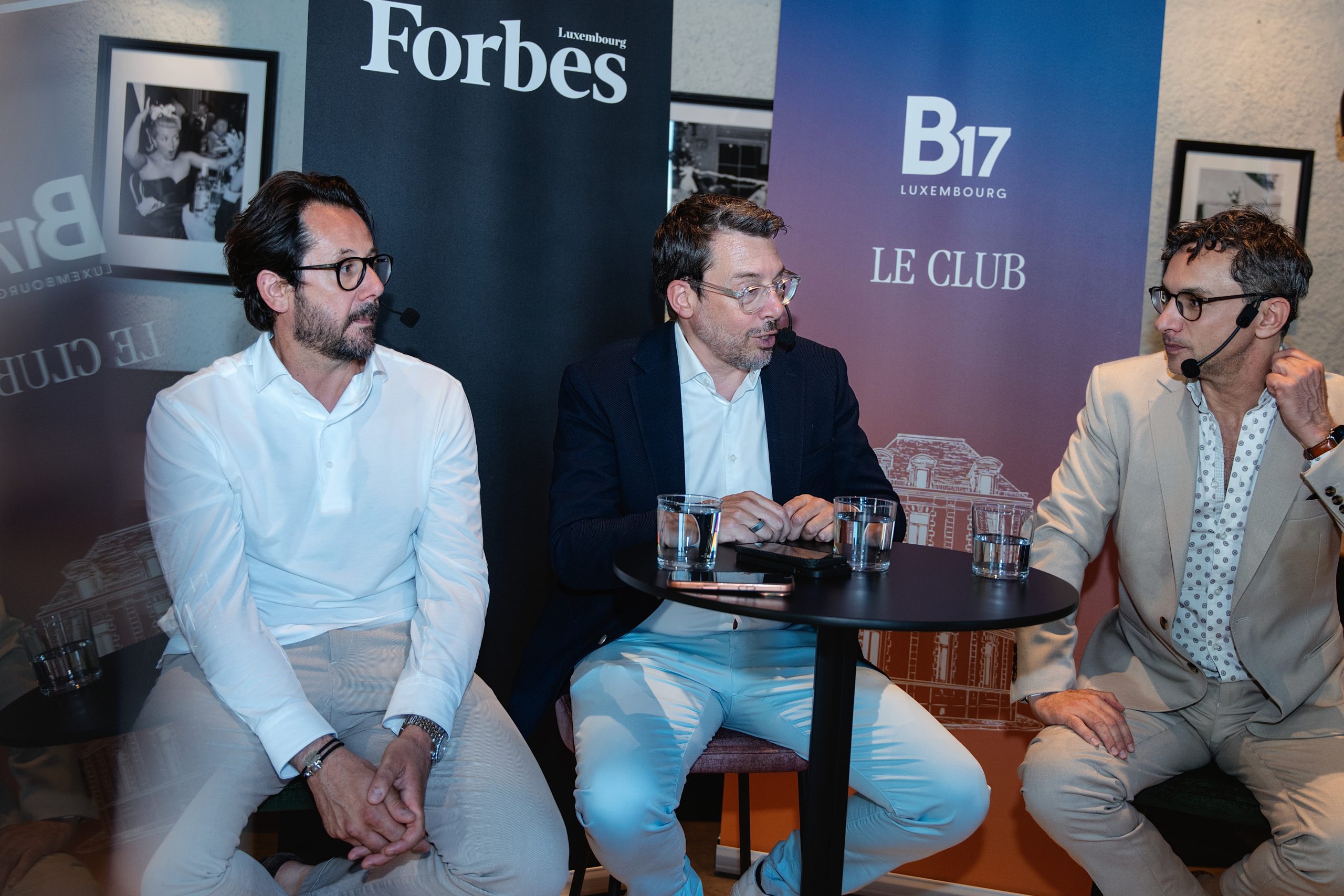
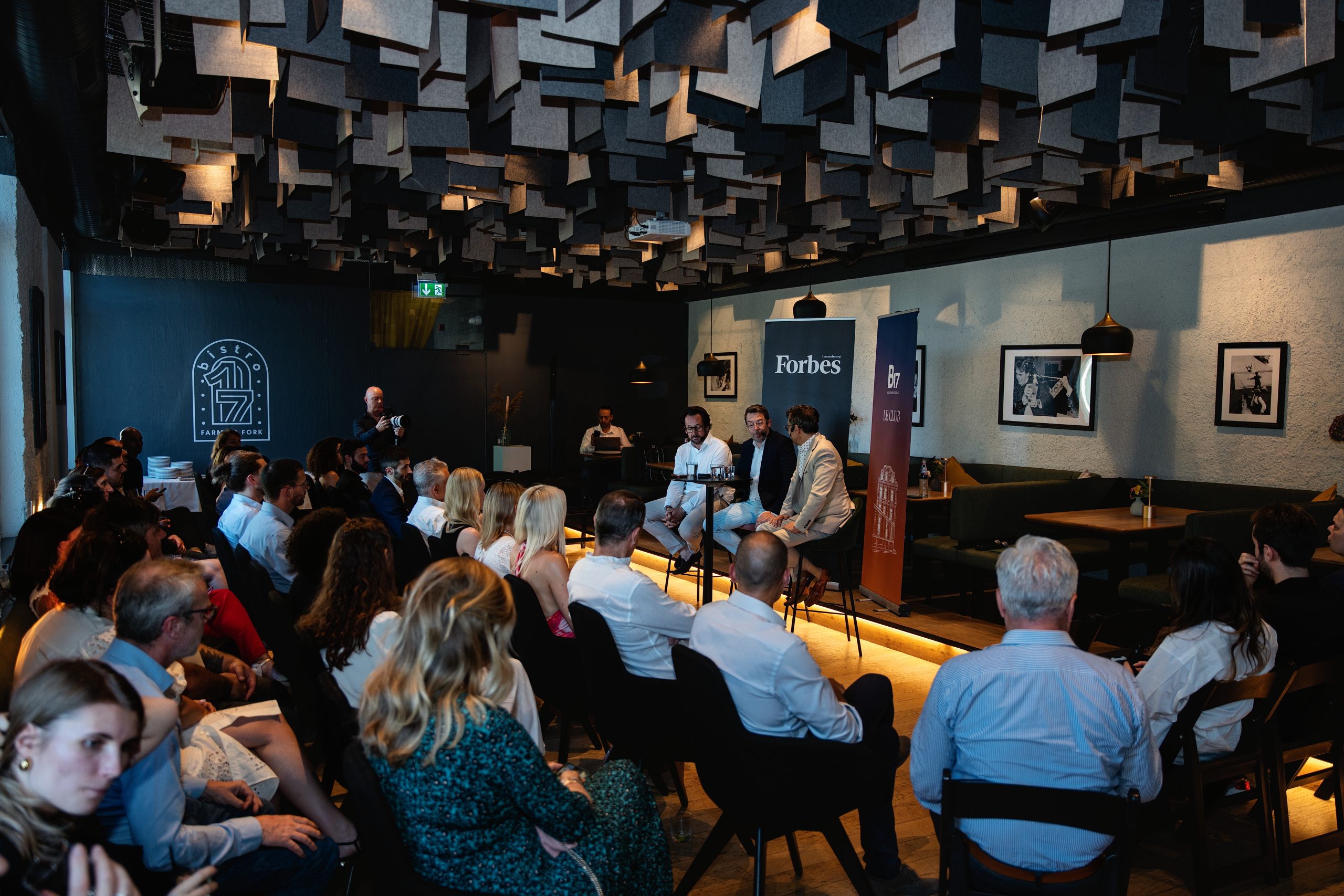
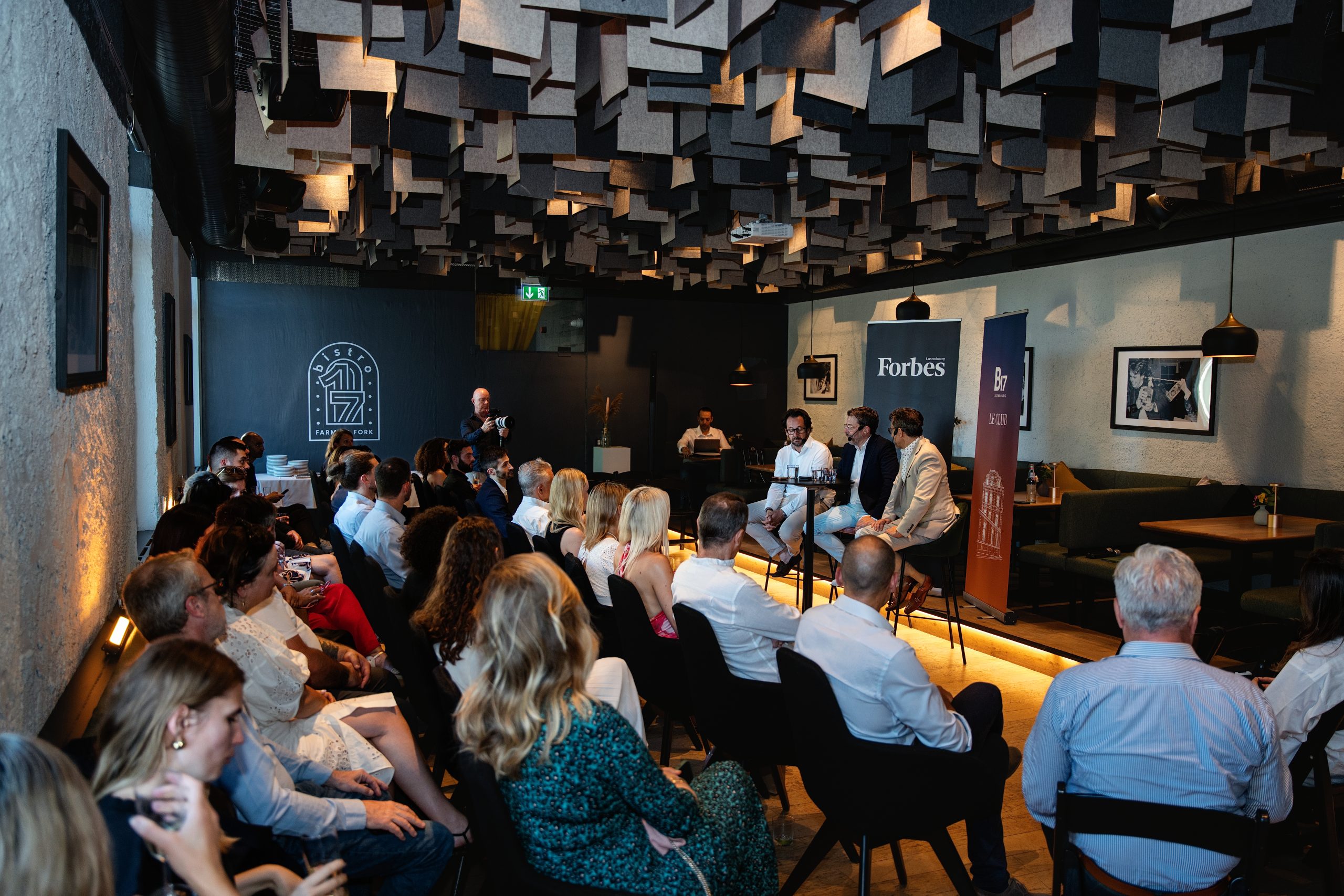
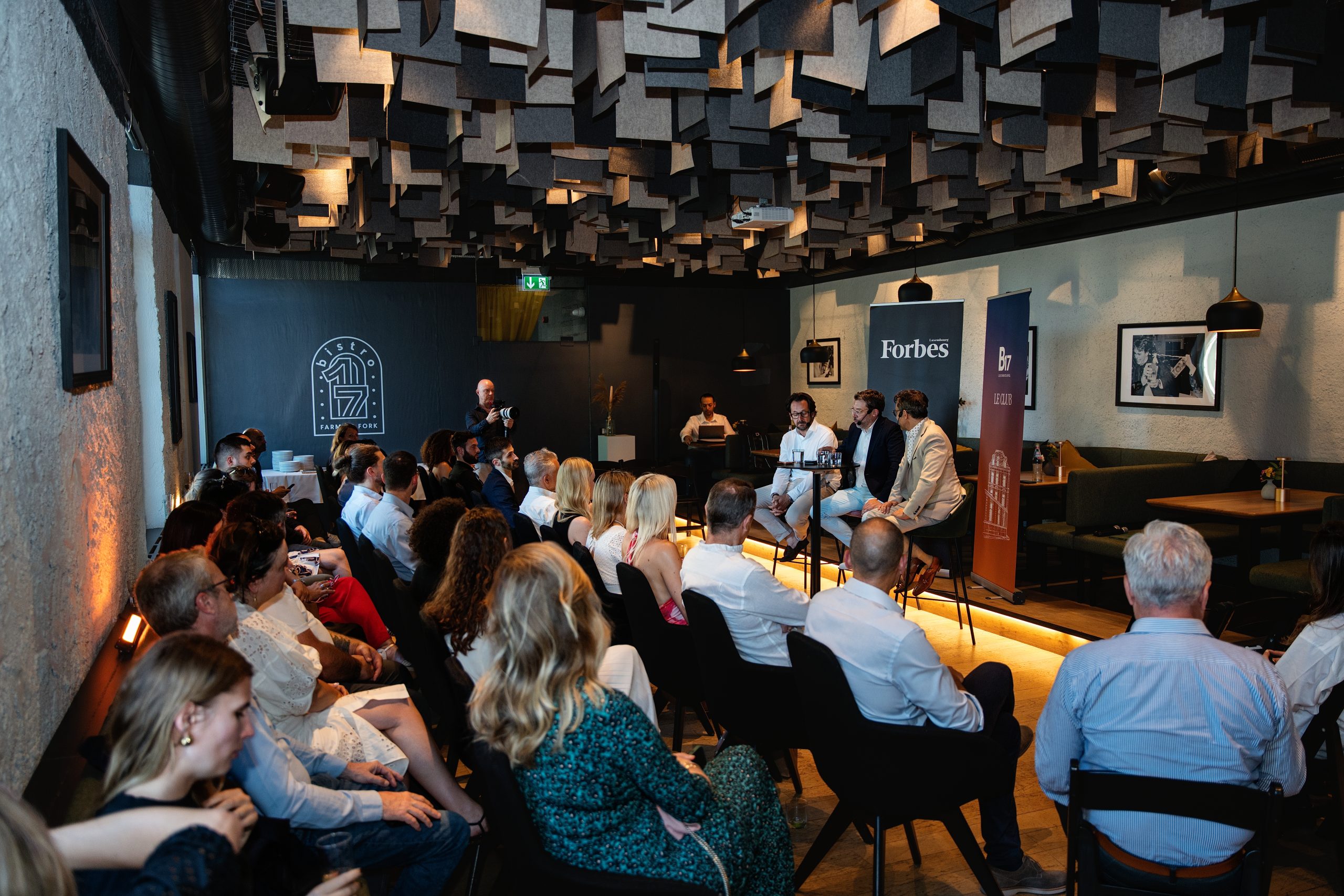
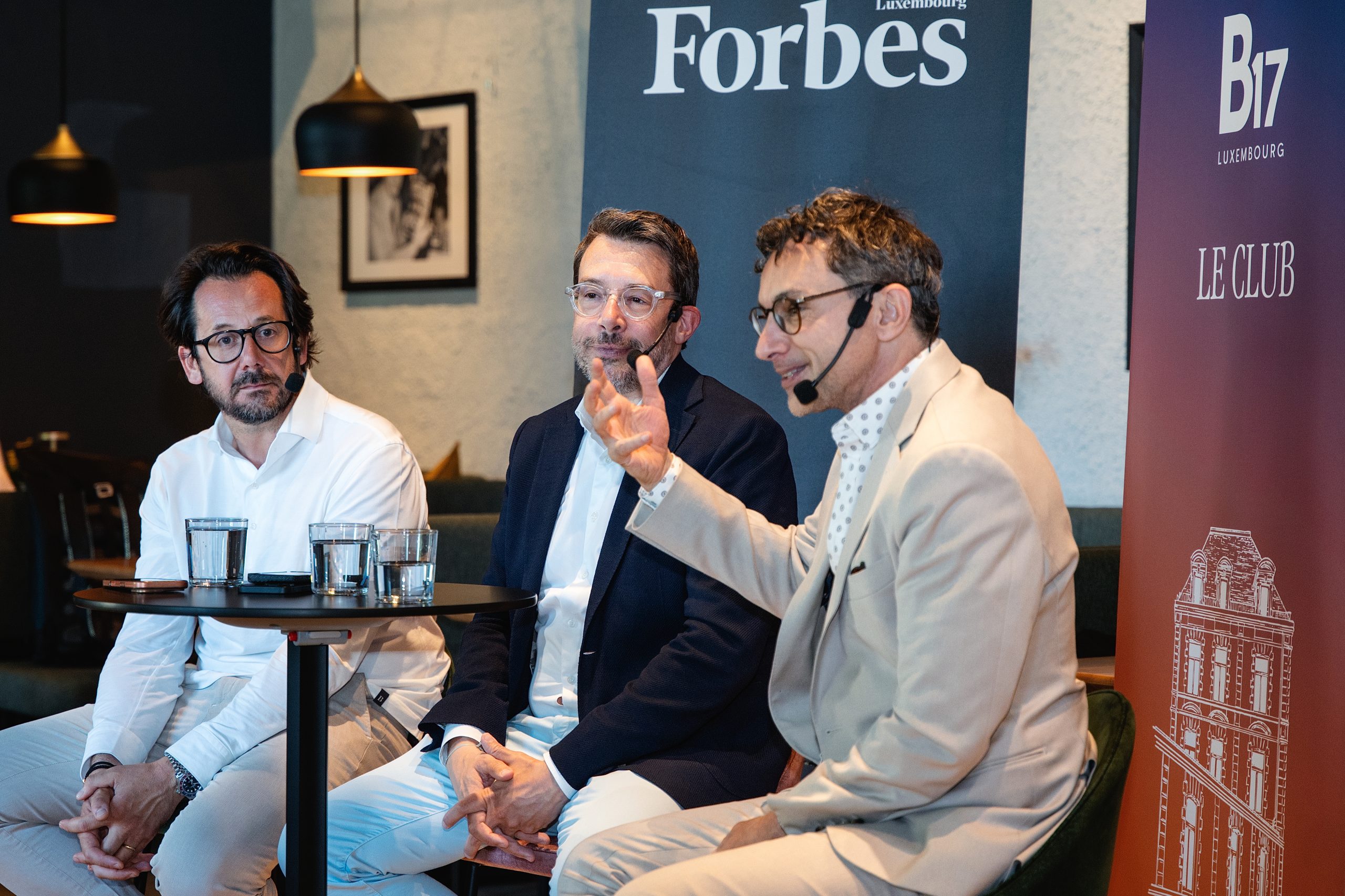
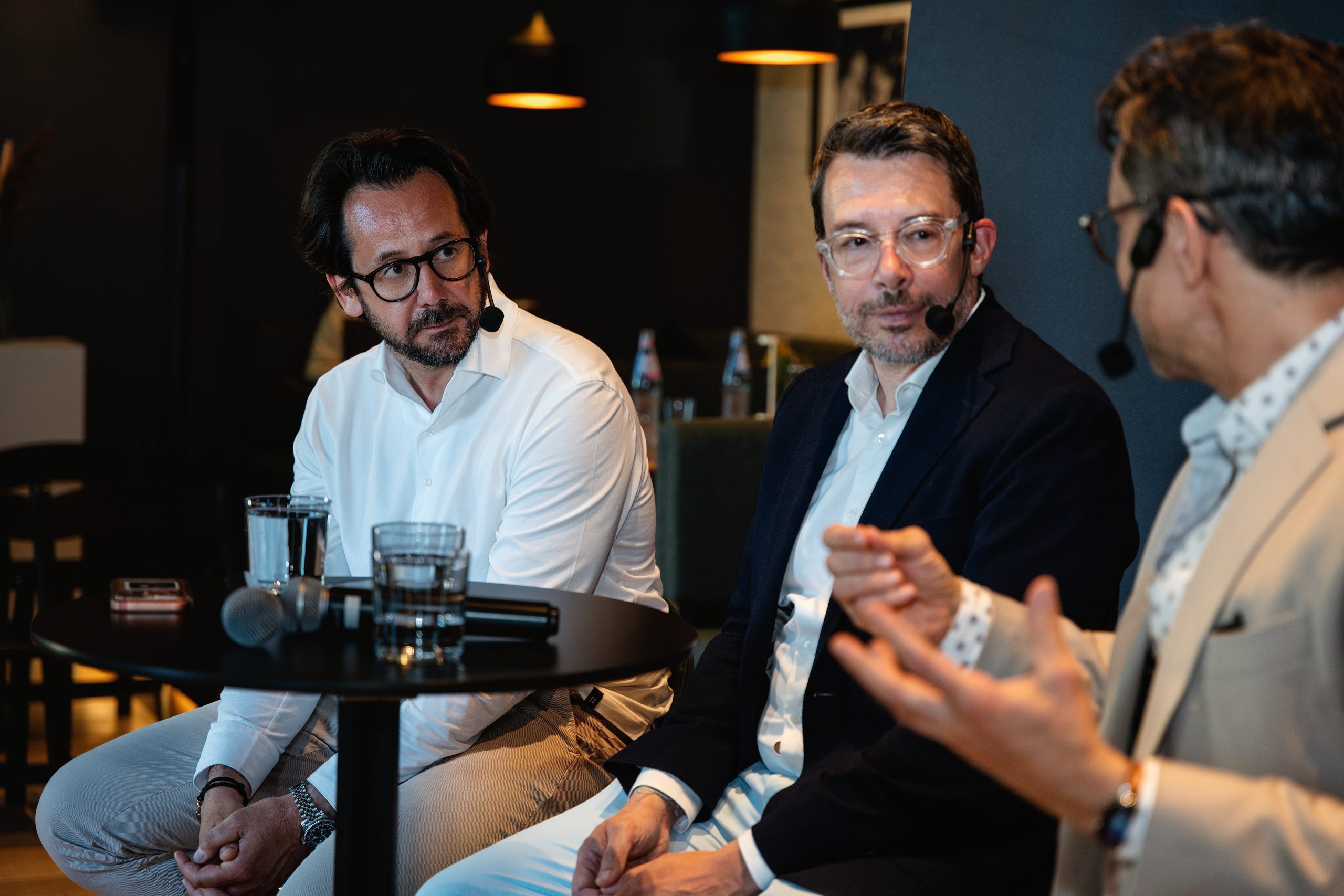
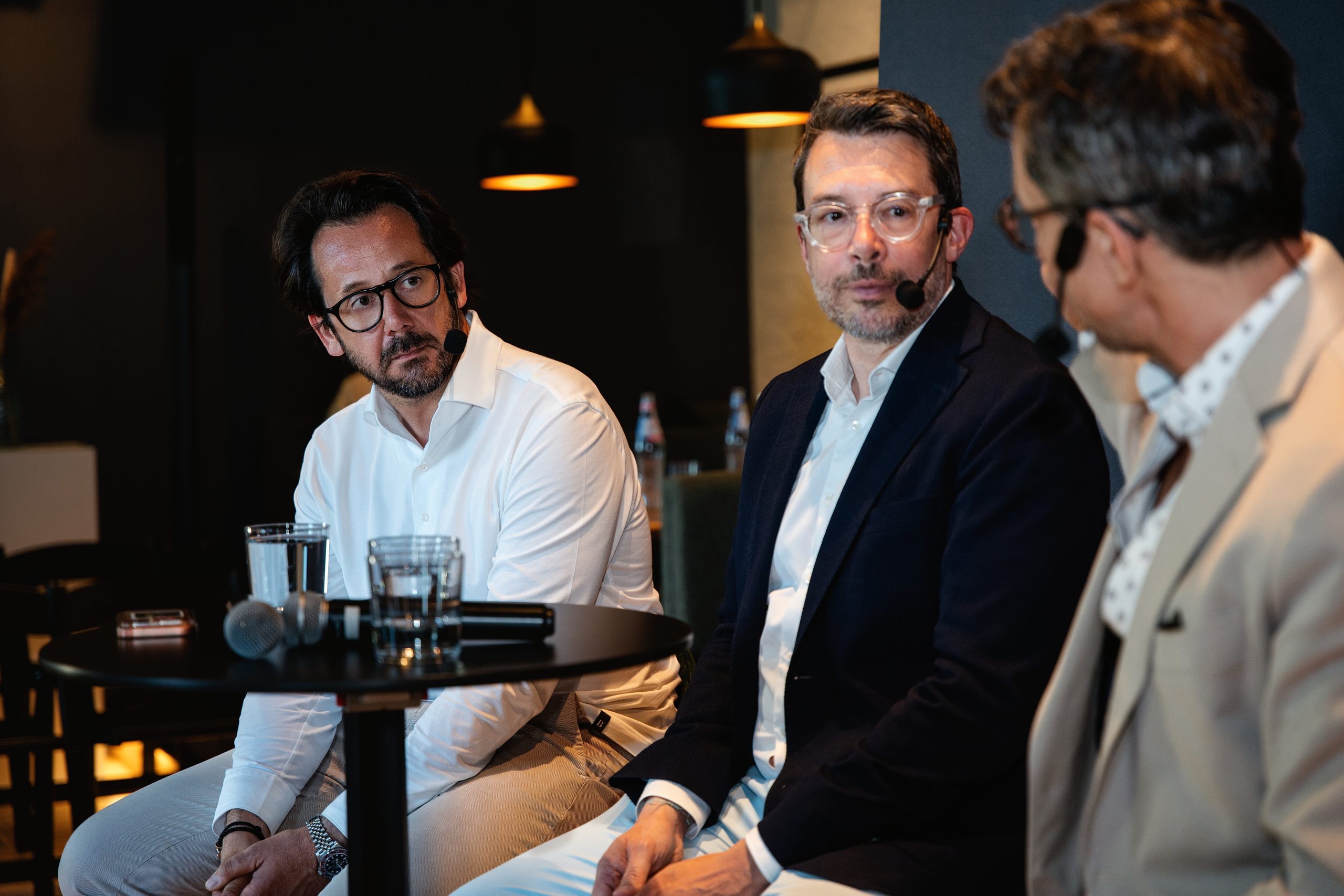
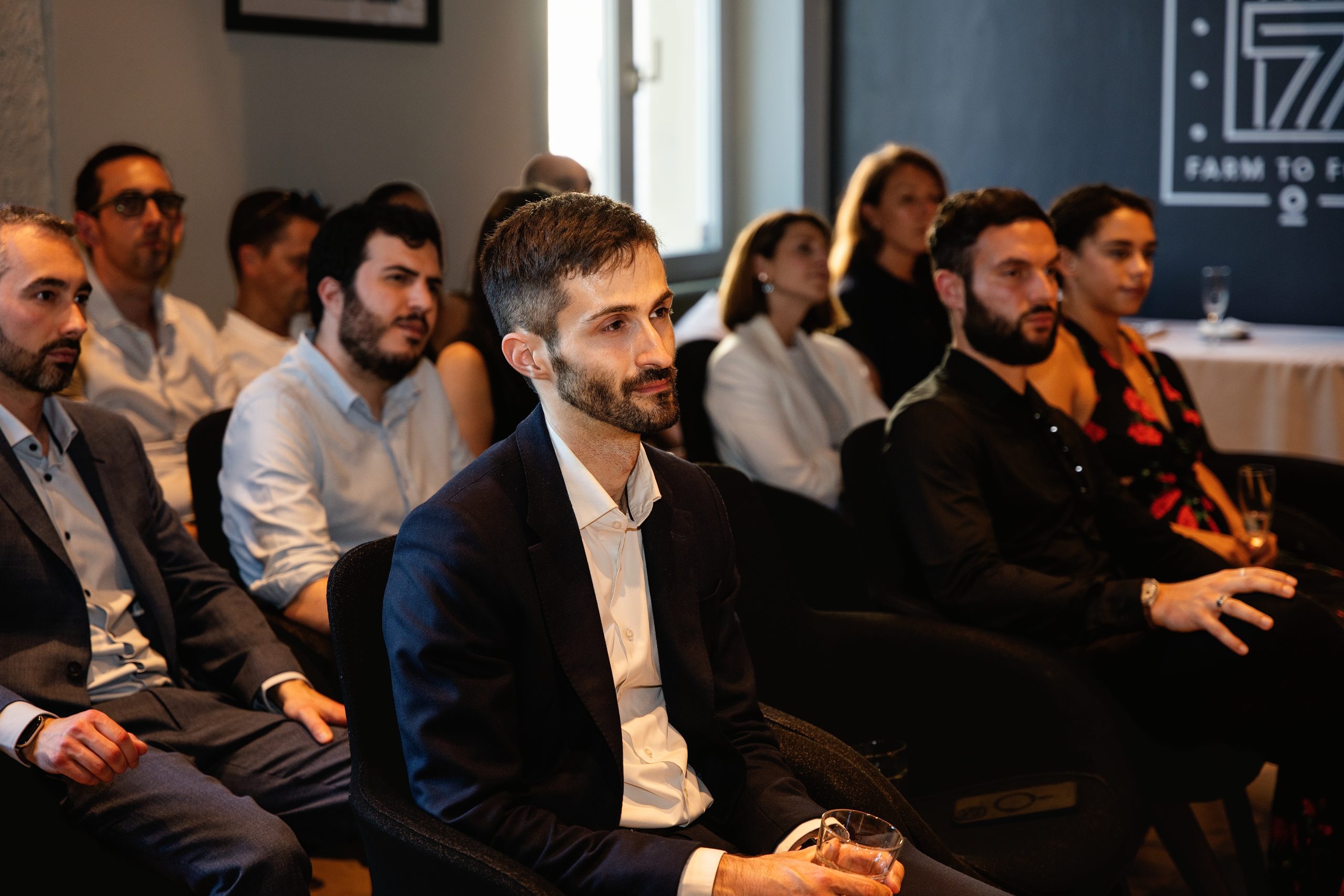
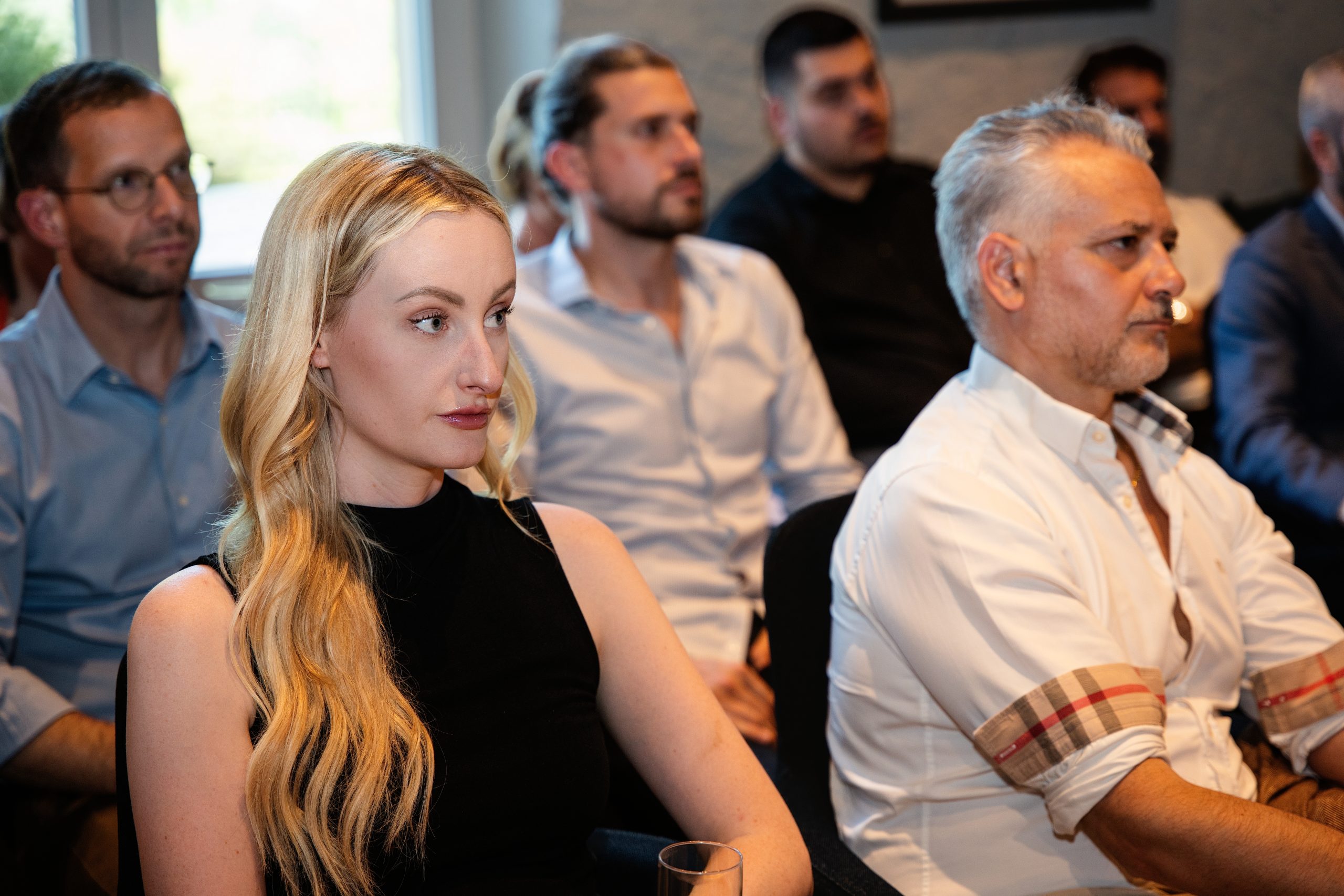
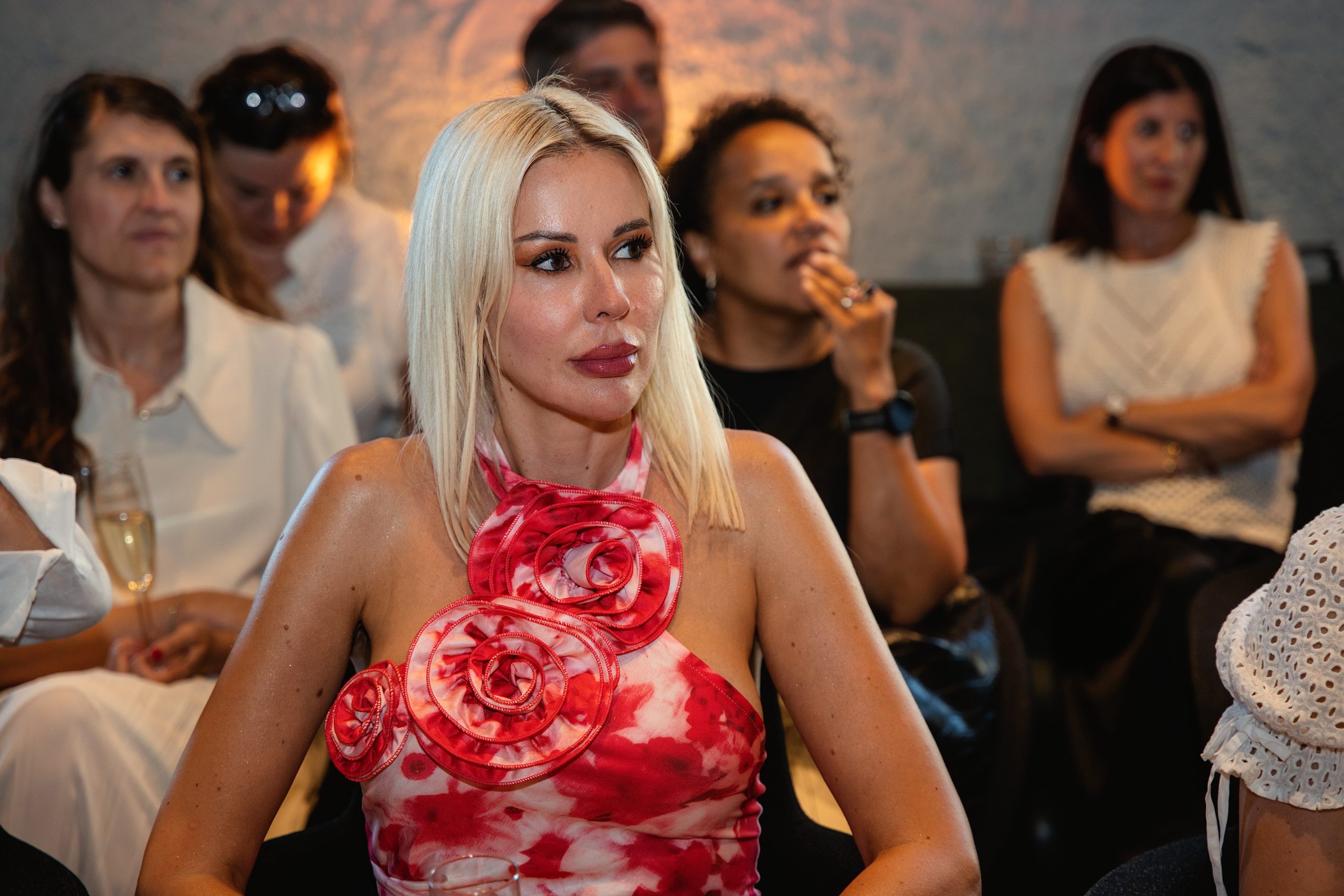
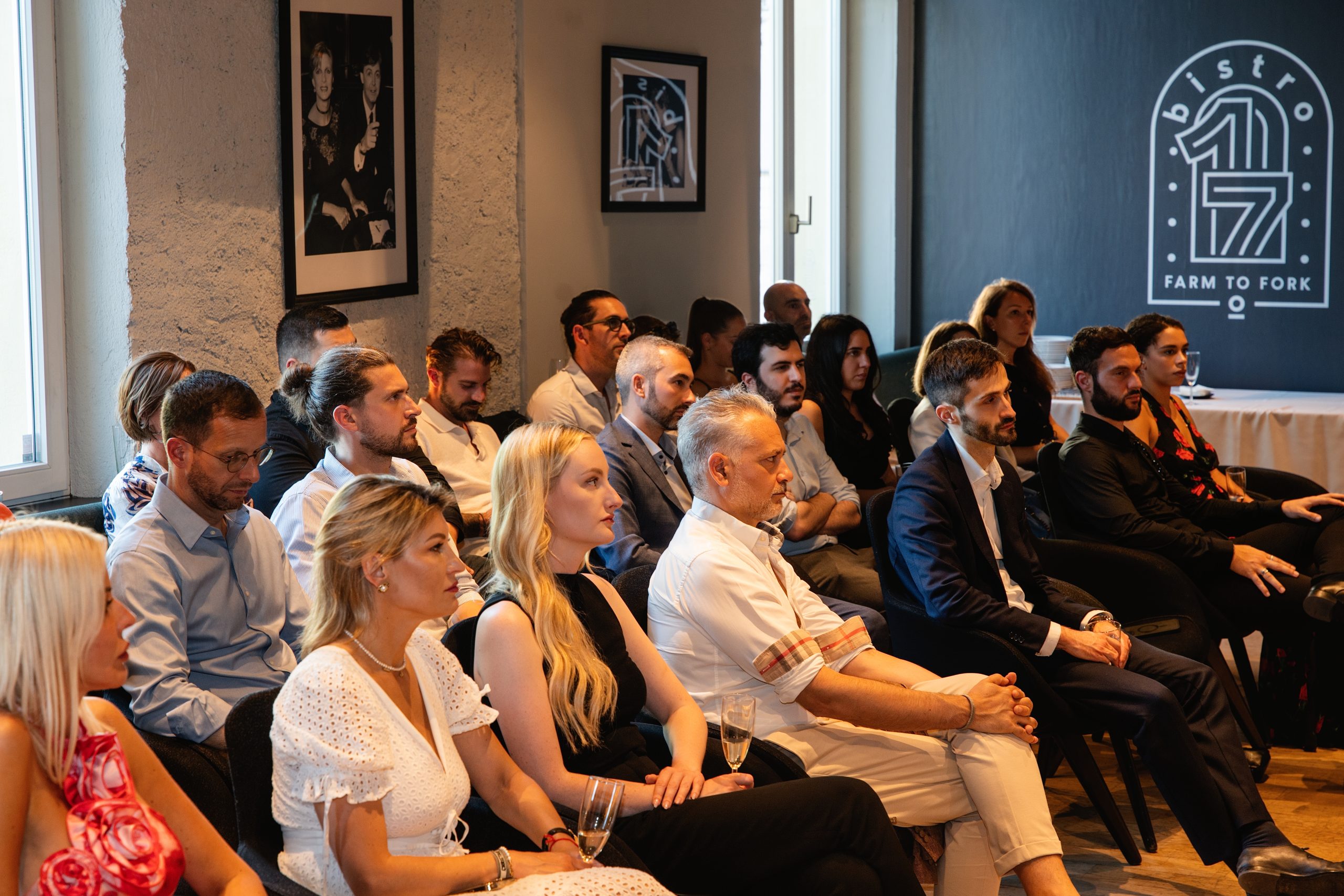
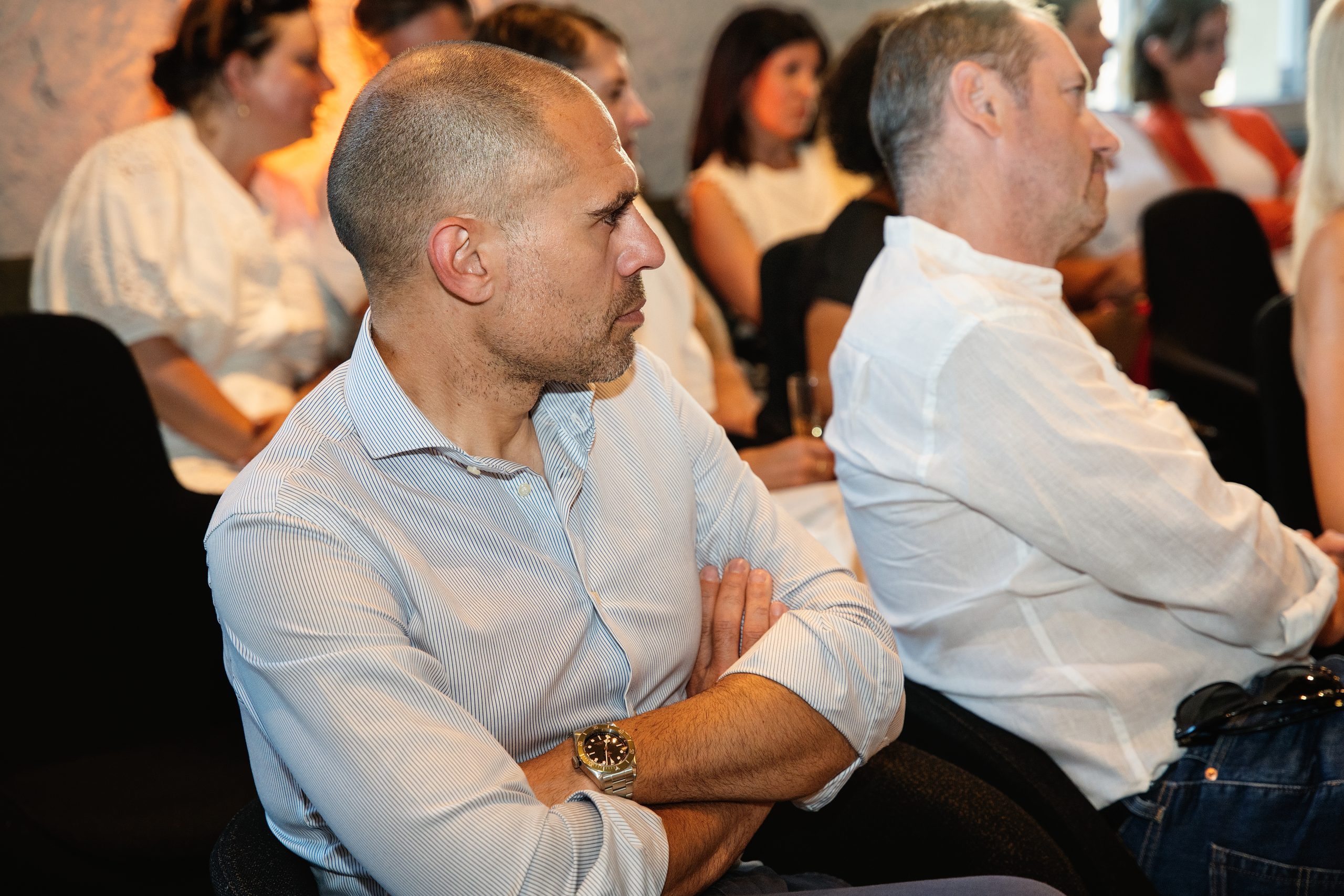
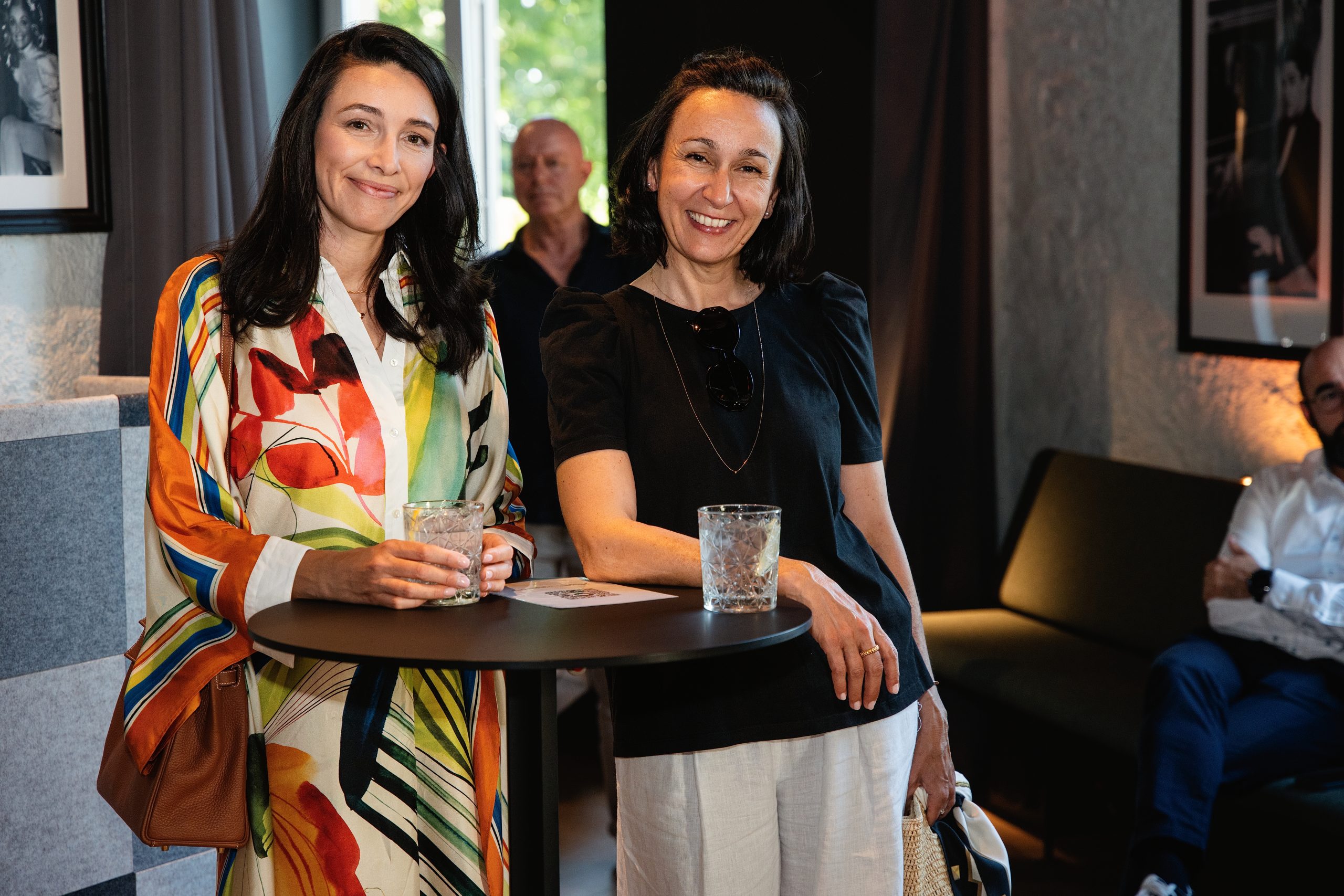
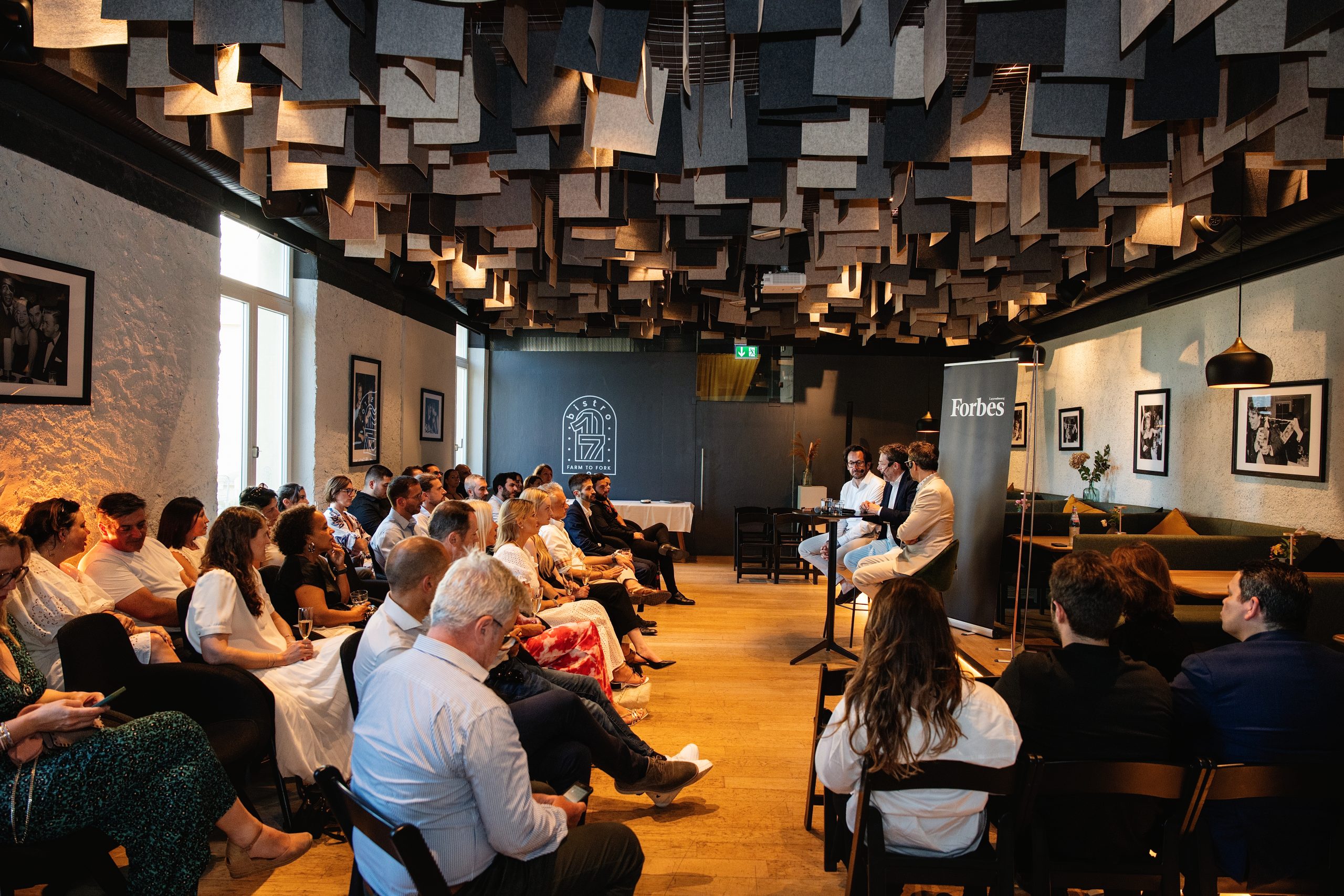
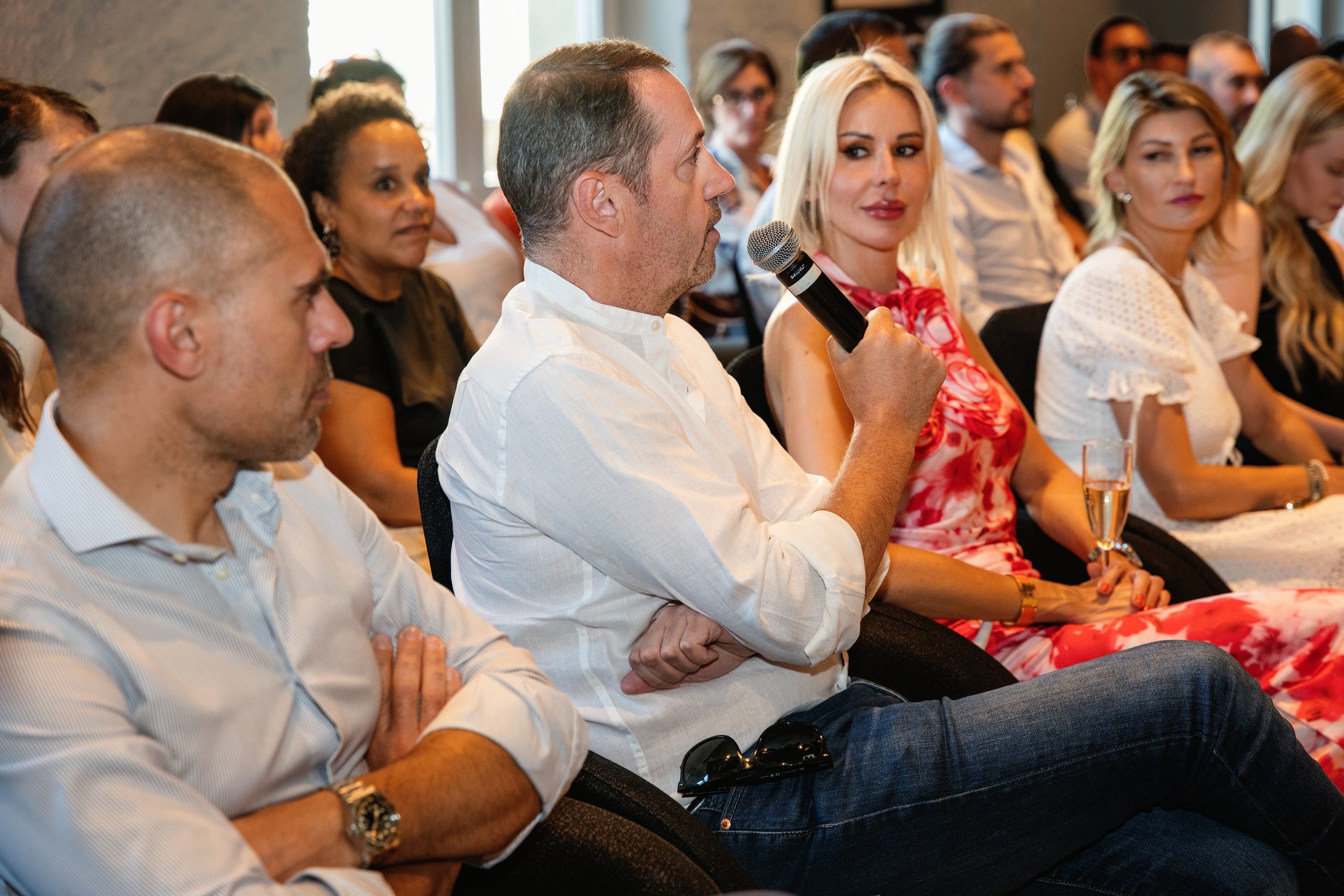
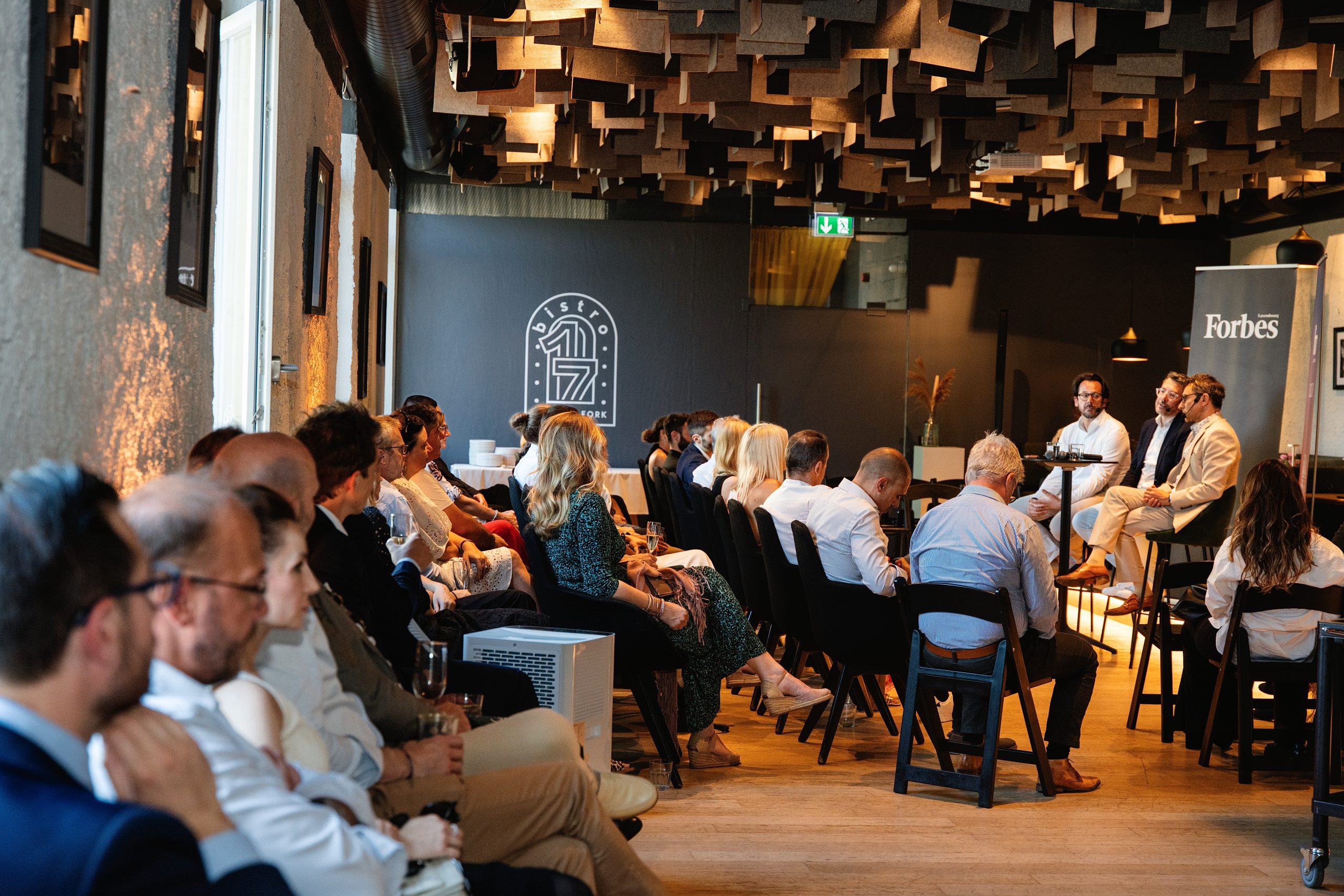
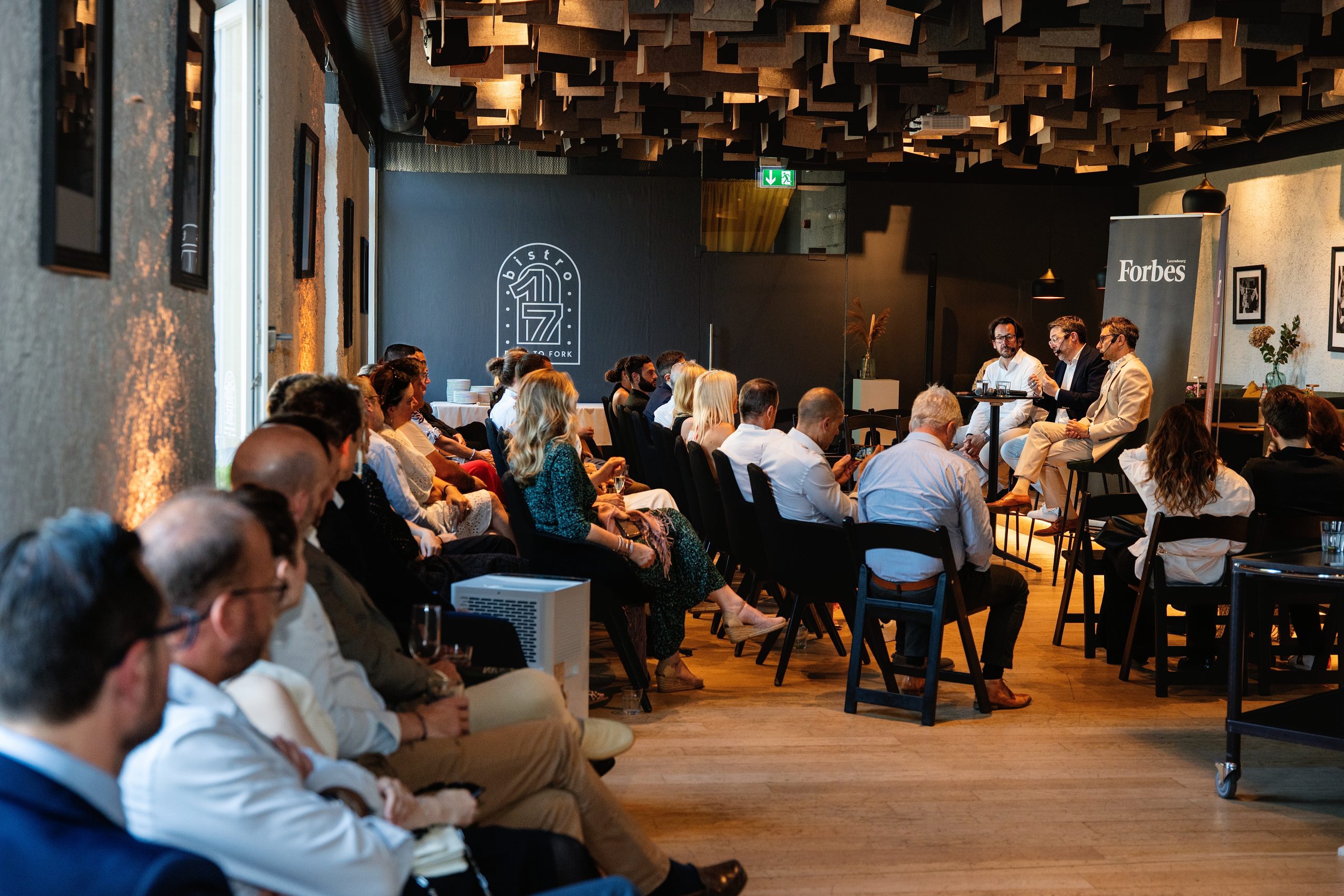
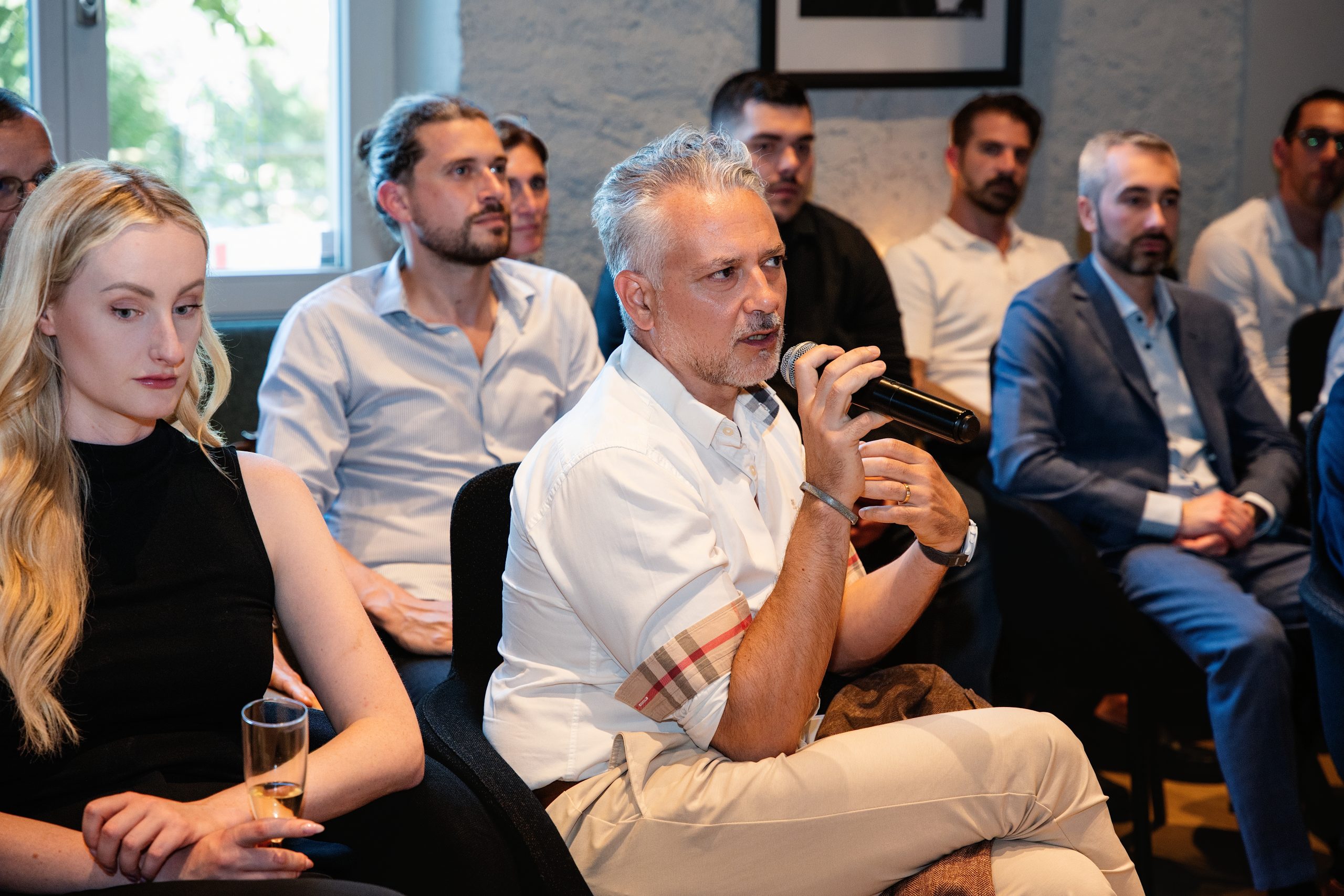
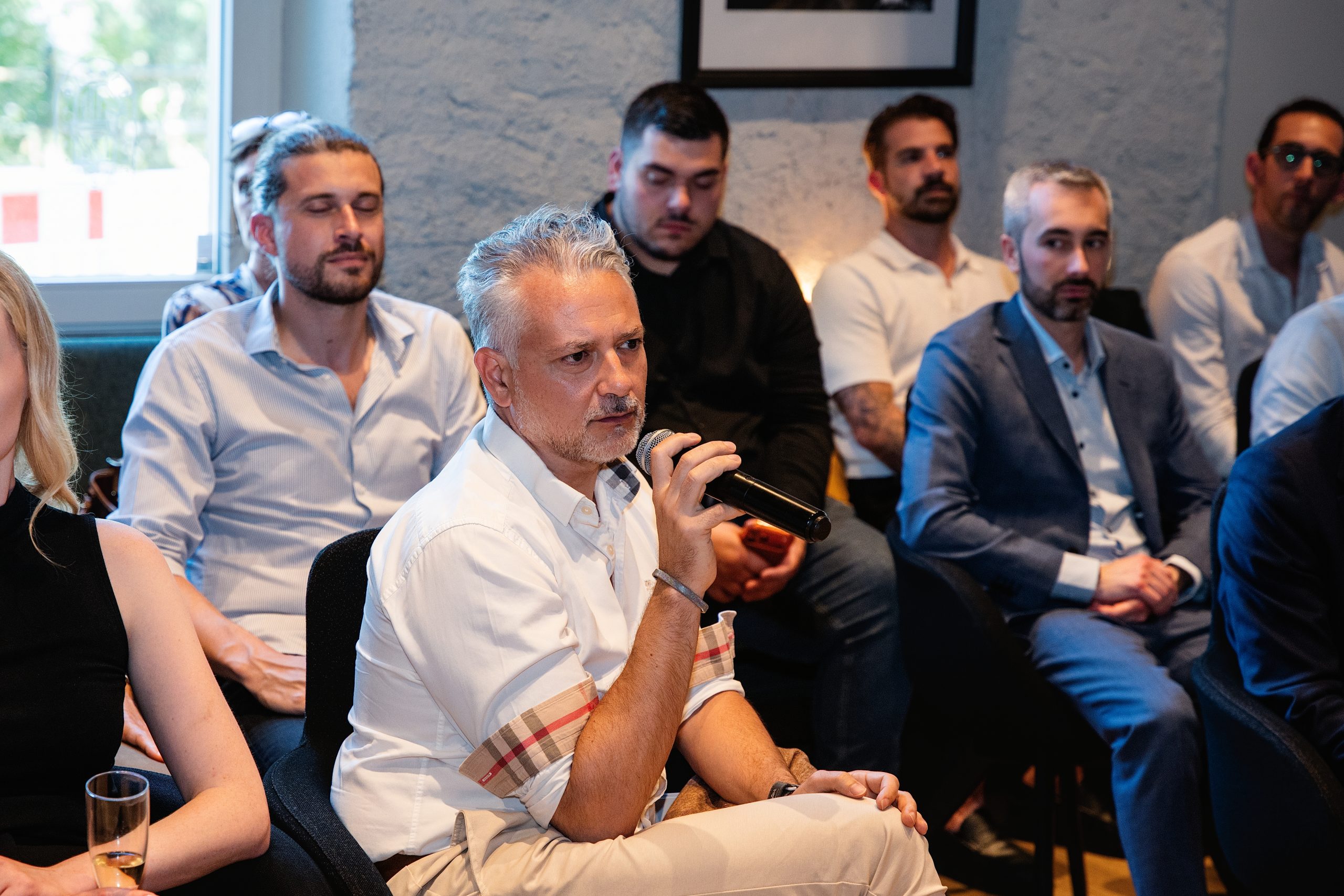
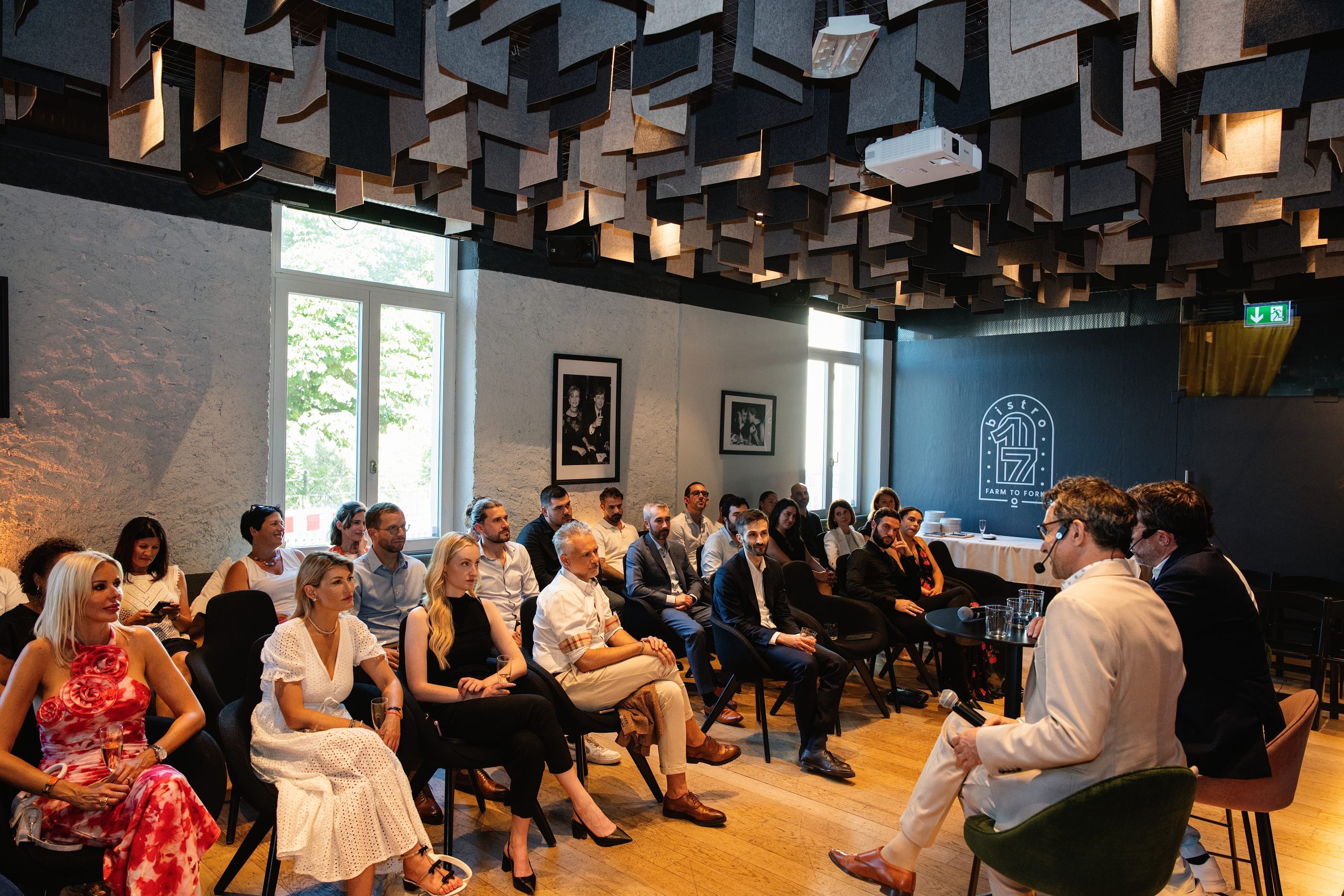
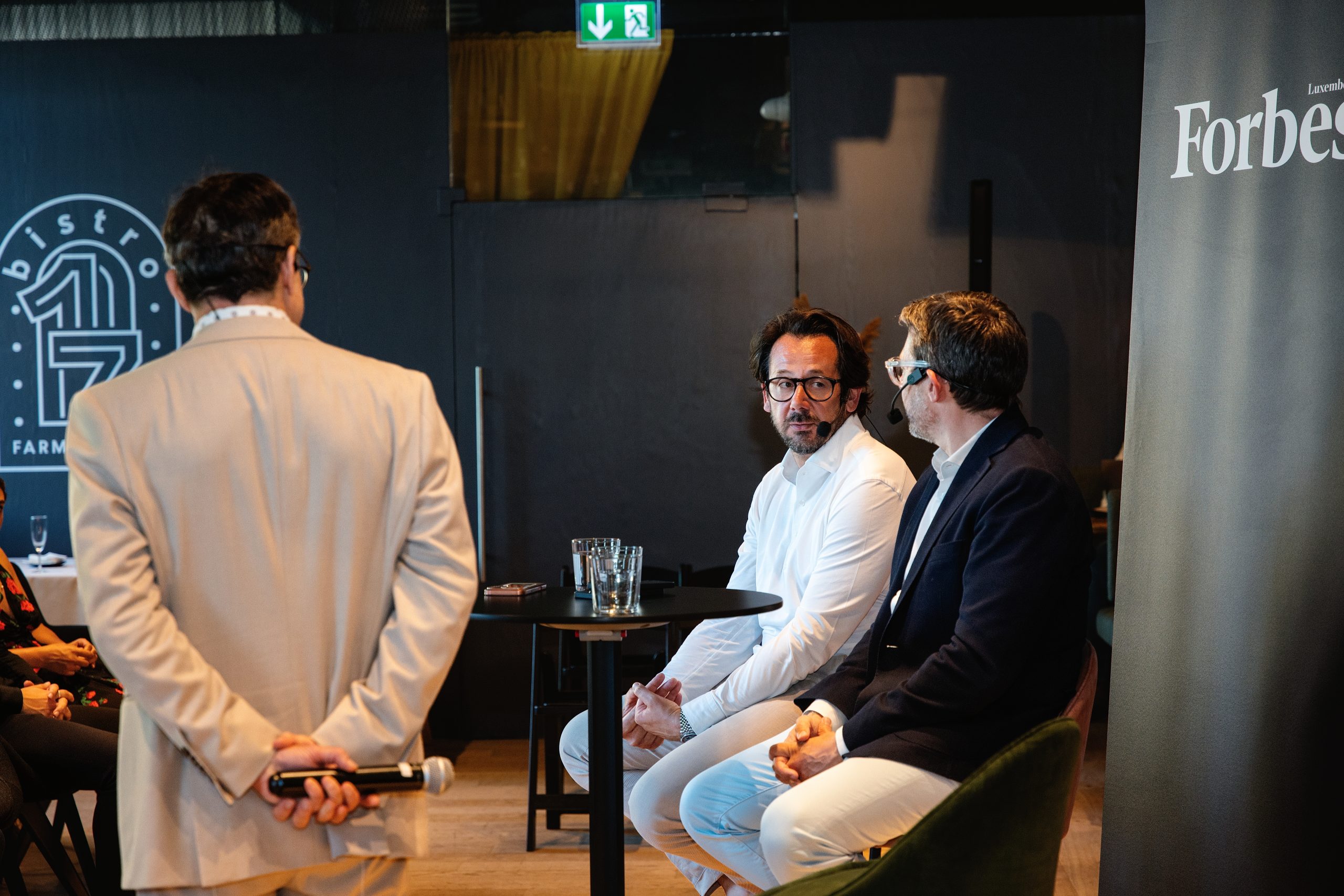
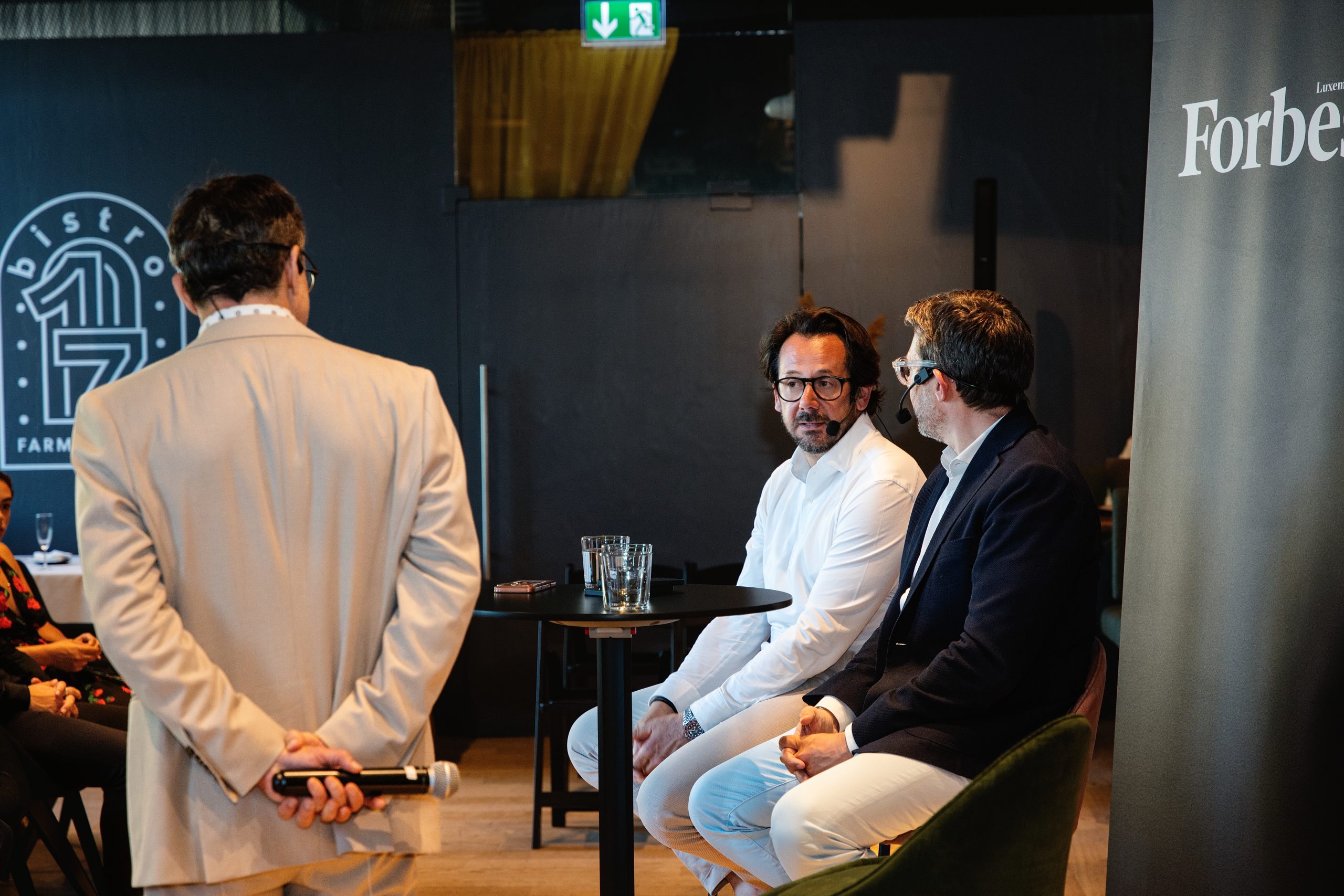
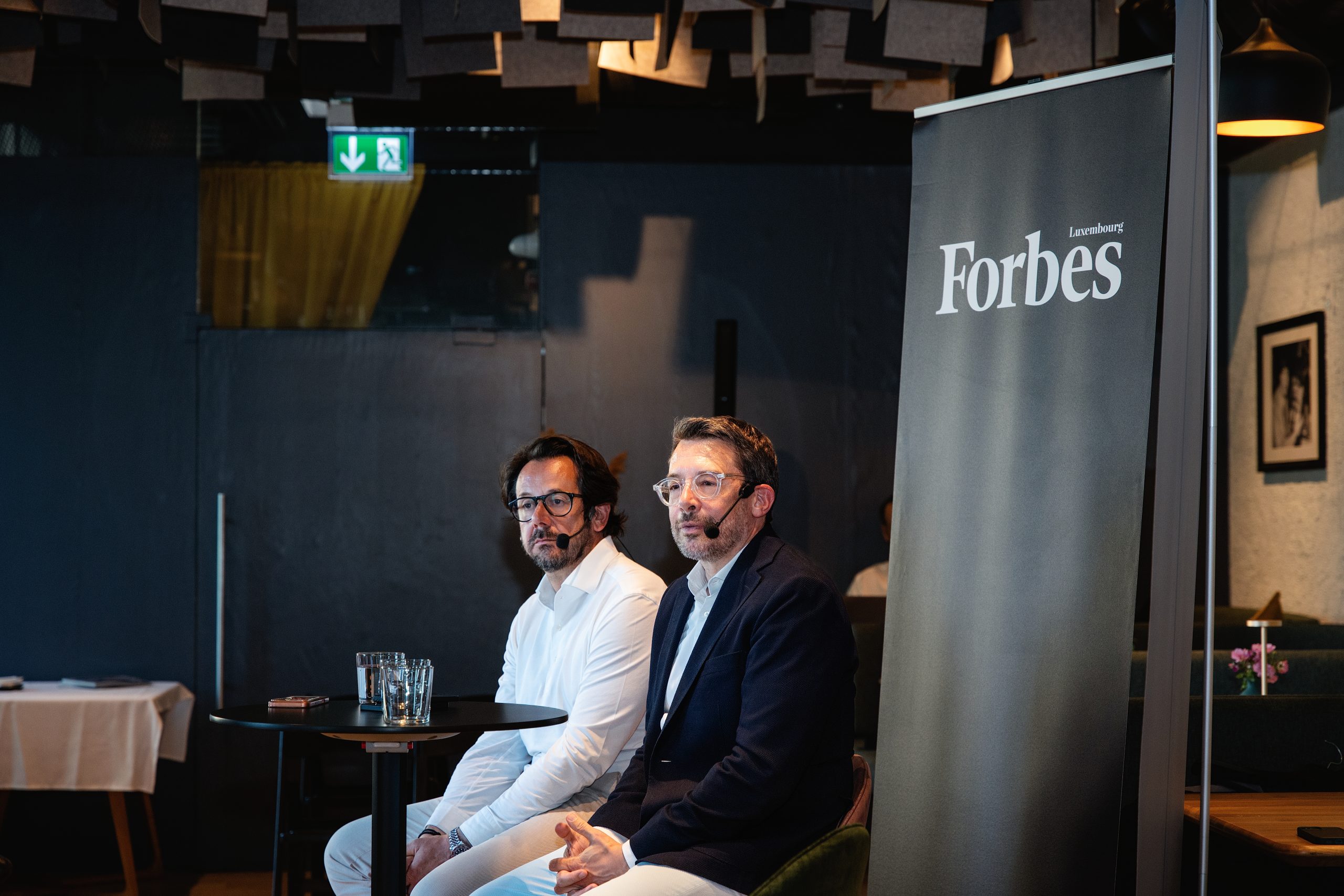
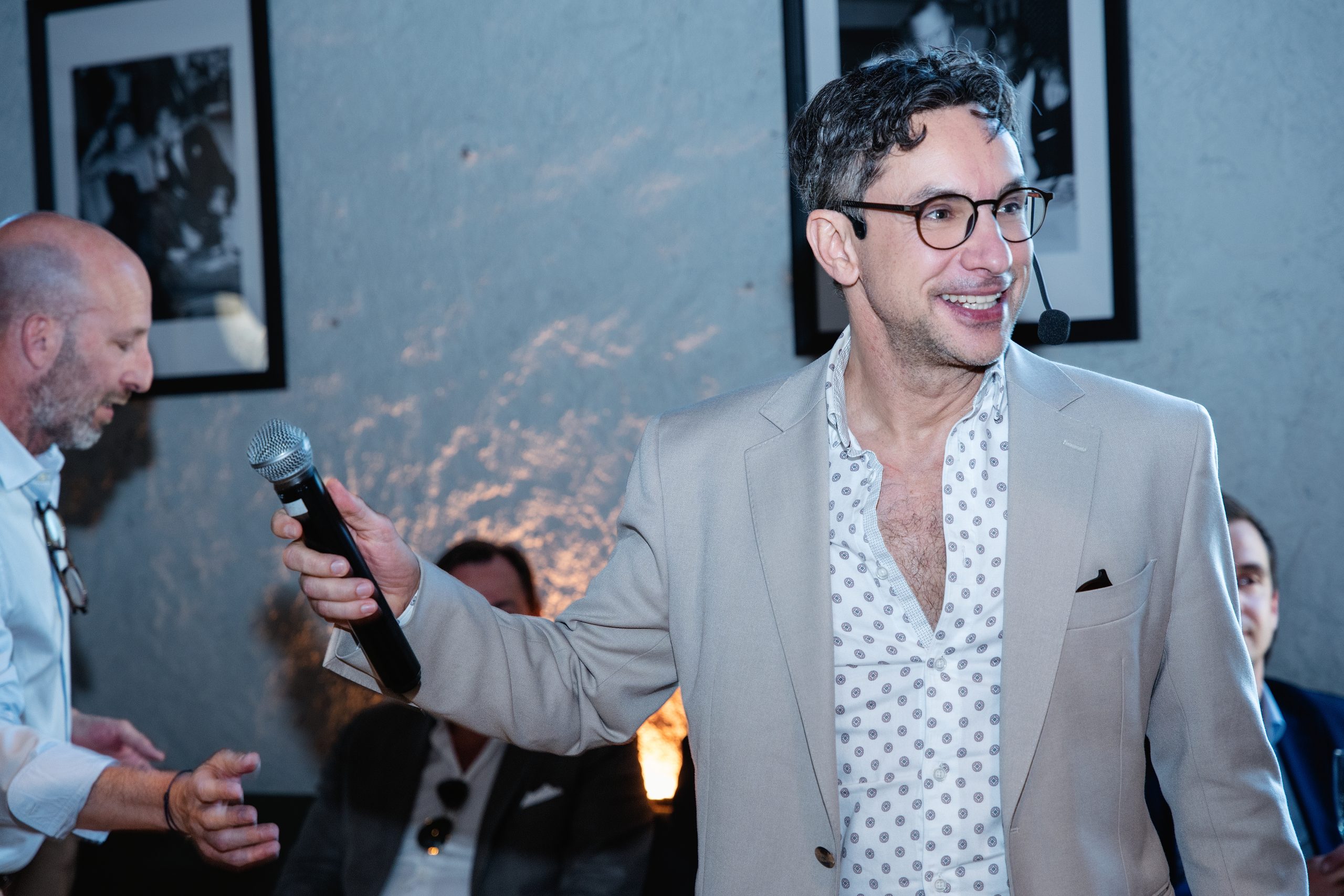
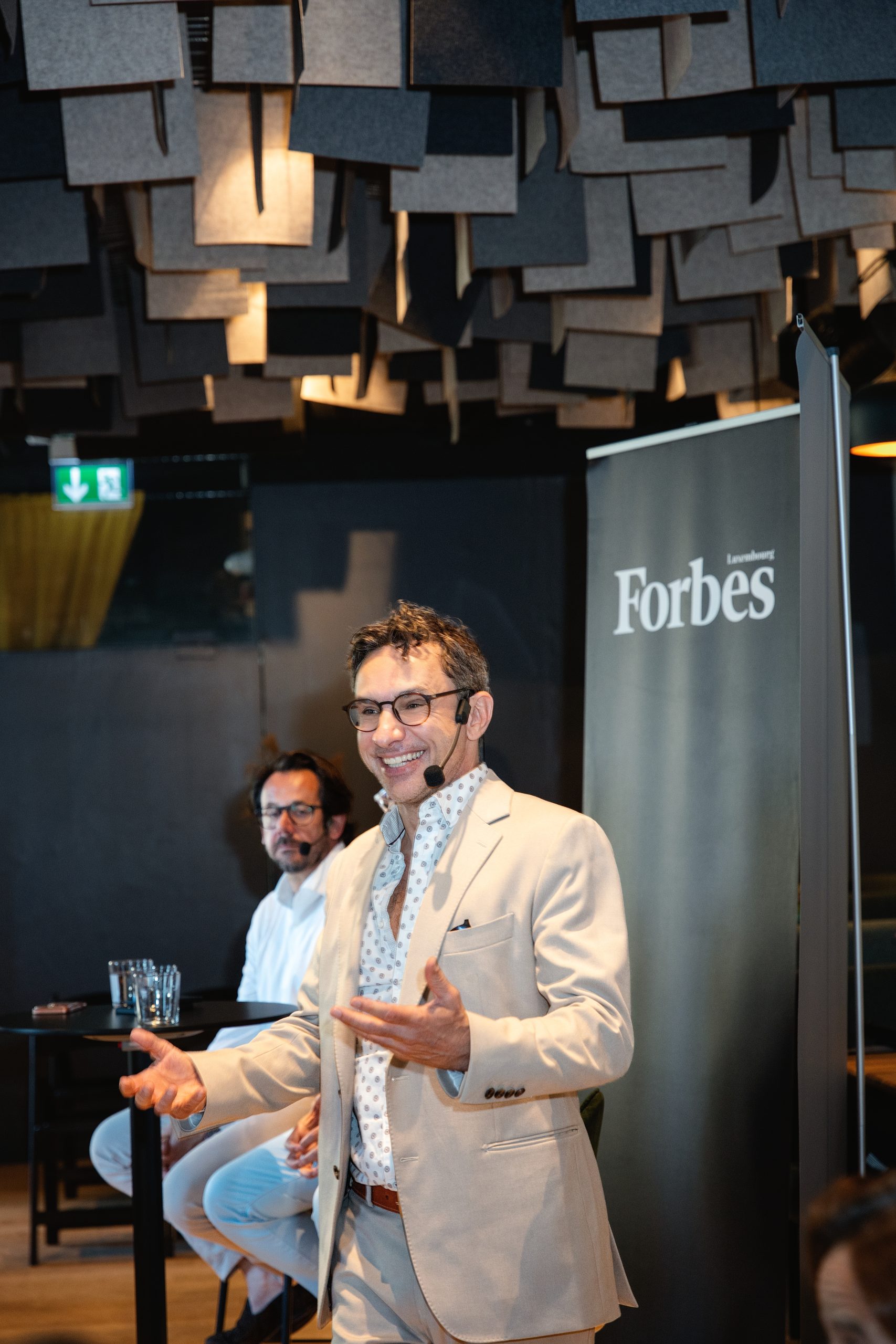
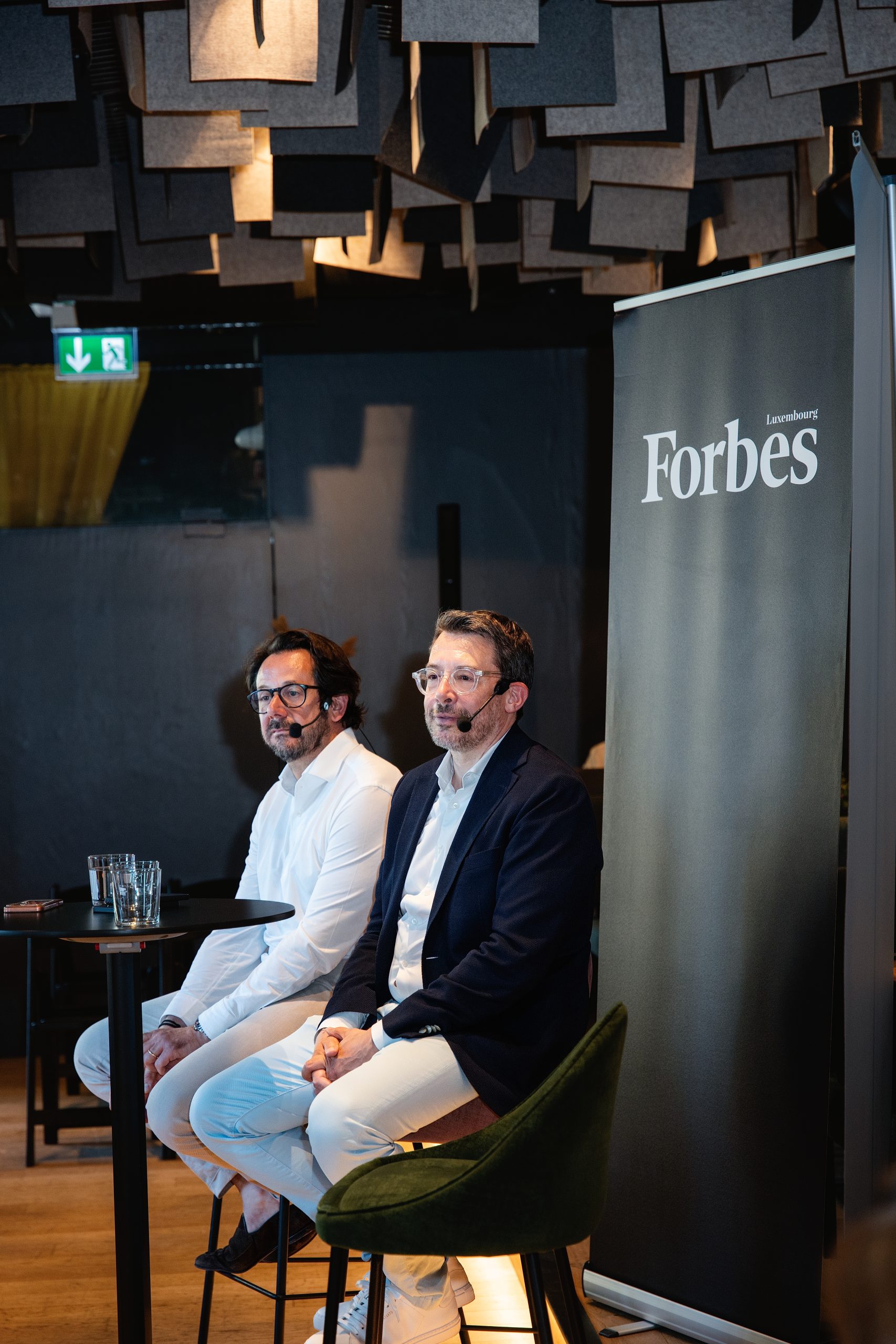
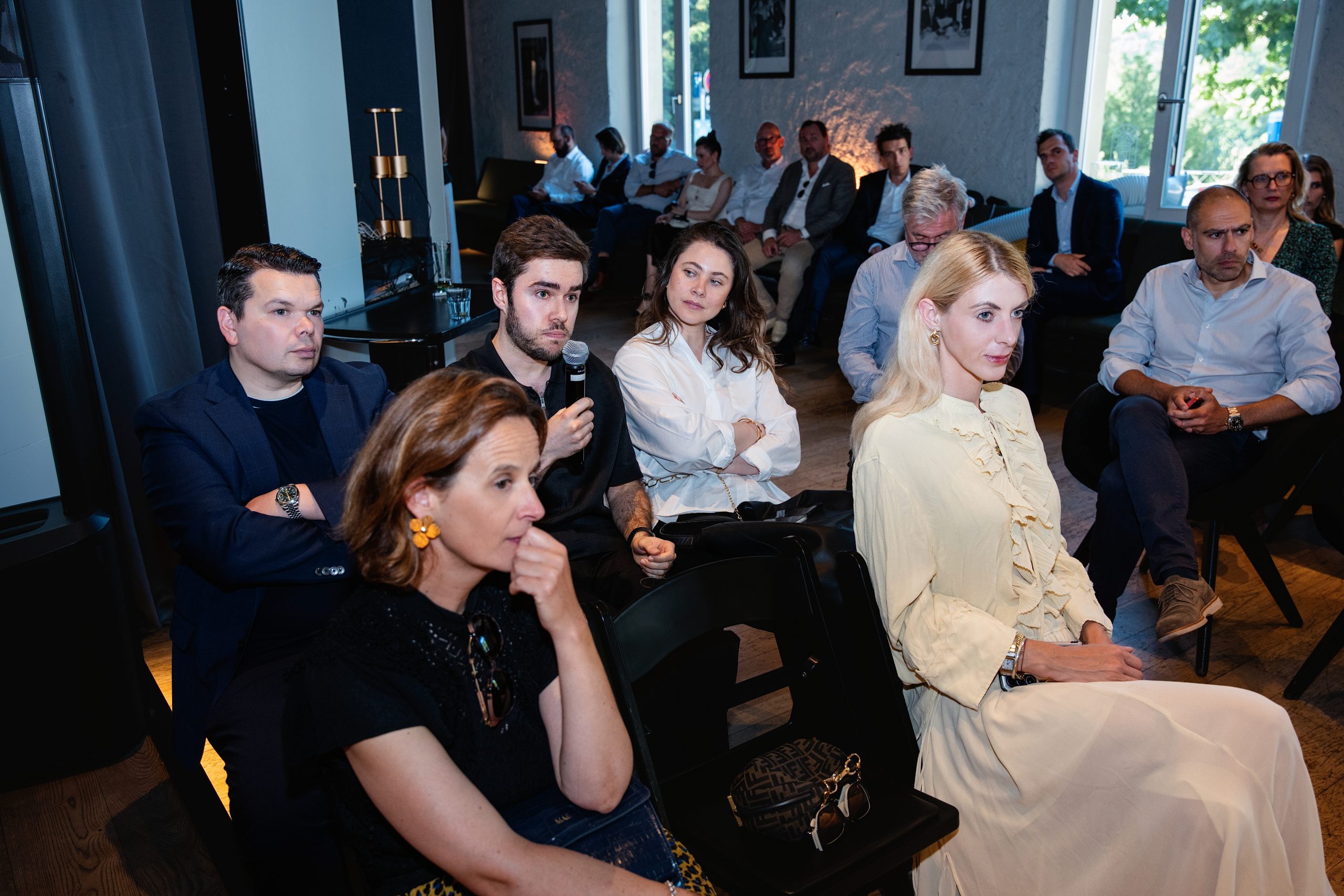
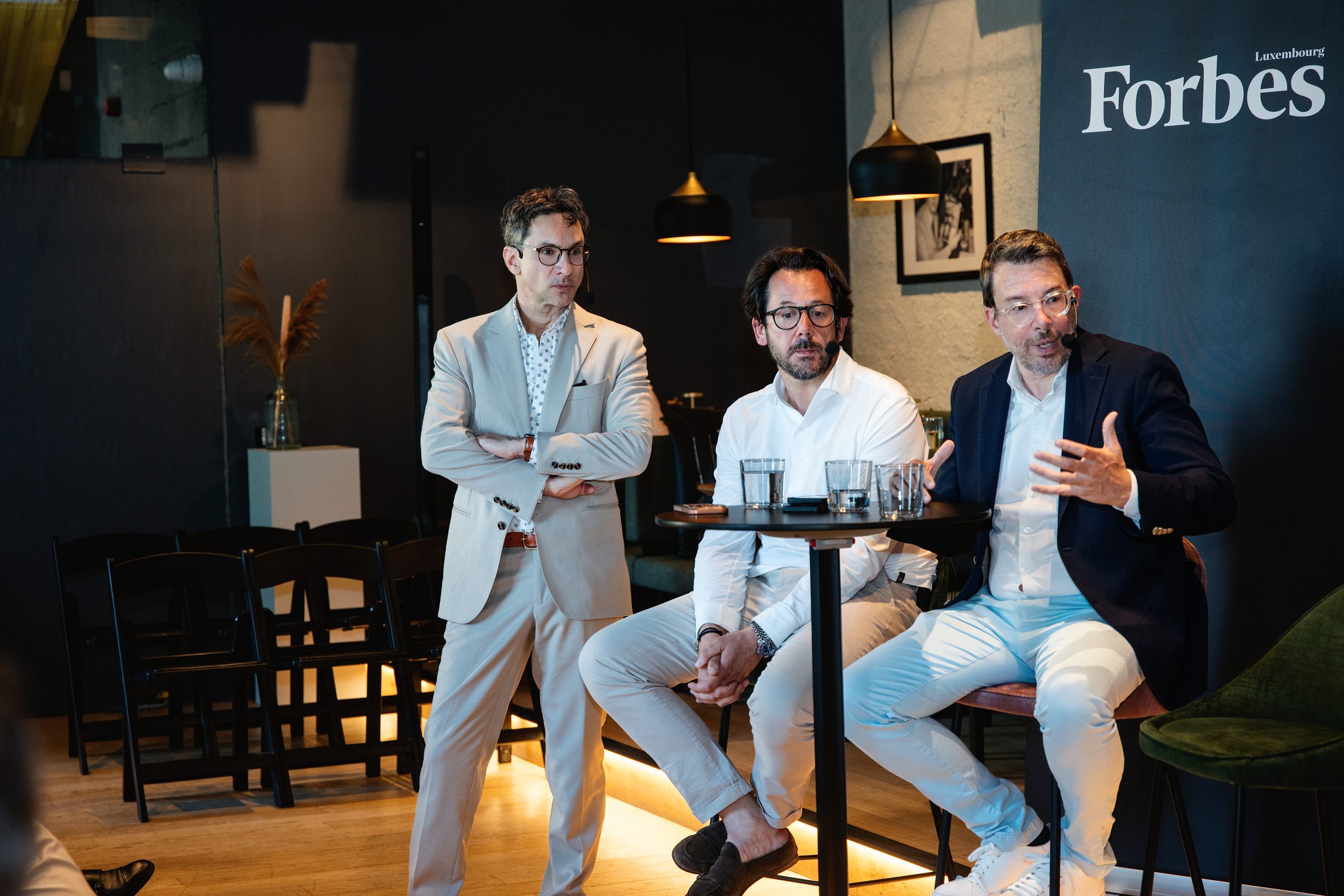
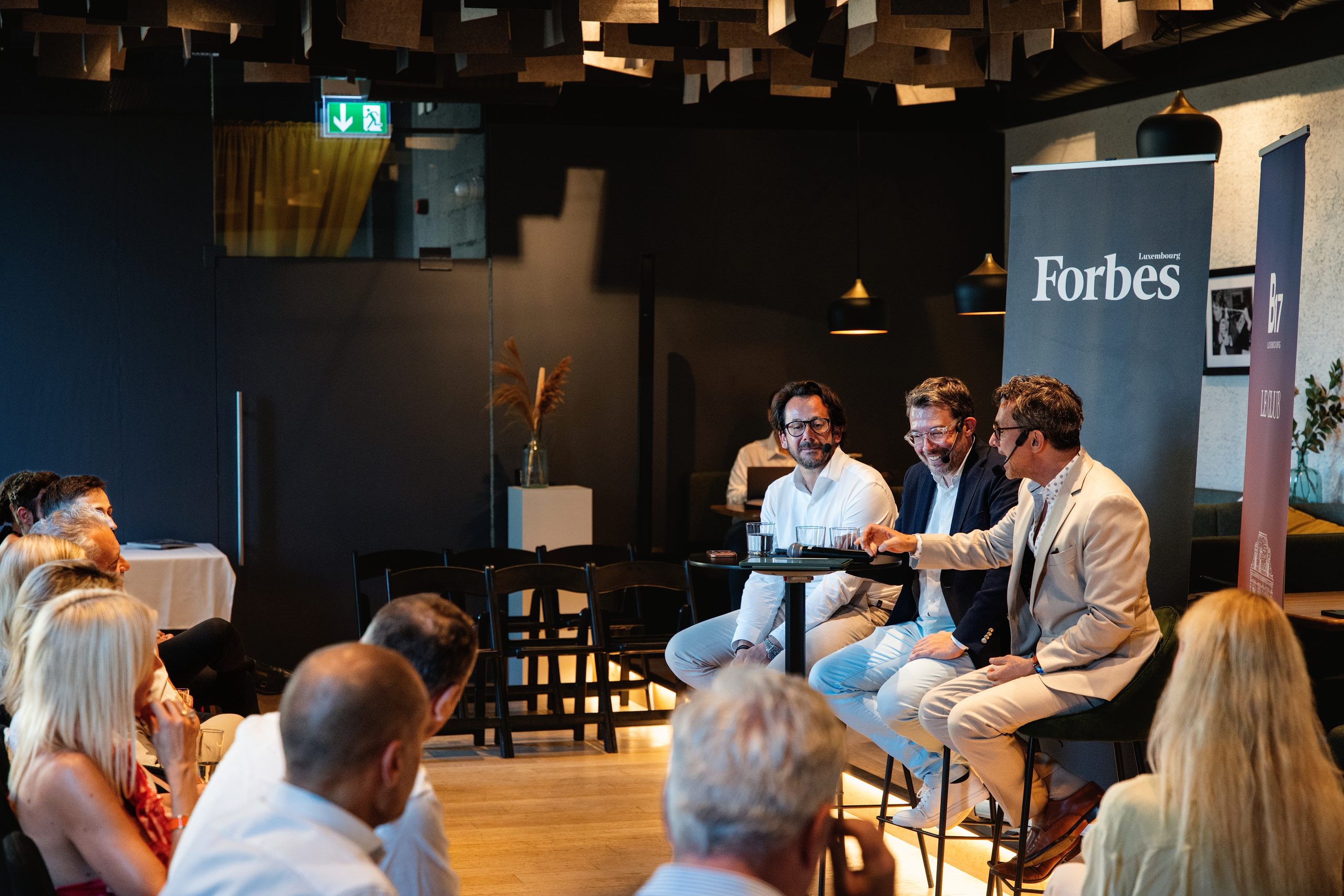
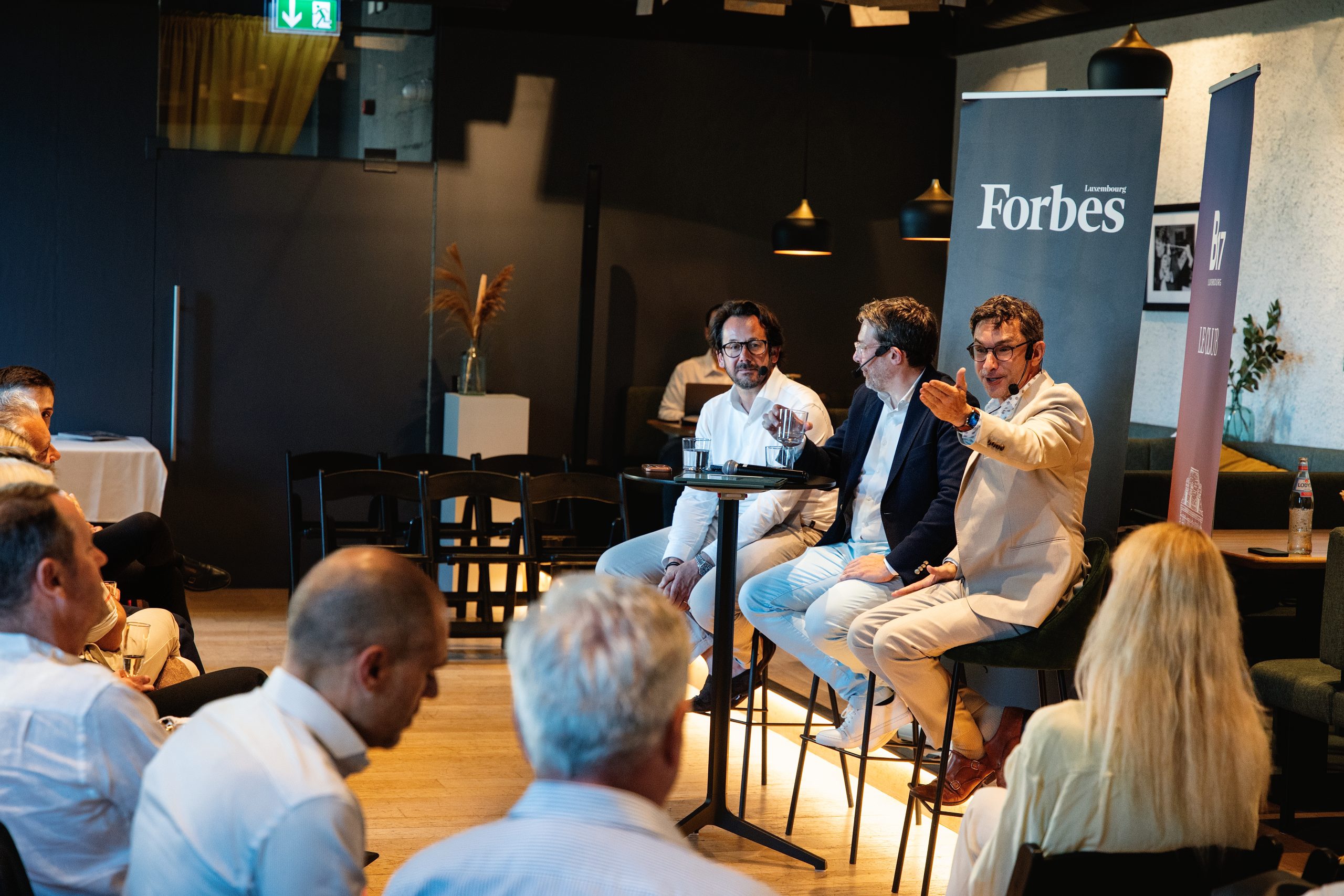
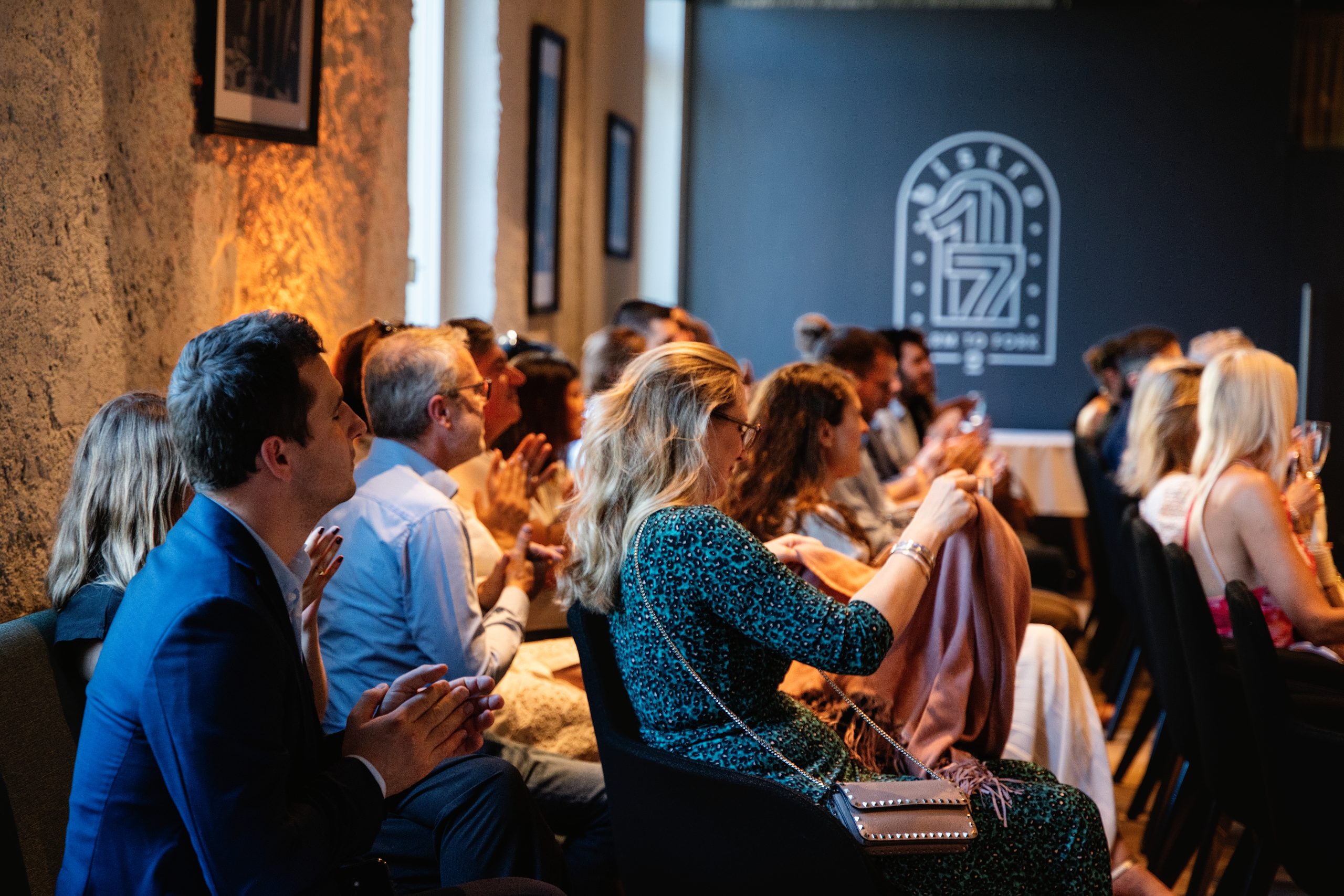
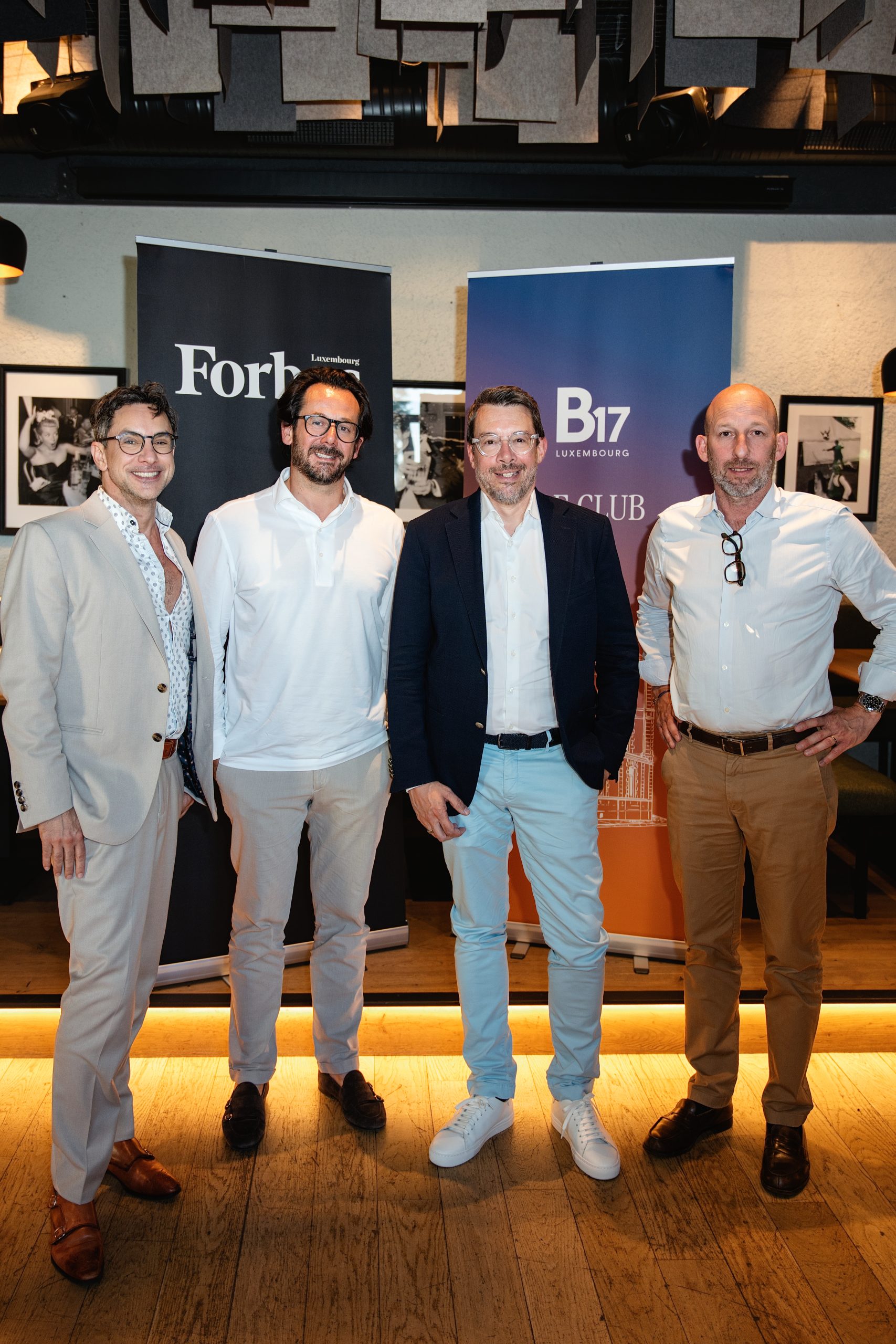
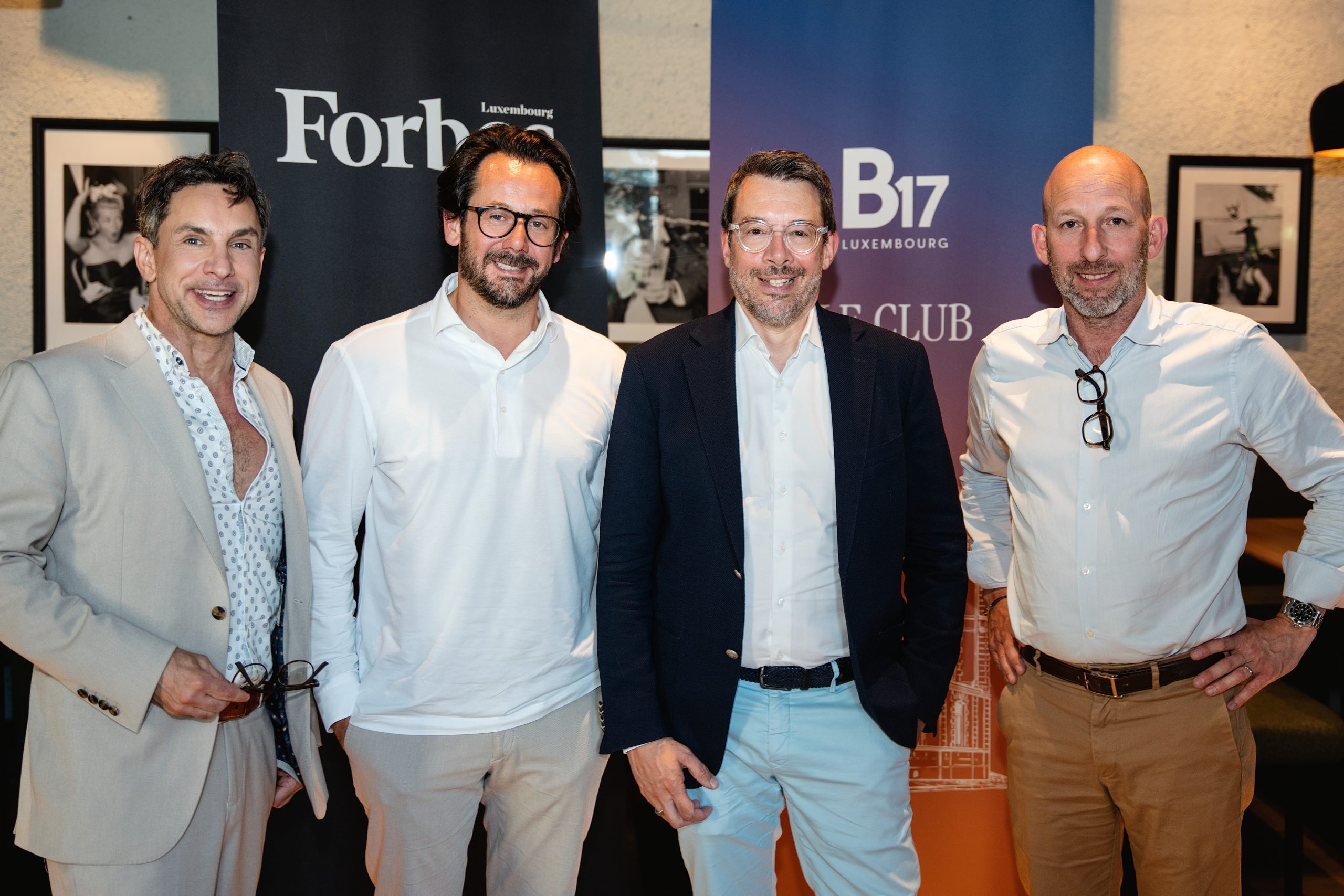
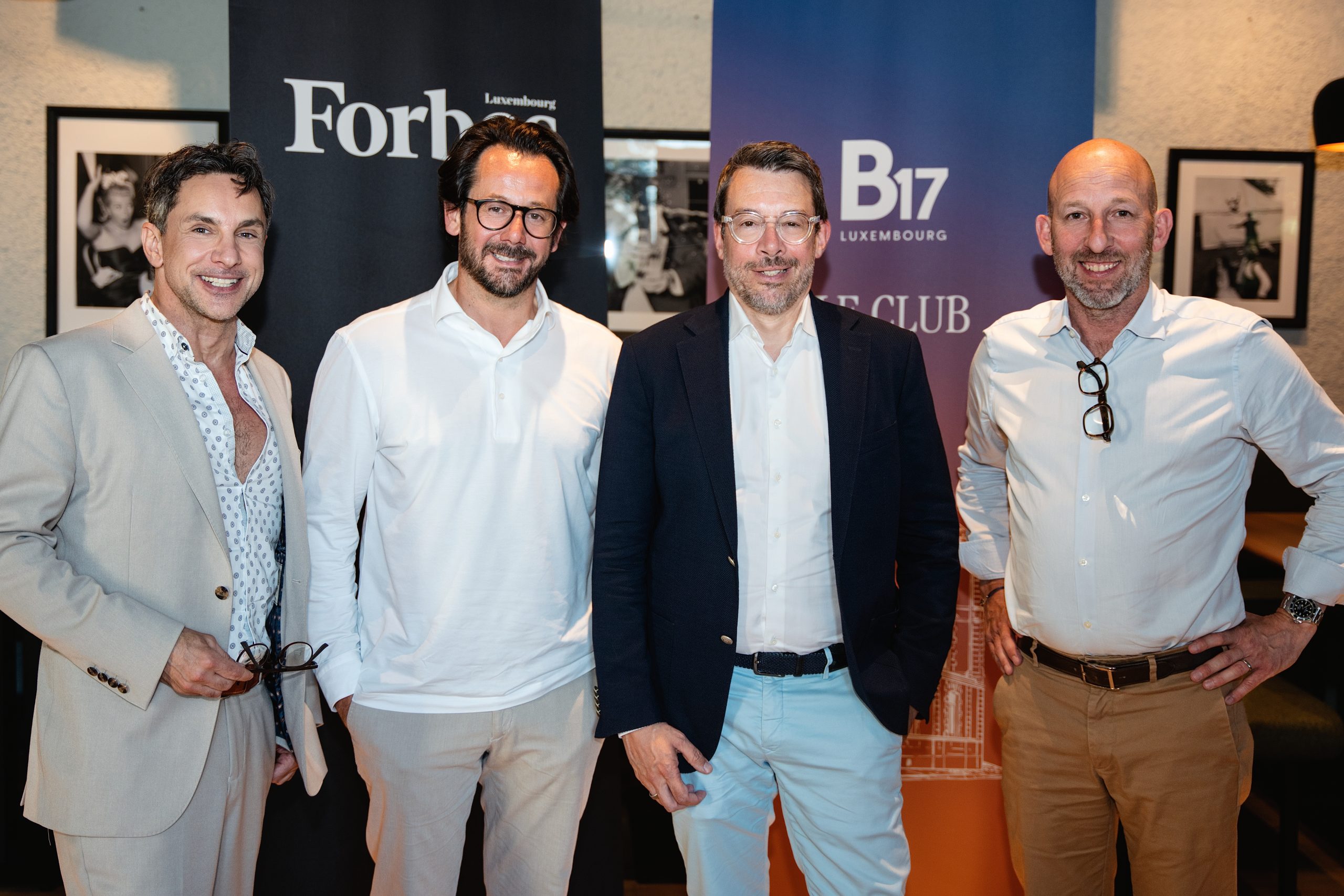
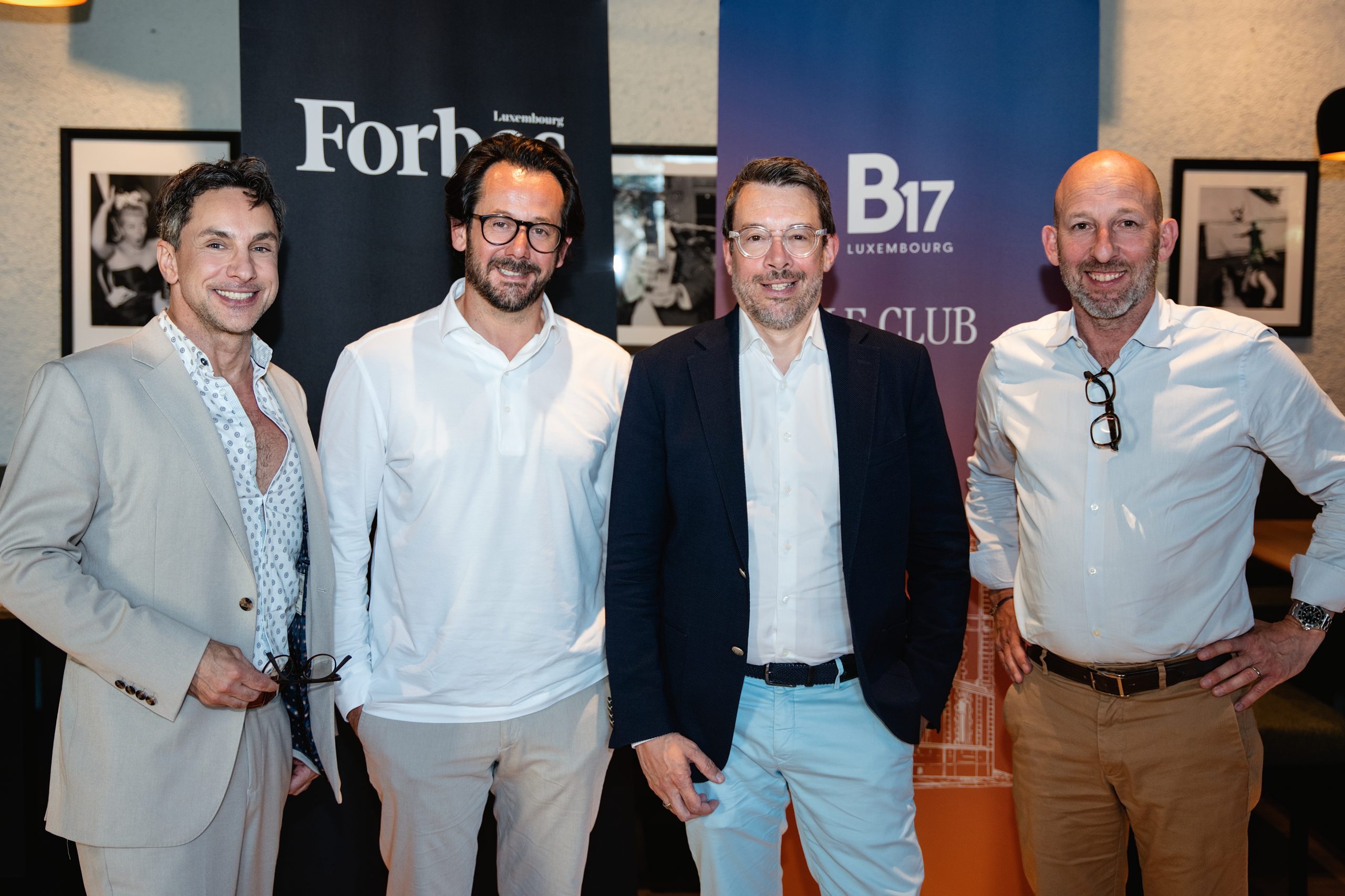
On 18 June, executives, entrepreneurs and marketing professionals gathered at Tero House17 for the latest Talk B17 x Forbes Luxembourg, where Pierre-Yves Lanneau Saint Léger, CEO of Forbes Luxembourg, moderated a discussion examining one of the defining questions facing advertisers today: where should brands invest their media budgets?
Joining him were Christophe Goossens, CEO of RTL Luxembourg, and Damien Chasseur, founder of Crooner Radio Luxembourg. While representing very different organisations, one the country’s largest media company, the other one of its newest broadcasters, their conclusions were remarkably aligned.
The future of media, they argued, will not be determined by whether audiences consume content through television, radio or digital platforms. Instead, success will depend on building trusted communities that audiences actively choose to spend time with.
Beyond traditional media
The conversation quickly moved beyond comparing traditional and digital media. Instead, the panel explored how consumer behaviour has fundamentally changed. Audiences no longer distinguish between platforms in the way they once did. They move seamlessly between broadcast television, streaming services, podcasts, social media, websites and live events throughout the day.
For media companies, the challenge is no longer convincing audiences to come to a single destination. It is about being present wherever audiences already spend their time.
For RTL Luxembourg, that shift has transformed the company from a broadcaster into what many describe as a multi-platform media brand. “We’re no longer simply a television company or a radio company. We’re a brand operating across multiple platforms,” said Goossens.
Today, RTL’s ecosystem extends across television, radio, digital publishing, social media and events, reflecting changing consumption habits rather than traditional distribution models.
Radio’s quiet reinvention
Far from being displaced by digital media, radio has continued to evolve. Luxembourg remains one of Europe’s strongest radio markets, with advertising investment significantly exceeding levels seen in many neighbouring countries. “Radio has never stopped reinventing itself. Its continued success is proof that it has adapted to changing audiences,” said Goossens.
Streaming, podcasts and connected vehicles have expanded radio’s reach rather than replacing it. Instead of competing against digital platforms, radio has increasingly become part of a broader audio ecosystem, giving listeners multiple ways to engage with trusted brands.
One of the evening’s central topics was the arrival of DAB+, which is expanding broadcasting capacity and creating opportunities for new entrants. For Damien Chasseur, whose Crooner Radio Luxembourg recently launched on DAB+, the technology represents more than a new broadcasting standard. It represents access.
Unlike FM frequencies, which remain scarce and tightly allocated, DAB+ allows multiple broadcasters to share transmission infrastructure, lowering barriers to entry while encouraging greater diversity across the market.
“The real value of DAB+ is that it opens audio to new entrants,” said Chasseur.
Rather than simply rebroadcasting Crooner Radio France into Luxembourg, Chasseur chose to establish a dedicated Luxembourg operation, producing local programming designed specifically for audiences living and working in the Grand Duchy. That decision reflects a broader transformation taking place across media.
Growth increasingly comes not from appealing to everyone, but from serving clearly defined audiences exceptionally well.
Community competitive advantage
If one idea emerged consistently throughout the discussion, it was that advertisers are no longer buying media space alone. They are investing in communities. For Crooner Radio Luxembourg, that means reaching a highly targeted audience through carefully curated programming and premium commercial partnerships.
For RTL Luxembourg, community is built through decades of trust, familiar personalities and content that accompanies audiences throughout their daily routines.
Pierre-Yves Lanneau Saint Léger drew parallels with the evolution of Forbes Luxembourg itself. Like many modern media brands, Forbes has expanded beyond its print publication into a broader ecosystem that includes digital journalism, executive events and professional networking.
The value proposition for advertisers is no longer limited to impressions or audience size. It is increasingly defined by credibility, relevance and the quality of engagement. As Chasseur noted, understanding precisely who your audience is allows advertisers to build stronger, more authentic relationships with consumers.
Investing in trust
As the discussion drew to a close, one message stood above the rest: the real competition is no longer between television, radio and digital platforms, it is for people’s attention.
In an world of unlimited content and endless distribution channels, the challenge is no longer persuading audiences to adopt a particular technology. Instead, success depends on creating content compelling enough that people actively choose to engage with it, regardless of where or how they consume it.
For established organisations such as RTL Luxembourg, that means extending trusted brands across every relevant platform while maintaining the credibility built over decades. For newer entrants like Crooner Radio Luxembourg, it means serving clearly defined communities with content tailored to their interests and expectations. Different approaches, but ultimately the same objective: building lasting relationships with audiences.
For advertisers, the implications are equally significant. Choosing between television, radio and digital is becoming less important than identifying environments where audiences are engaged, receptive and connected to the brands they trust.
Technology will continue to evolve, and media channels will continue to multiply. Trust, relevance and community, however, remain far more difficult to replicate. As media continues its transformation, the organisations that succeed will not necessarily be those with the largest audiences, but those capable of fostering genuine connections with the communities they serve.
That may prove to be the most valuable investment of all.









Read more articles:
Dare To Be. Dare To Be Unstoppable.
Wind Of Change Blowing Through Legal Profession
When The Ground Speaks Before The Crisis: The Human Impact Of Mergers And Acquisitions