

Luxembourg has no coastline, yet the Grand Duchy is becoming an increasingly important hub for yacht financing, ownership structuring and wealth protection for the global ultra-rich.
Luxembourg has no marinas and no Mediterranean ports lined with billionaires’ vessels. Yet behind the scenes of the global superyacht economy, the Grand Duchy has become an increasingly important jurisdiction for financing, ownership structuring and legal protection of some of the world’s most expensive movable assets.
At the center of many of these transactions are Luxembourg law firms such as Arendt & Medernach, which coordinate the legal, financial and cross-border structuring behind yacht acquisitions and financing. As one of the country’s leading business law firms, Arendt has become part of the wider ecosystem connecting private banks, family offices, lenders and international clients seeking stability, compliance and legal certainty in Luxembourg.
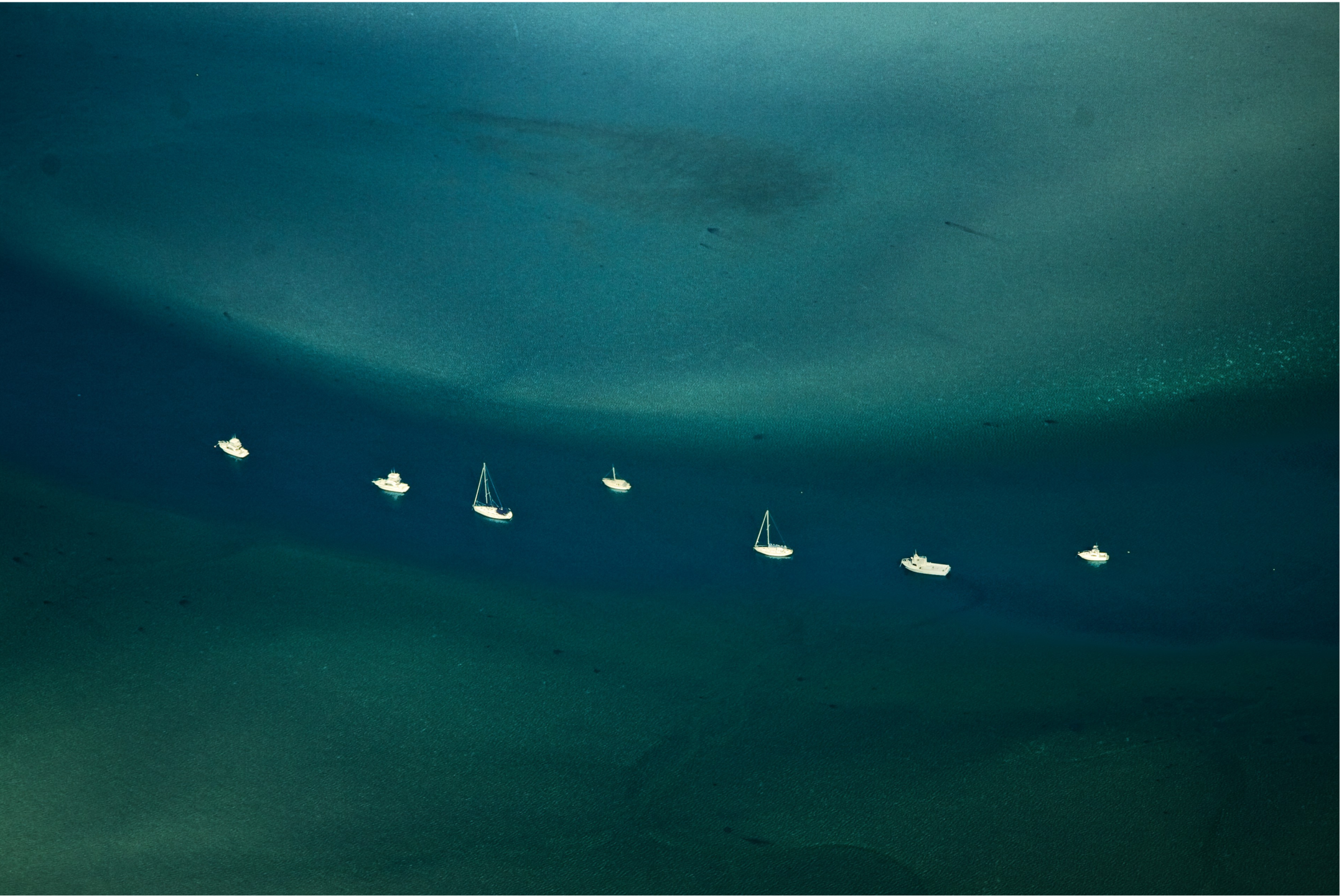
The Law Behind the Luxury
The foundation of that system dates back to the Law of 9 November 1990, which created Luxembourg’s public maritime registry despite the country being landlocked. The legislation established the legal basis for Luxembourg’s flag, maritime mortgages and vessel registration procedures through the creation of a public shipping register.
According to the Luxembourg Maritime Administration, Luxembourg counted 196 registered vessels as of 30 August 2024, representing 1,401,810 gross tons. Still, Luxembourg’s growing role in the yacht industry lies less in the vessels themselves than in the invisible financial and legal structures surrounding them.
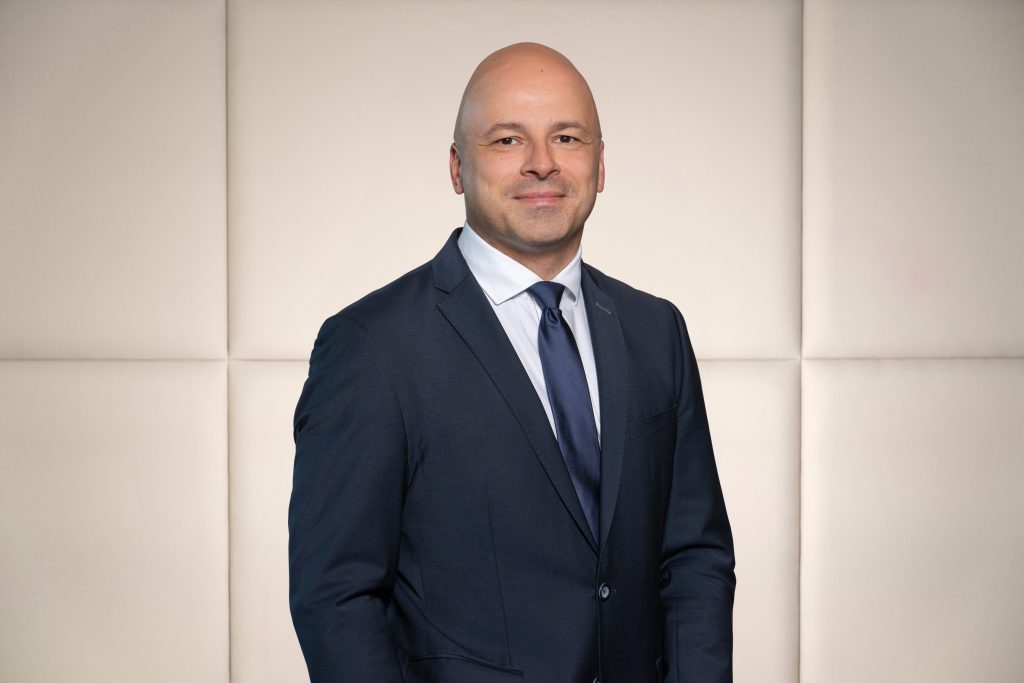
“The yacht is not always registered in Luxembourg, but the SPV owning the yacht is incorporated in Luxembourg,” said Grégory Minne, Partner at Arendt & Medernach.
That distinction is central to Luxembourg’s role in the superyacht industry. Ultra-high-net-worth individuals rarely own yachts directly. Instead, ownership is typically routed through special purpose vehicles, or SPVs, incorporated in stable jurisdictions.
Luxembourg’s appeal lies in the protections it offers lenders and investors through corporate law and financial collateral legislation. “What’s interesting for lenders is the regime applicable to financial collateral arrangements. The lender has the ability to enforce its pledge without any need to go to court,” said Minne.
Under Luxembourg law, lenders financing yacht acquisitions can benefit from pledges over the shares of the Luxembourg company owning the vessel, as well as over the cash in bank accounts connected to the yacht’s operation. Those protections remain enforceable even in insolvency proceedings, making Luxembourg attractive for cross-border financing deals.
The legal framework has become one of the country’s strongest selling points. Luxembourg’s financial collateral law is widely regarded as one of the most creditor-friendly regimes, not only within the European Union but also in a broader international context.
Secrecy to Stability
The attraction is not purely financial. Reputation now plays a major role in where wealthy families choose to structure assets.
“I would also add that the question of reputation is very important. Ultra-high-net-worth individuals are trying to do everything to be compliant on the international level and to structure within jurisdictions that are acceptable from a compliance perspective and from a stability perspective,” said Max Kremer, Partner at Arendt & Medernach.

That reflects a broader shift in global wealth management. Traditional offshore jurisdictions increasingly face scrutiny from regulators and tax authorities. In response, wealthy families are moving toward jurisdictions viewed as politically stable, legally predictable and internationally compliant.
“Nowadays, it’s all about being compliant and transparent, you don’t go anywhere anymore to hide something,” said Kremer. Luxembourg’s triple-A credit rating, political stability and central position within the European Union have reinforced that image.
The ecosystem supporting these transactions has expanded accordingly. While only a limited number of Luxembourg-based private banks are directly involved in yacht financing, institutions and international private banking divisions increasingly use yacht financing as part of broader wealth-management relationships.
“These services are usually a way to develop the relationship with private clients,” said Minne.
The growth of family offices in Luxembourg is also accelerating demand for the structuring of luxury assets including yachts, helicopters and private jets. “Luxembourg is playing a bigger and bigger role on the international level for ultra-high-net-worth individuals. There are more and more families using Luxembourg not only to structure their wealth but also to establish their family offices,” said Kremer.
Luxembourg’s Invisible Maritime Economy
Wealthy families are increasingly relocating parts of their operations and assets to politically stable jurisdictions amid geopolitical uncertainty in Europe, Latin America and North America. “We see clients from Europe where there is a certain degree of instability, but also from Latin America, the United States, the Middle East and Asia,” said Kremer.
In many cases, Luxembourg structures are used not for aggressive tax planning, but for investment protection and legal coordination across multiple jurisdictions.
“We are a small but highly dynamic country, so every day we are involved in cross-border transactions, we know how to coordinate with insurance companies in the UK, yacht builders in Italy and other international stakeholders,” said Minne.
Luxembourg’s maritime registry itself remains only one piece of a much larger system. The Law of 23 September 1997 regulating pleasure navigation established a dedicated legal framework for pleasure craft and commercial yachts. More recently, reforms adopted in 2024 modernised administrative procedures linked to maritime registration and financing structures.
Still, many yachts linked to Luxembourg structures ultimately sail under foreign flags. Owners often register vessels in jurisdictions connected to the shipbuilder or operational base while keeping the ownership company in Luxembourg.
The yacht may be built in Italy, insured in London, docked in Monaco and financed through a Luxembourg company. What Luxembourg exports is not maritime territory, but legal and financial infrastructure. “There are multiple parties who benefit from the fact that this activity is carried out in Luxembourg,” said Minne.
As global wealth becomes more mobile and internationalised, Luxembourg has carved out a discreet but increasingly influential position in the world of superyachts.
This article was published in the 10th edition of Forbes Luxembourg.
Read more articles:
Beyond The Plate: Luxembourg’s Most Celebrated Chefs Speak