

Luxembourg’s competitiveness isn’t just about tax or cost, it’s built on stability, innovation, and a unique European ecosystem. Minister Lex Delles revealed how social peace, talent, and agility are shaping its future.
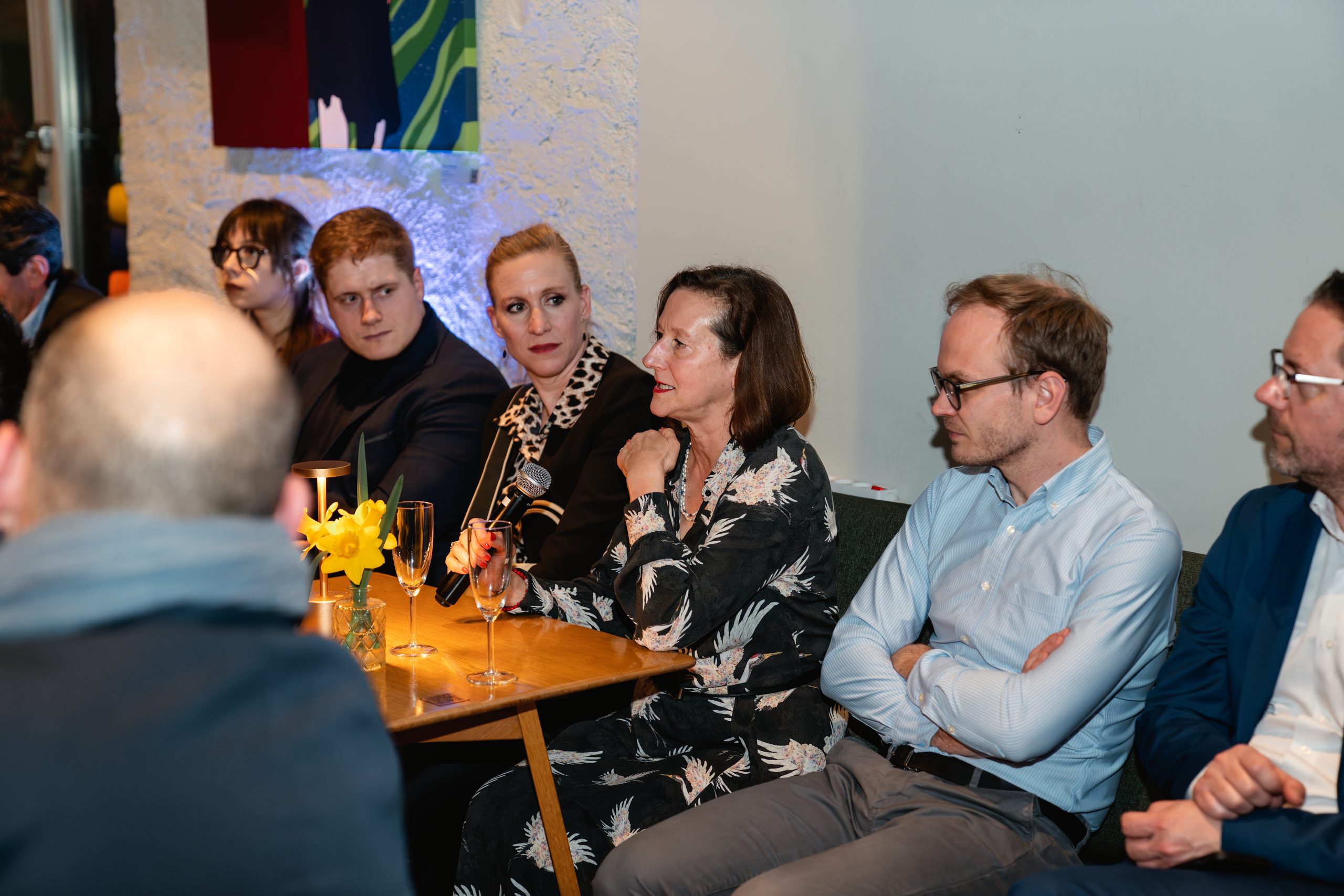
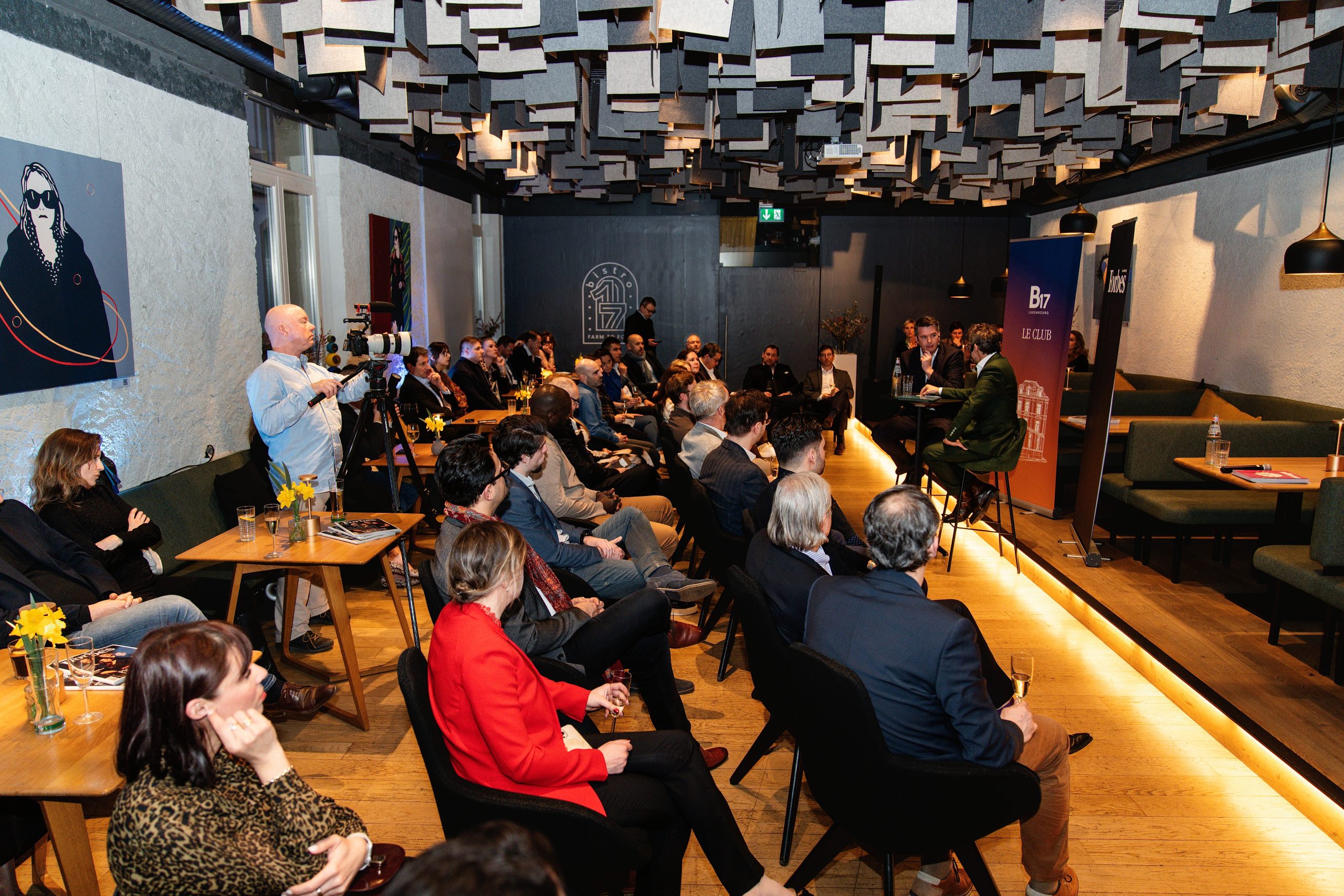
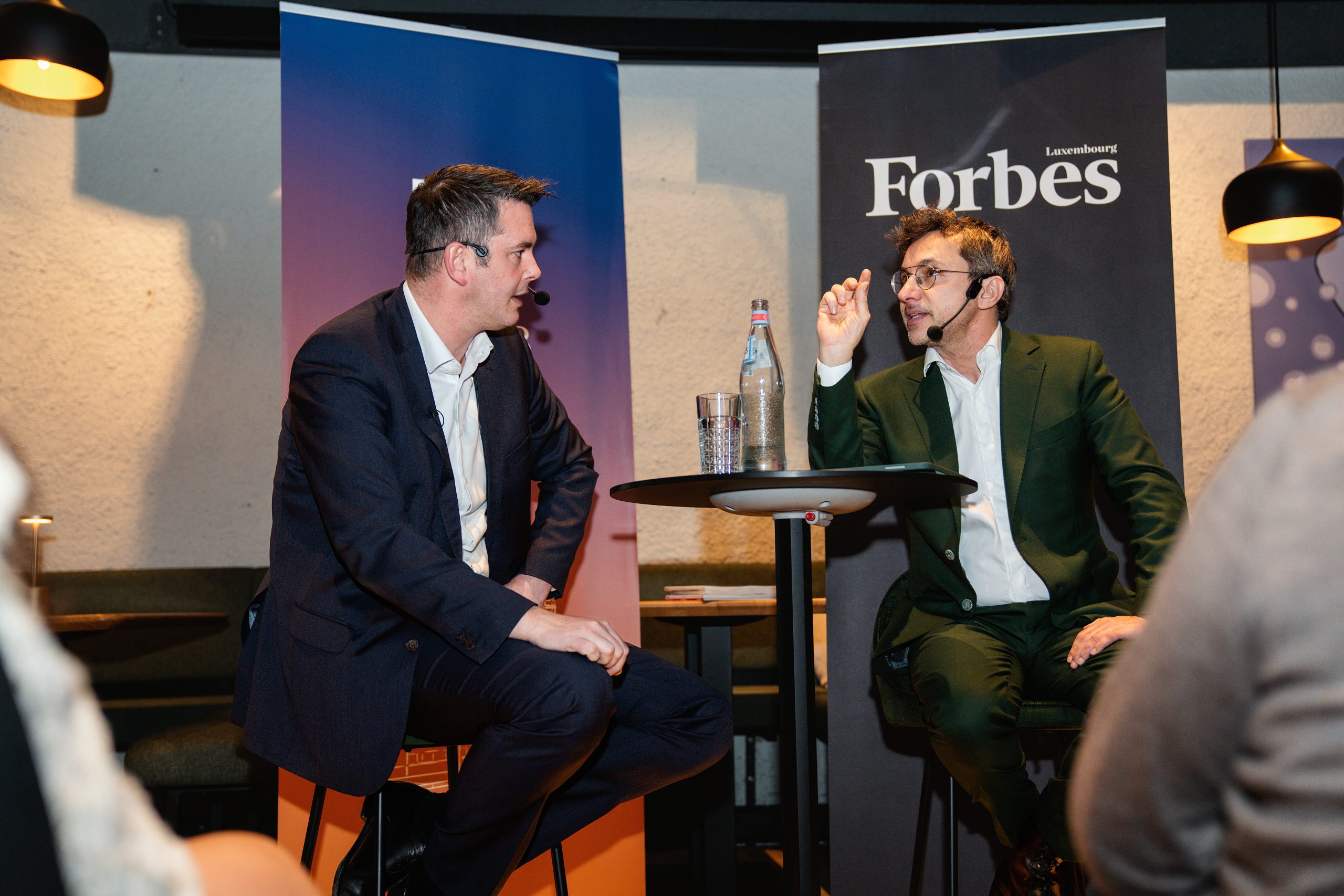
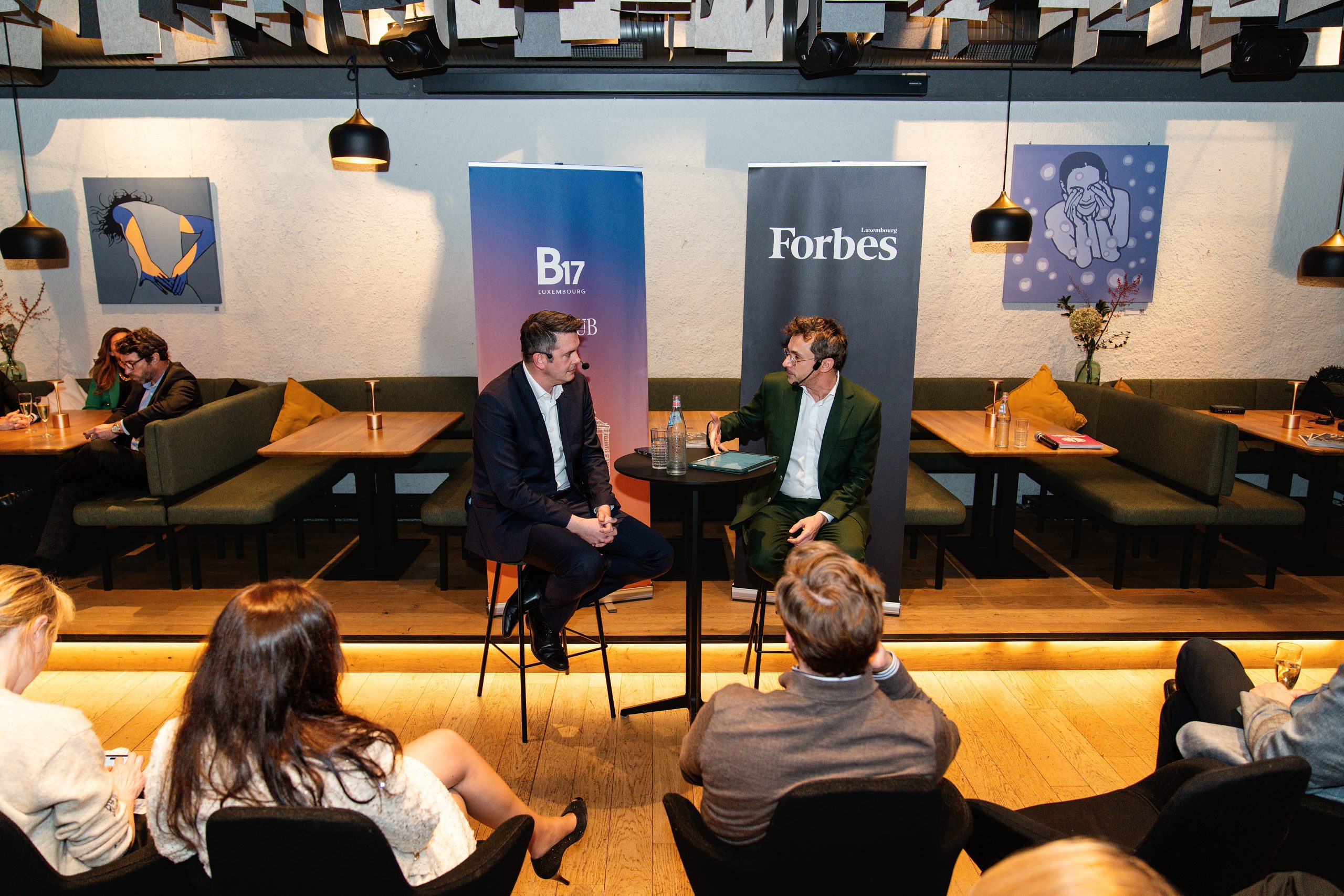
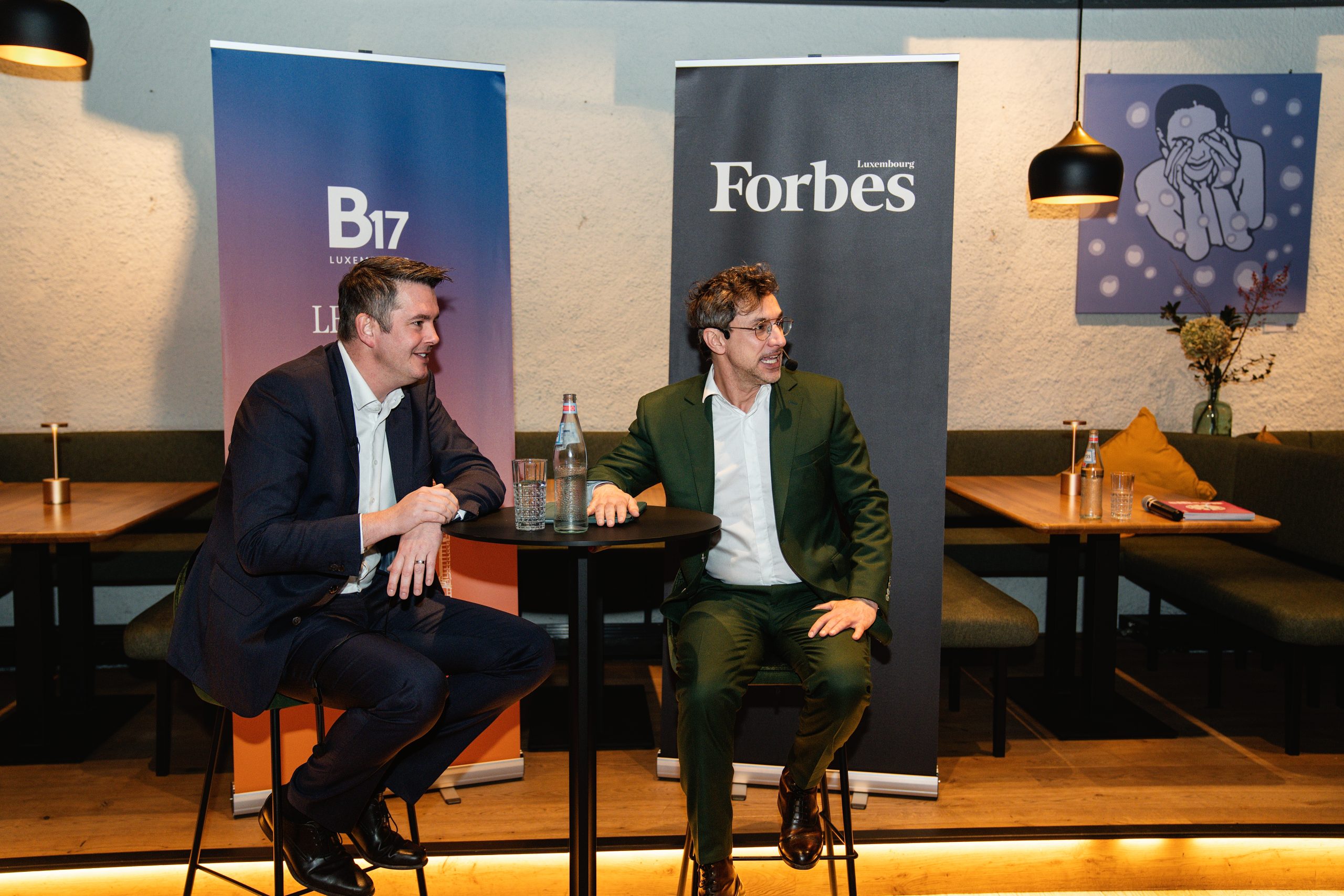
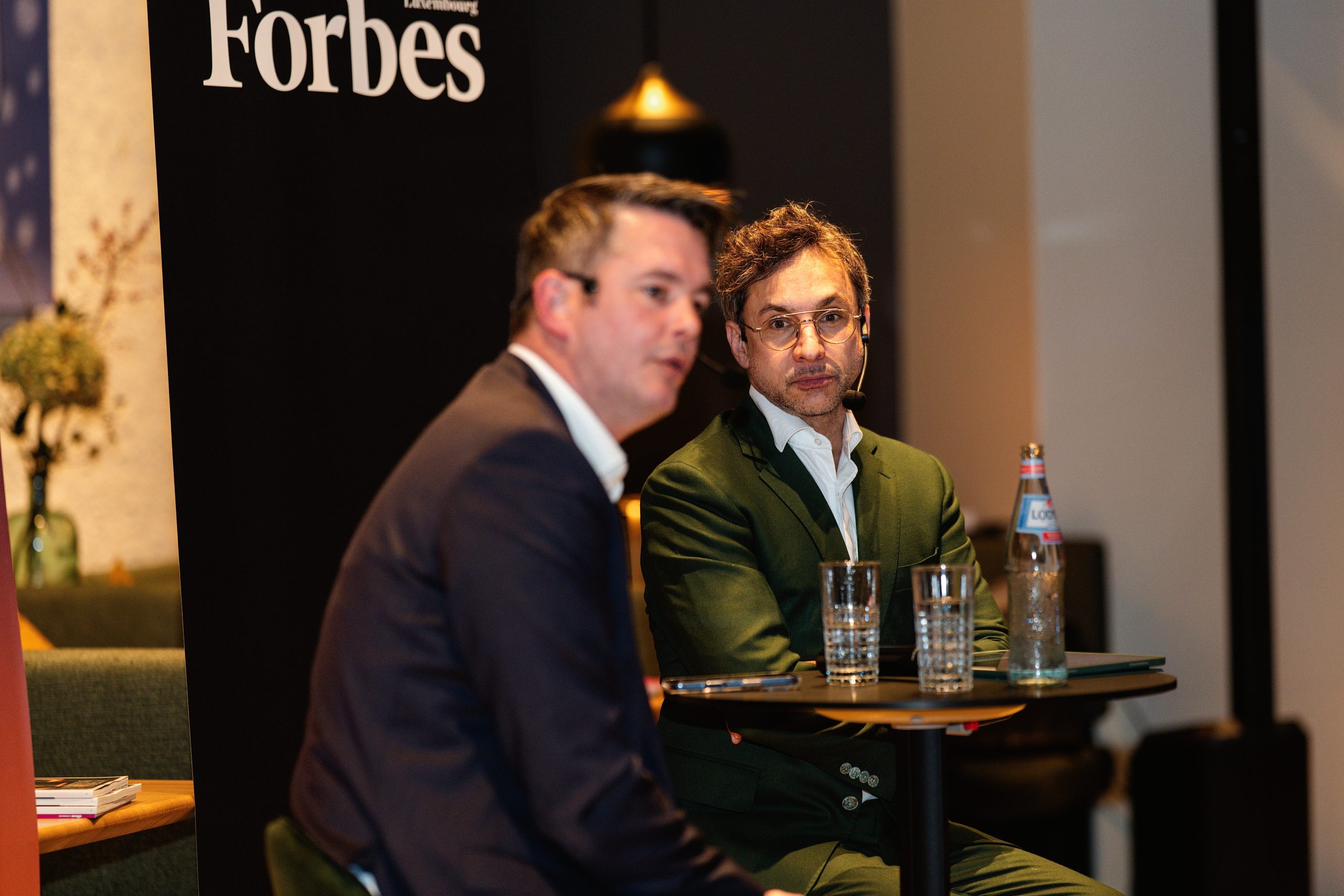
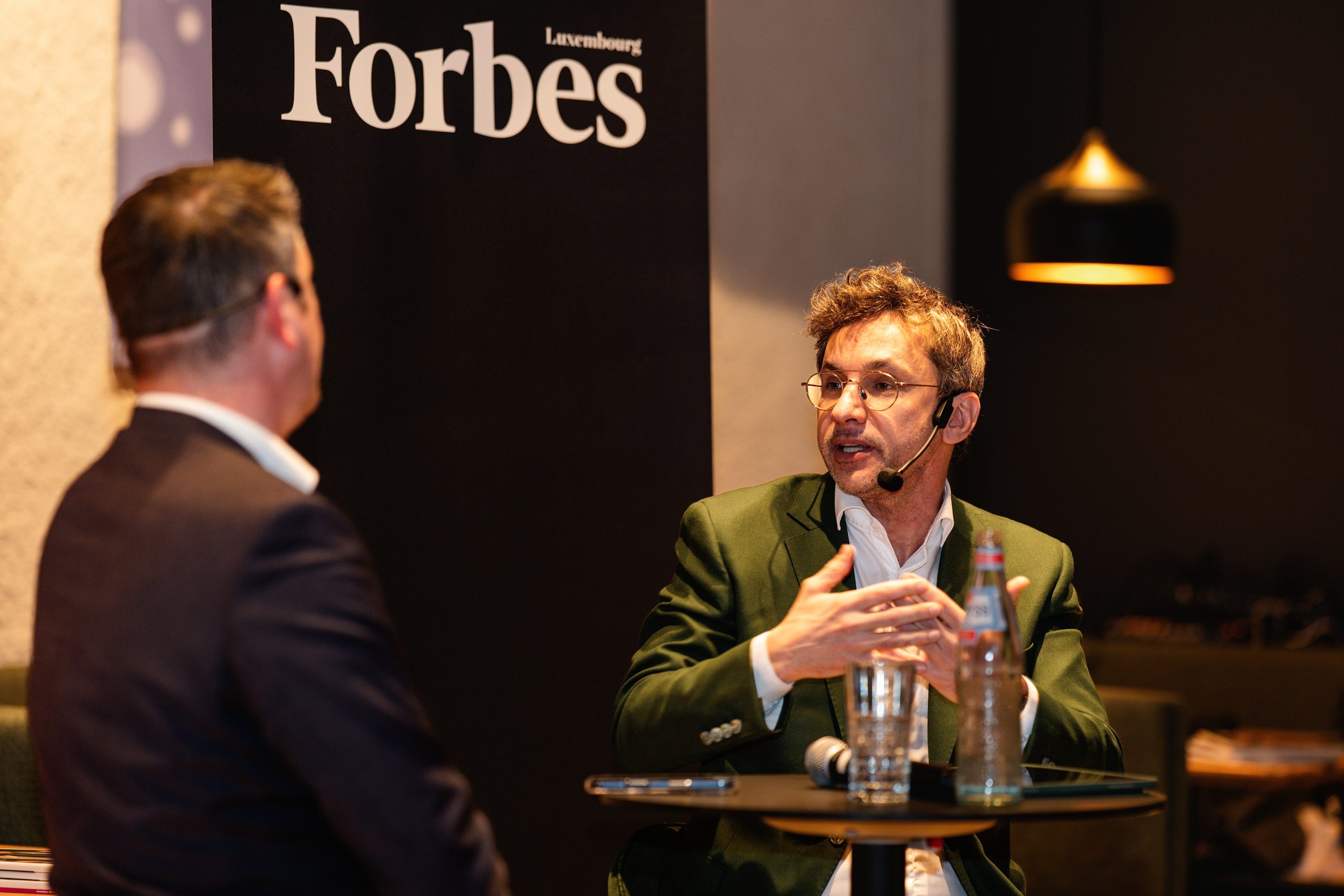
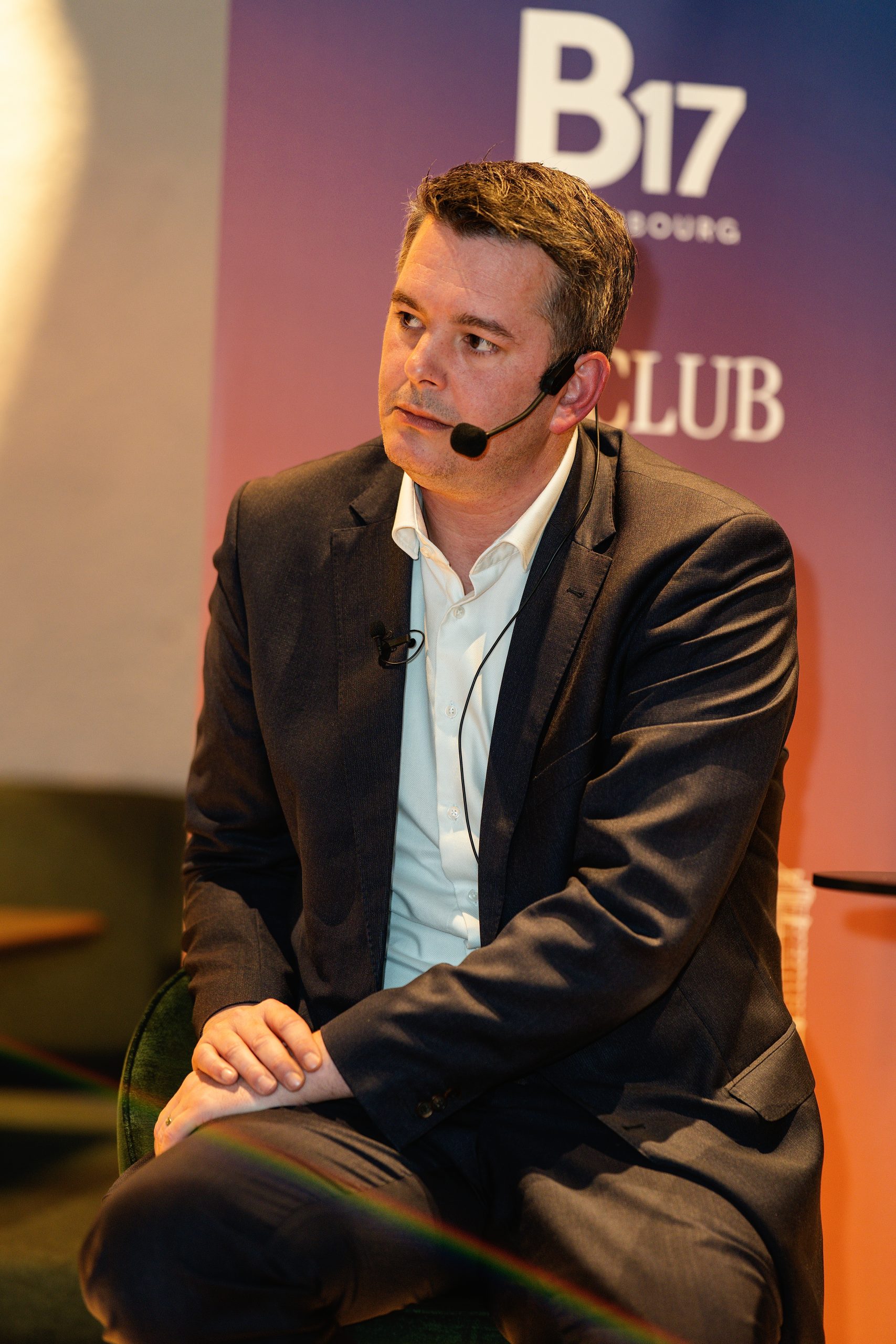
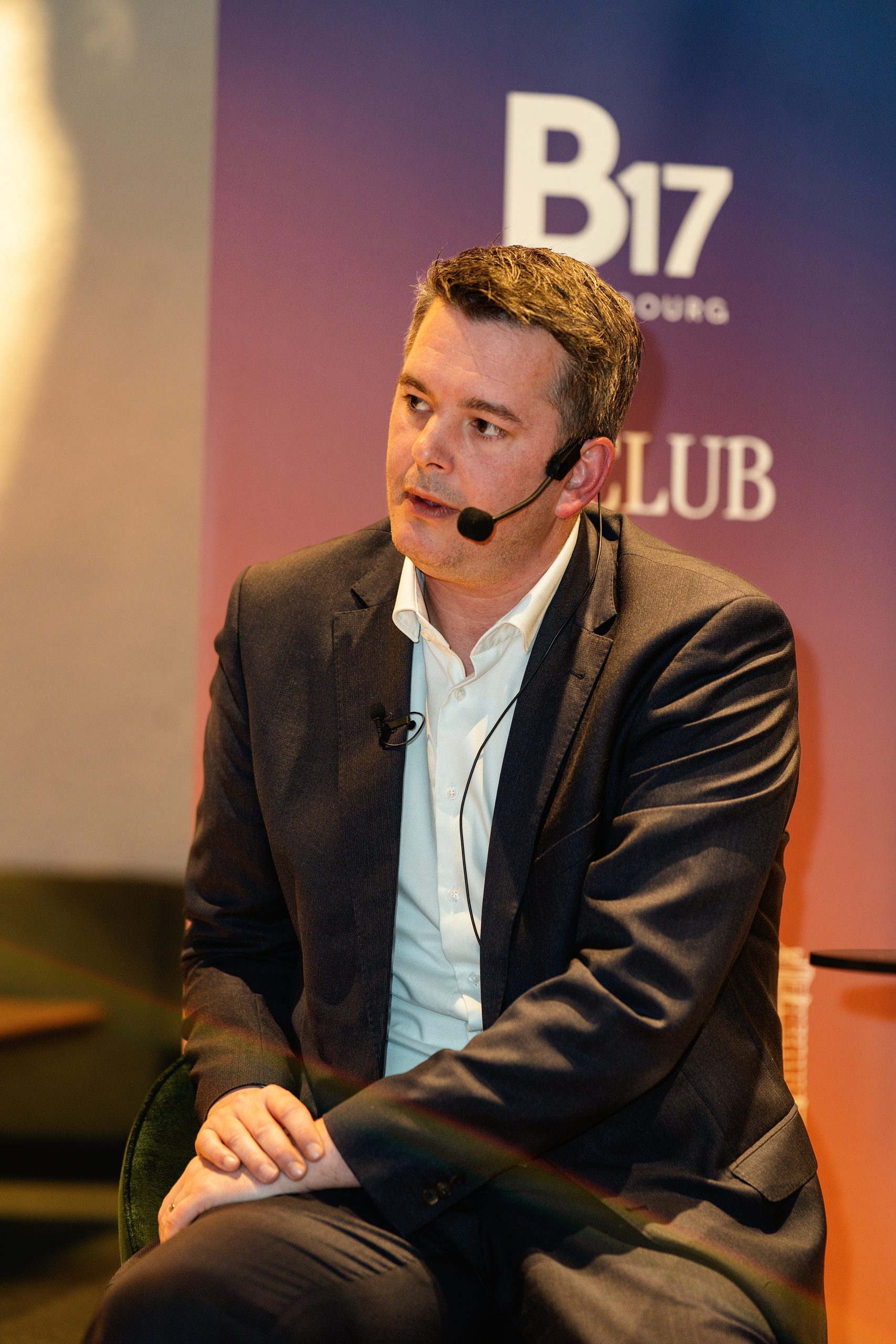
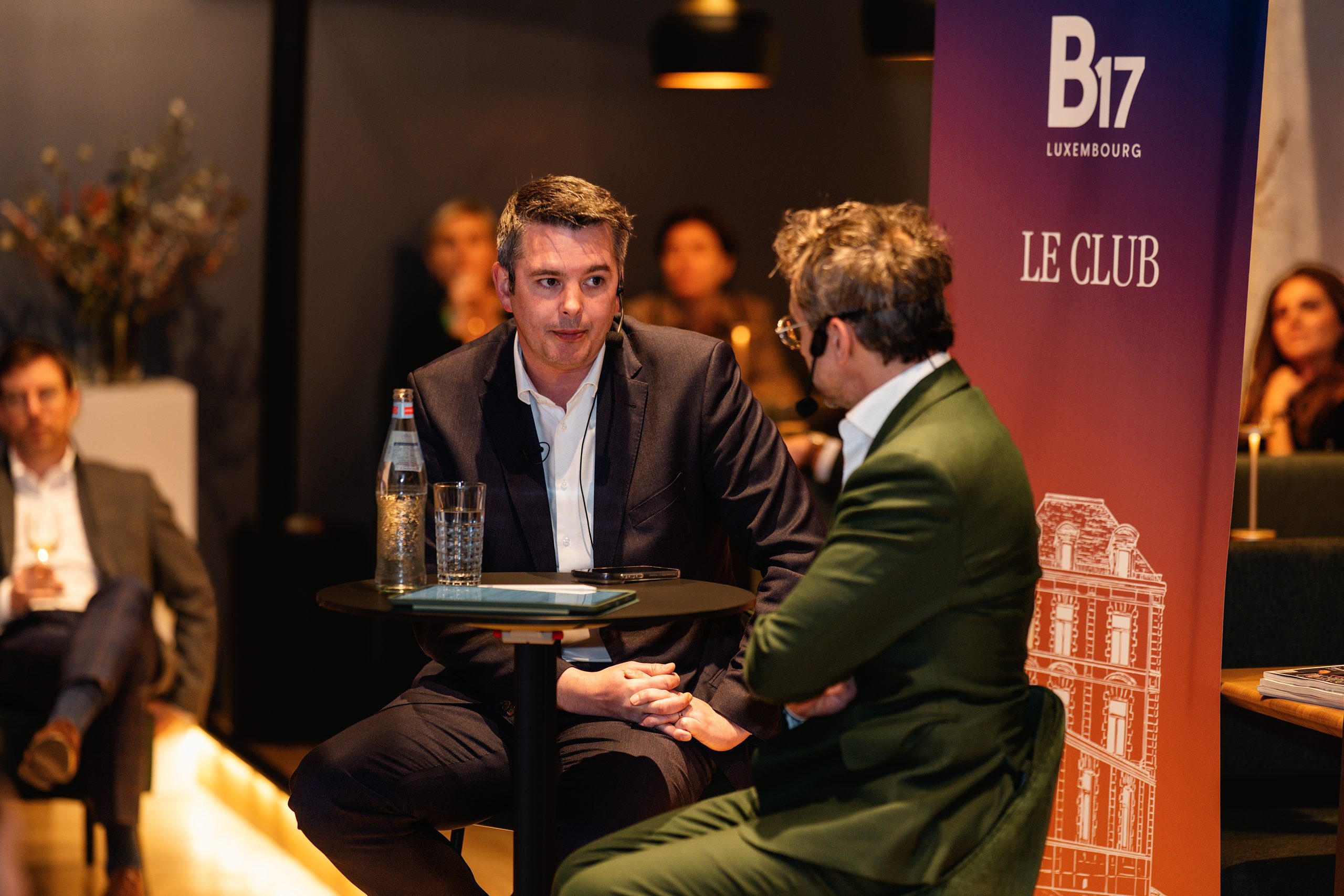
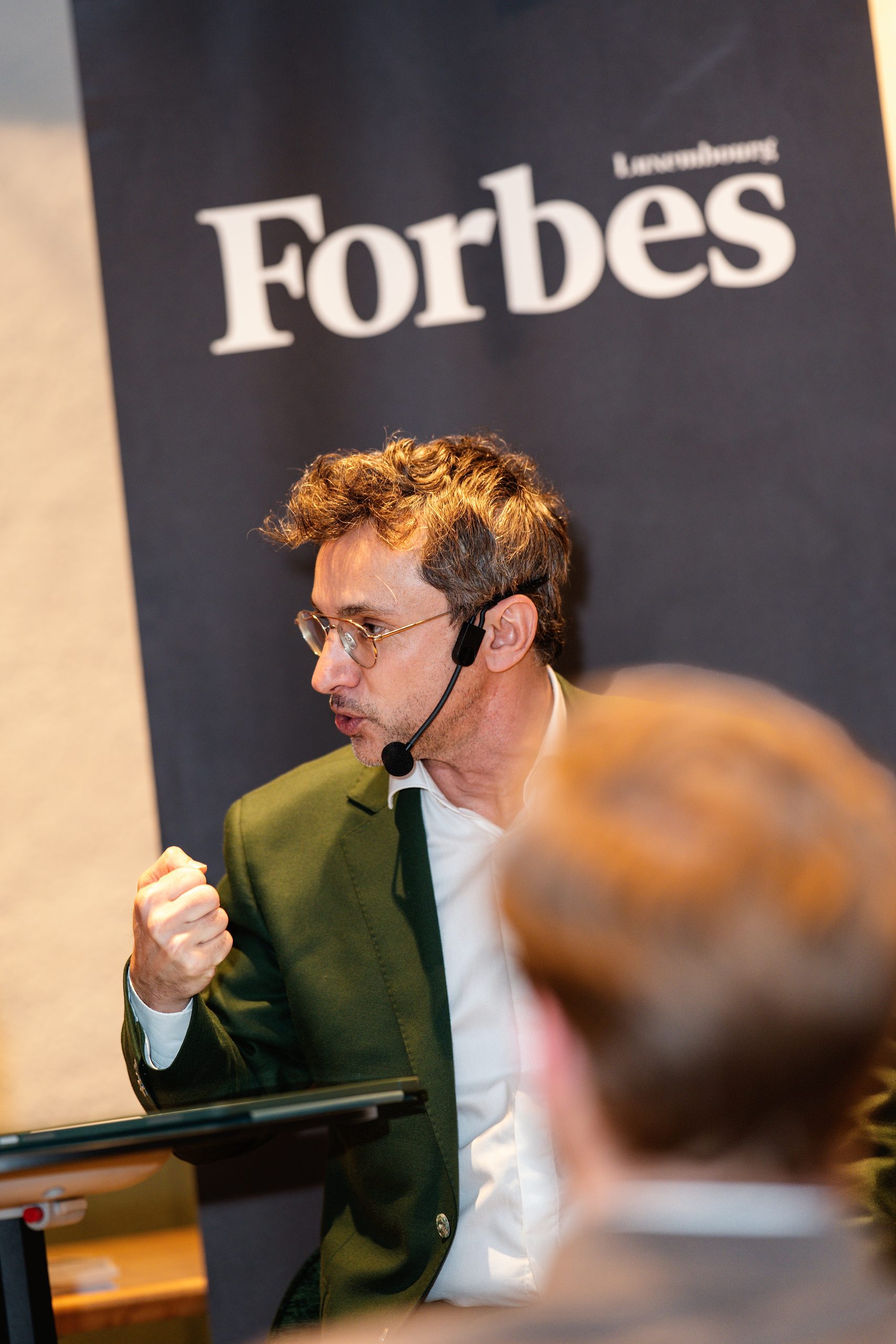
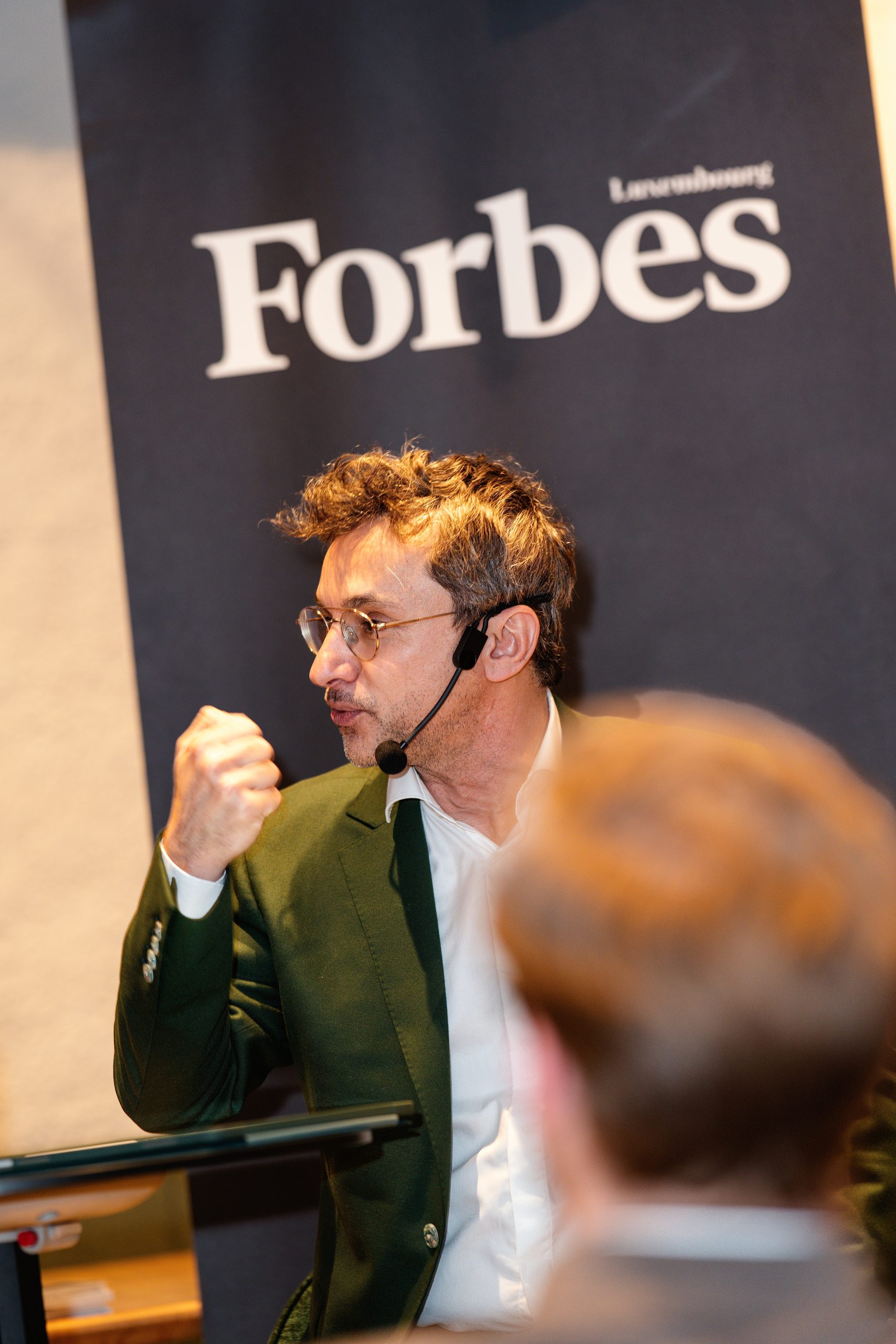
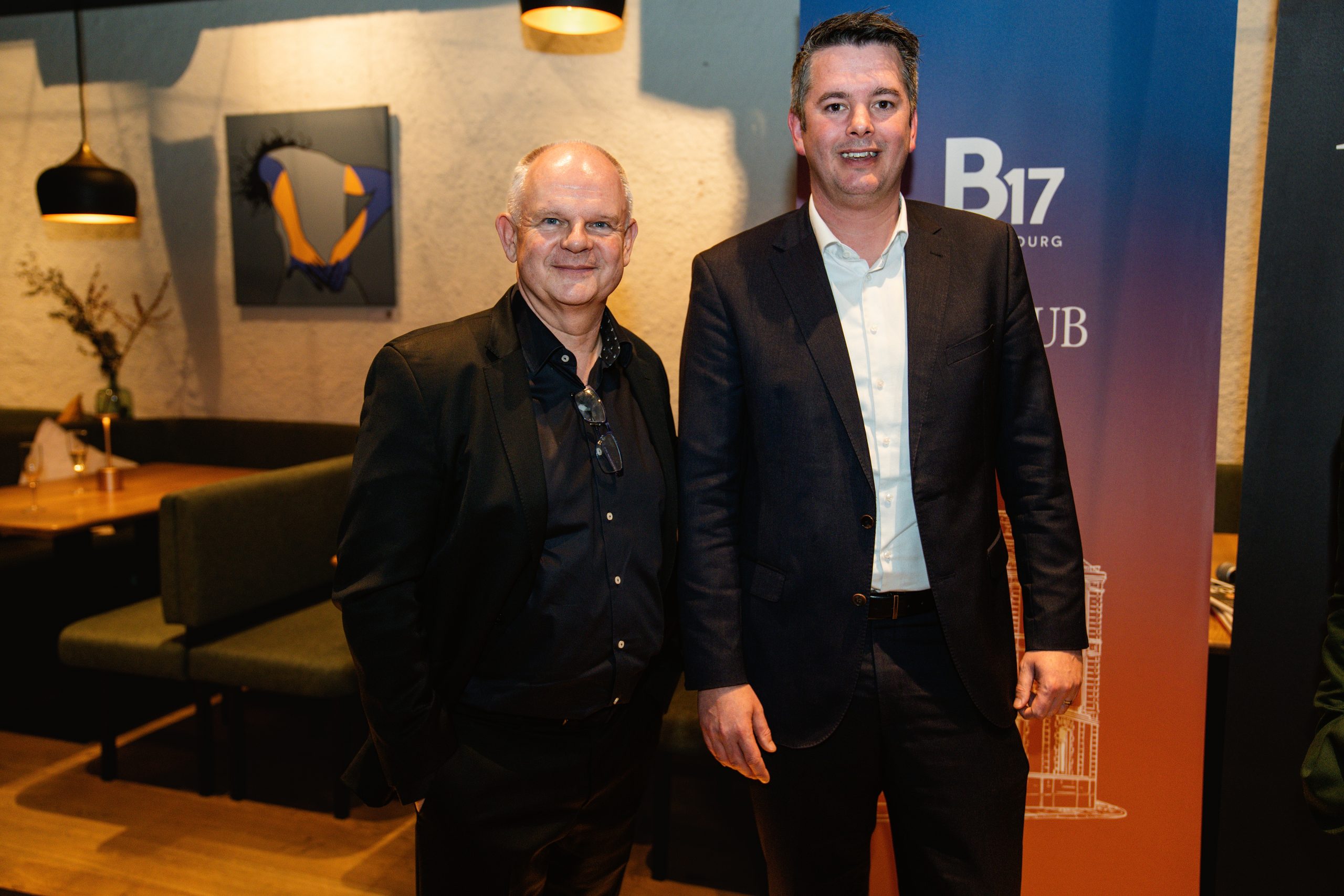
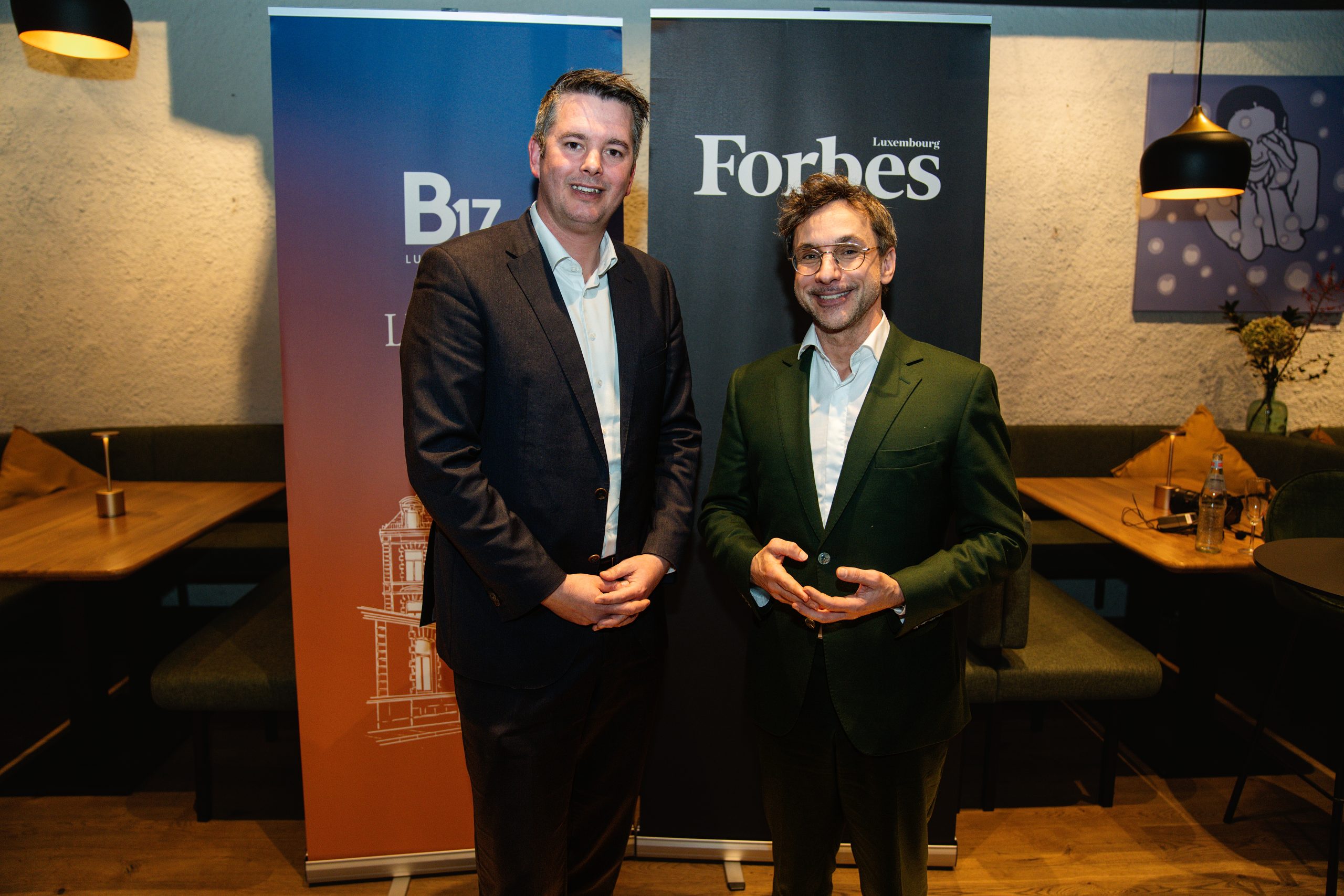
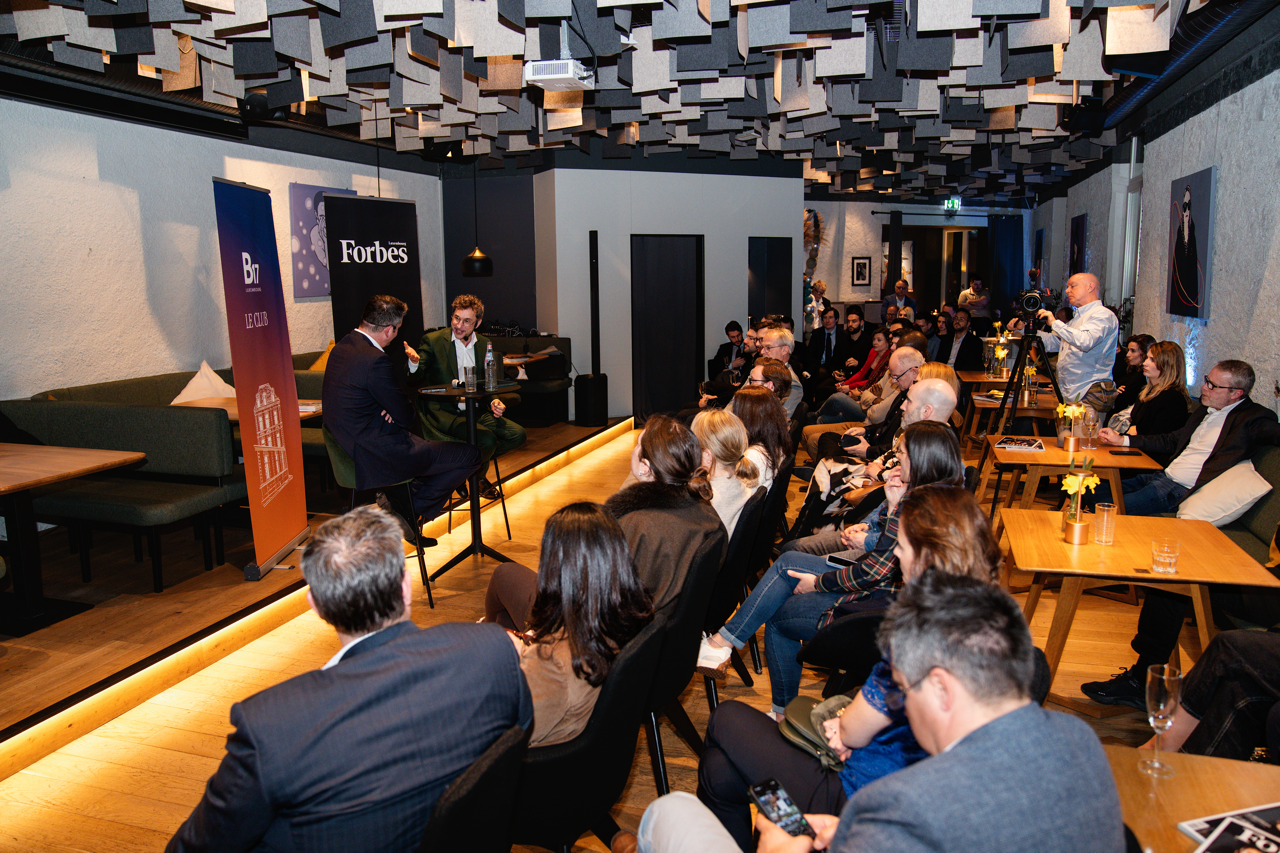
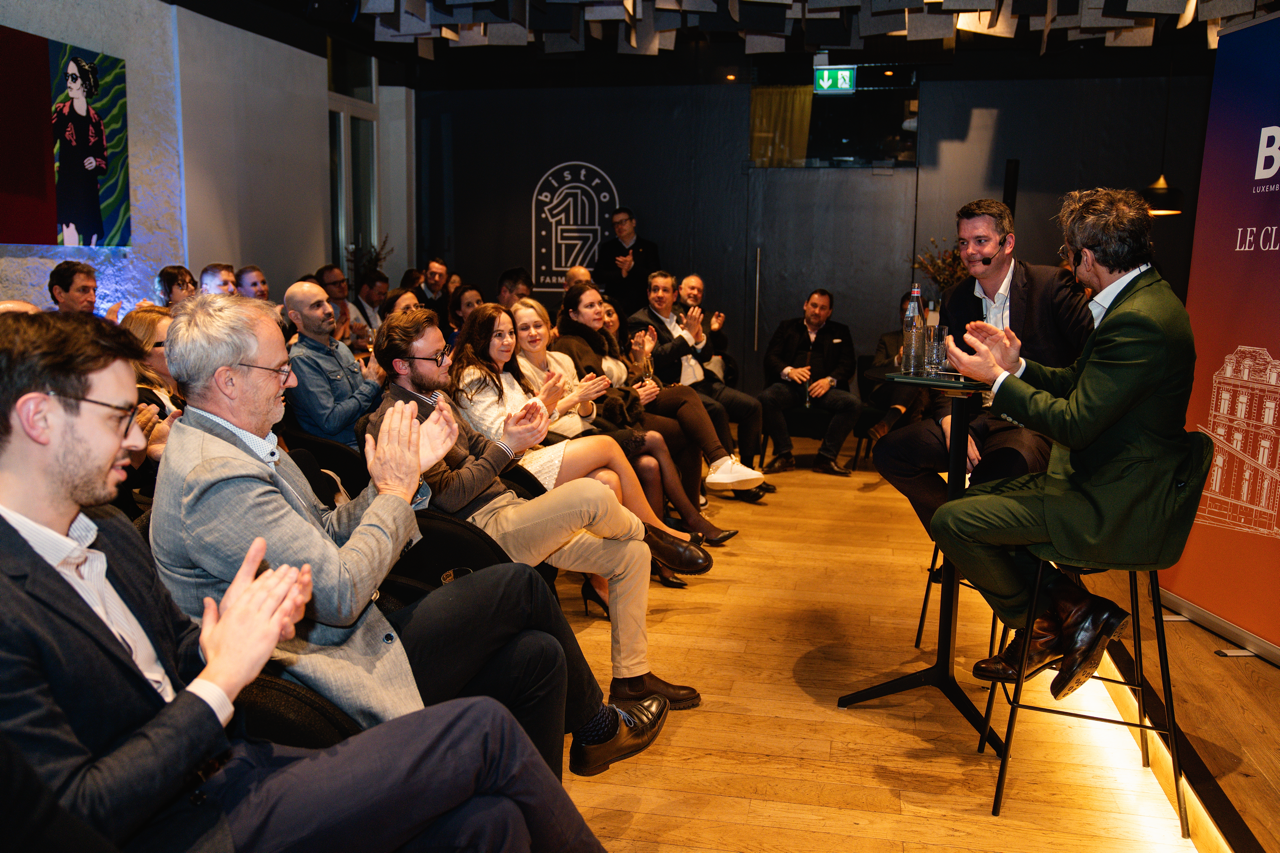
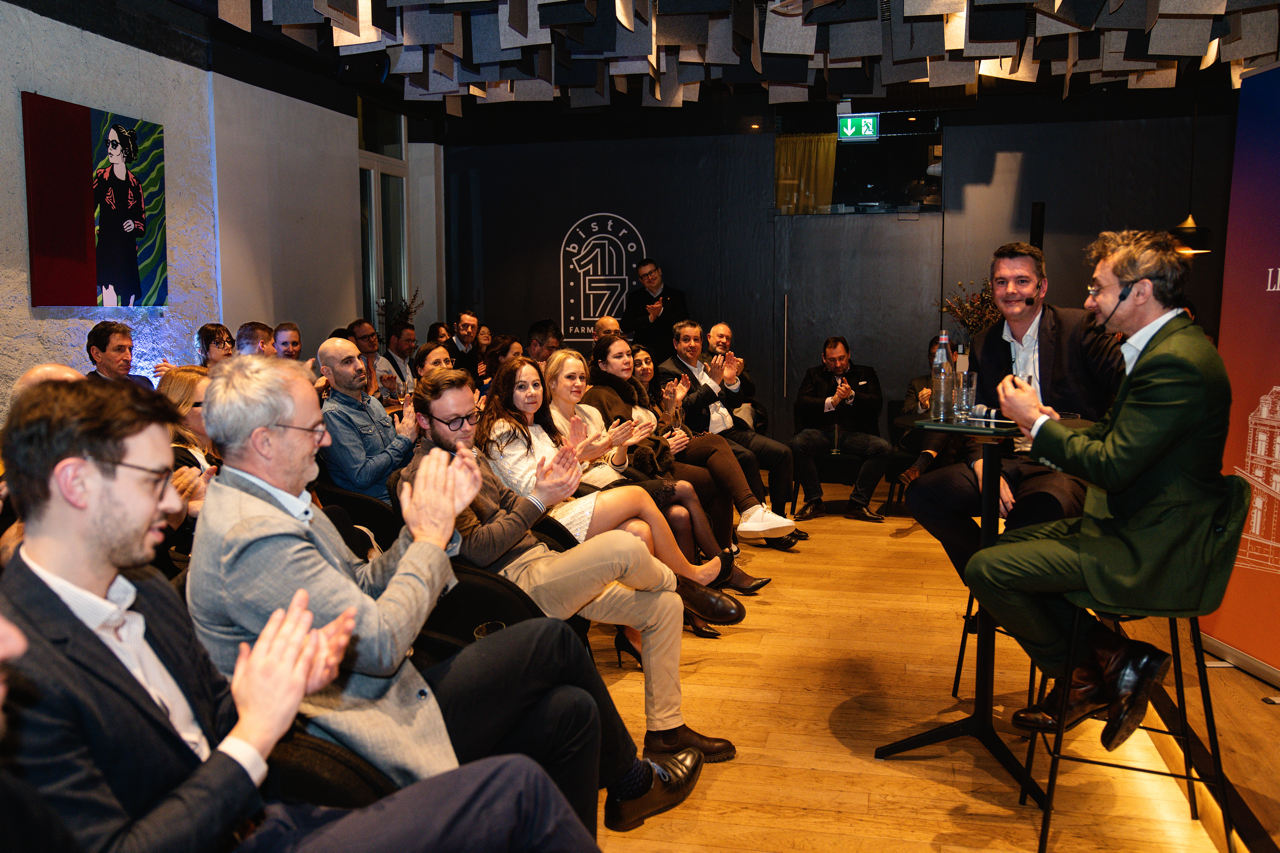
A guest on the Talk B17 x Forbes programme on Wednesday, March 11, 2026, devoted to the competitiveness of Luxembourg companies, Lex Delles defended a broad, structured, and resolutely European reading of the subject. During the discussion led by Forbes Luxembourg CEO Pierre-Yves Lanneau Saint Léger, the Minister of the Economy, SMEs, Energy and Tourism outlined a vision of competitiveness that is reduced neither to cost, nor taxation, nor mere attractiveness. His remarks unfolded in successive circles: Europe first, with the single market as the primary lever; then Luxembourg, with its concrete conditions for stability and development; and finally more operational tools, designed to save time, streamline procedures, and strengthen companies’ ability to act.
From the very beginning of the talk, the central point was clearly established. Asked what Luxembourg’s main battle around the European table is today, Lex Delles answered without hesitation: “The single market. It is always everything that revolves around the single market.” In his remarks, the single market does not appear as a general principle, but as a direct condition for Europe’s ability to carry weight against the United States and Asia. For a country like Luxembourg, whose economy is by nature based on openness, the issue is all the more tangible.
The minister spoke at length about the obstacles still present within the European space itself: territorial supply restrictions, regulatory barriers, differences in implementation, posting-of-workers conditions, recognition of diplomas, and constraints specific to certain professions or markets. He also pointed out that, when considered up close, positions are often more complex than they seem. “Everyone supports the single market in principle. In its implementation, the balances remain more delicate to build. Luxembourg advocates genuine openness, while also dealing with the limits, precautions, and trade-offs imposed by a small national market,” Delles further explained.
Competitiveness Based on Several Levers
As the discussion progressed, competitiveness took on a more concrete shape. Lex Delles notably listed the ingredients he considers decisive for Luxembourg, starting with innovation, but also talent, the ability to adapt measures to the real needs of businesses, speed of implementation, as well as one element he regards as underestimated yet decisive: “social peace.” The term came up again as a structural advantage of the country: it is not merely a generally favourable climate, but rather a form of stability that is clearly legible to companies that invest, produce, and plan for the long term.
To this social peace is added another word, also central to his remarks: predictability. “When I talk with companies abroad, it is a very important point,” Lex Delles stressed. When referring to the sectors Luxembourg supports over the long term, from space to automotive, including artificial intelligence and quantum computing, the minister defended less a logic of announcements than one of continuity. He recalled that space has been supported “since the 1980s” by successive governments and that the automotive sector has been developing in the country “since the 1960s.” In his view, this consistency directly matters in the decision to invest: companies know that in Luxembourg, “there are no radical changes as in other countries.”
This was also an idea that runs through his response on attractiveness: the minister did not speak about attracting foreign companies indiscriminately. On the contrary, he insisted on the absolute necessity of attracting companies that fit into an ecosystem already under construction or consolidation. Hence the investments in Meluxina AI, in Meluxina Q, and in sectors related to data, space, autonomous driving, and post-quantum technologies. The reasoning is clear: a company only settles sustainably where it finds skills, partners, infrastructure, and a credible trajectory.
The issue of talent occupied an equally important place in the discussion. Lex Delles took care to broaden the term. “When we talk about talent, we are not talking only about the expert in quantum computing,” he said. “Electricians and body repair technicians are also professions facing severe shortages.” In his view, the issue therefore plays out on several levels. “First, education,” he says, referring to the need to “train these talents ourselves in the country.” Then comes “retention, because many talents come to Luxembourg for one or two years, then leave again.” The minister finally stressed the very concrete needs of businesses: “If we want to give our companies the opportunity to innovate and do research, we also need to find the people who can do it.”
The discussion then naturally shifted toward one of the most sensitive points in this equation: housing. Here again, Lex Delles responded very directly. “If housing is so expensive, that puts a brake on attractiveness,” he acknowledged. His response remained pragmatic: “the only answer is to build more quickly, but also to develop other housing solutions.” In the same breath, he mentioned the opening of state aid for companies that want to develop housing, as well as certain temporary solutions in business zones to accommodate, at the outset, people arriving in Luxembourg for a few months. Behind the word competitiveness, what emerges are indeed conditions of settlement, life, and work.
Measuring, Simplifying, Accelerating
As the discussion moved forward, the question of competitiveness shifted toward much more concrete management issues. Asked about administrative simplification, a topic that had come up repeatedly in exchanges with business leaders, the minister claimed a method based on the needs expressed by companies. “We started directly with the Chamber of Commerce, the Chamber of Skilled Trades and Crafts, all the federations, to look at what simplification actually is” and to ask for “concrete examples of where simplification is possible.” He cited “186 measures” under discussion, including “40 already implemented.” Among the tools mentioned, he emphasised the “once only” principle, which allows the administration, with the company’s consent, to retrieve certain documents itself, but also the rule that “silence means consent: if you do not receive a response within one month, you automatically have the authorisation.”
The same pragmatic logic ran through his remarks on the SME Packages, which he presented as a very direct response to the needs of SMEs. “An SME where the manager already has their head down in day-to-day operations does not need a 360-degree analysis of its digital maturity. It needs a pragmatic, easy, ready-to-use answer.” The minister emphasised that many small structures have neither the time nor the resources to transform their tools or processes on their own. The SME Packages were designed precisely for that: support for investments ranging from €3,000 to €22,000, with 70% public funding, in areas such as digitalisation, cybersecurity, artificial intelligence, sustainability, and services. Here too, Delles brought the subject back to something very concrete. A poorly equipped company does not need an expert to come and point out how far behind it is, but an immediately operational solution. “It needs a person who comes with a computer, with a programme that works, who implements it in the company and explains how to use it.”
The same logic applies to artificial intelligence. “Many companies still think that AI is ChatGPT or super-expensive custom adaptations. No. There are turnkey solutions.” What the minister was defending was a form of competitiveness that also depends on the rapid adoption of simple, useful tools that can be activated directly in companies’ day-to-day operations. The issue is not only about investing in strategic infrastructure or positioning the country in future-oriented sectors. It is also about enabling every link in the economy, including the smallest structures, to gain in efficiency and adaptability.
The end of the discussion finally brought the conversation back to a question of measurement. Invited to think in terms of dashboards and monitoring indicators, Lex Delles first distanced himself from an overly mechanical reading of public action. “Politics does not work with KPIs,” he replied, recalling that an energy crisis, geopolitical tension, or a sudden shift in markets can change priorities. He did not, however, reject all monitoring logic. When asked to name the point he is currently watching most closely in the functioning of the ministry, his answer immediately became very concrete: “For the moment, the one I am looking at most is the payment time for state aid.”




























Read more articles:
Fedil Rings Alarm On European Industry
Earnings Growth Expected To Rise In 2026, Says EFG Chief Investment Officer
