
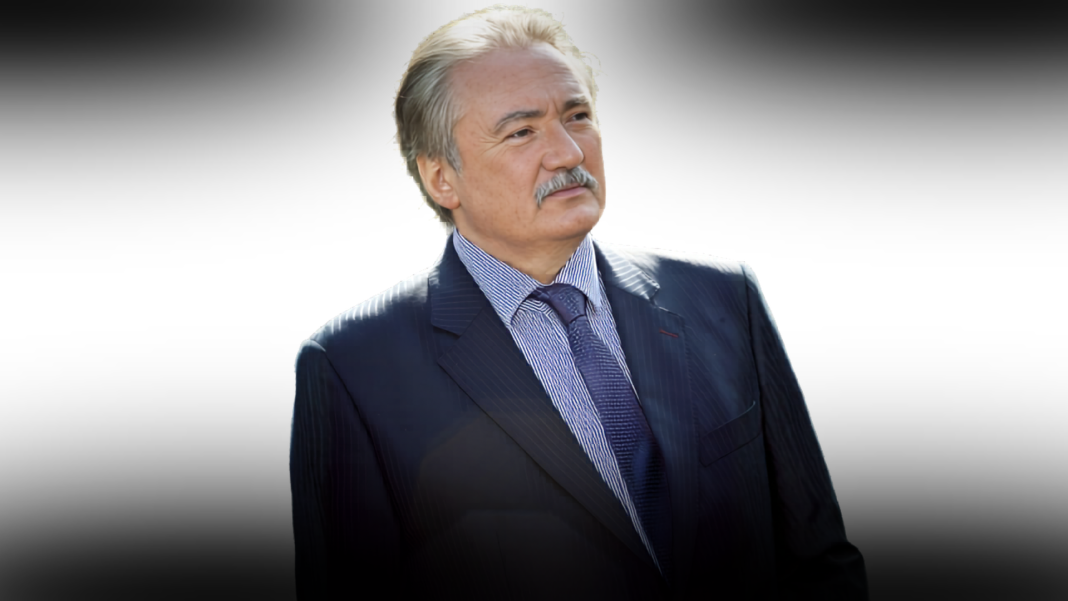
A discreet figure on the European industrial landscape, Bernard Serin has supported several major transformations, from steelmaking to contemporary engineering platforms. A career shaped by structuring and governance.
Bernard Serin’s story unfolds over several decades and across multiple borders. Originally from Hérault, in the Occitanie region of France, he grew up in Moselle and trained at ESPCI ParisTech, graduating as an engineer in 1975. He entered the world of heavy industry at an early stage, beginning his career at Sacilor and then joined the Usinor group, where he notably managed American subsidiaries. This initial phase forged in him a demanding managerial culture, focused on operational performance, mastery of industrial cycles and collective discipline. Serin developed an approach based on processes, indicators and long-term management, and was forced to make sensitive decisions.
In 1993, he took over the management of Sacilor and, by the late 1990s, his profile gradually emerged as that of a leader capable of steering large scale industrial organisations. In 1999, Serin was called upon to lead the Cockerill group in Belgium, a former iron and steel producer that evolved into a global engineering firm.
The John Cockerill pivot
His 2002 acquisition of John Cockerill Group marked a turning point for the entrepreneur. He embarked on a gradual transformation based on financial stabilisation, accountability of local teams and renewed investment in engineering. The group evolved towards an integrated industrial model and accelerated its deployment in Europe, the Middle East and Asia, relying on specialised platforms rather than opportunistic growth. At the head of large international organisations, he asserted his role as an organisational architect, capable of structuring complex ecosystems while maintaining strategic coherence and operational discipline.
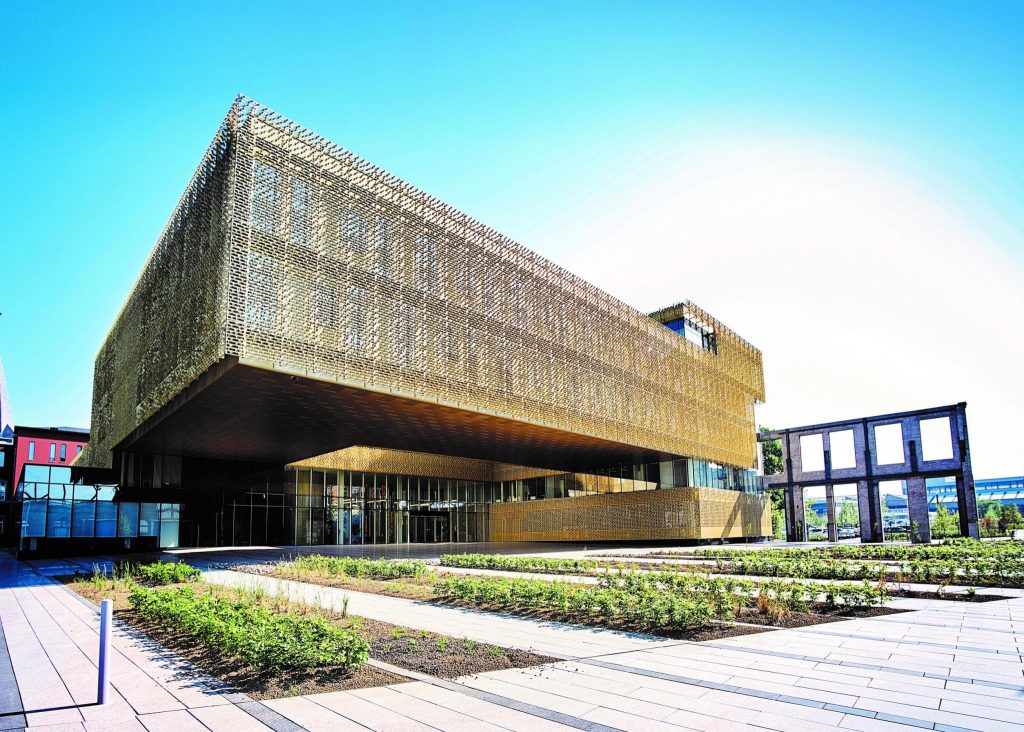
Within this cross border architecture, Luxembourg occupies a central position. The family holding Ebenis, based in the Grand Duchy, became the group’s control vehicle. This choice reflects a desire to professionalise governance and secure capital ownership within a stable legal environment.
“Luxembourg offers a stable environment. For an industrial group operating in several countries, this stability provides a solid strategic foundation,” he says.
Through this structure, Luxembourg established itself as a discreet but strategic decision-making hub, linking Belgian and German industrial activities to a structured European governance focused on the long term.
Networks, discreet influence and the Cercle des Paraiges
Introduced in Belgium to the Cercle des Gaulois, a partner of Luxembourg private members club the Cercle Munster, Serin later chose to create his own business club. In Metz, he founded the Cercle des Paraiges, not as a social club but as an operational relational tool combining a restaurant, membership and professional events. Today, nearly 600 members, including many Luxembourg residents, gravitate around this hybrid hub of economic and entrepreneurial exchanges, in line with his vision of leadership based on useful and sustainable communities.
Institutional leadership and sporting commitment
Bernard Serin’s leadership style is built on an assumed sobriety. He favours stable executive teams, empowering delegation and strategic continuity. Within his organisations, the transmission of knowledge and internal loyalty matter as much as numerical performance.
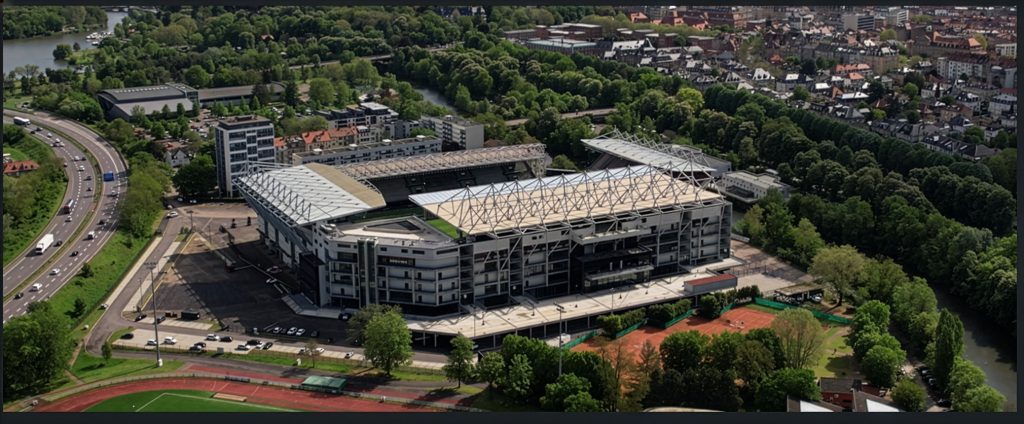
This philosophy is also reflected in his sporting commitment. Having taken a stake in FC Metz in 2006, he became its president in 2009. The club is viewed as a territorial institution and a collective project anchored in the long term, structured, trained and invested in over time rather than aimed at immediate success.
Wine and living heritage
Wine occupies a singular place in Serin’s life, at the intersection of heritage, territorial roots and family transmission. In 2003, together with his sons Emmanuel and Nicolas, he acquired Domaine de la Dourbie, located at the foot of the Larzac plateau in the Hérault valley, a terroir that was then less well known but destined for growing recognition. The estate embarked on a gradual transformation towards precision viticulture, based on distinctive grape varieties and a certified organic approach from 2012 onwards. More than an investment, La Dourbie embodies a long-term patrimonial vision, structuring a living asset, building durable teams and passing on a coherent project to future generations.
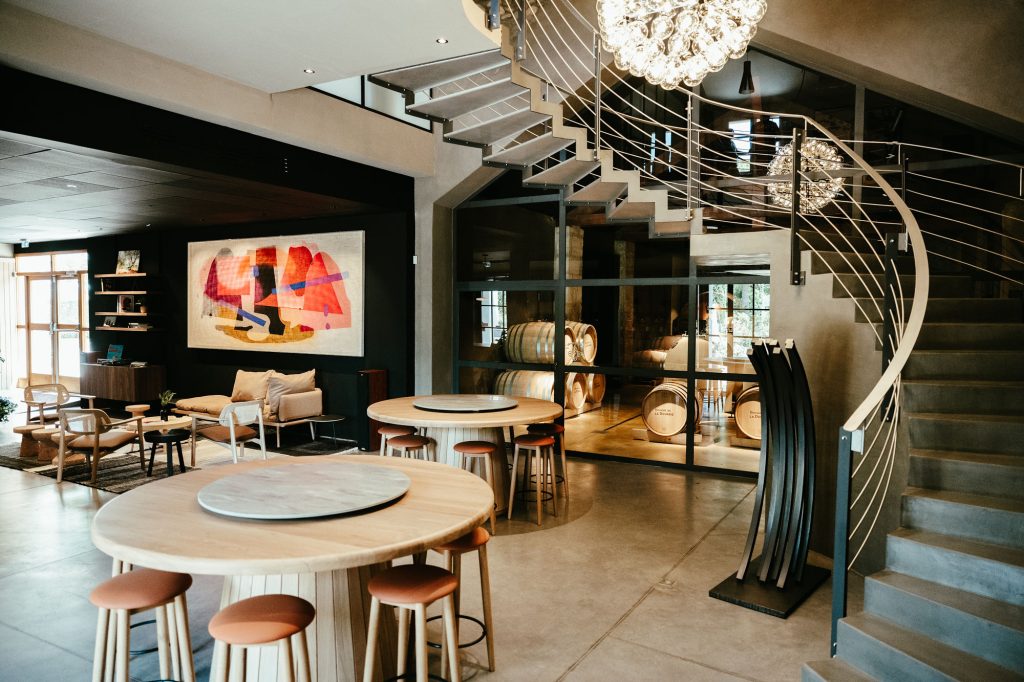
He says: “Wine teaches patience. We plant today for a landscape that will reveal itself in several decades.”
This philosophy continues with Mas Moustache, the estate’s younger sister, established on the volcanic terroirs of Aspiran, in the same region. Conceived as a freer and more creative laboratory, the project champions organic, sun-filled and accessible wines that combine character and simplicity, and completes the family’s wine making ecosystem with a more contemporary and joyful expression of terroir.
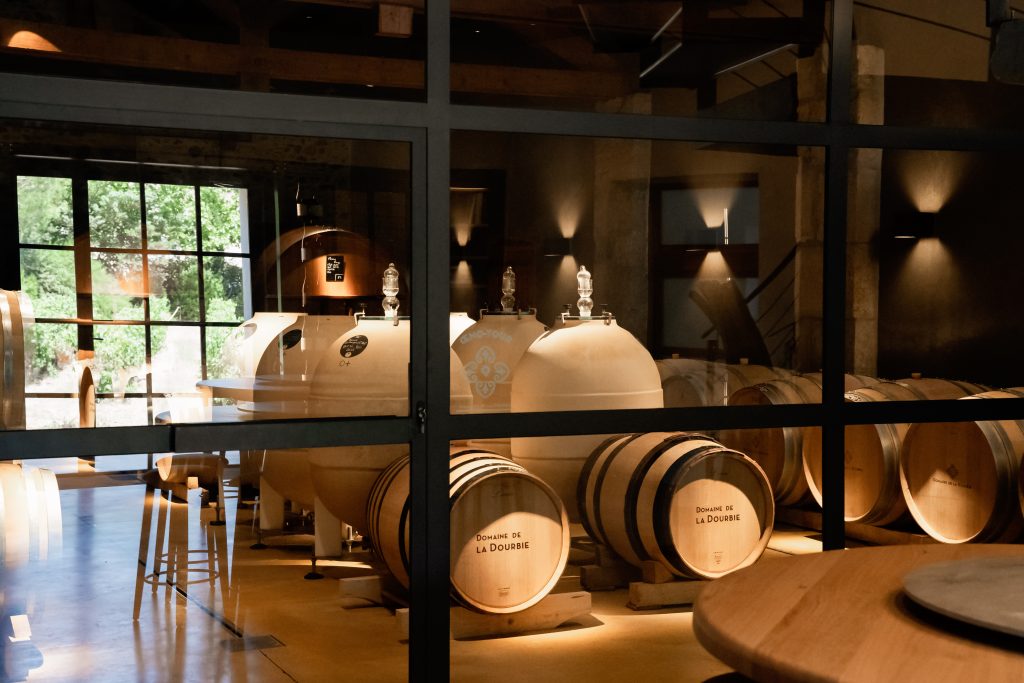
“Wine teaches patience. We plant today for a landscape that will reveal itself in several decades”
This long-term vision is also reflected in family governance. Nicolas Serin, the son of Bernard, is part of this new phase. A board member of Ebenis holding, he is involved in the group’s strategic structuring and in the evolution of governance tools. A modernised continuity, designed to accompany forthcoming industrial, energy and financial transformations.
An affirmed European trajectory
More than twenty years after the acquisition of John Cockerill Group, Bernard Serin embodies a European entrepreneurial model founded on strategic patience. Heavy industry, engineering, institutional sport, relational networks and wine heritage are articulated around a single philosophy, building organisations capable of withstanding economic cycles.
From French steelmaking to Belgian engineering and then Luxembourg-based structuring, Bernard Serin has built a cross-border entrepreneurial model founded on rigour, governance and long-term strategy. In contrast to spectacular entrepreneurship, he represents a discreet but sustainable success, where performance is measured as much by the solidity of foundations as by growth.
This article was published in the 9th edition of Forbes Luxembourg.
Read more articles:
Pascaline Smets: The Art Of Fashion Curation
Salonkee: Tackling European Salons’ Pain Points
How France’s Mistral Built A $14 Billion AI Empire By Not Being American
