
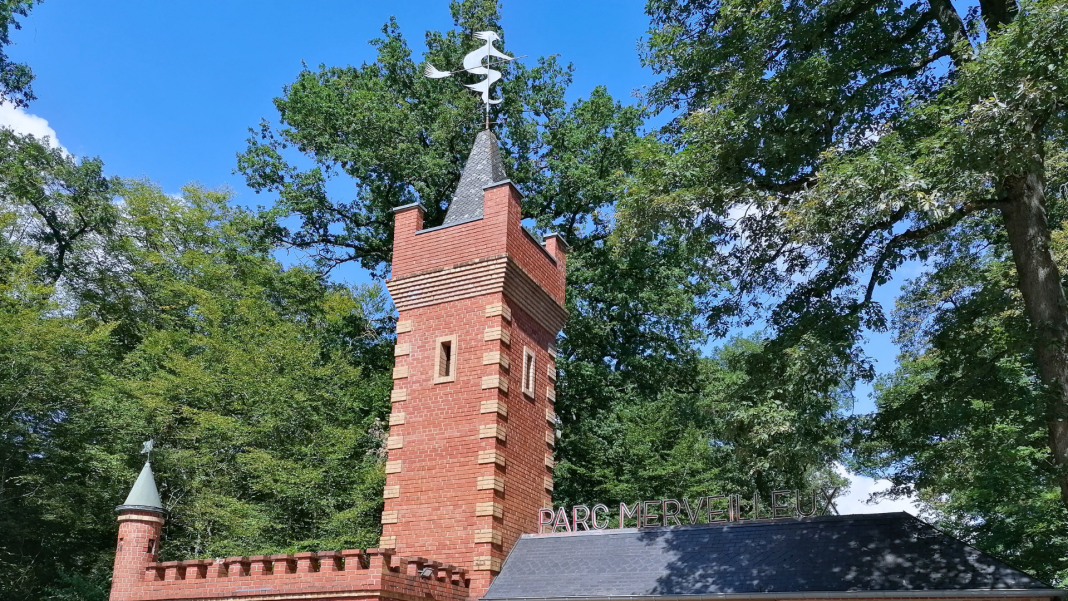
Open for just six months a year and heavily dependent on the weather, Parc Merveilleux in Bettembourg still attracts up to 290.000 visitors per season. Its success is built on inclusion, family loyalty and carefully managed growth.
Visible from afar thanks to the giant mascot painted on Bettembourg’s water tower, Parc Merveilleux has shaped the childhood memories of nearly every Luxembourger, as well as countless children from across the Greater Region. One iconic photo can be found in countless family albums: children stretched across the belly of “De Ris”, the Luxembourgish word for giant, the park’s beloved reclining mascot, whose snoring continues to amuse visitors of all ages.
“Parc Merveilleux has become a Luxembourgish institution.”
“Parc Merveilleux has become a Luxembourgish institution. People first come here as children, then return with their own children and eventually their grandchildren. Despite all the changes over the years, it has remained a family park,” says Ruth Herber, Director of Tourism at Parc Merveilleux.
Its location at the crossroads of Luxembourg, France and Germany, combined with a family-oriented philosophy and affordable admission prices, remains a key driver of its success. But how has the park managed to thrive for nearly seven decades without losing momentum? To understand that success, one must look back at the site’s history. Few visitors realise that before becoming Parc Merveilleux, the area had several previous lives. After hosting American soldiers following World War II, it later served as a camp for the Reichsarbeitsdienst (RAD), Nazi Germany’s compulsory labor service, during the occupation. American troops returned after Liberation before the site was eventually abandoned.
Professional Inclusion at the Heart of the Park
About a decade later, the idea emerged to transform the 25-hectare site into a destination dedicated to families. Inspired by a concept developed by Dutch entrepreneur Willem Ter Braake, Parc Merveilleux officially opened on May 17, 1956, under the direction of Jean Gales. After decades of success, however, the model began to lose momentum in the 1990s. A major turning point came in 1997 when the park was taken over by APEMH (Association of Parents of Children with Intellectual Disabilities). For nearly 30 years, professional inclusion has been at the core of the project. An on-site workshop integrated into park operations employs around 100 people with disabilities alongside approximately 50 permanent staff members and 30 seasonal employees. It is a distinctive feature that makes Parc Merveilleux far more than just a leisure destination.
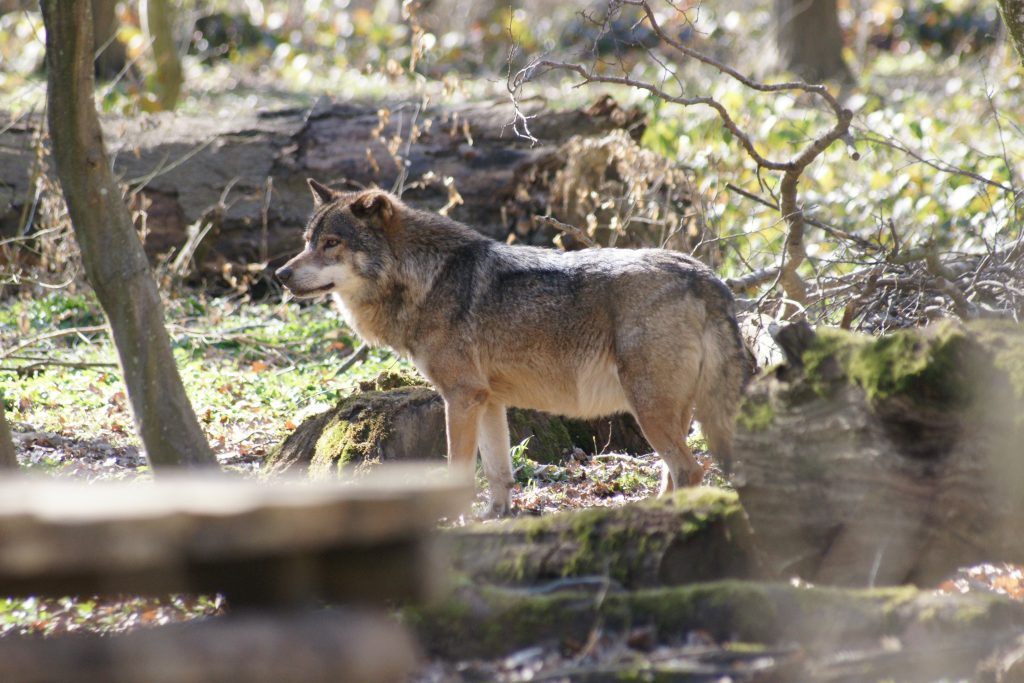
Red pandas, lemurs, flamingos, wolves, raccoons and goats that visitors can pet in dedicated enclosures: as an accredited zoo and member of the European Association of Zoos and Aquaria (EAZA), Parc Merveilleux is home to nearly 200 animal species from five continents. Subject to regular animal welfare inspections, the park receives what Ruth Herber describes as “excellent feedback during evaluations.” Animals also remain at the park throughout their natural lives.
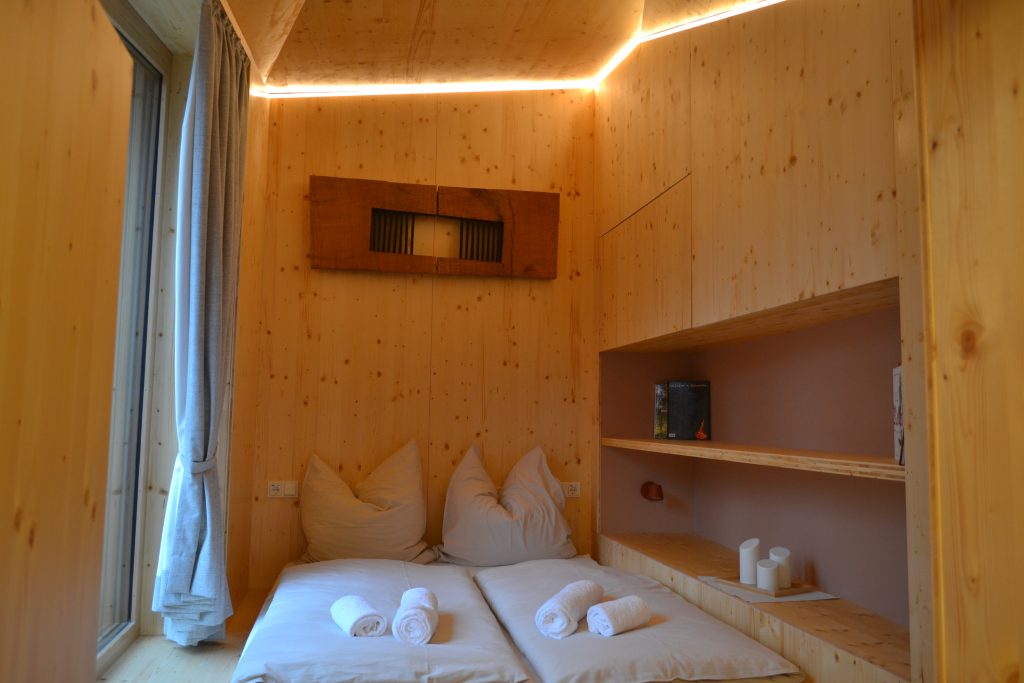
“We do not replace them simply because they grow old,” Herber points out. While animals remain the main attraction, visitors also enjoy playgrounds, rides and the fairy-tale displays that have become synonymous with the park. Over the years, the offering has expanded to include a zoological school providing educational workshops and guided tours for schools and associations, a “Keeper for a Day” program that allows visitors to experience the daily work of animal caretakers, and a guesthouse developed at the park entrance as part of Esch 2022.
Six Months to Fund an Entire Year
Behind the park’s success lies a particularly demanding business model. Open only from March to October, Parc Merveilleux must generate most of its revenue within six and a half months while covering costs that continue throughout the year.
“Our business model relies primarily on admission tickets and on-site food and beverage sales,” explains Herber. Cost control is therefore a constant priority. Each year, nearly 35 tonnes of food are distributed to the animals. Part of the fruit and vegetables come from unsold products donated by retail partners such as Auchan and Grand Frais, helping both reduce costs and limit food waste. Yet the most important variable remains the weather.
In 2025, the park welcomed around 260.000 visitors, compared with nearly 290.000 the previous year. The decline was largely attributed to an exceptionally rainy August. “The weather is always the deciding factor,” summarises Herber. School holidays and sunny weekends generate the highest attendance levels. Whenever several days of good weather are forecast, the park must immediately adjust its operations. “We need more staff, more food and more inventory. The entire organisation depends on it.” By contrast, approximately 500 school visits from Luxembourg each season provide a degree of stability regardless of weather conditions and help secure part of the park’s annual revenue.
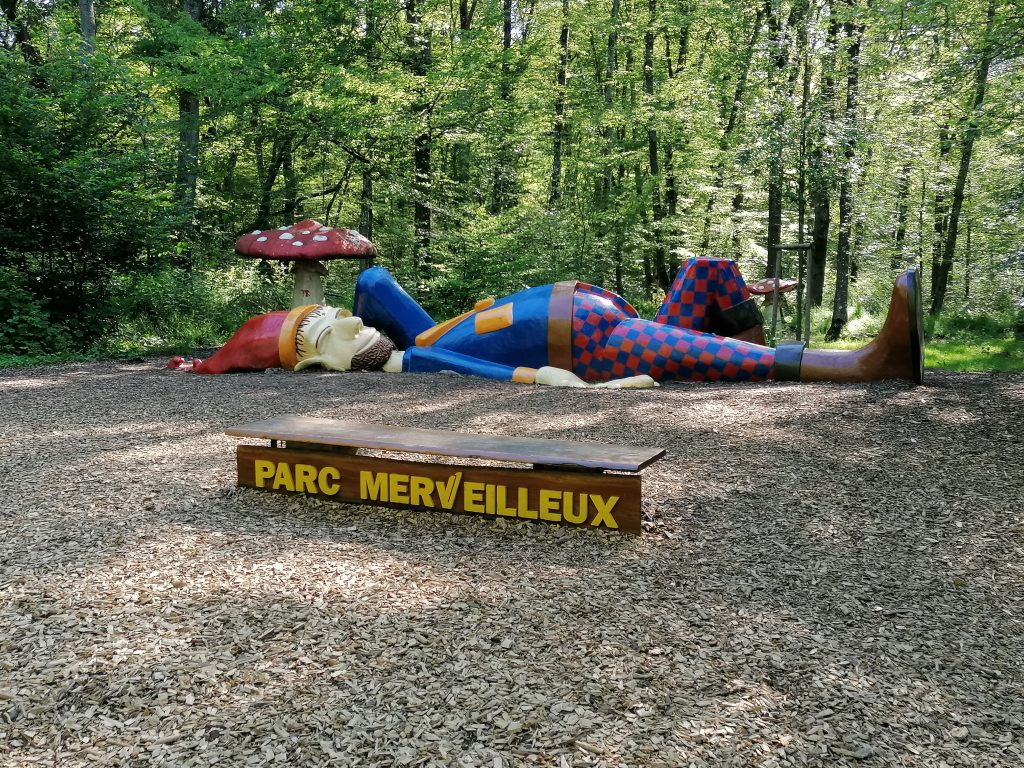
Another distinctive feature is that Parc Merveilleux thrives without relying heavily on modern marketing tactics. Communication remains discreet, its social media presence limited and its website relatively modest. “We use radio and social media at key moments, but we do not need to do much more than that,” says Herber. Rather than chasing ever-higher visitor numbers, management focuses on continuous improvement. The next major investment is expected to be the expansion of the park’s water playground, which has become too small during periods of extreme heat. “I’m not sure we can welcome many more visitors, as we already attract a very large number. What matters is continuing to keep the park attractive by regularly introducing new experiences and improvements,” she adds.
Although Parc Merveilleux celebrated its 70th anniversary on May 17, the official festivities will take place next year, marking 30 years under APEMH management. Plans already include a commemorative stamp, a Lego figurine of the famous giant and a specially cultivated rose.
This article was published in the 10th edition of Forbes Luxembourg.
Read more articles:
A Forest That Sings: Meet The Luxembourgish Artist Behind These Impressionist Paintings
