
Tourism in picturesque Luxembourg is growing steadily, yet responsibly. The government’s strategy aims to balance rising demand with sustainability, ensuring that both visitors and residents benefit equally.
With its lush forests, wild hiking trails and picturesque castles, Luxembourg has long been recognised as a hidden gem for tourists. Yet, the numbers suggest, more tourists are catching on. From January to July 2025, 922,000 tourists visited Luxembourg, clocking up 2.126 million overnight stays, a steady rise on the same period in 2024 when 895,000 tourists called through Luxembourg, clocking up 2.108 million overnight stays.
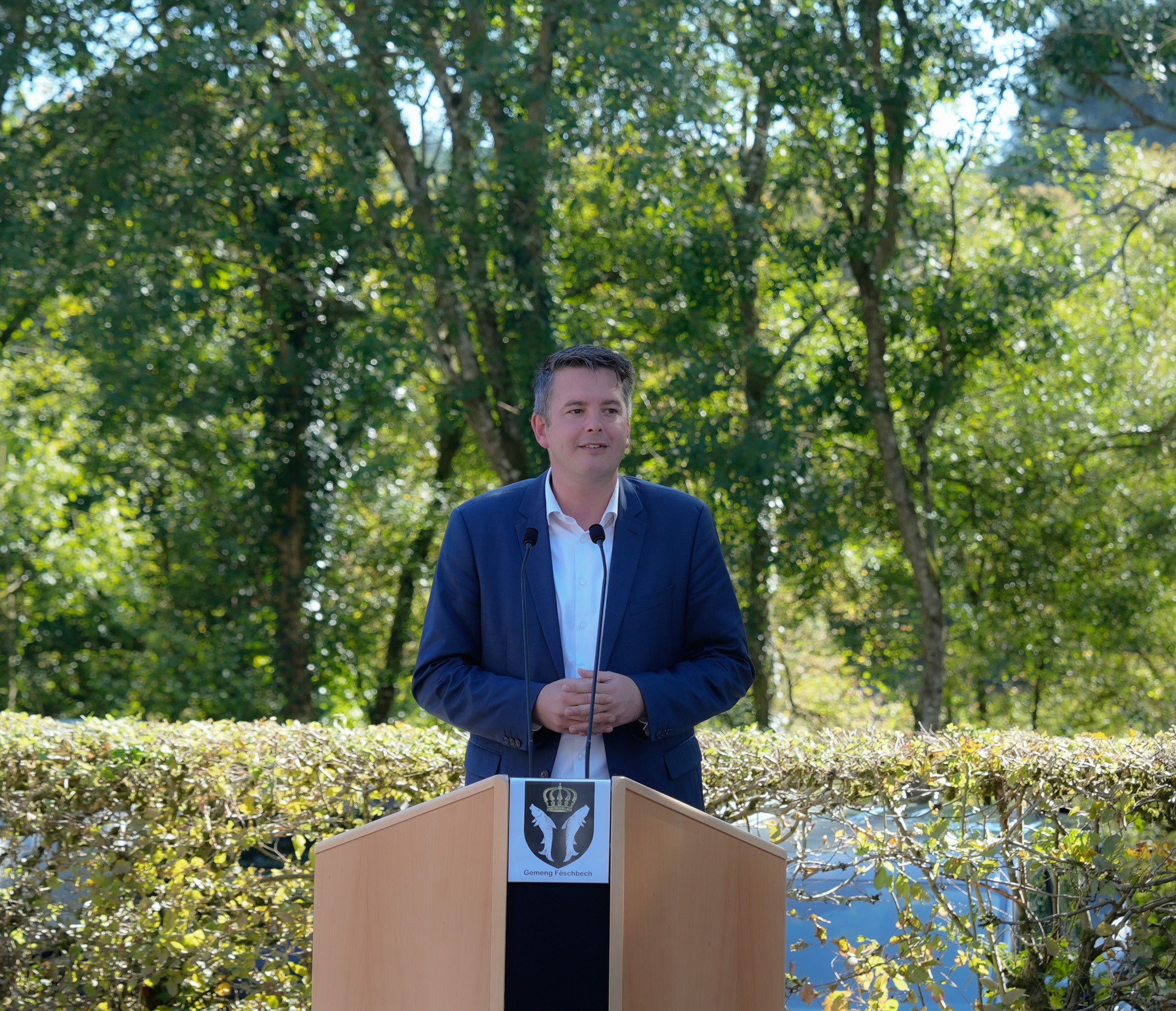
“The trend confirms a stabilisation at a very high level following two years of impressive growth,” said Luxembourg tourism minister Lex Delles, adding that the figures are more a sign of consolidation than mere expansion.
This measured pace reflects the broader vision of the government’s strategic framework “Mënschen, Regiounen an Ekonomie”, based around three pillars: economic impact, guest satisfaction, and residents’ quality of life.
Economic indicators show resilience, with tourism remaining a key contributor to regional development while avoiding overtourism. Guest satisfaction rates are among Europe’s highest, with 98% of visitors reporting a positive experience and 90% saying the country exceeded expectations.
Meanwhile, resident support remains strong: nearly four out of five Luxembourgers view tourism as beneficial to their community.
Expanding capacity through quality and innovation
Sustainable growth, not mass tourism, defines Luxembourg’s philosophy. Only a small fraction of visitors or residents feel that the country is overcrowded, an achievement resulting from careful planning and regional coordination. Regions like the rocky Mullerthal and the wine region of the Moselle, where natural beauty attracts many visitors, illustrate this balance.
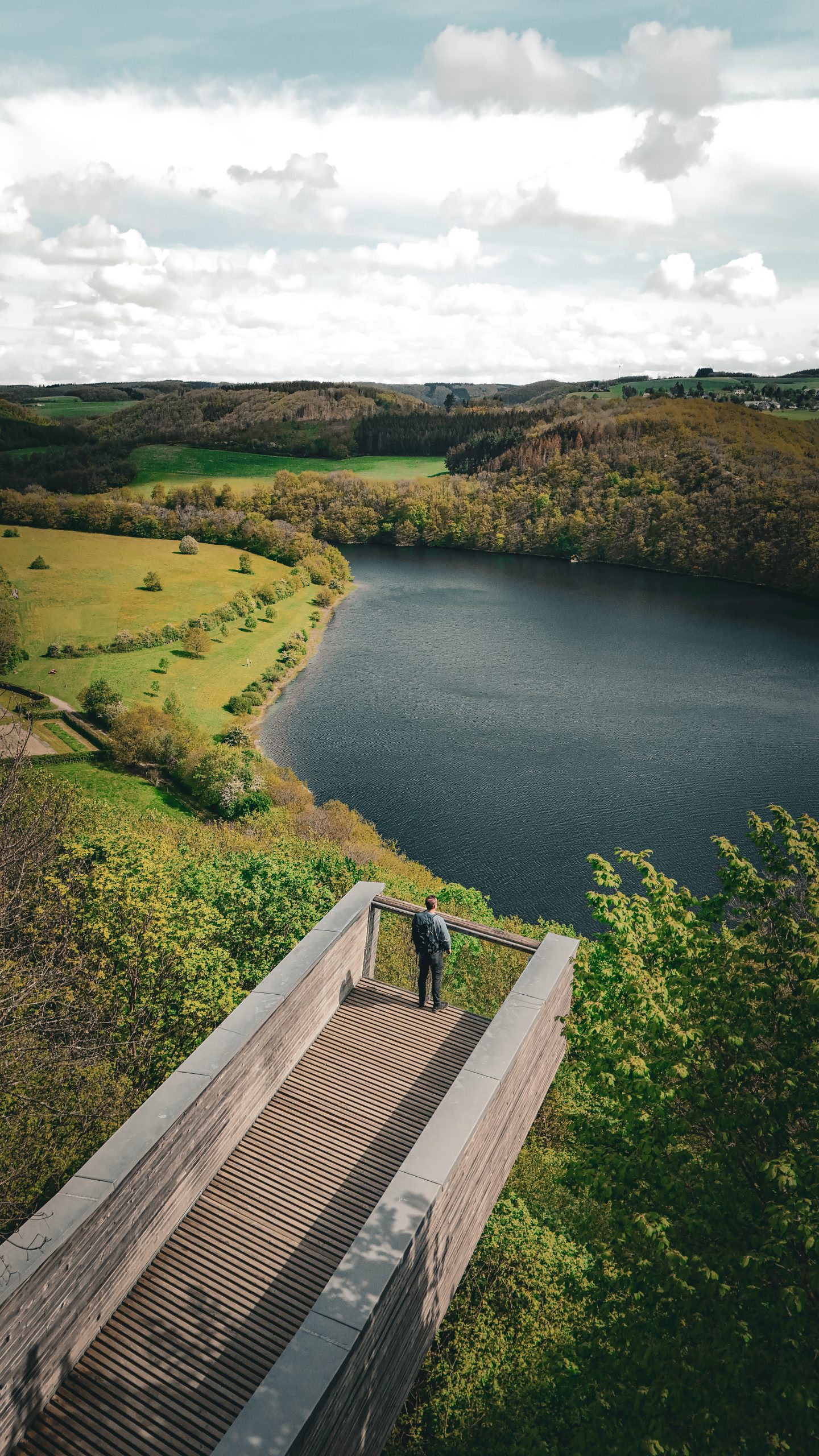
“In these areas, the principle of nature conservation through visitor management is actively applied,” said Minister Delles. Trails, cycling routes, and digital tools such as the parking “traffic light” systems around Upper Sûre Lake, in the northern Éislek region, help spread visitors more evenly while protecting fragile ecosystems.
This balance is central to public trust. By prioritising quality experiences and smart infrastructure, Luxembourg shows that tourism can coexist with local life without creating tension or environmental strain.
With average hotel occupancy around 74%, some regions are approaching capacity limits. Rather than relying solely on expansion, the government promotes diversification, new forms of lodging, such as the “Kabaiserchers” network of small, design-driven accommodations, and upgrades to existing hotels through targeted co-financing.
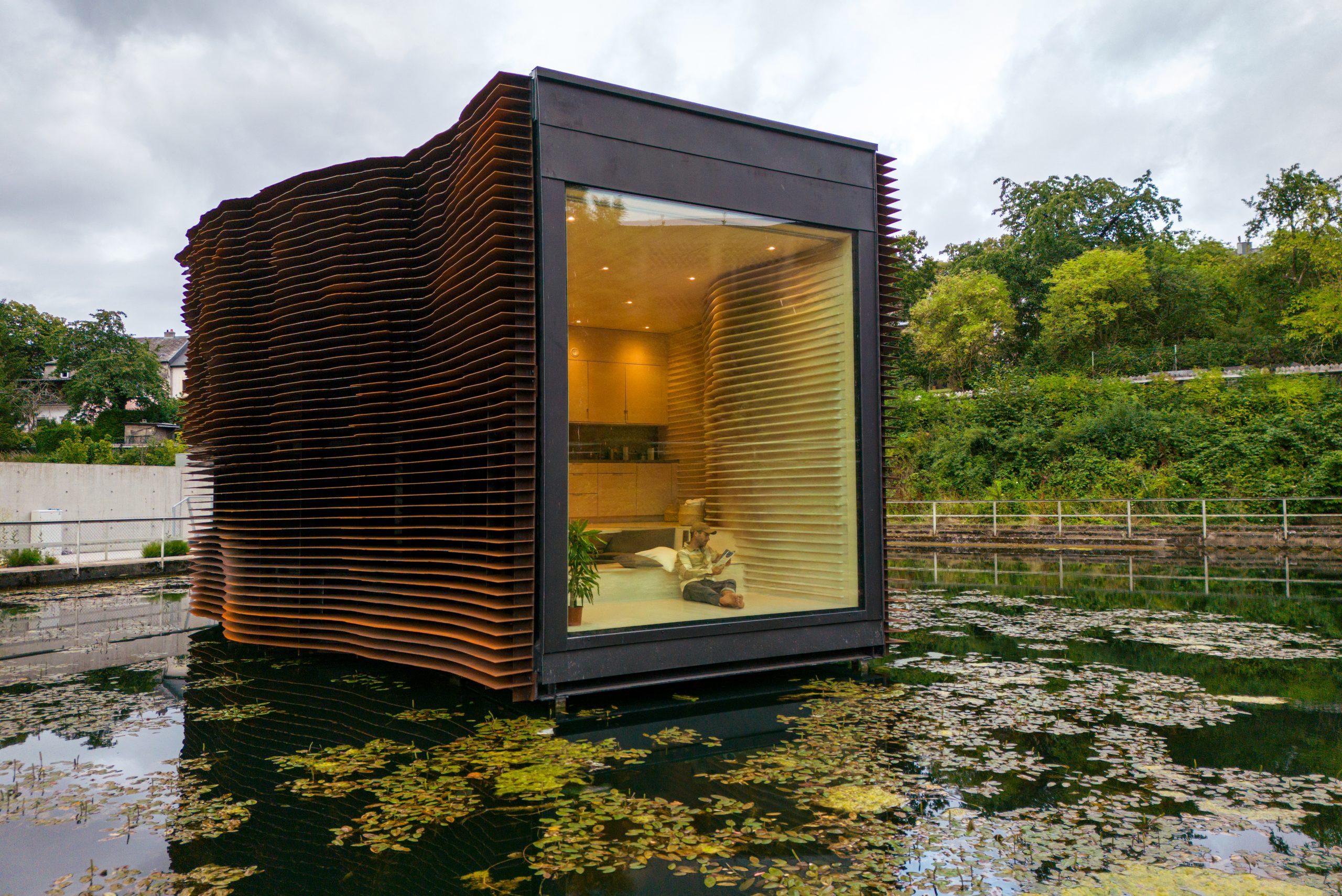
Under the latest five-year tourism programme and the “loi cadre PME”, state aid for small and medium-sized businesses, hotel capacity has increased by 11% since 2019. Today, visitors can choose from 7,742 rooms in 211 establishments. Feasibility studies for new facilities in under-served areas, such as Lultzhausen, aim to relieve pressure on popular destinations. “We support accommodation that enhances the country’s identity and offers a distinctive, authentic stay,” said Minister Delles.
Mobility and the experience of seamless travel
Luxembourg’s free public transport remains a unique advantage. Seventy-three percent of visitors use it during their stay, and one in ten cite it as a reason for choosing Luxembourg. Still, the government is aware that seamless mobility extends beyond trains and buses. Work is underway to link public transport with outdoor and cultural routes, supported by the expansion of the Rent-a-Bike network and the creation of regional cycling trails connecting villages and attractions.
“Mobility is at the heart of sustainable tourism, we want visitors to move easily, sustainably, and discover the country at their own rhythm”
“Mobility is at the heart of sustainable tourism, we want visitors to move easily, sustainably, and discover the country at their own rhythm,” said Minister Delles.
Digital tools for a smarter destination
Digital transformation is also reshaping the visitor experience. National tourism agency Luxembourg for Tourism (LFT), has created a centralised database serving as the single source of truth for all tourism information. This ensures consistency across websites, apps, and regional portals.
Smart tools such as the Visit Luxembourg Challenges or the Mia & Emil family adventures encourage exploration beyond traditional hotspots, avoiding concentrations of visitors while adding playful engagement. Looking ahead, LFT is preparing for AI-driven personalisation. “Digital innovation is not just about convenience but about making tourism smarter, fairer, and more sustainable,” said Minister Delles.
Investing in local character and inclusion
Projects like the modernisation of Parc Merveilleux in Bettembourg and the “Kabaiserchers” lodgings are prime examples of how investment can reinforce regional identity. The former enhances accessibility and inclusivity, core principles of “tourism for all”, while the latter channels income back into local economies through small-scale entrepreneurship.
“These initiatives show that tourism can generate lasting regional value, they link heritage, sustainability, and innovation in a way that benefits everyone,” said Minister Delles.
2030: Quality, Balance, And Innovation
By 2030, success will be defined by balance. Luxembourg aims to maintain high visitor satisfaction while ensuring that tourism remains a force for community well-being. Priorities include digital readiness, sustainable infrastructure, and stronger support for small and medium-sized companies through the new SME framework law and the five-year tourism programme.
The challenges ahead, rising costs, rapid technological change, and the need to preserve authenticity, require constant adaptation. Yet the direction is clear. Luxembourg’s approach shows that tourism can be a driver of innovation, cultural pride, and shared prosperity without losing its human scale.
“Tourism here is not about volume, it’s about meaning, creating value for visitors, residents, and the environment alike,” said Minister Delles.
“Tourism here is not about volume, it’s about meaning, creating value for visitors, residents, and the environment alike”
This article was published in the 8th edition of Forbes Luxembourg.
Read more articles:
From Rugby Fields To Film Reels