
In business, as in life, you never get a second chance to make a first impression. What’s changed is that in today’s nuanced environment, it’s never been harder—or more important—to get it right.
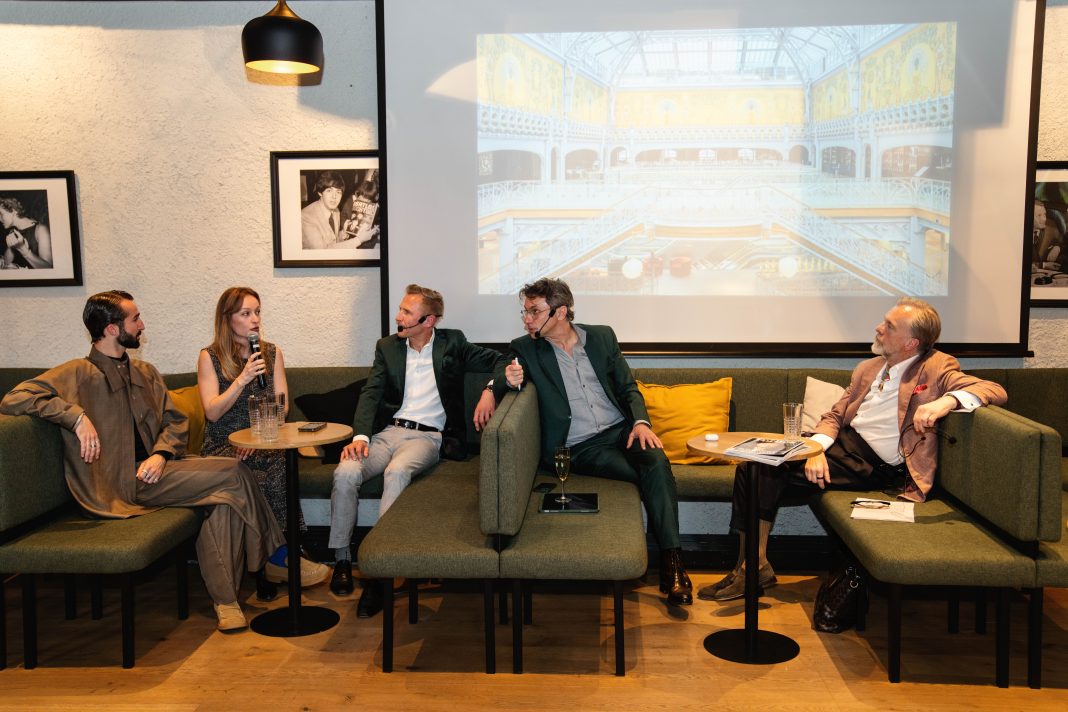
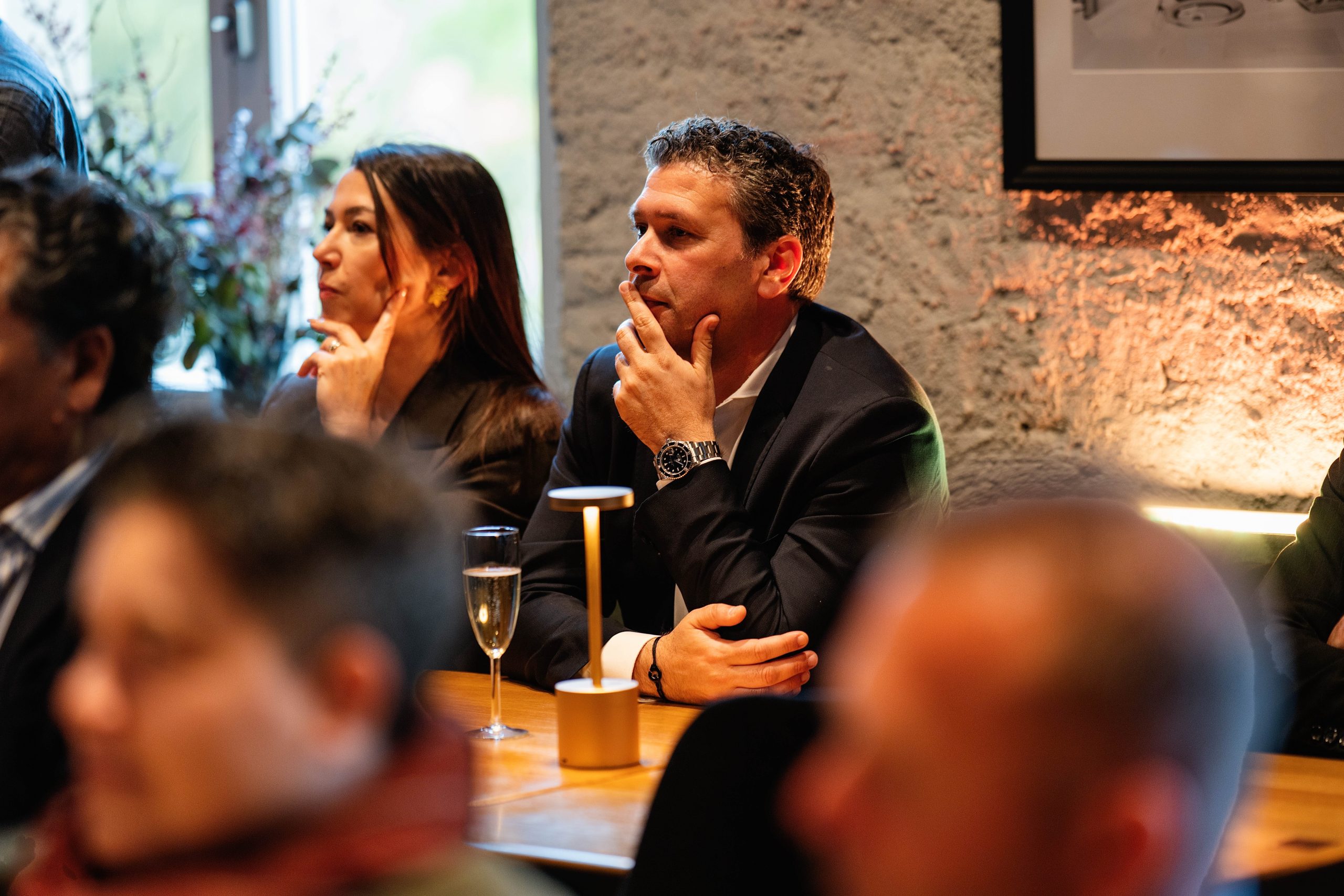
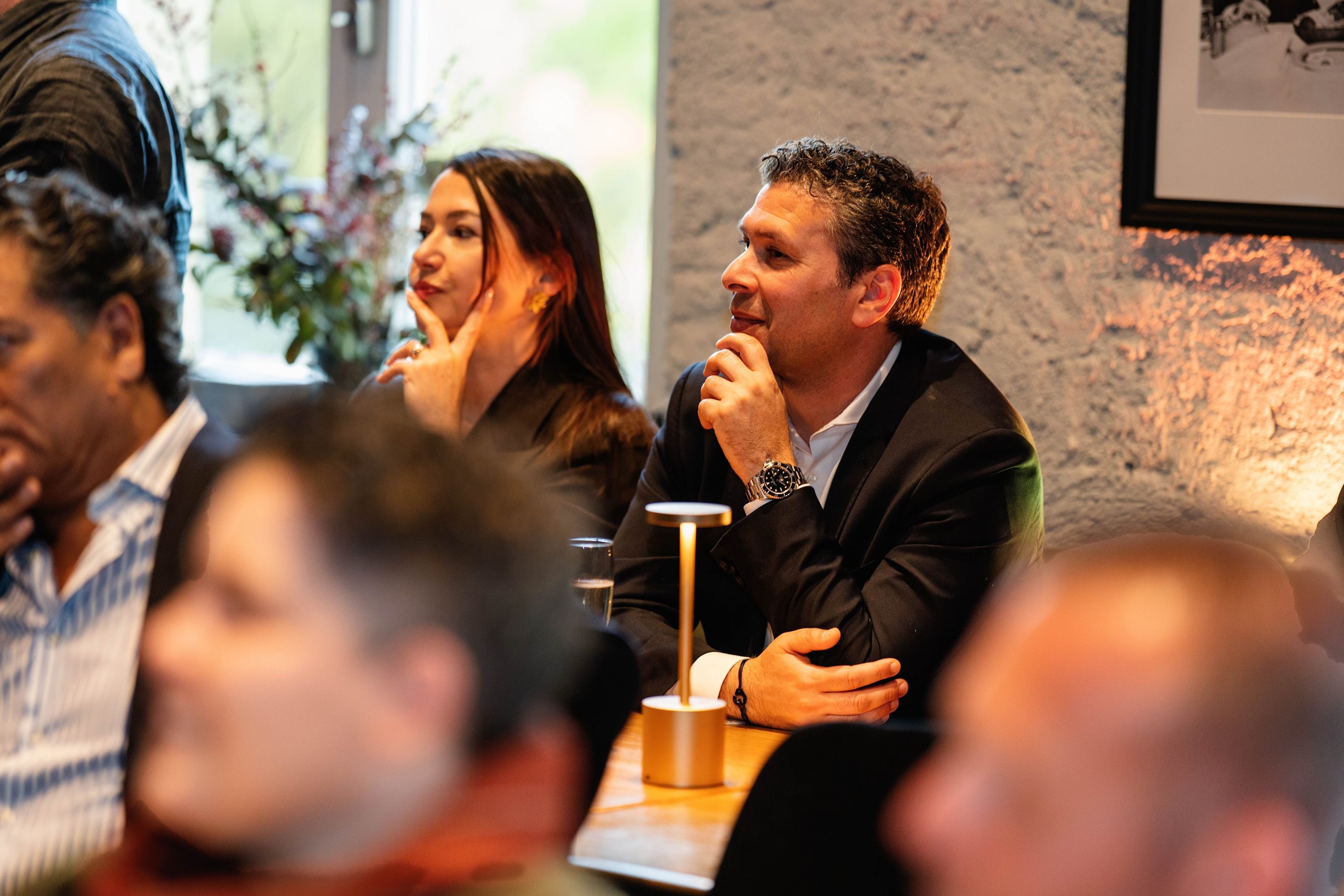
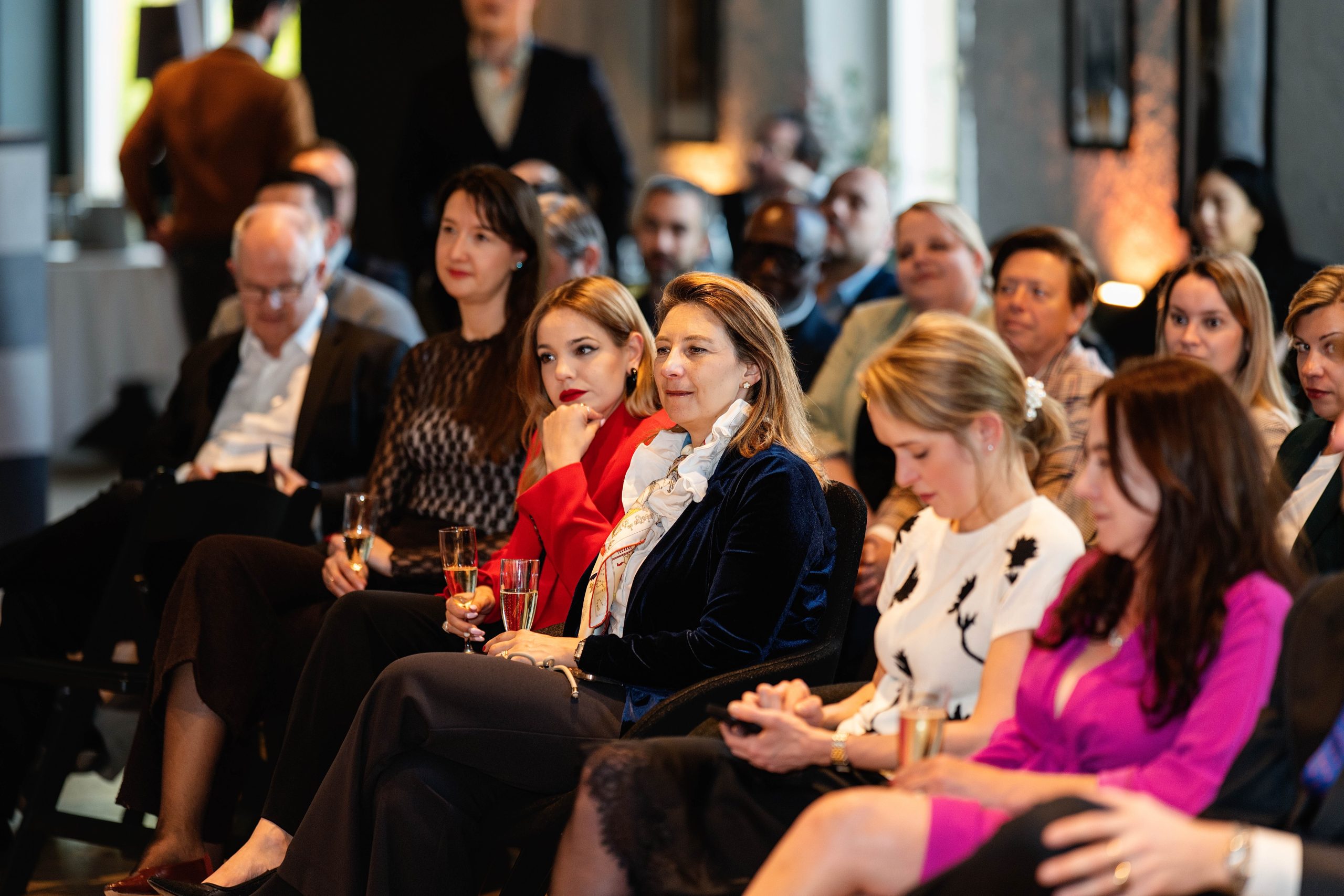
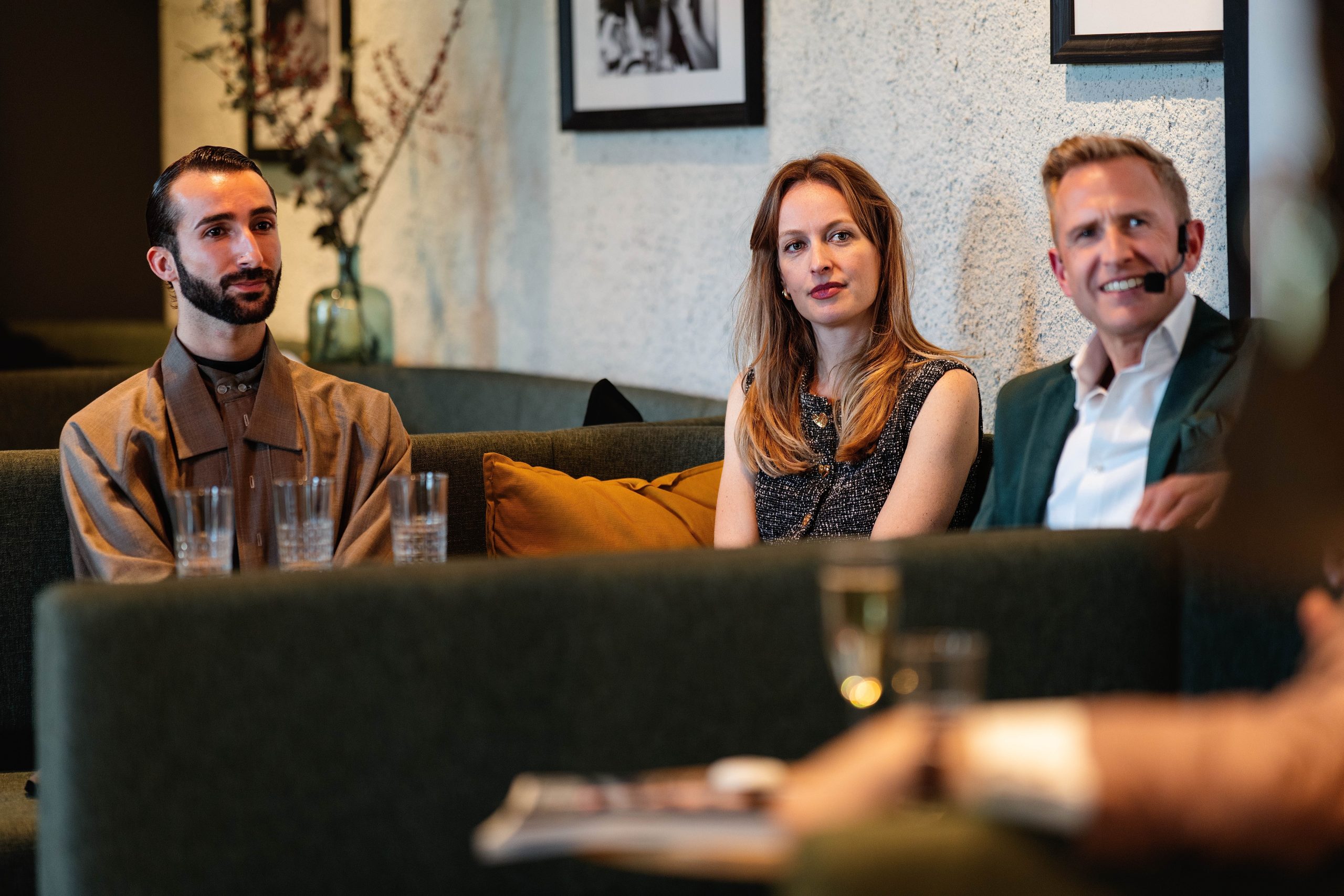
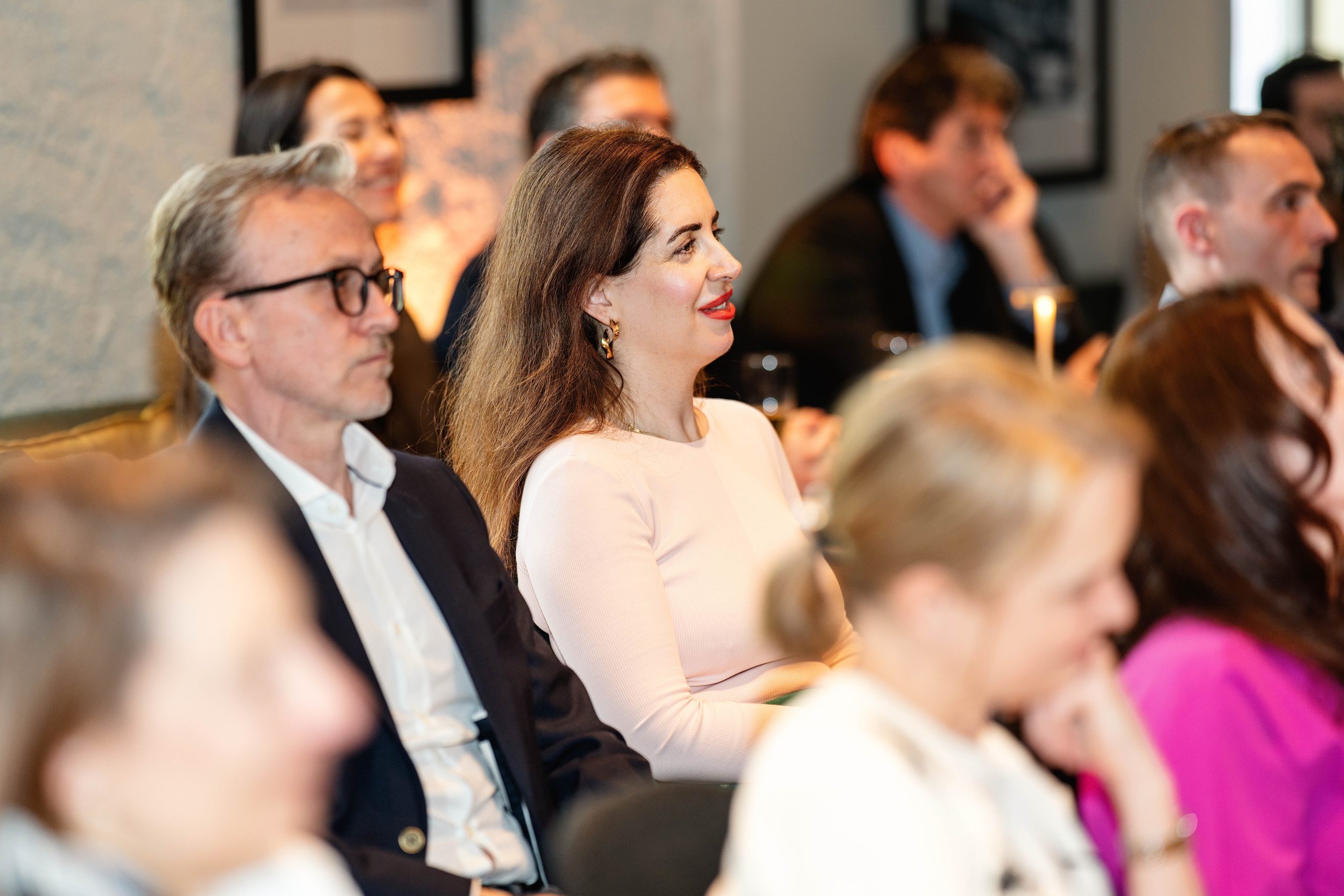
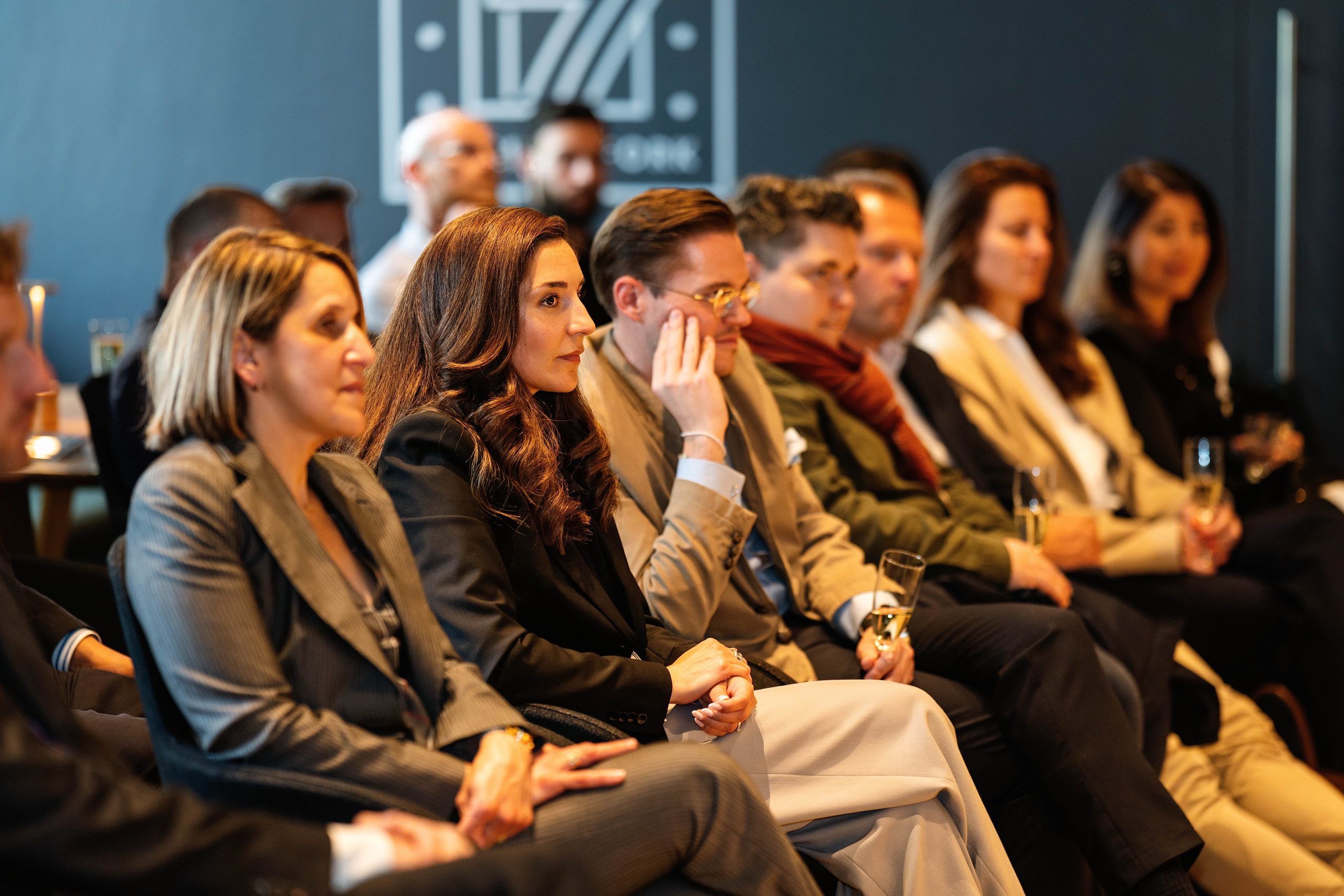
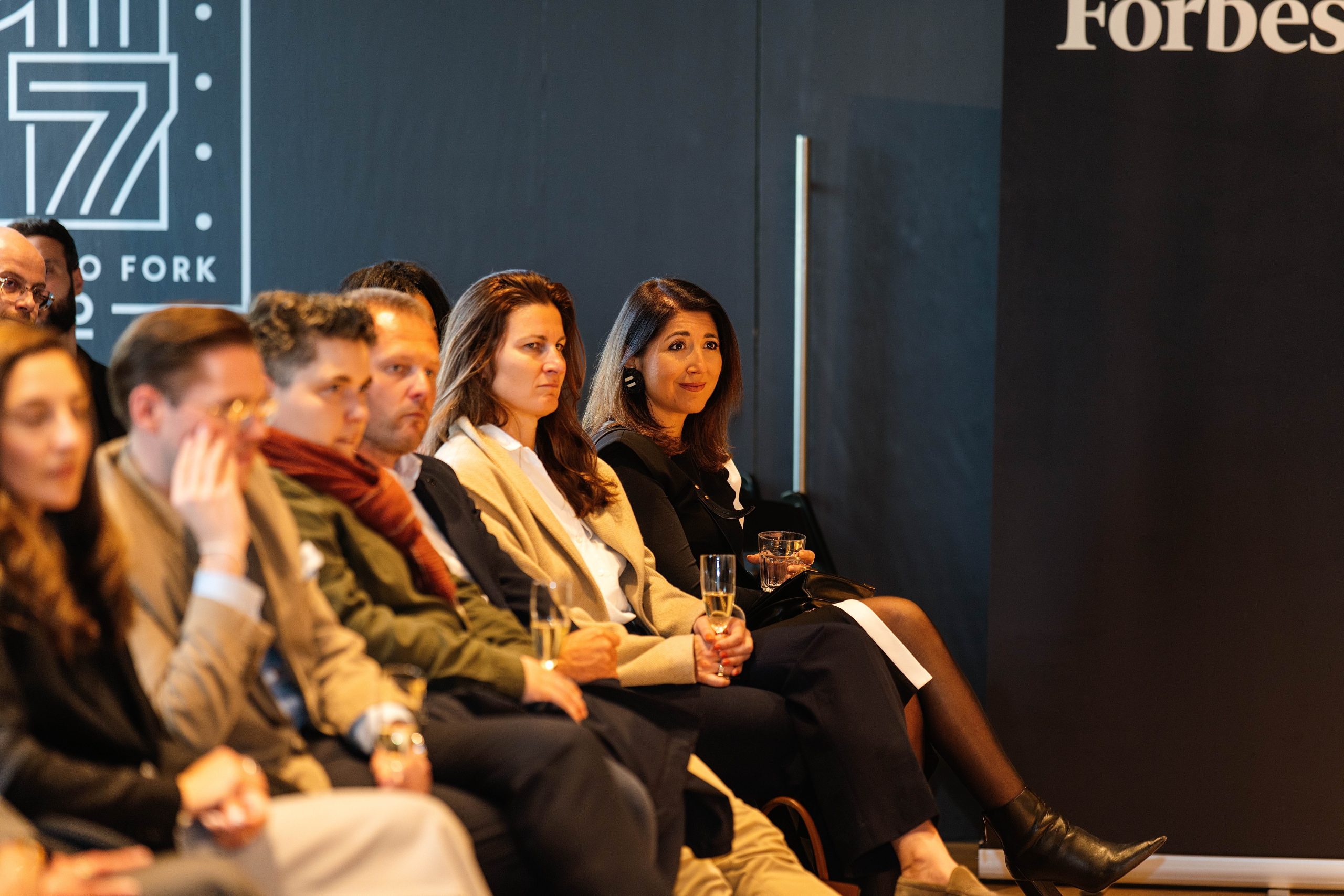
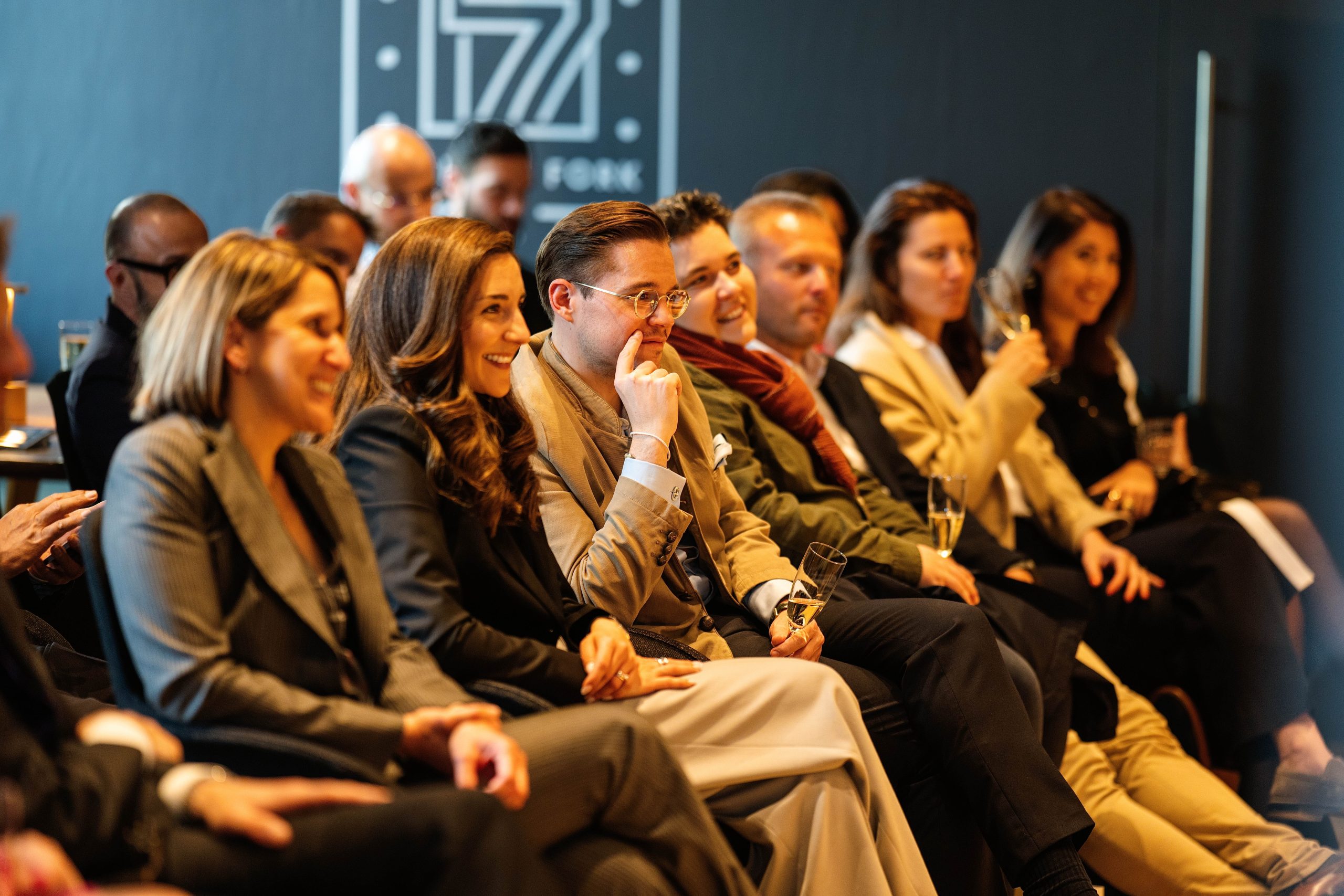
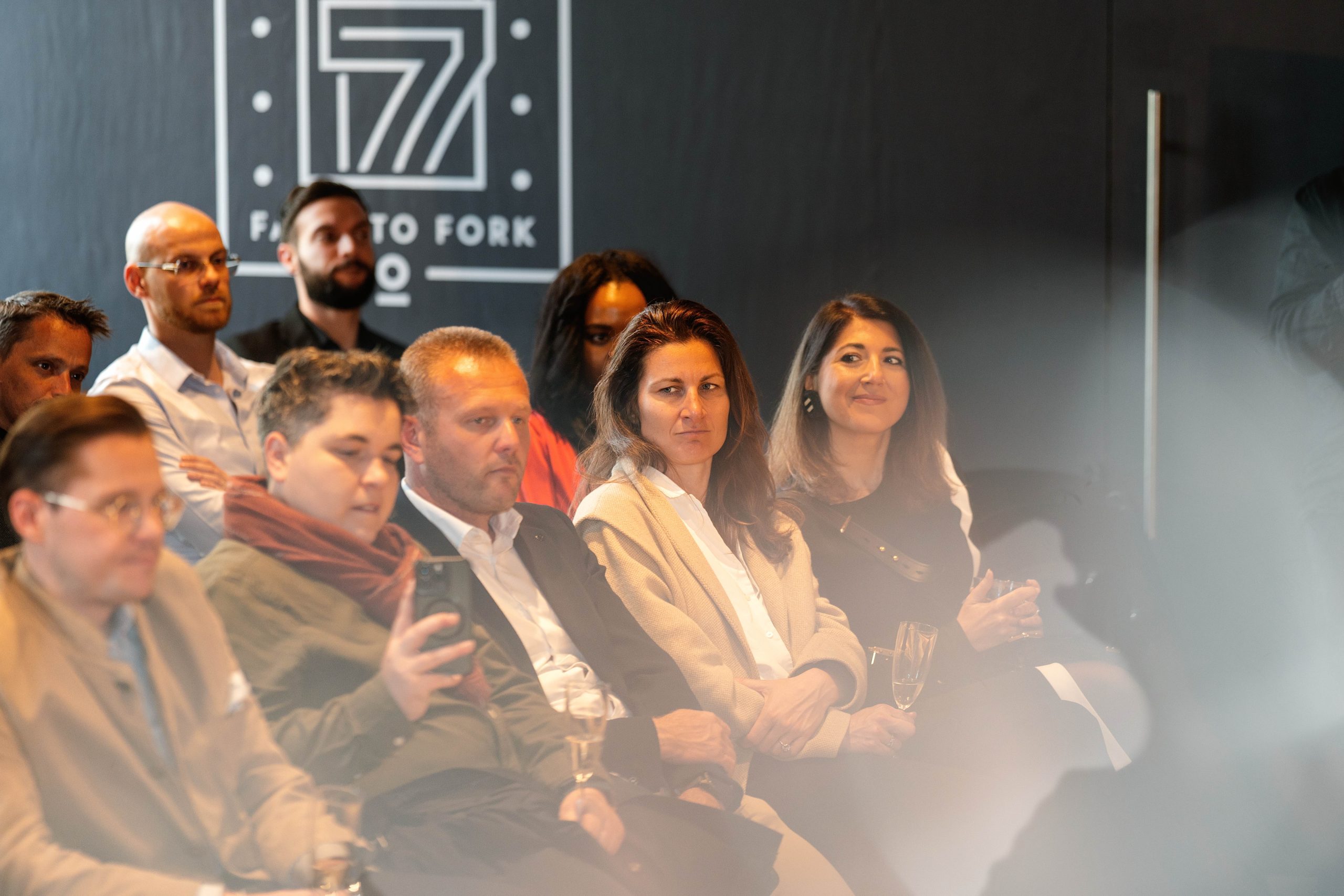
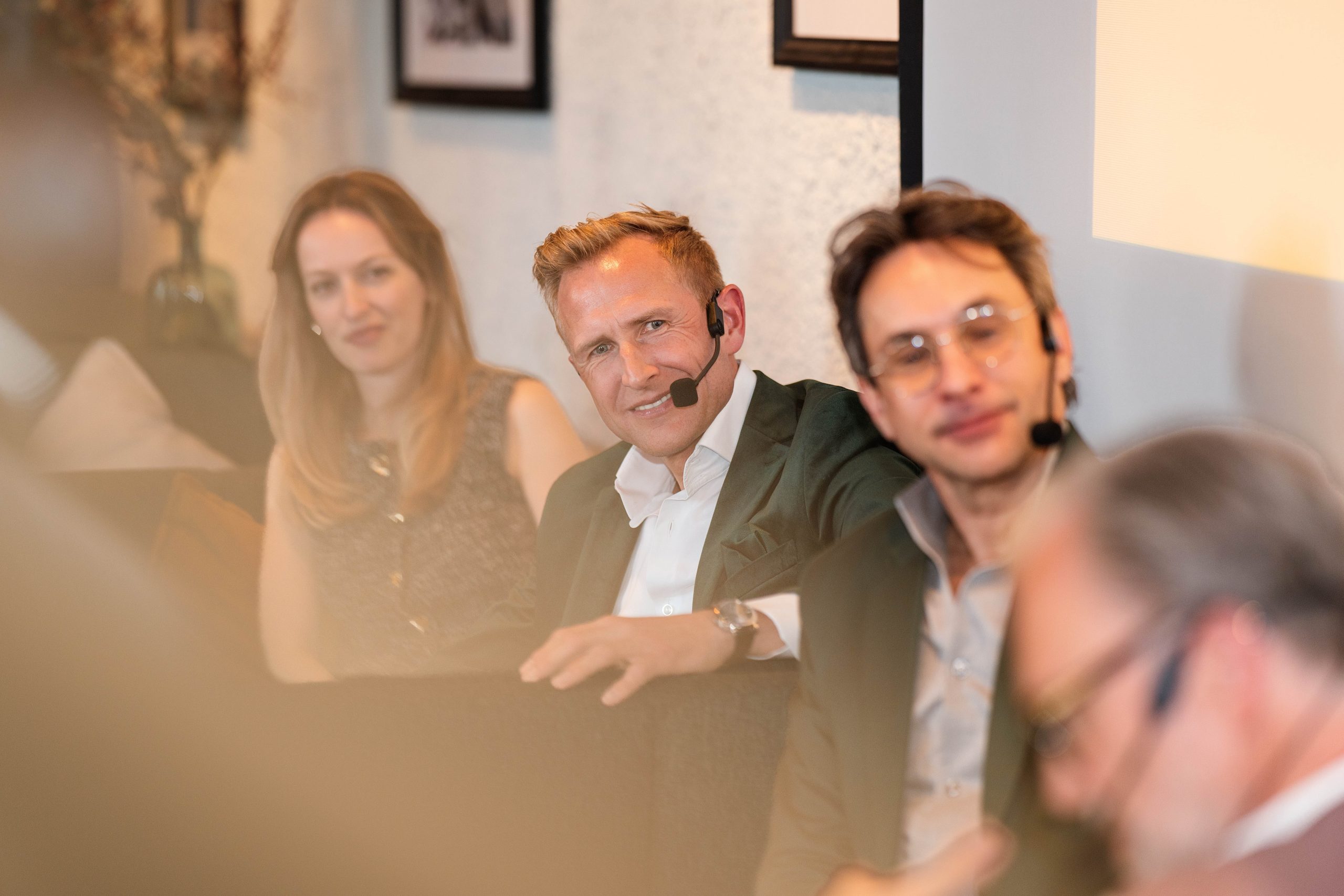
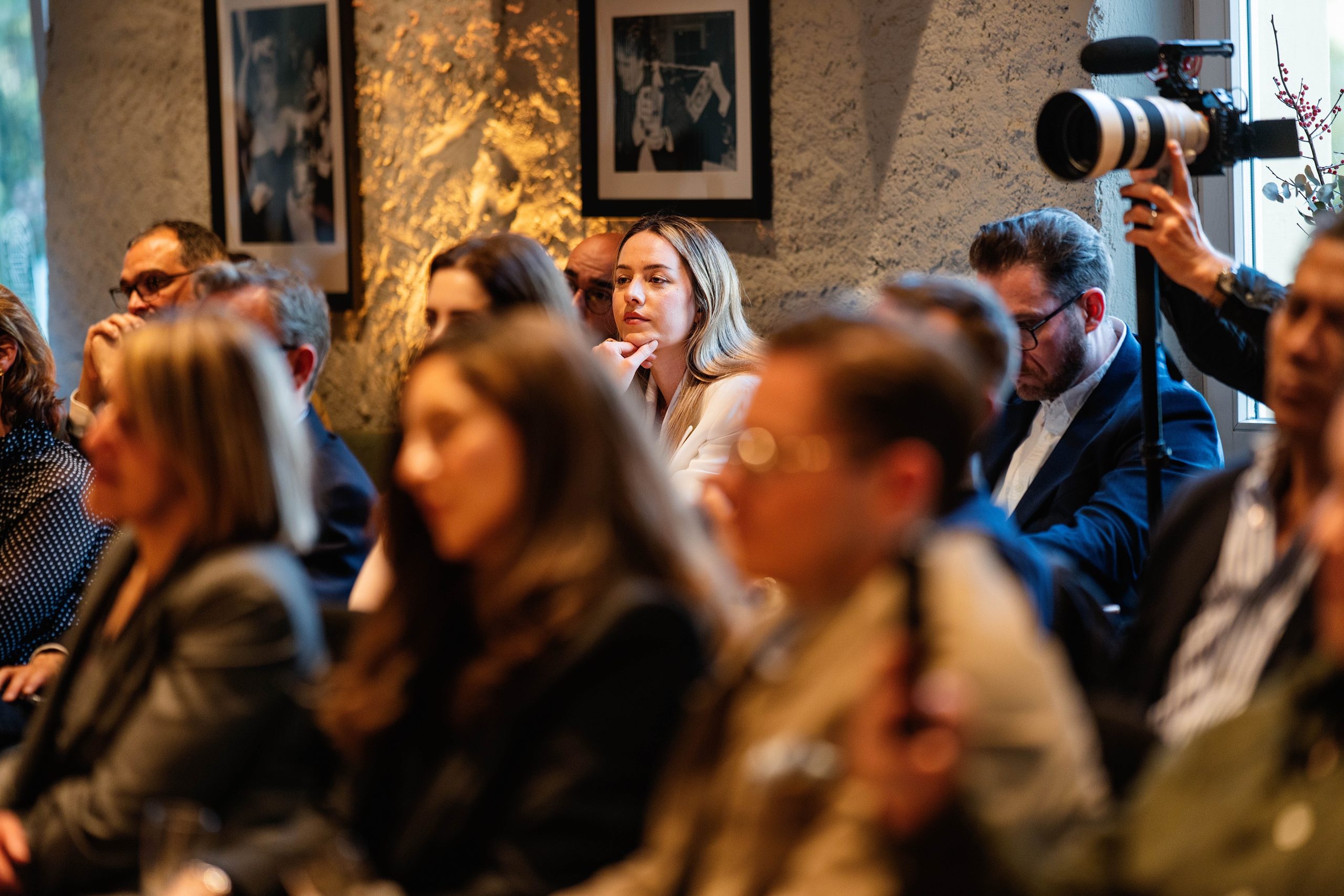
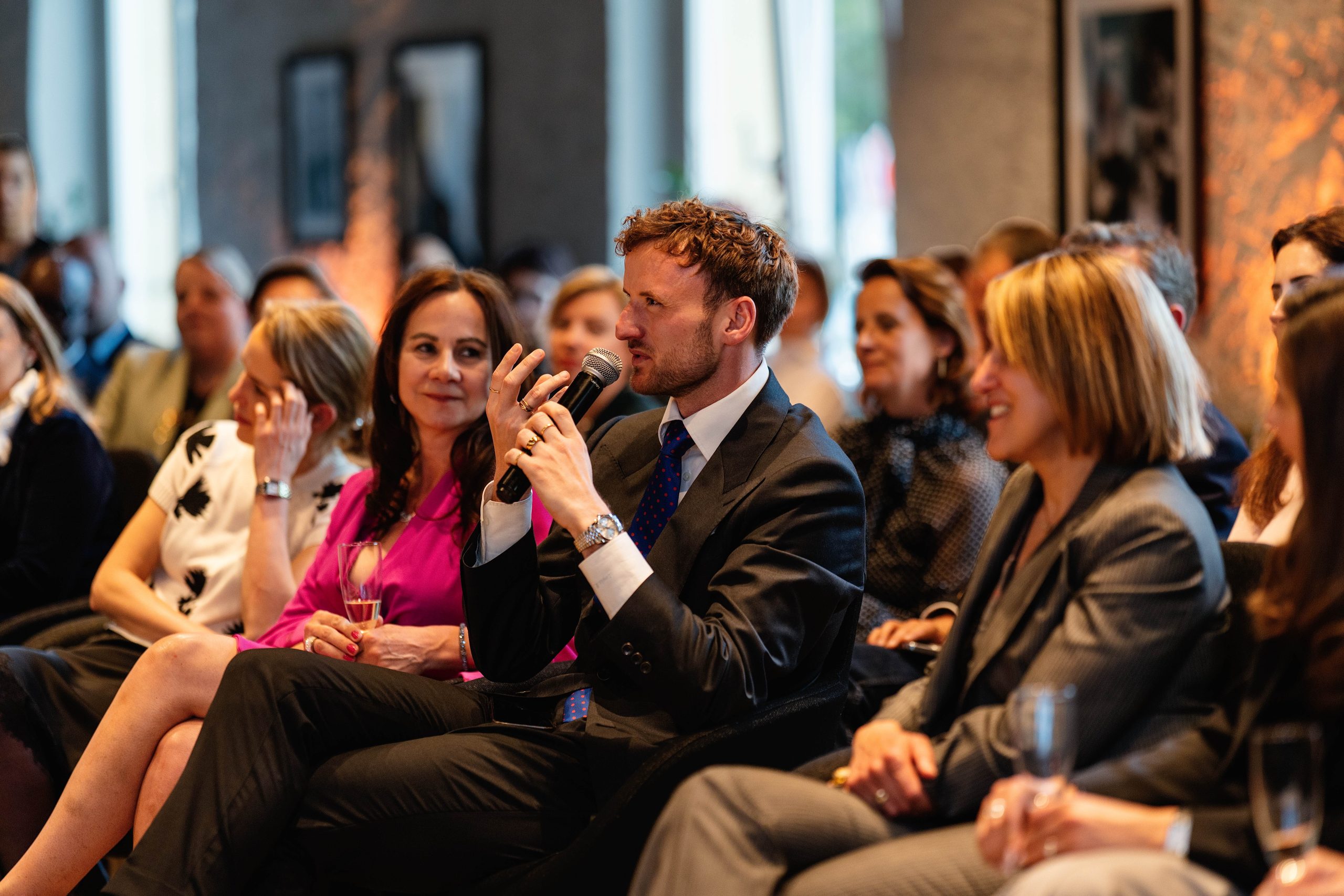
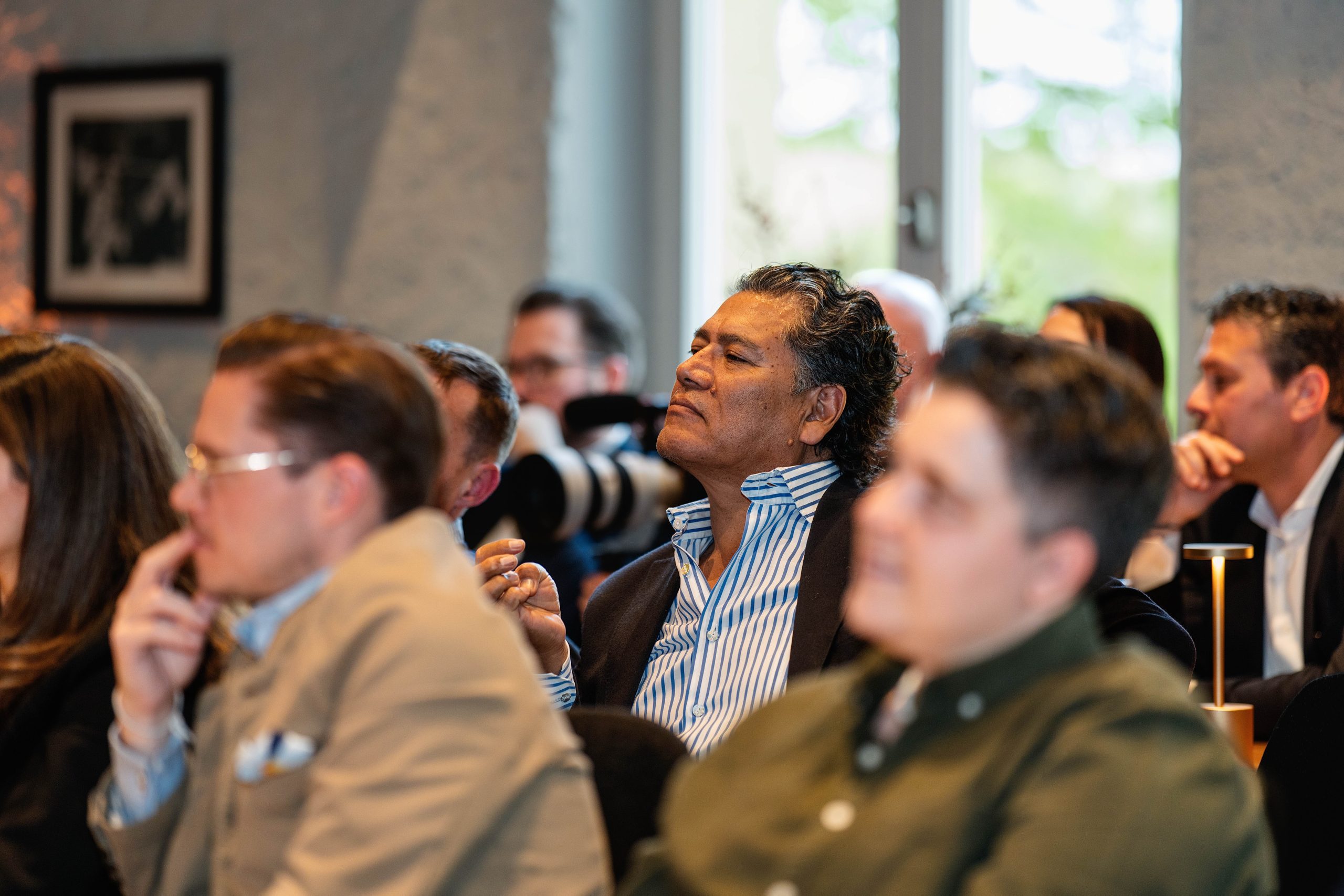
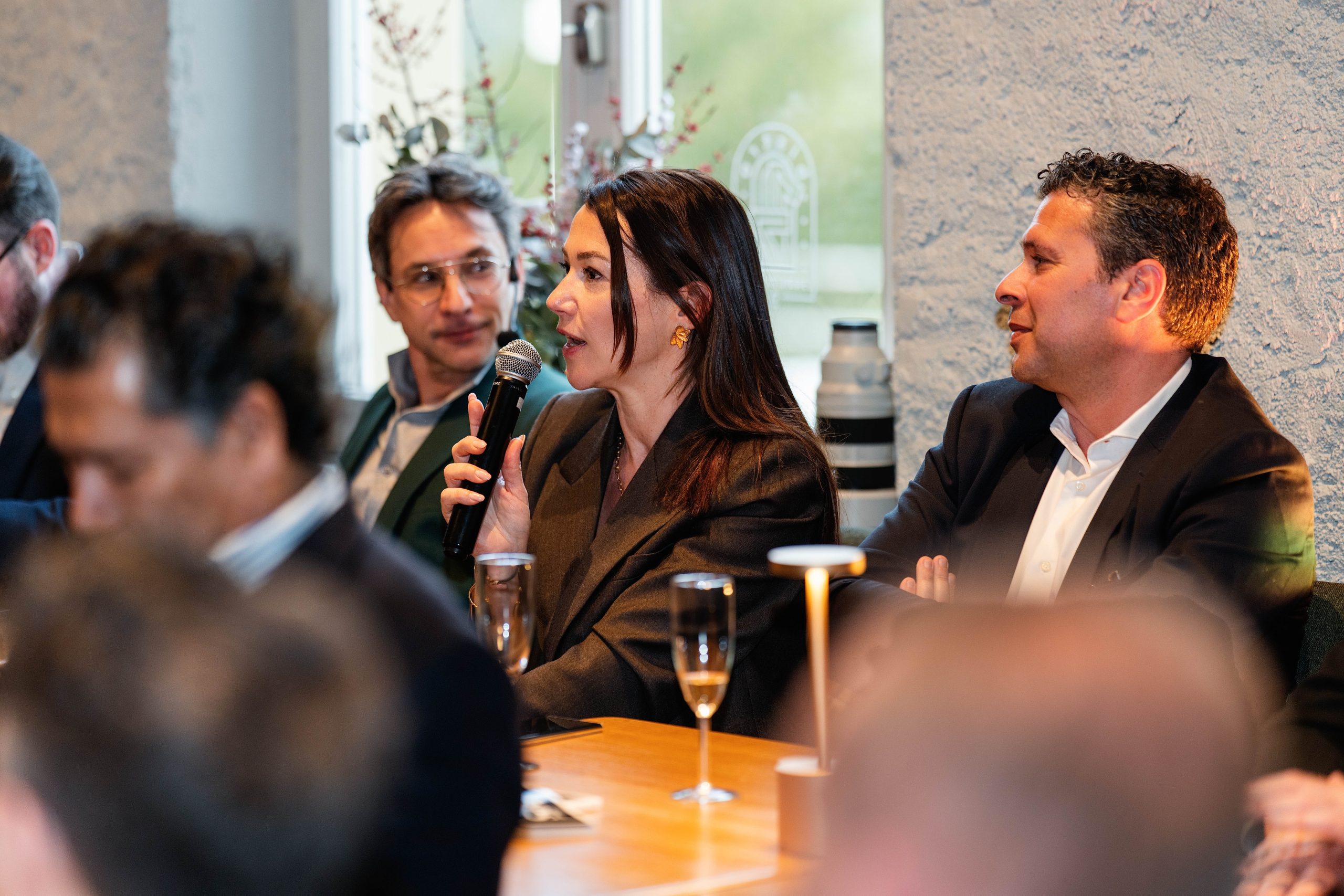
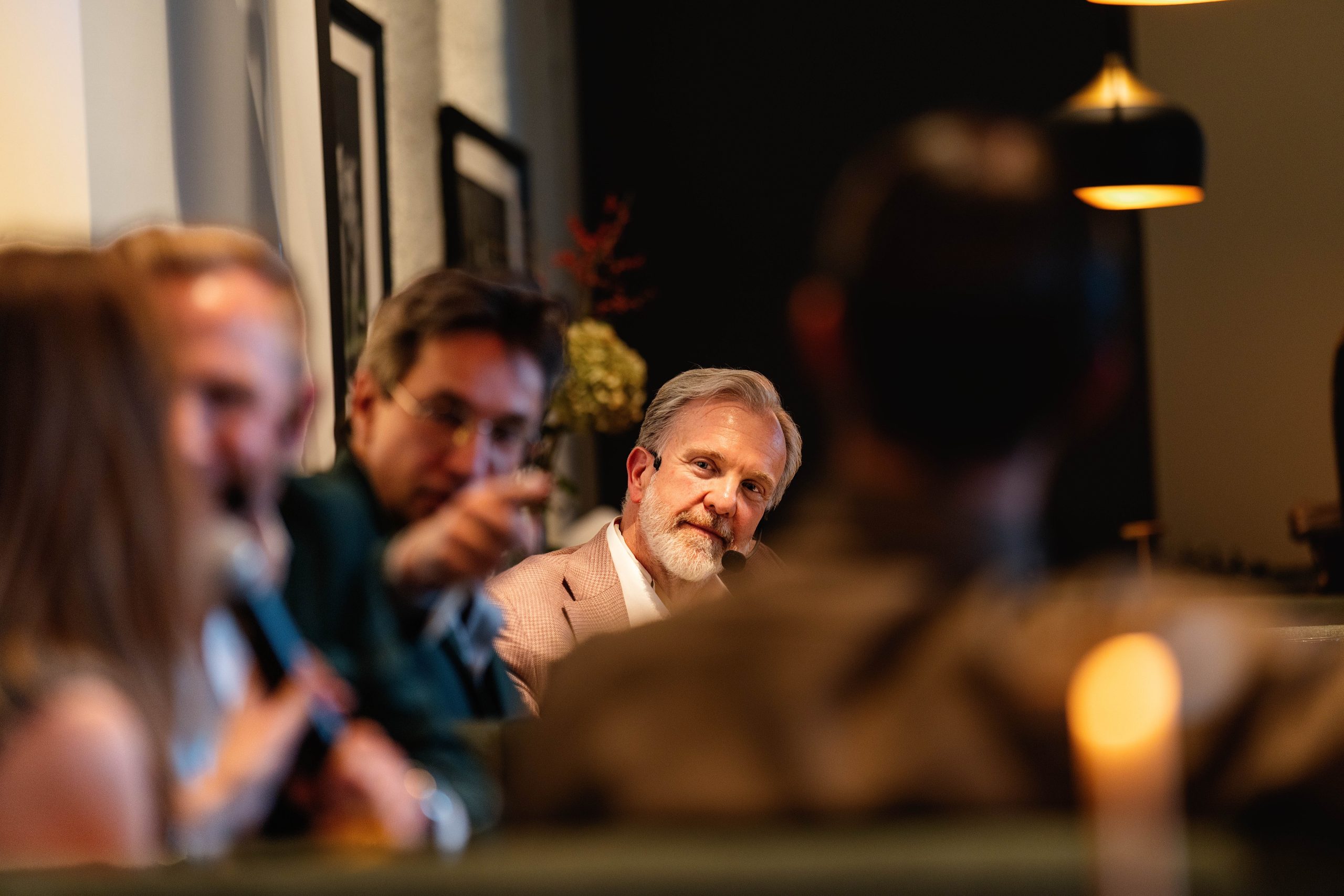
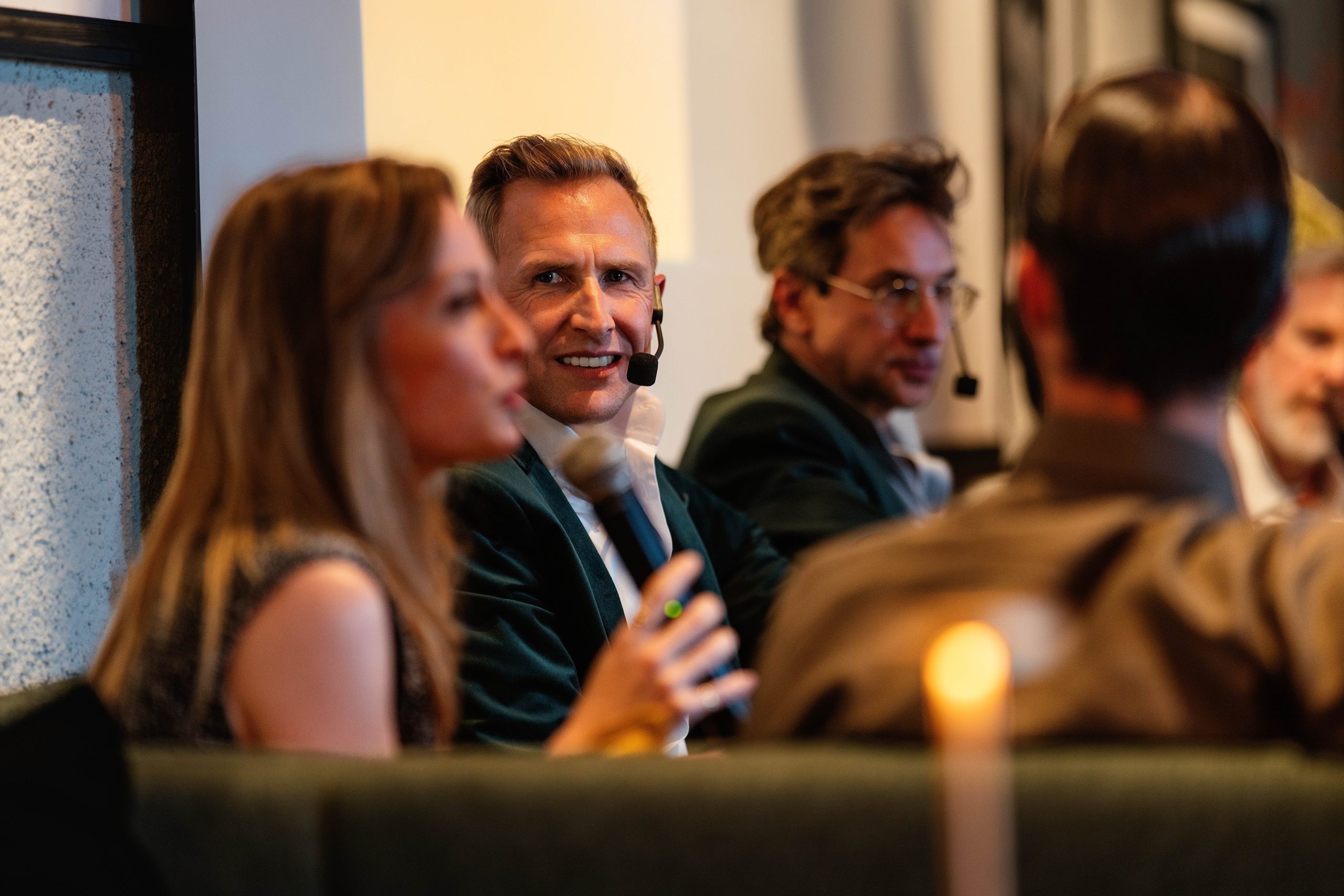
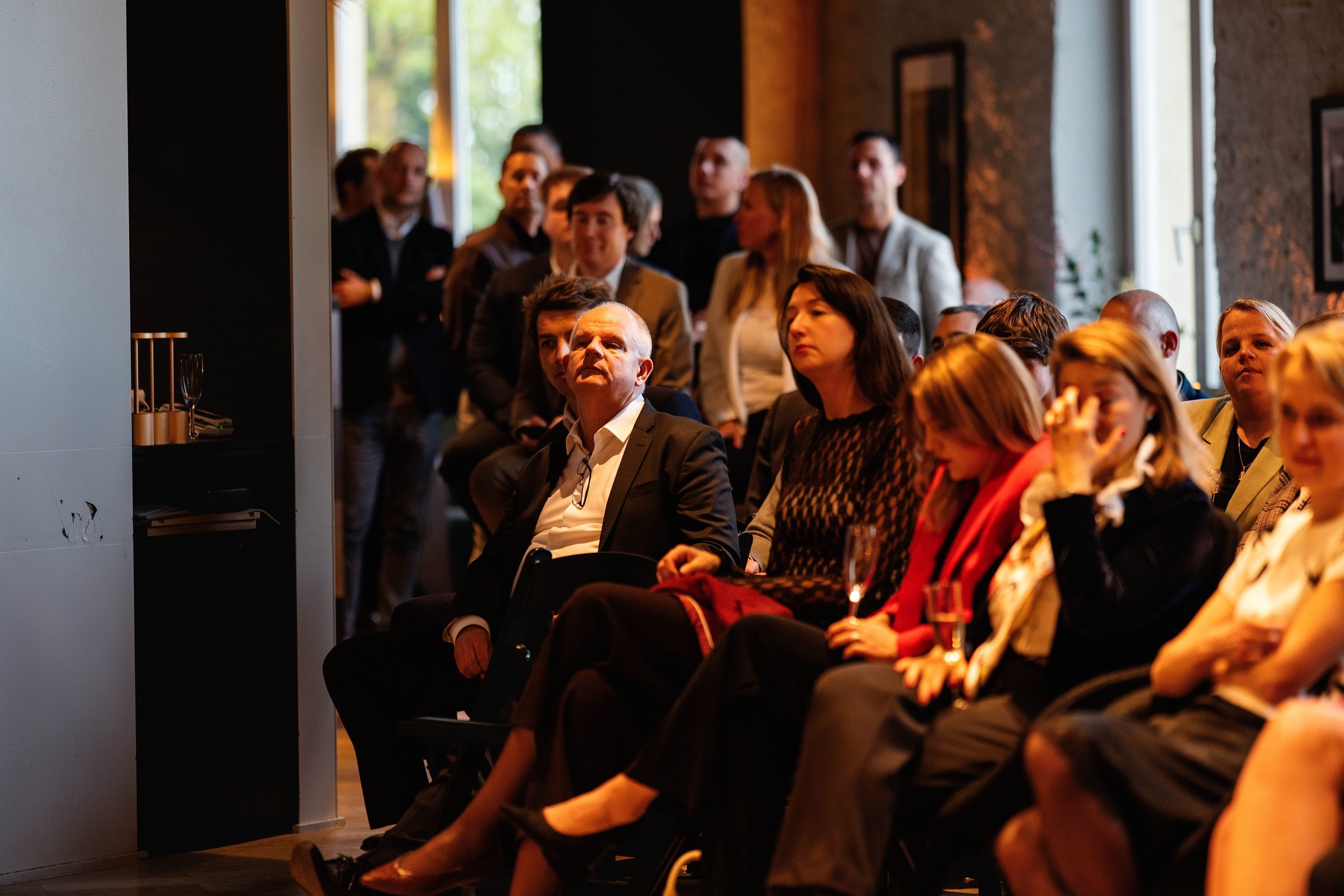
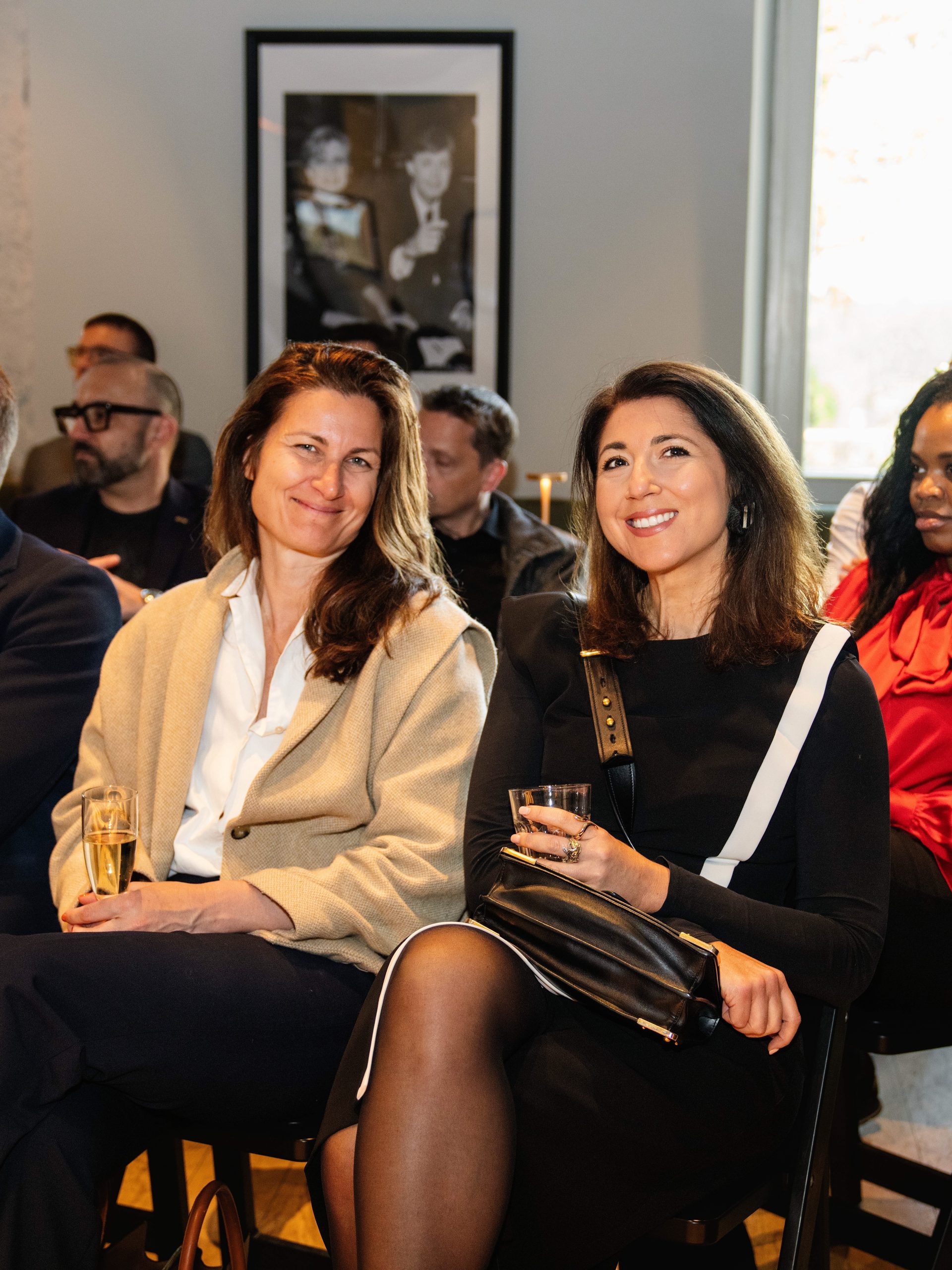
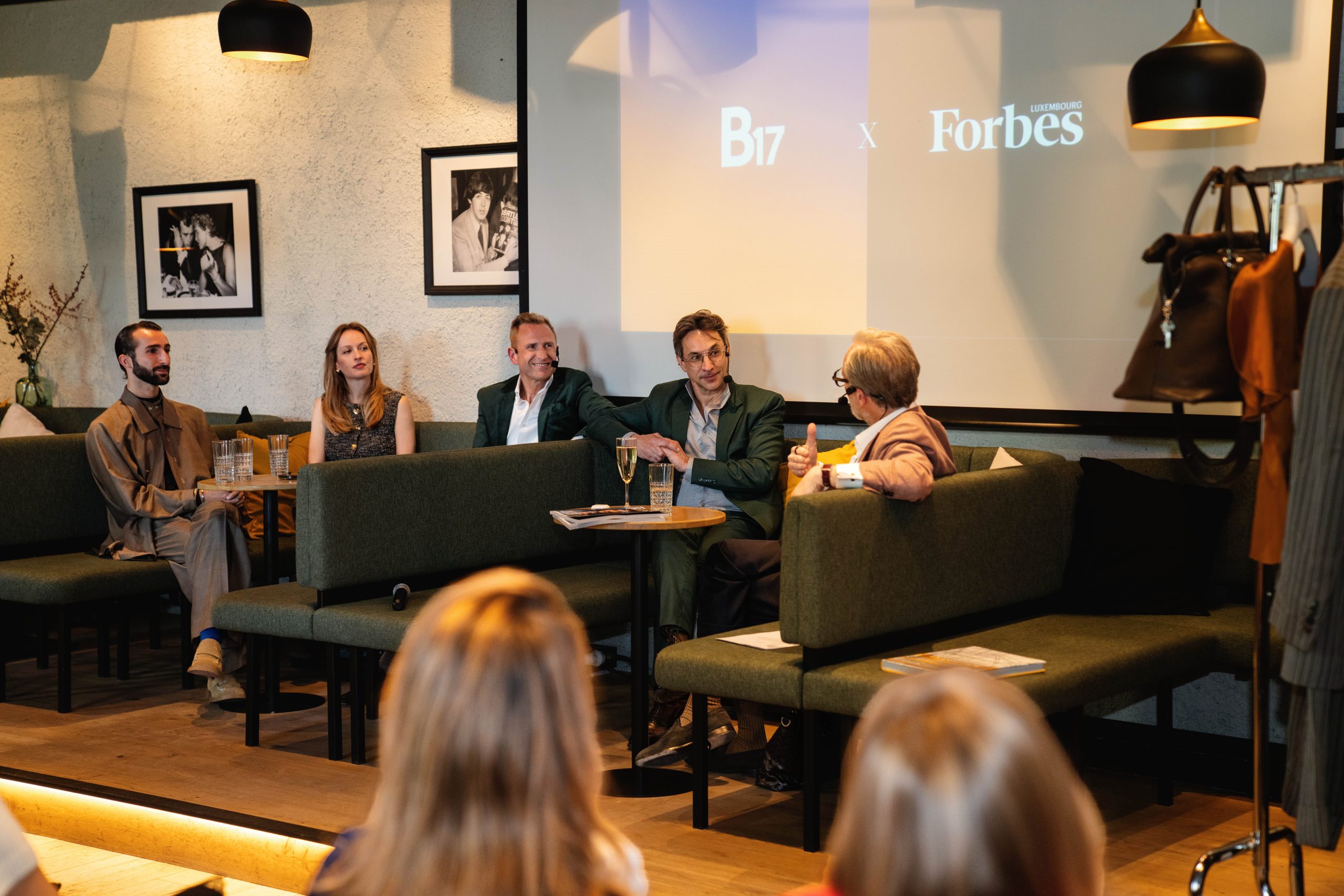
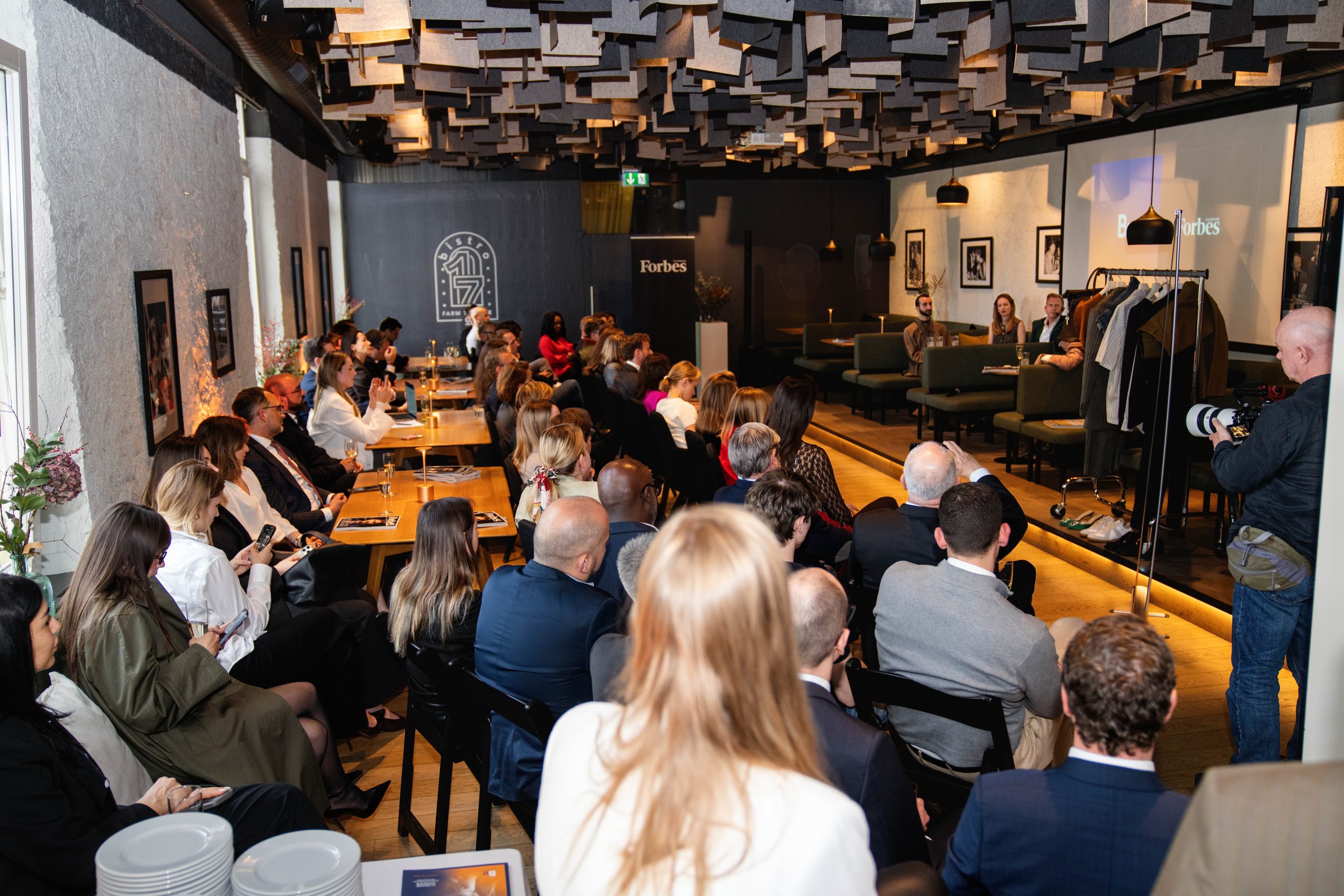
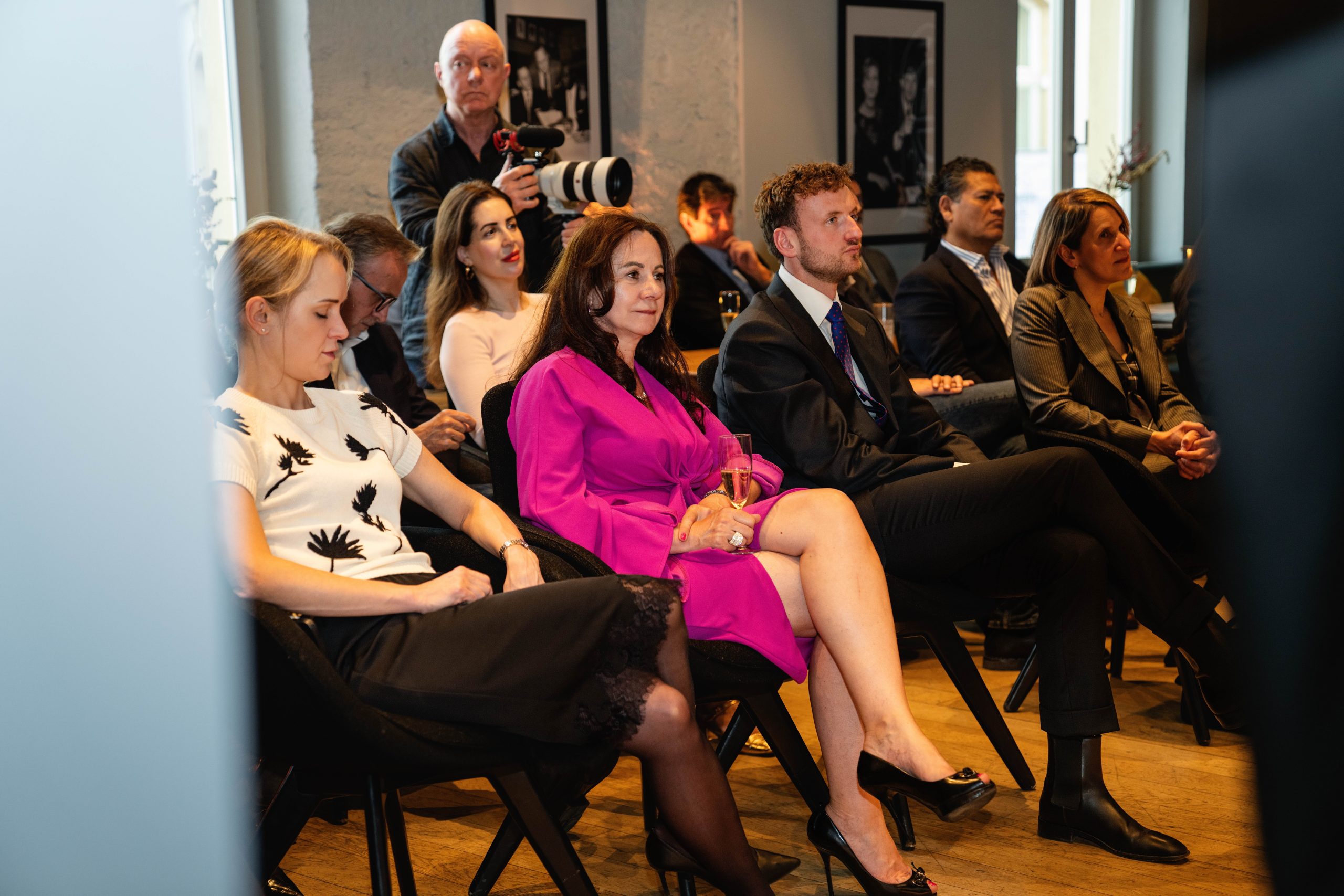
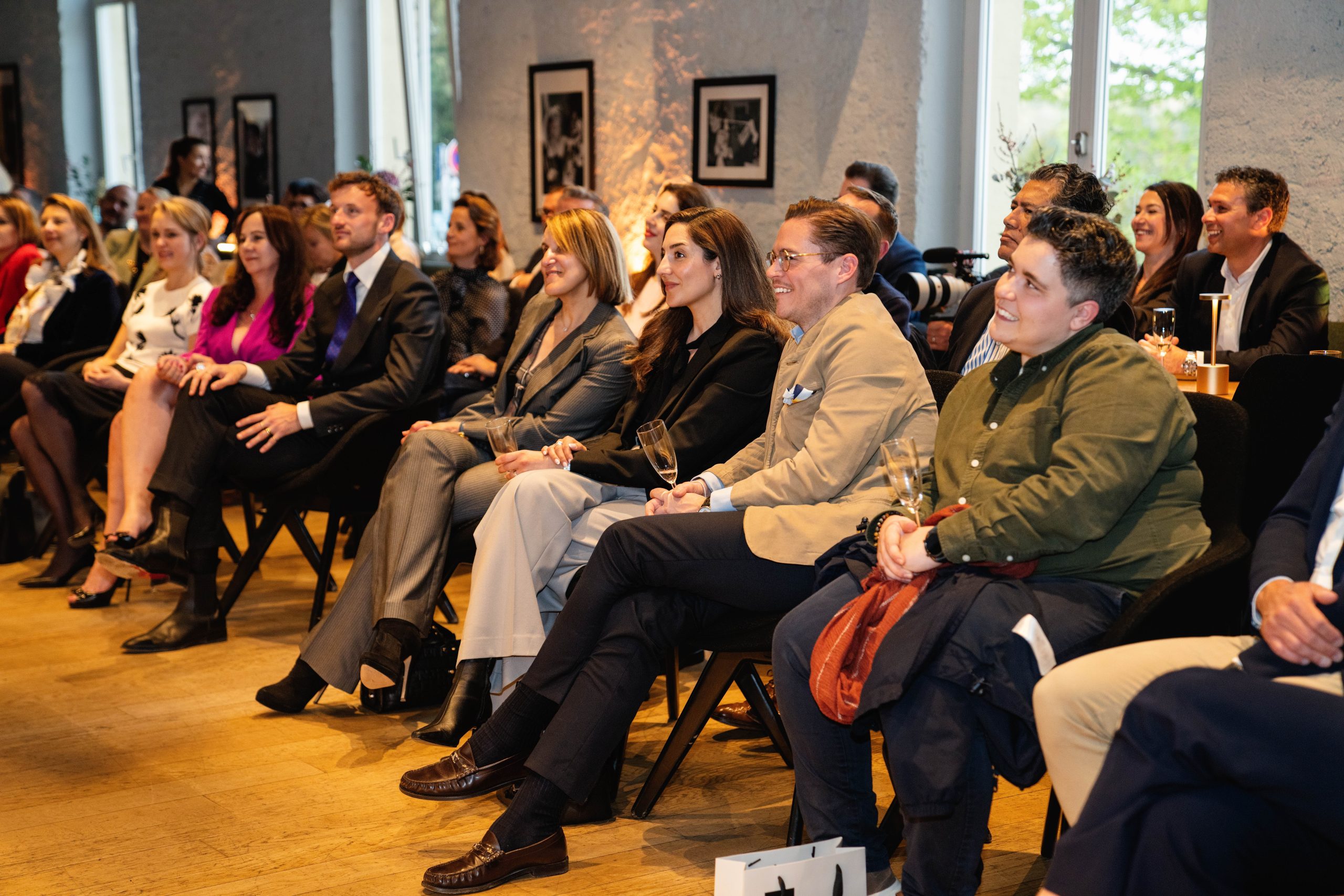
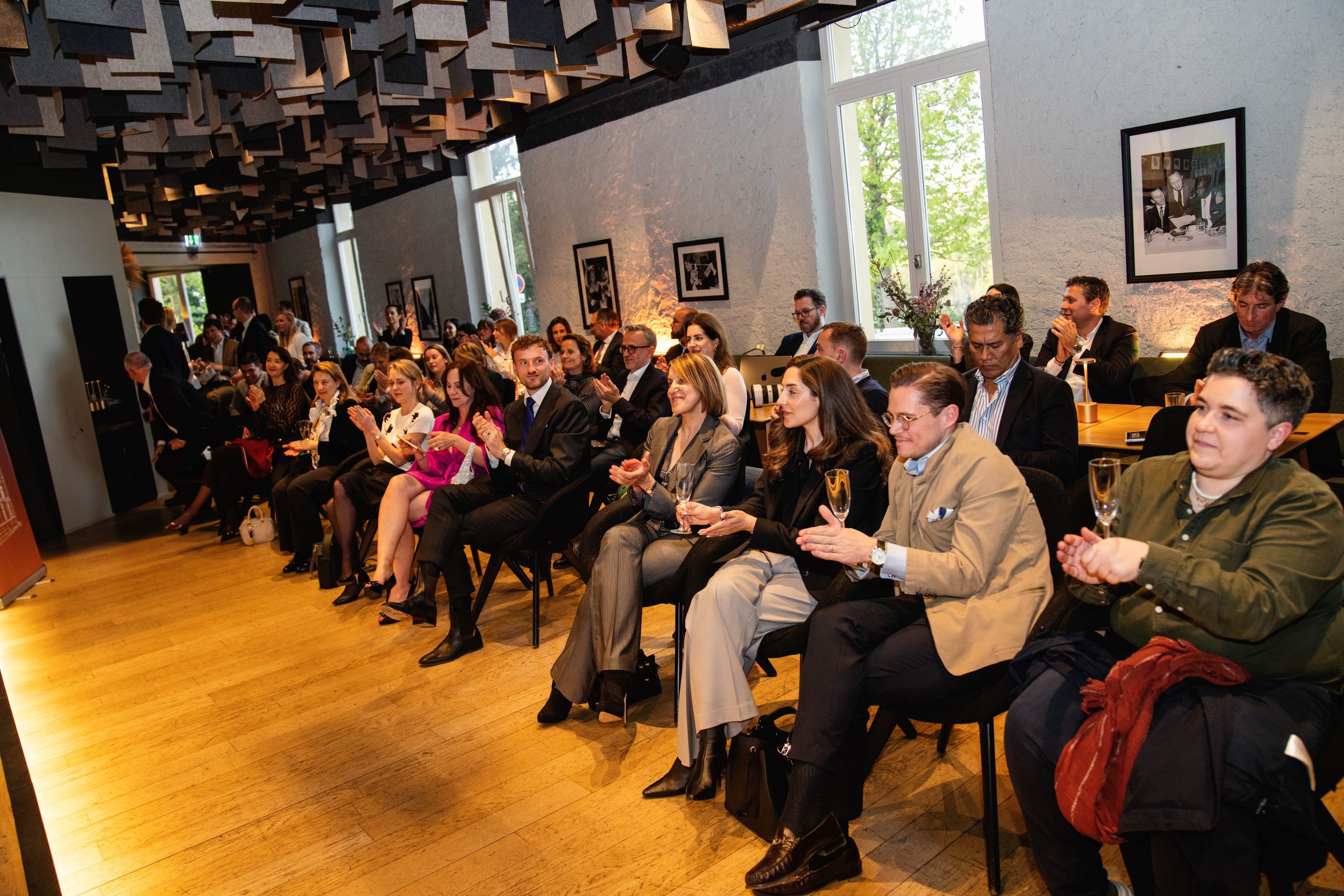
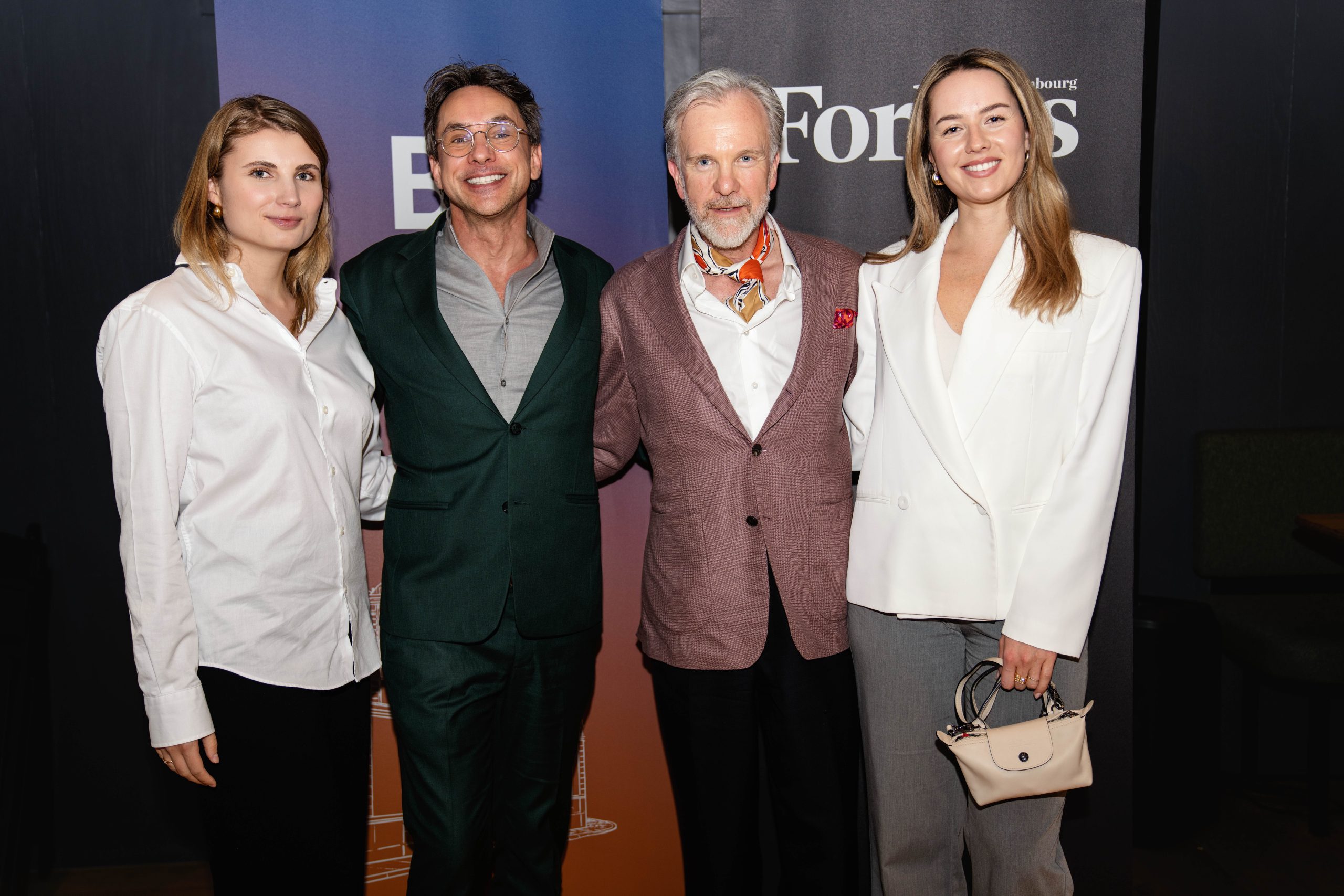
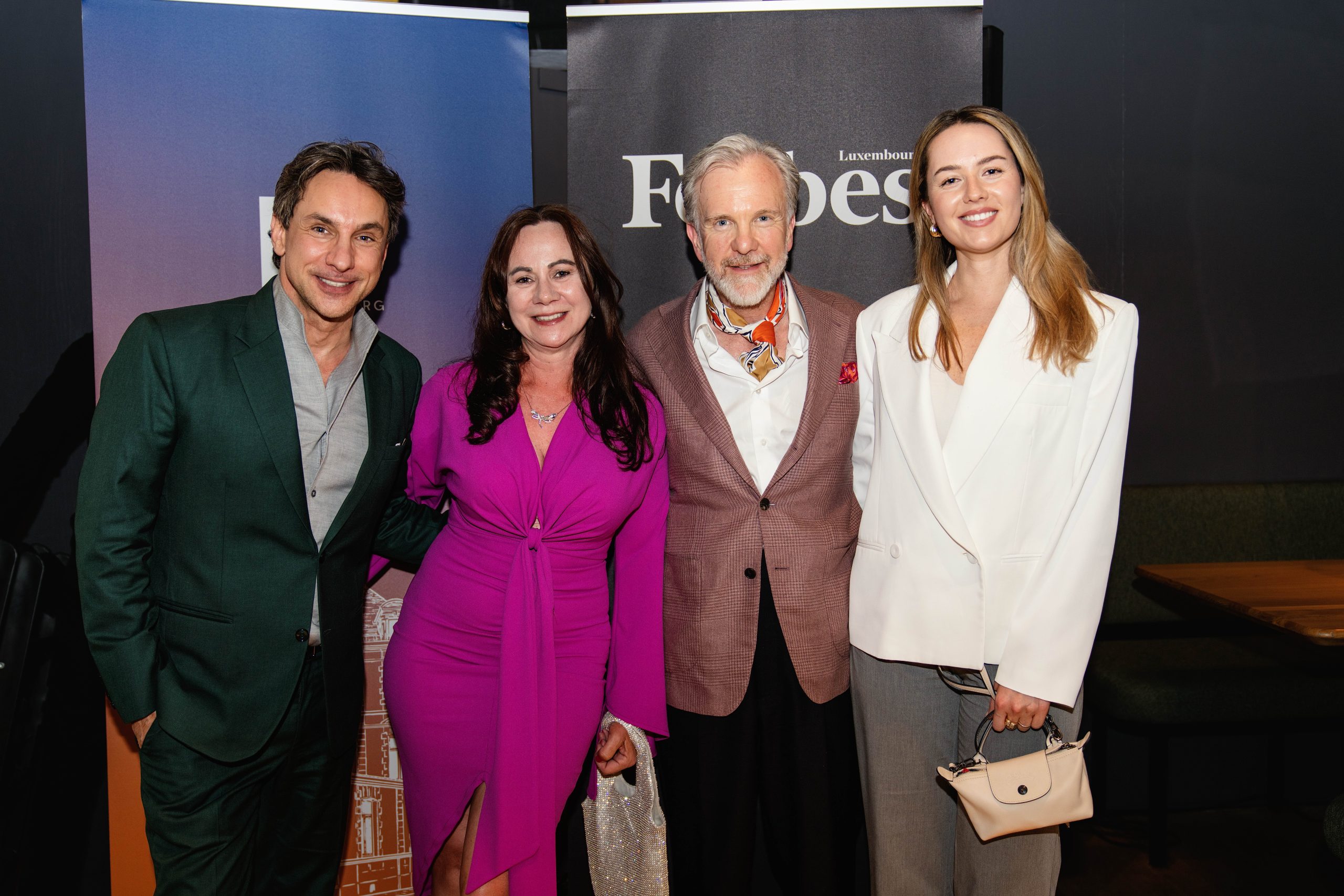
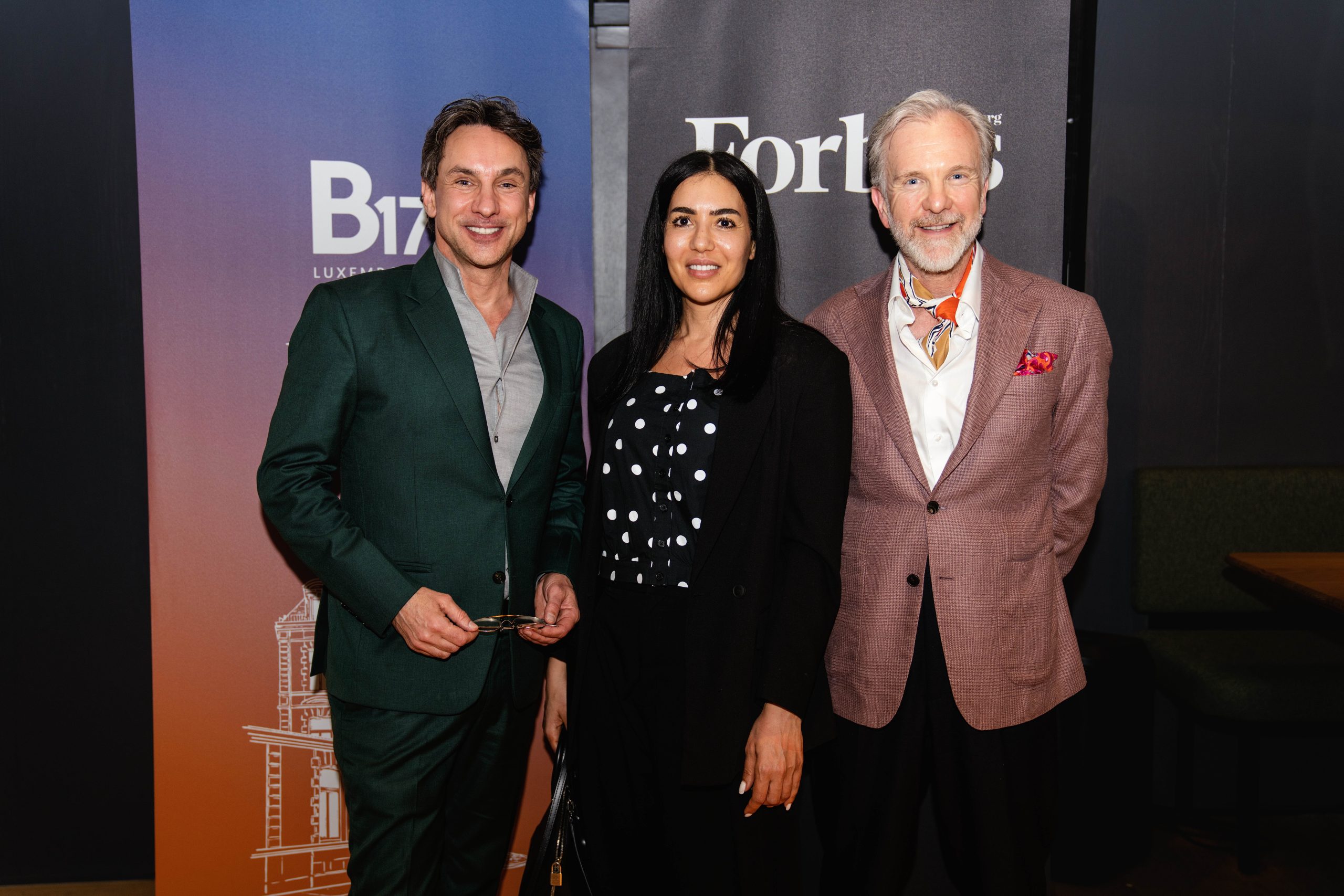
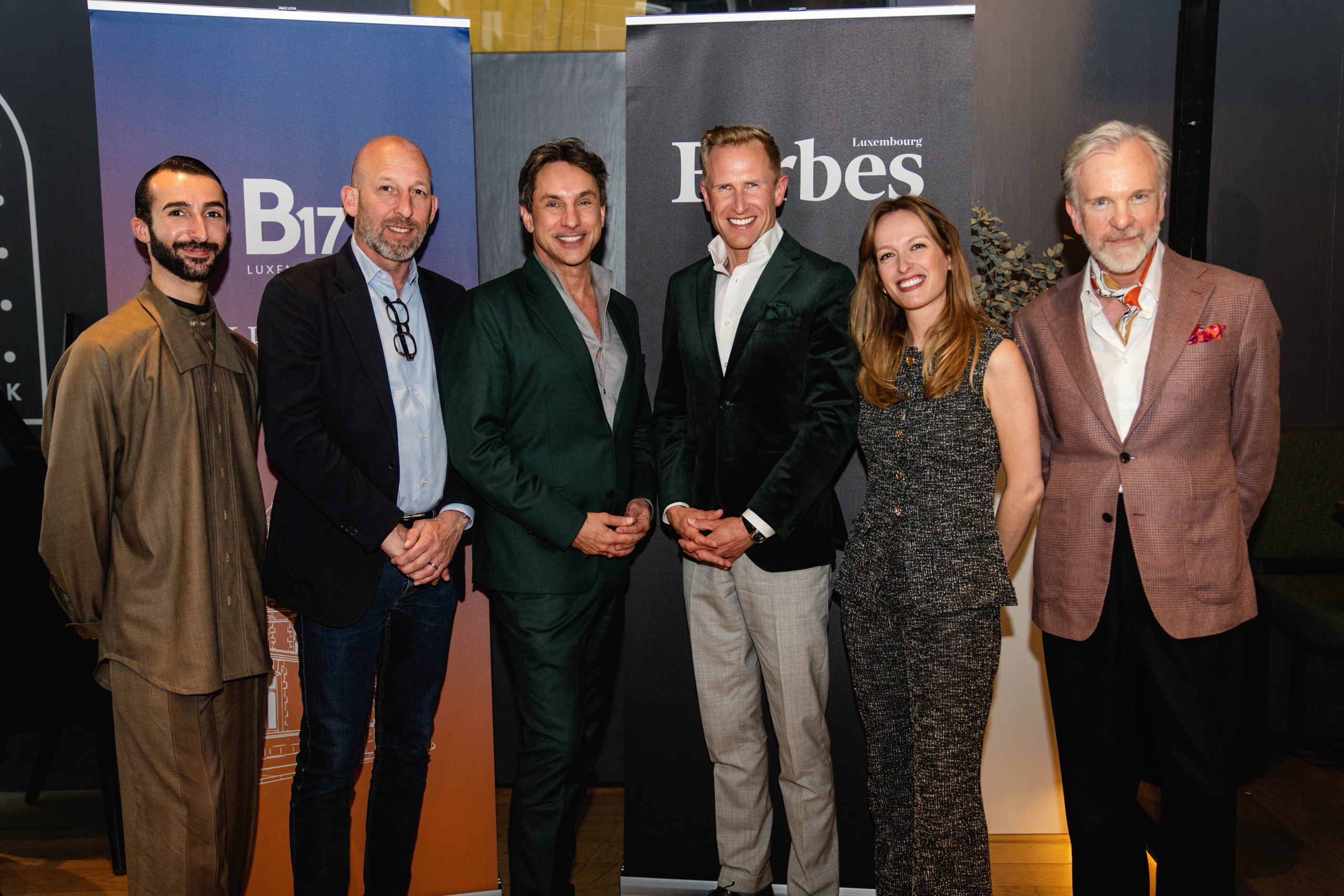
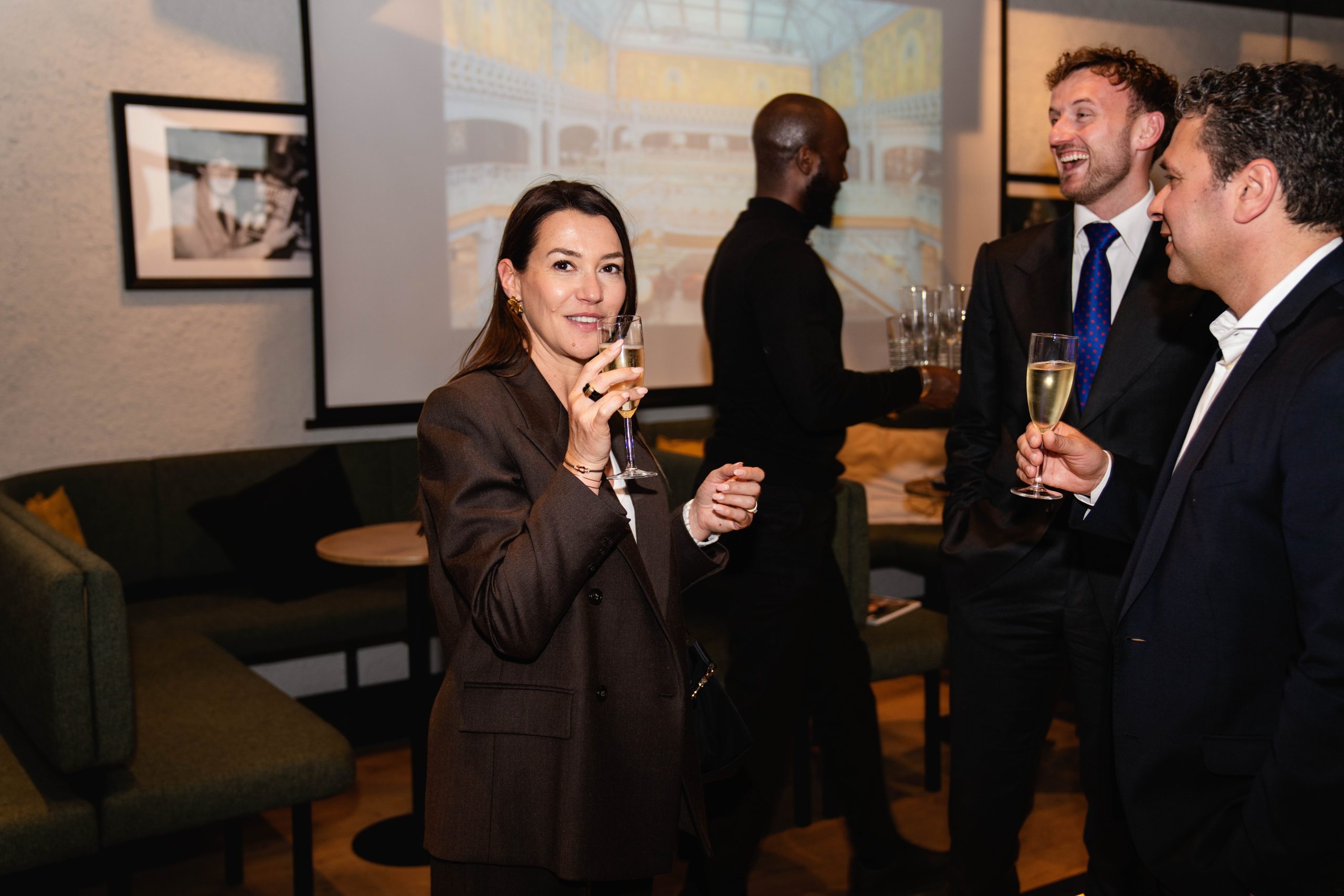
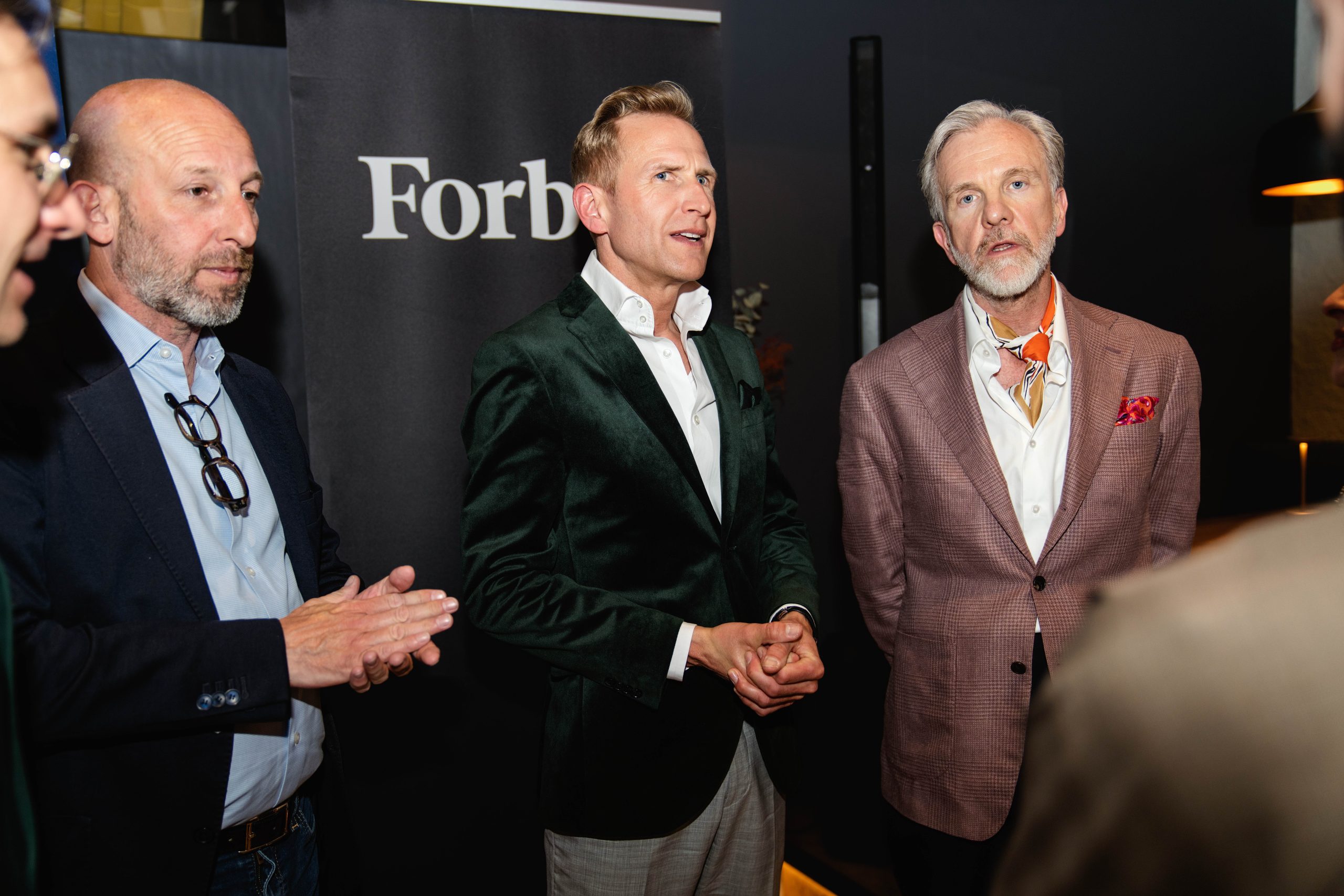
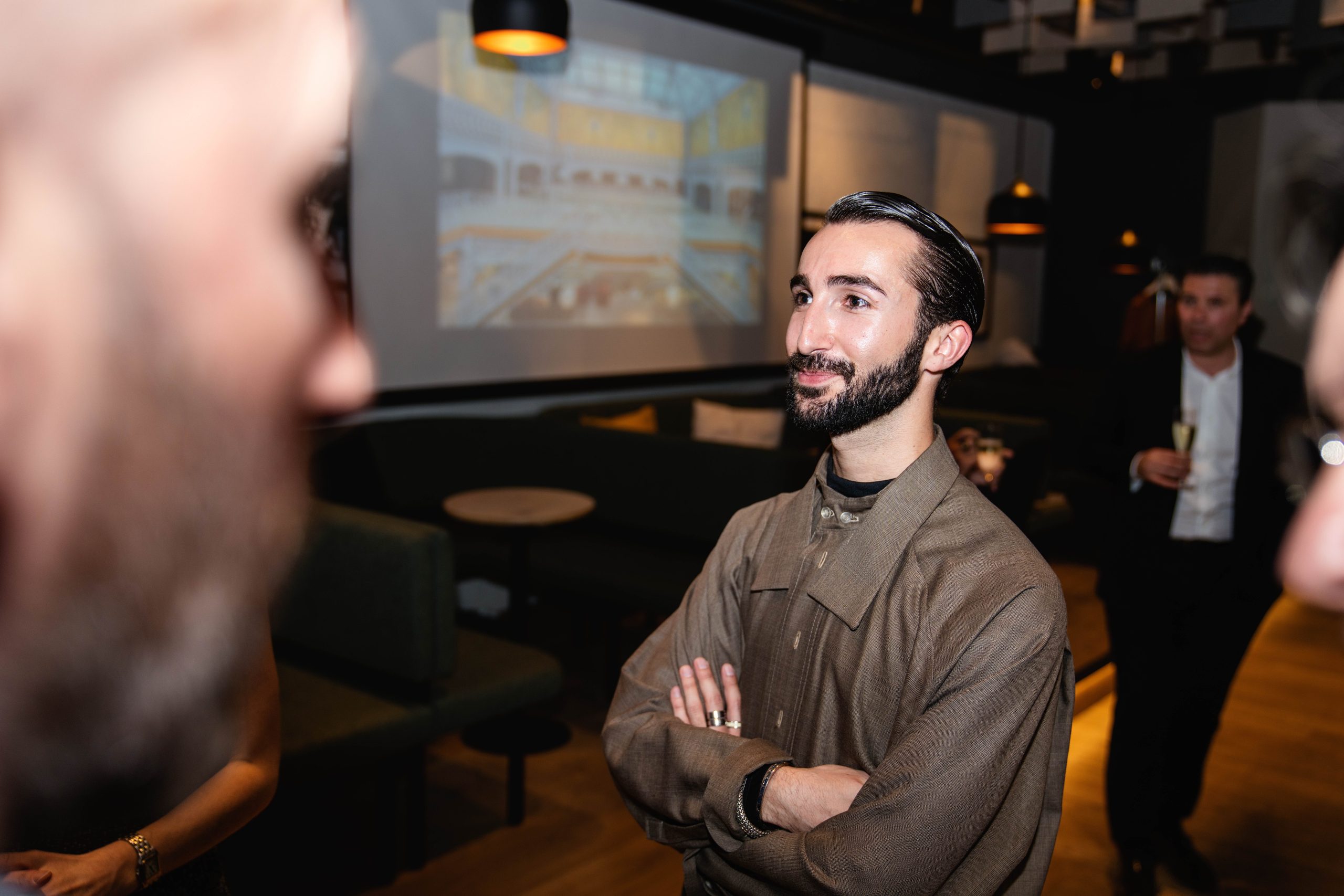
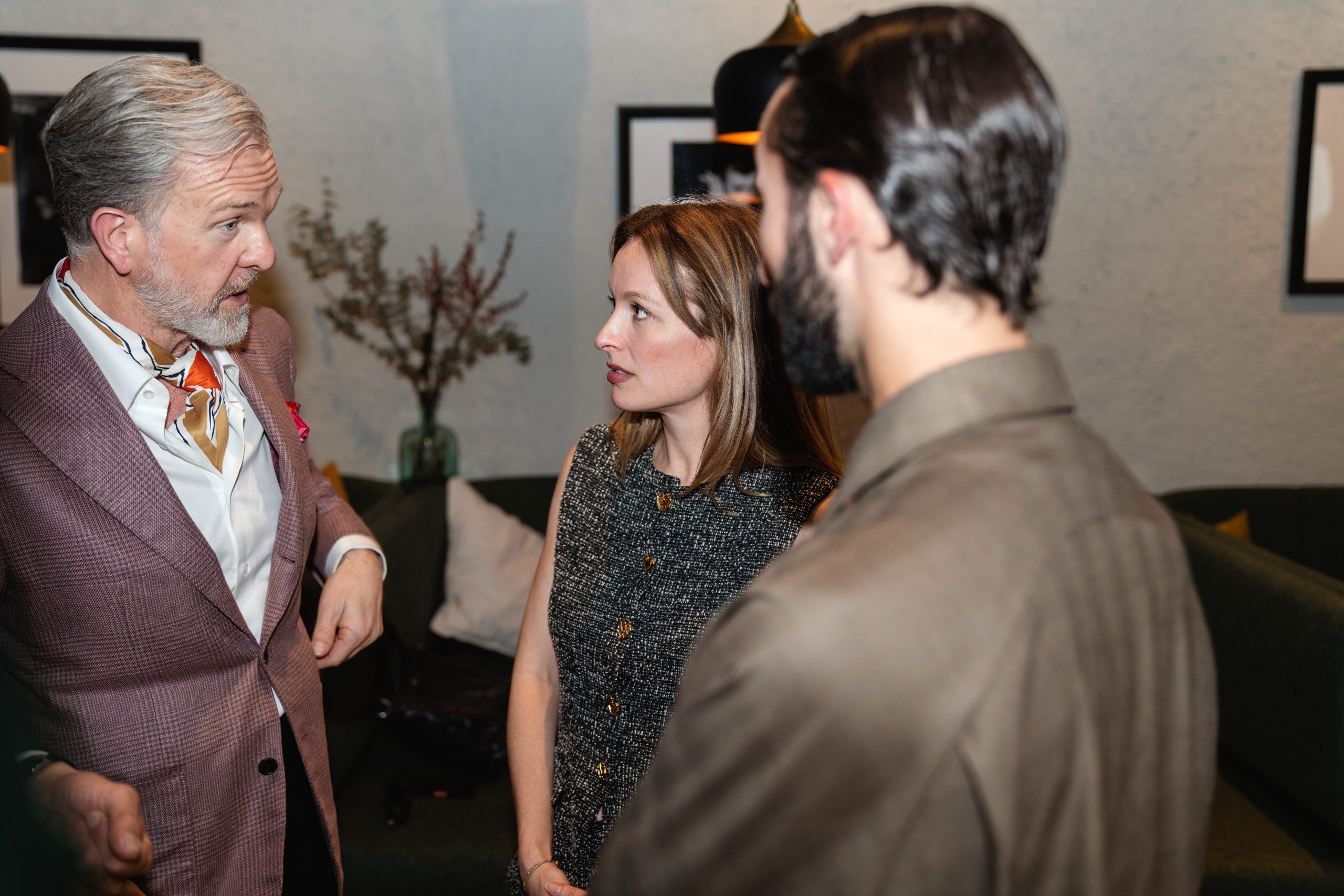
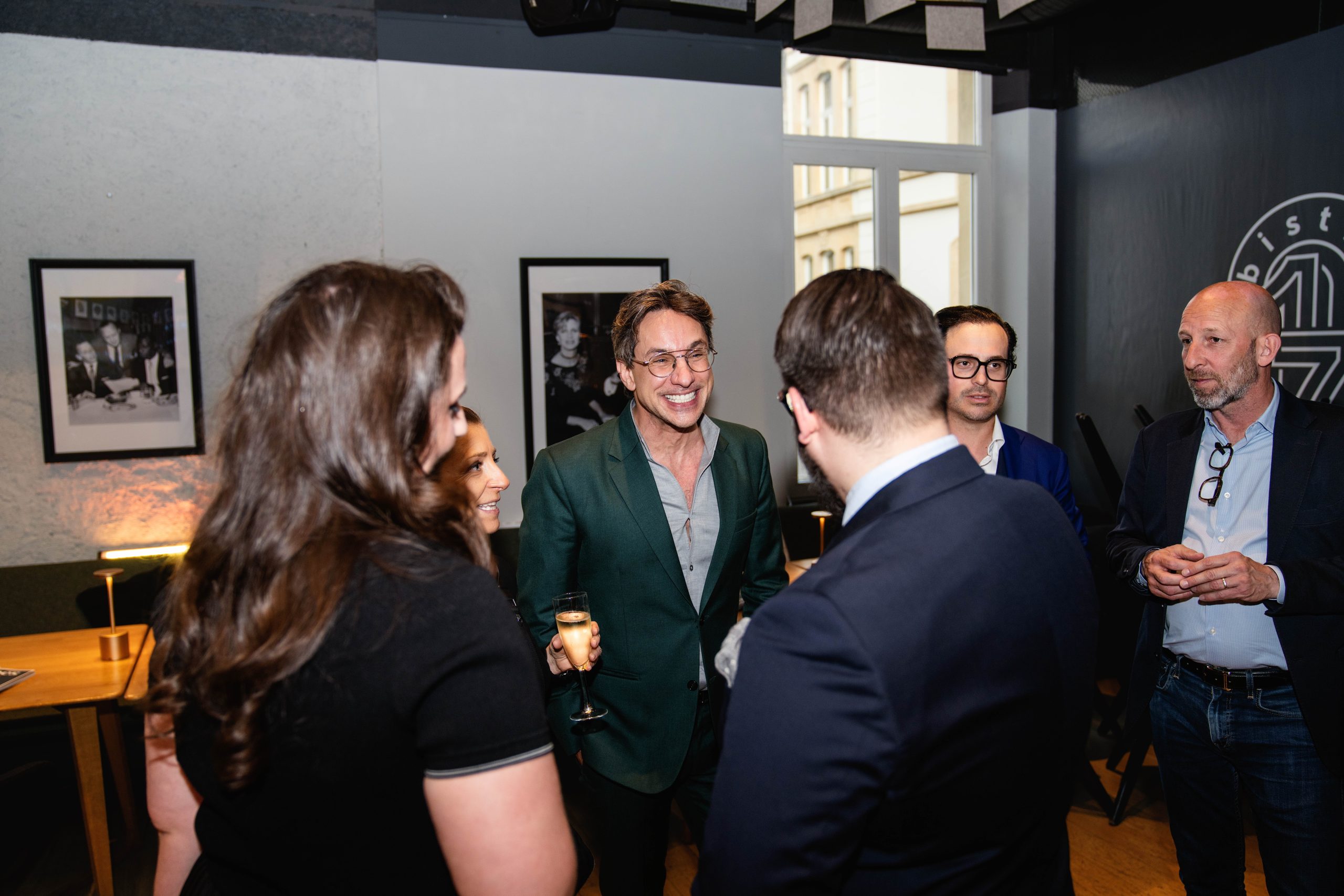
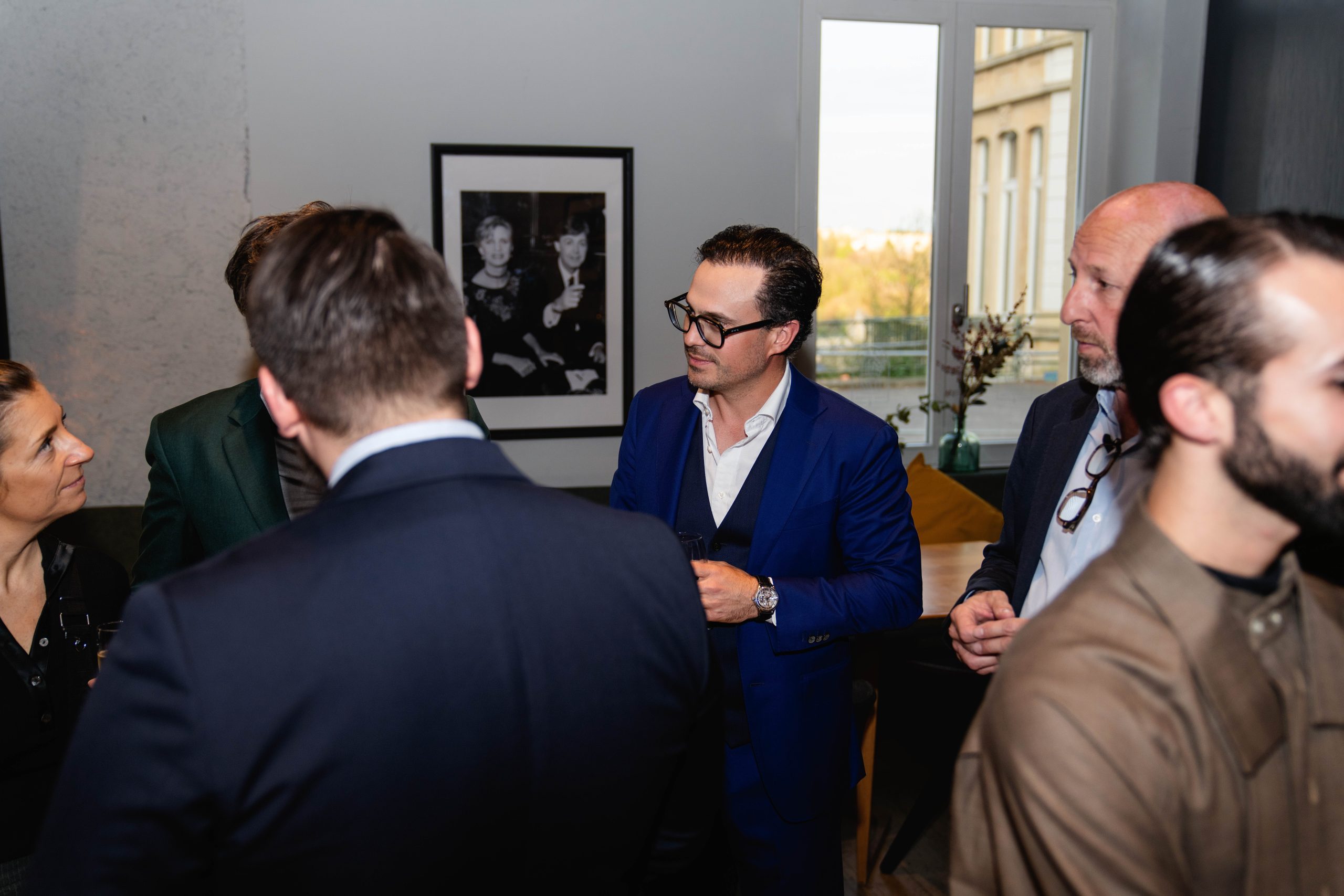
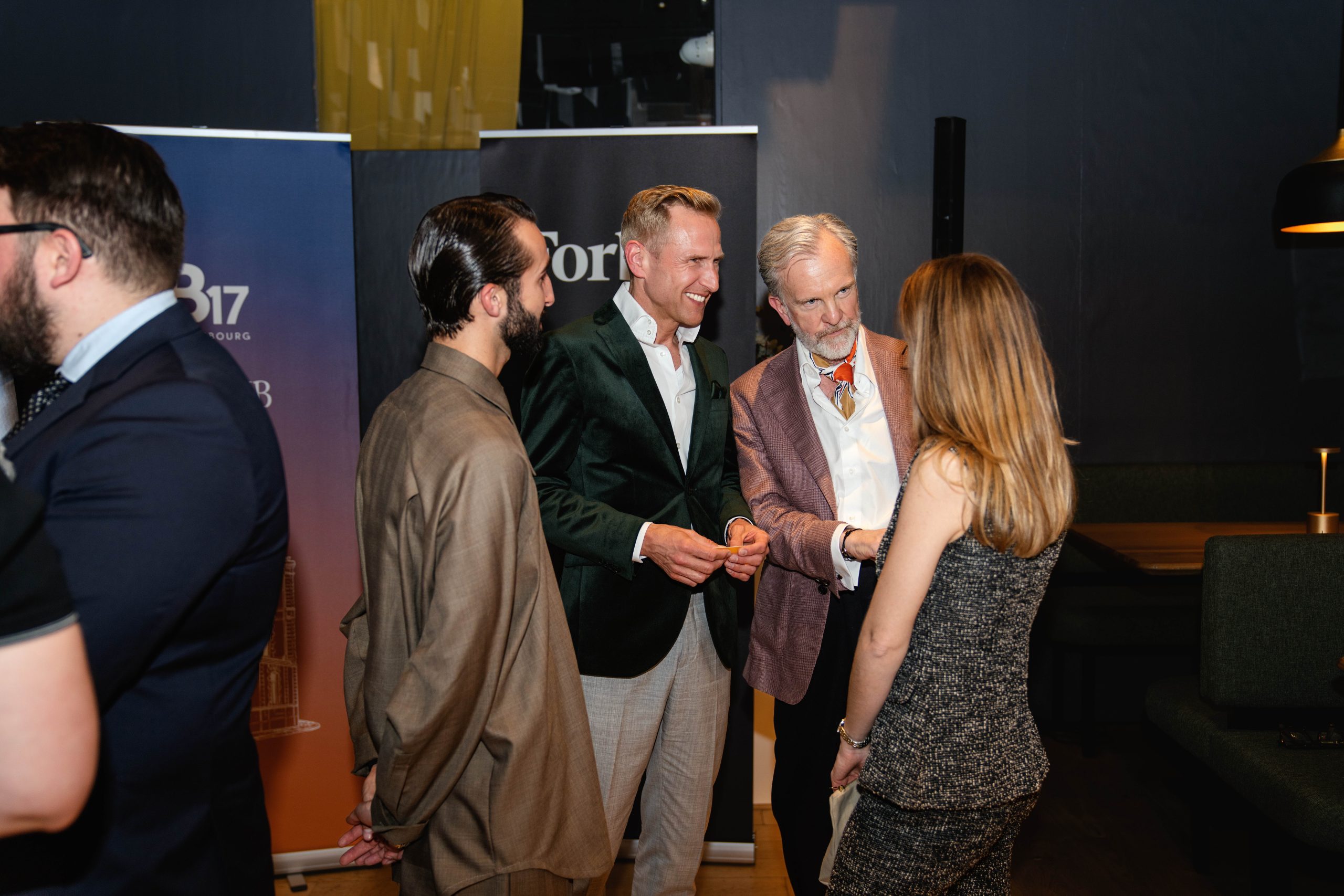
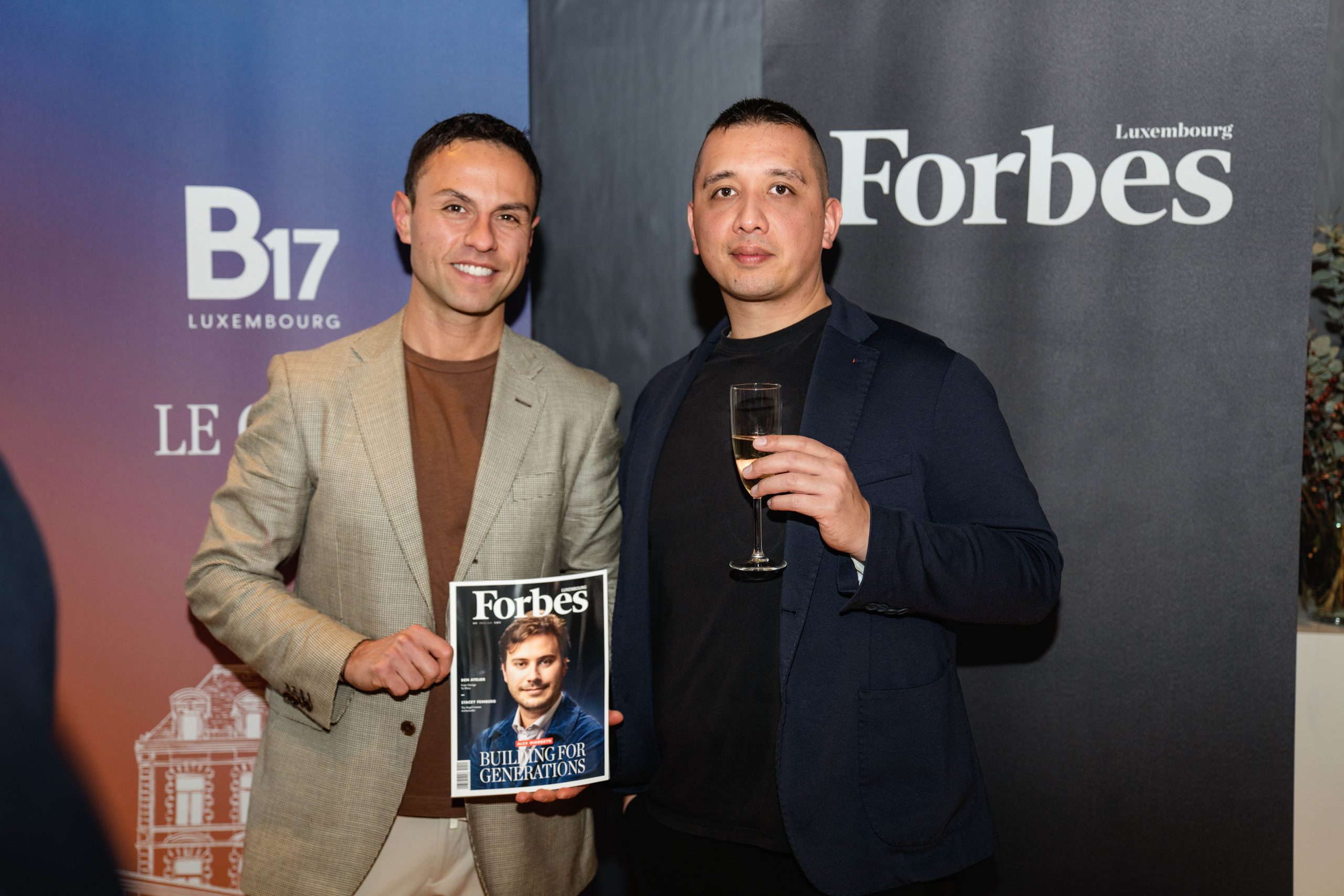
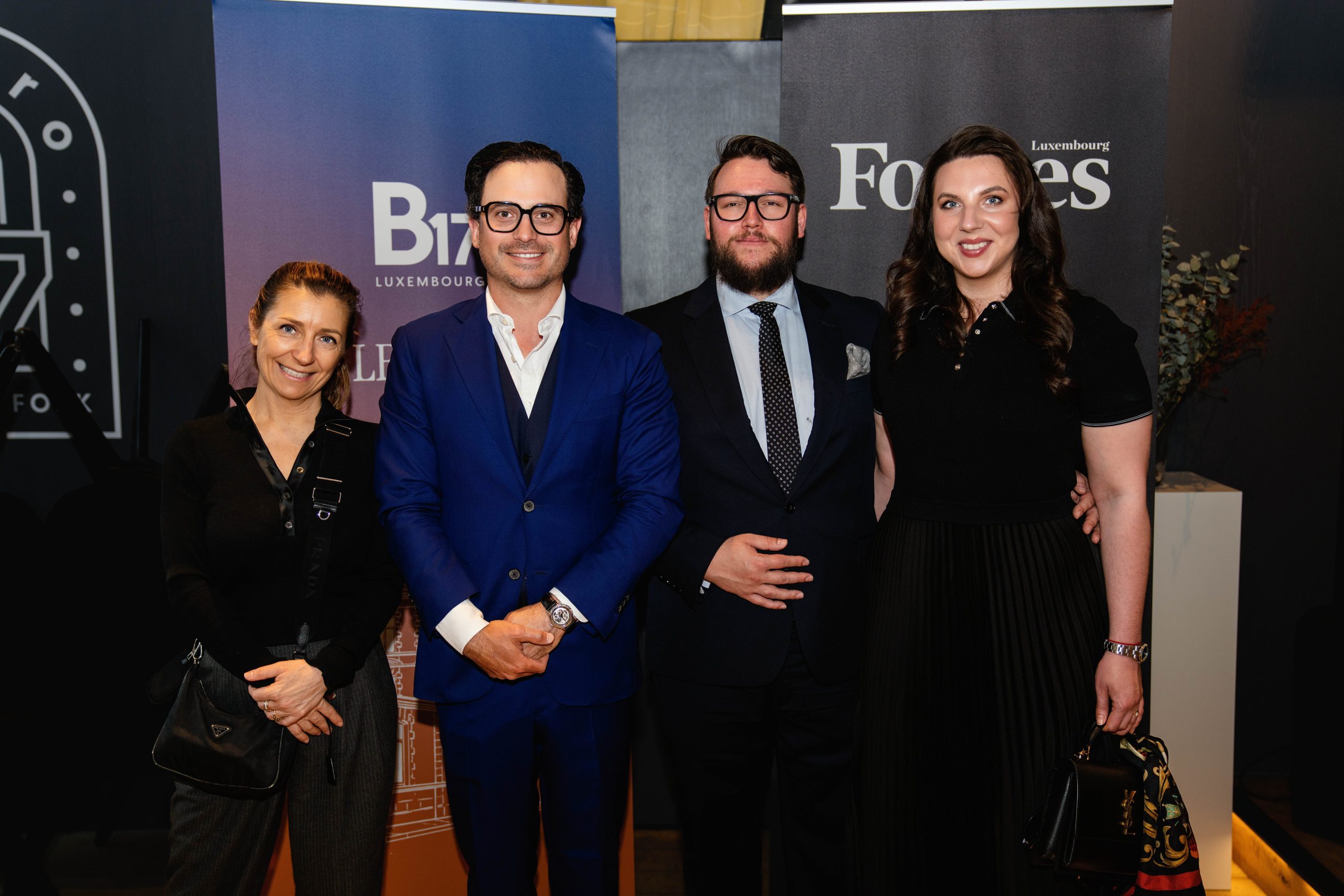
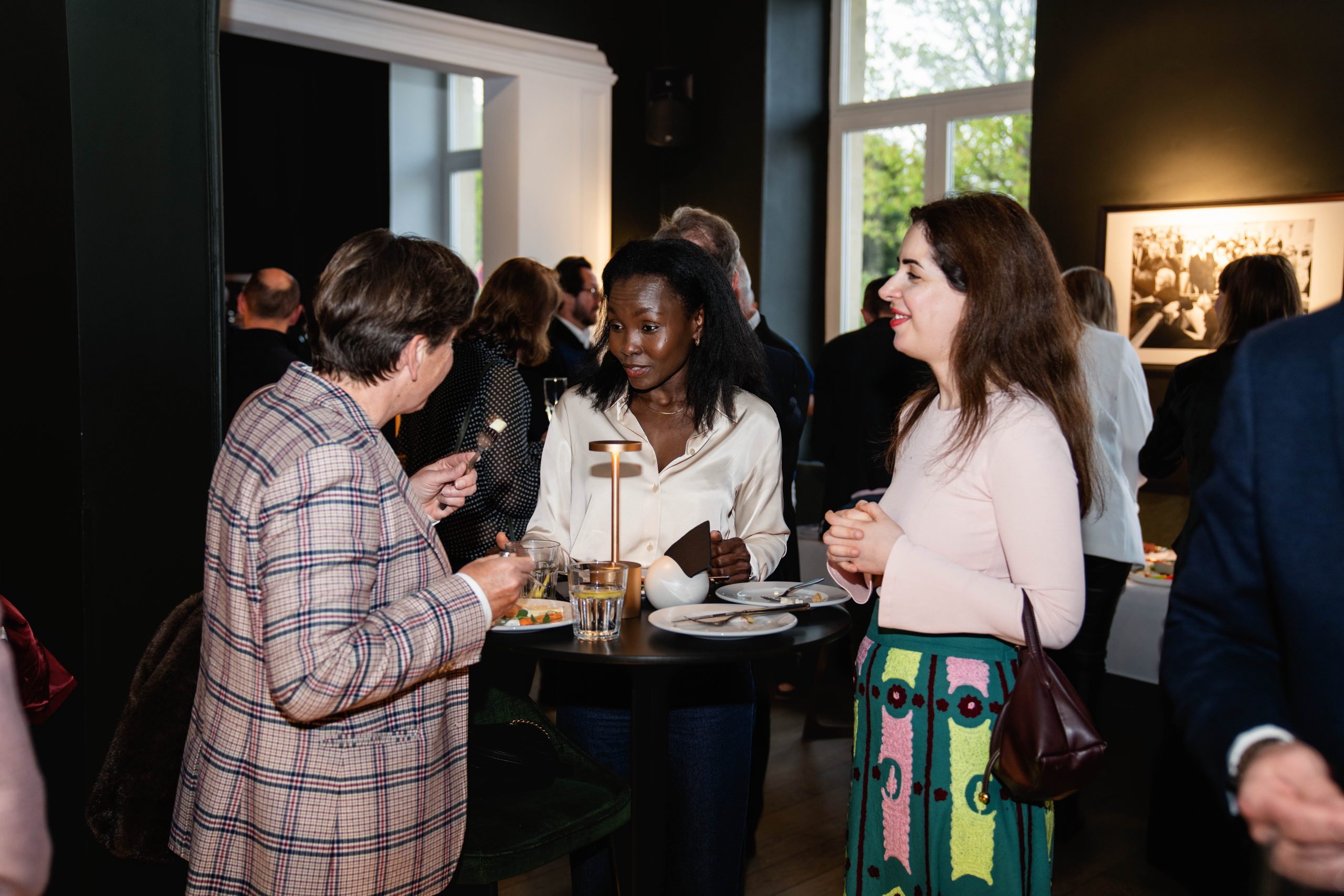
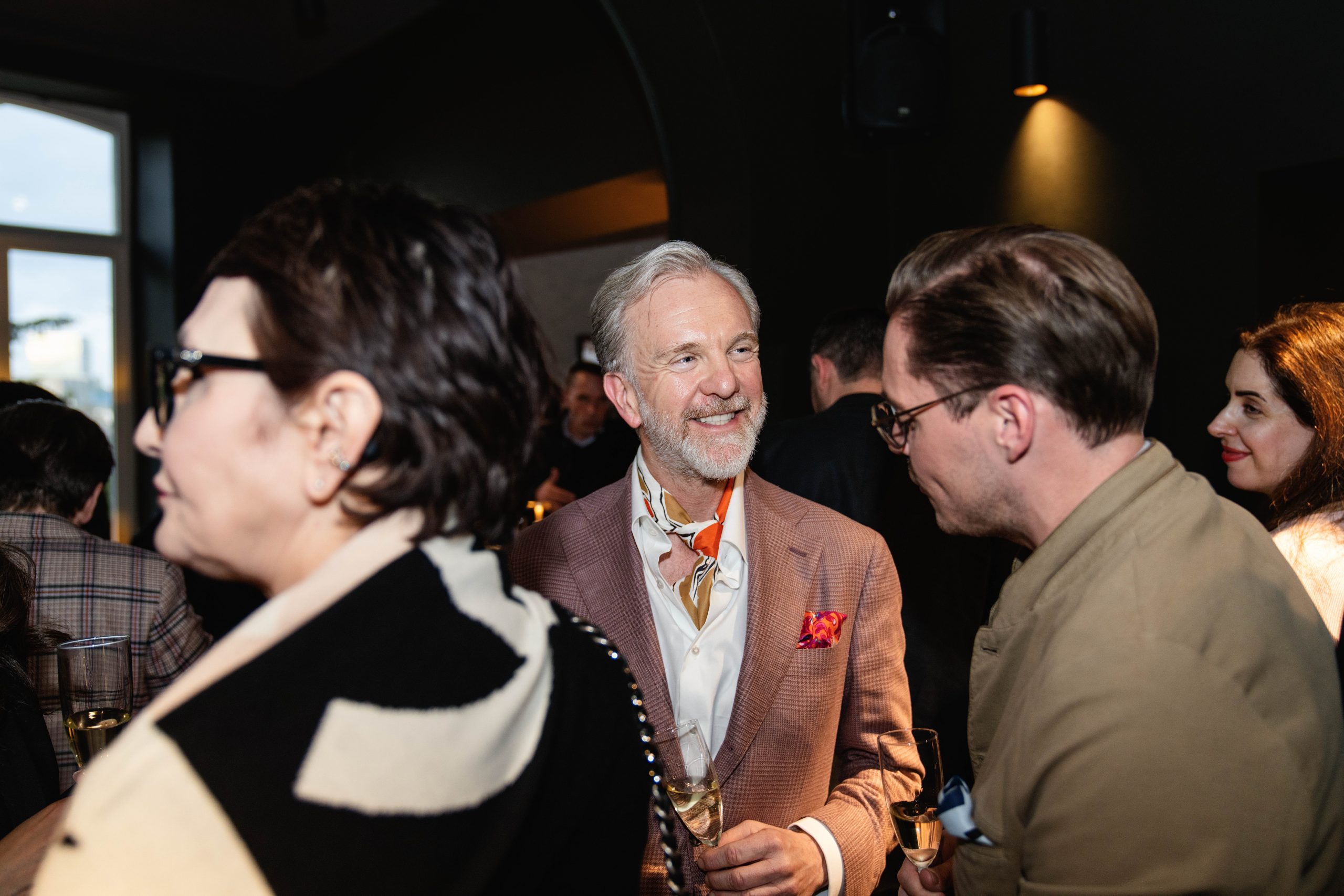
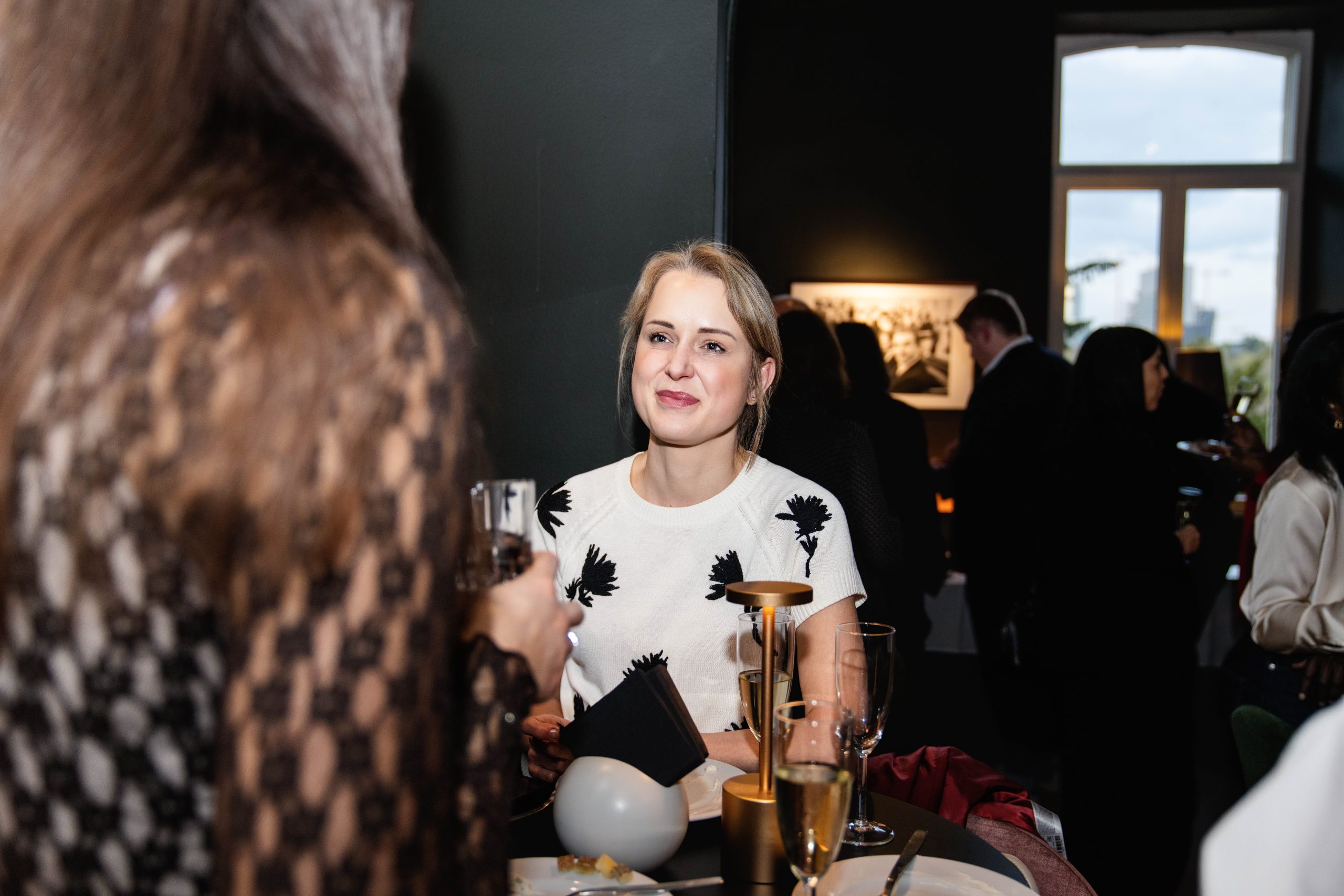
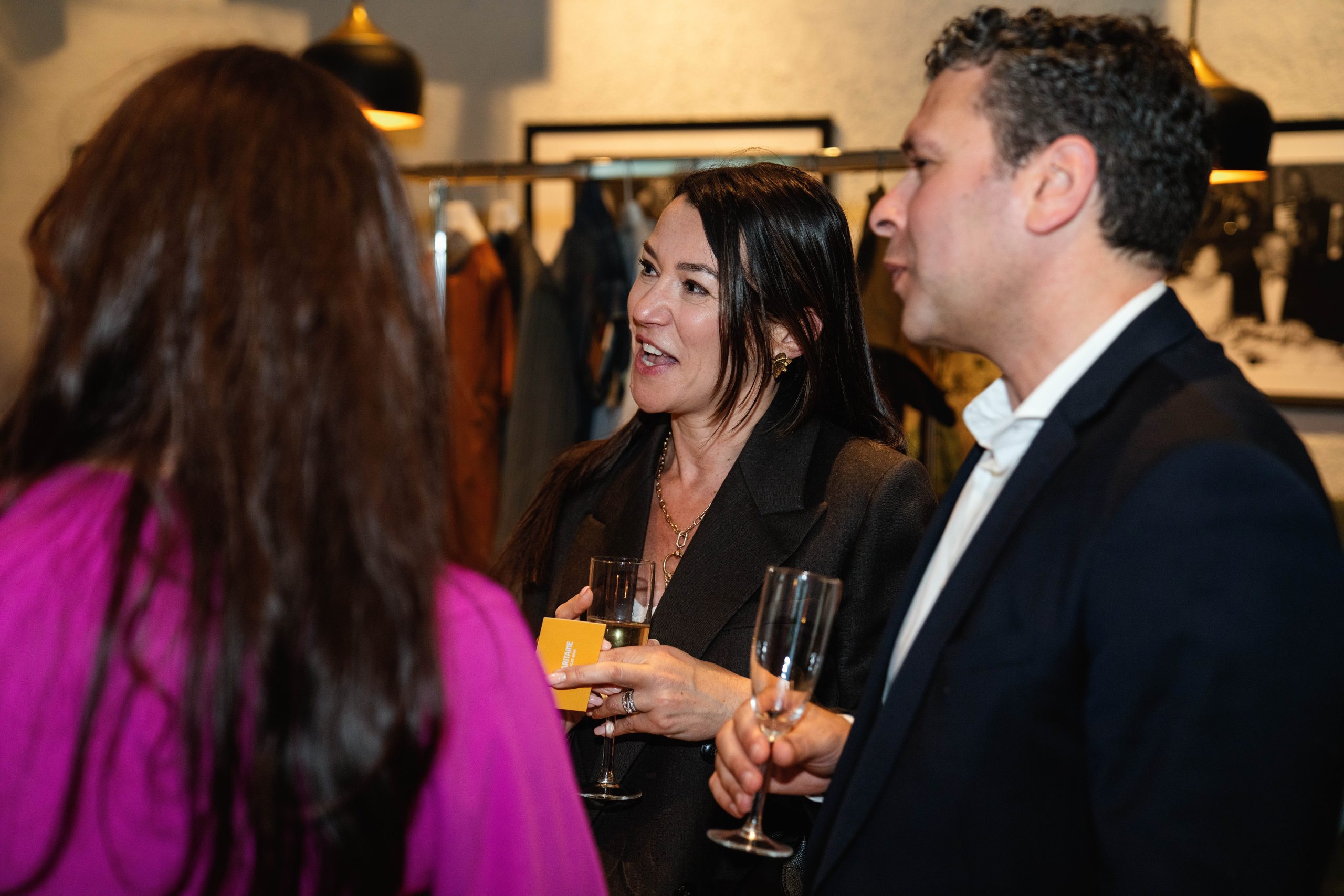
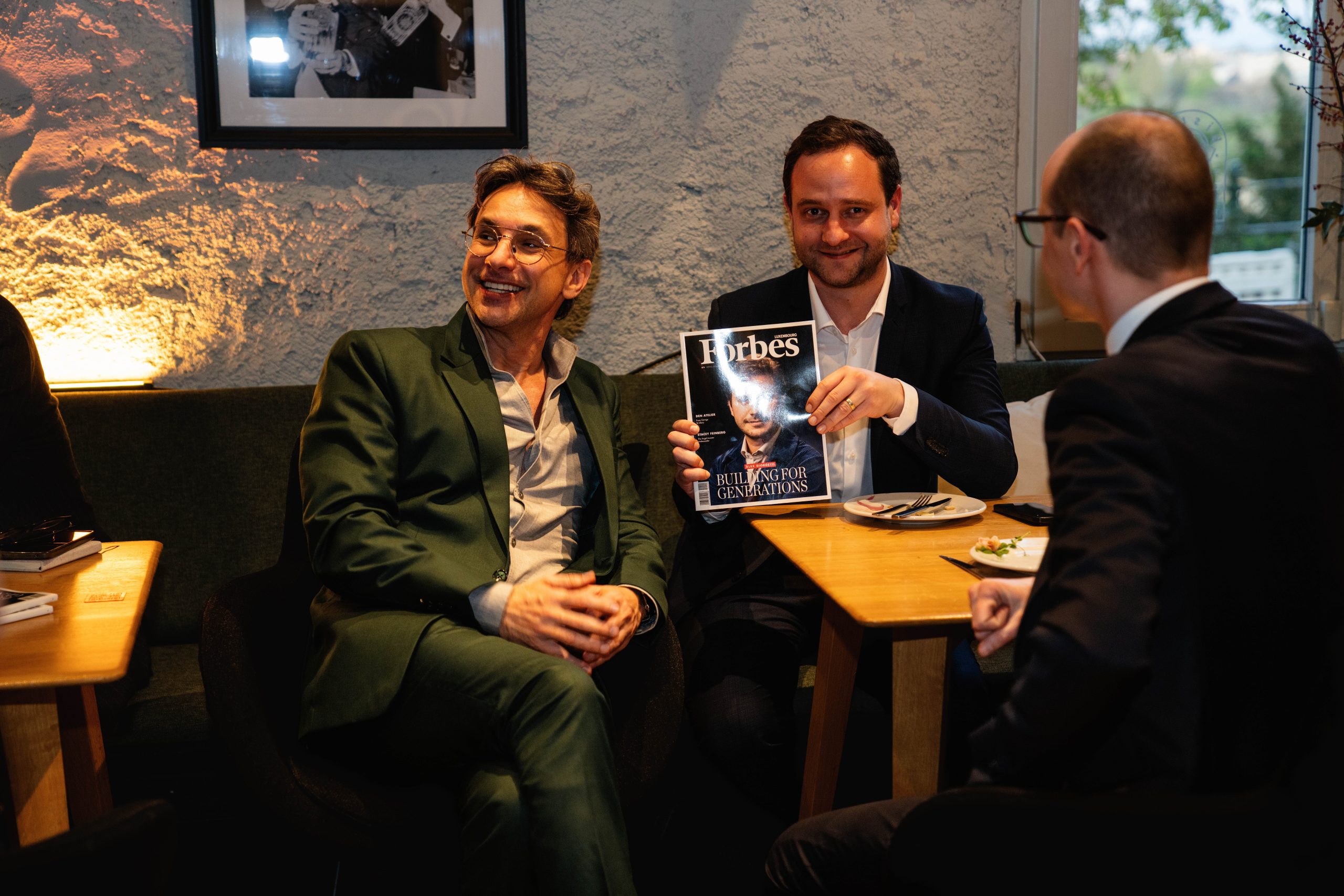
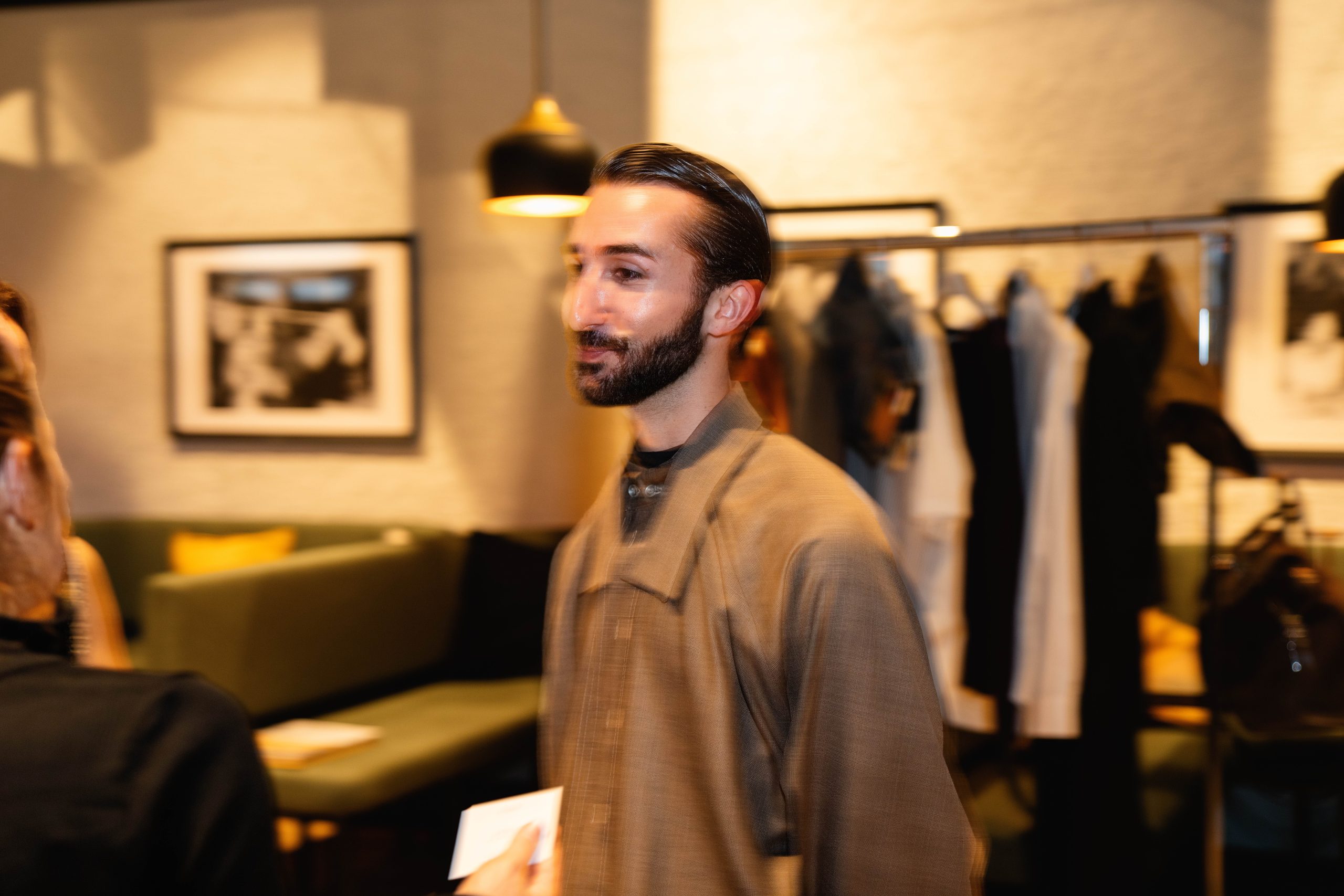
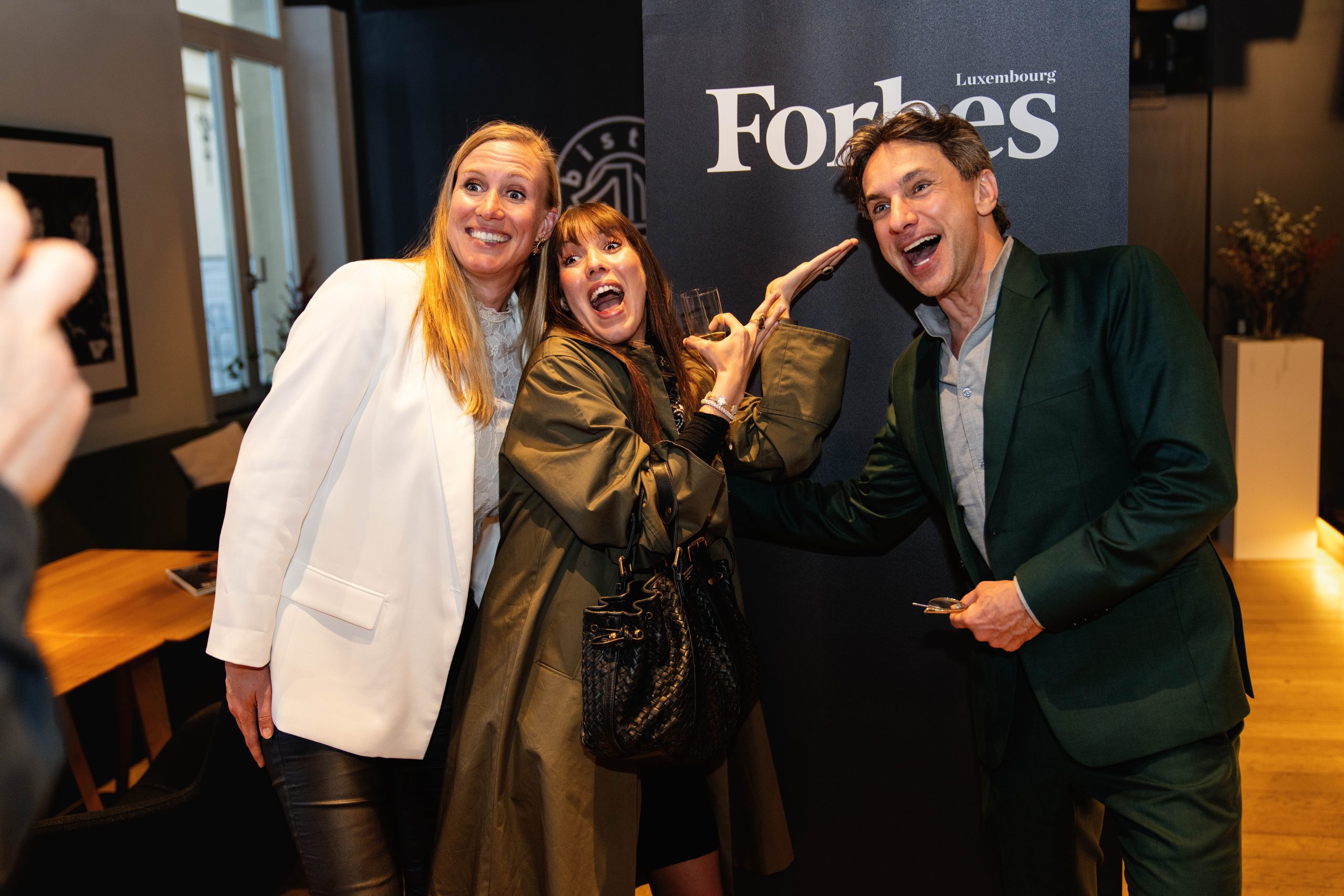
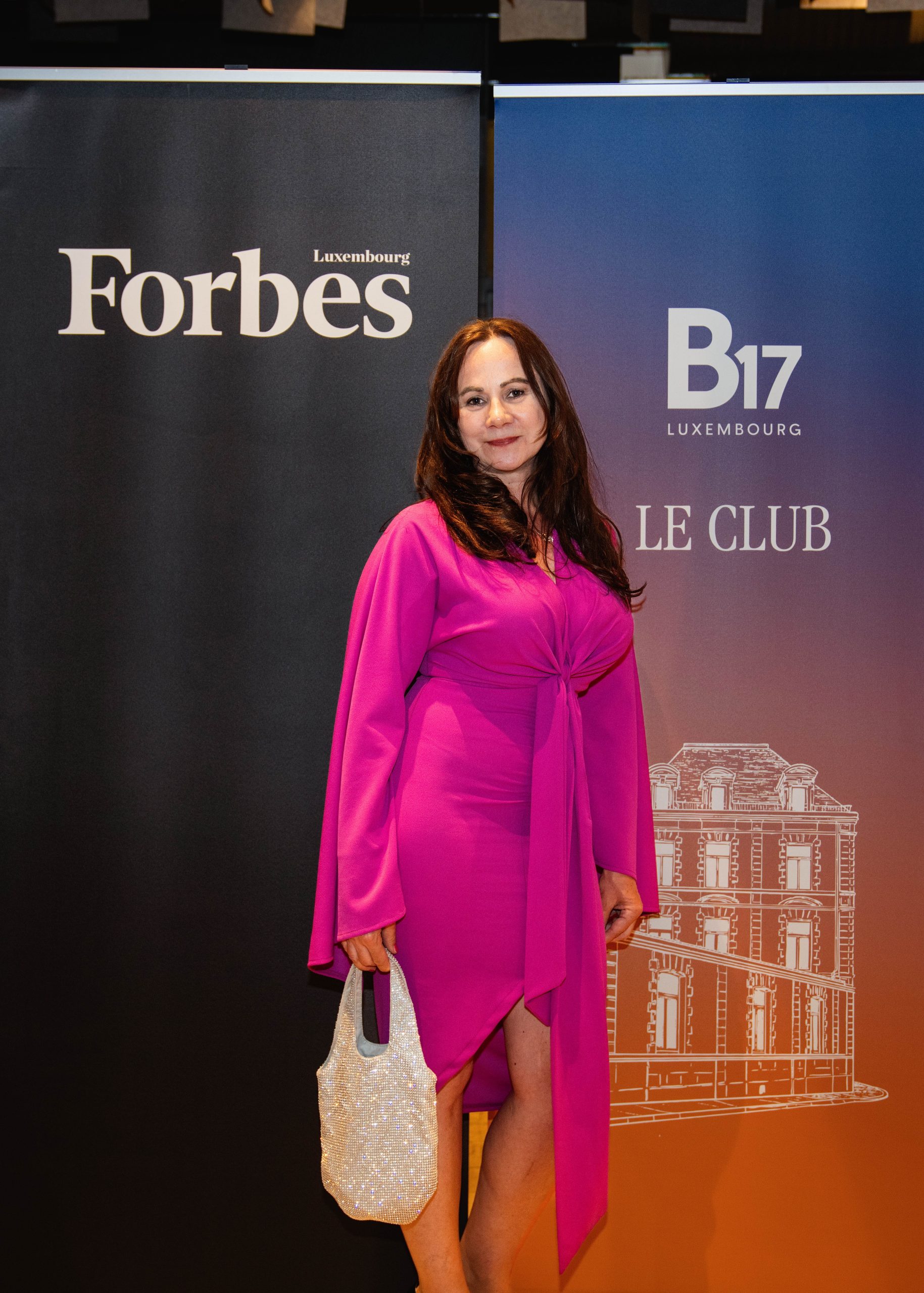
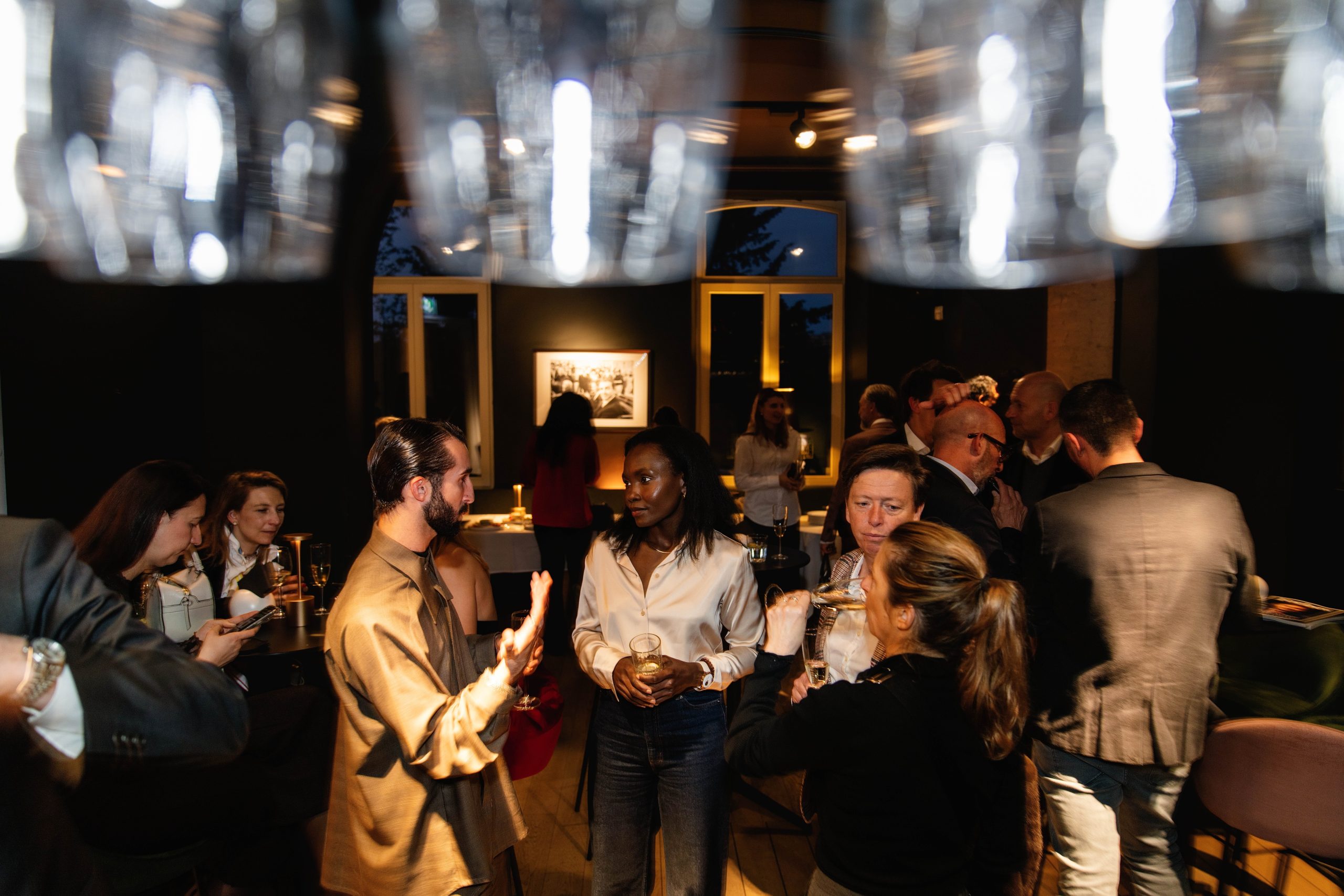
On Wednesday 15 April, Talk B17 x Forbes Luxembourg hosted its latest edition “Business Etiquette – Elegance at Work”, brought together business leaders, creatives and decision-makers for a fireside conversation on how professionals signal credibility, awareness and respect in increasingly complex environments.
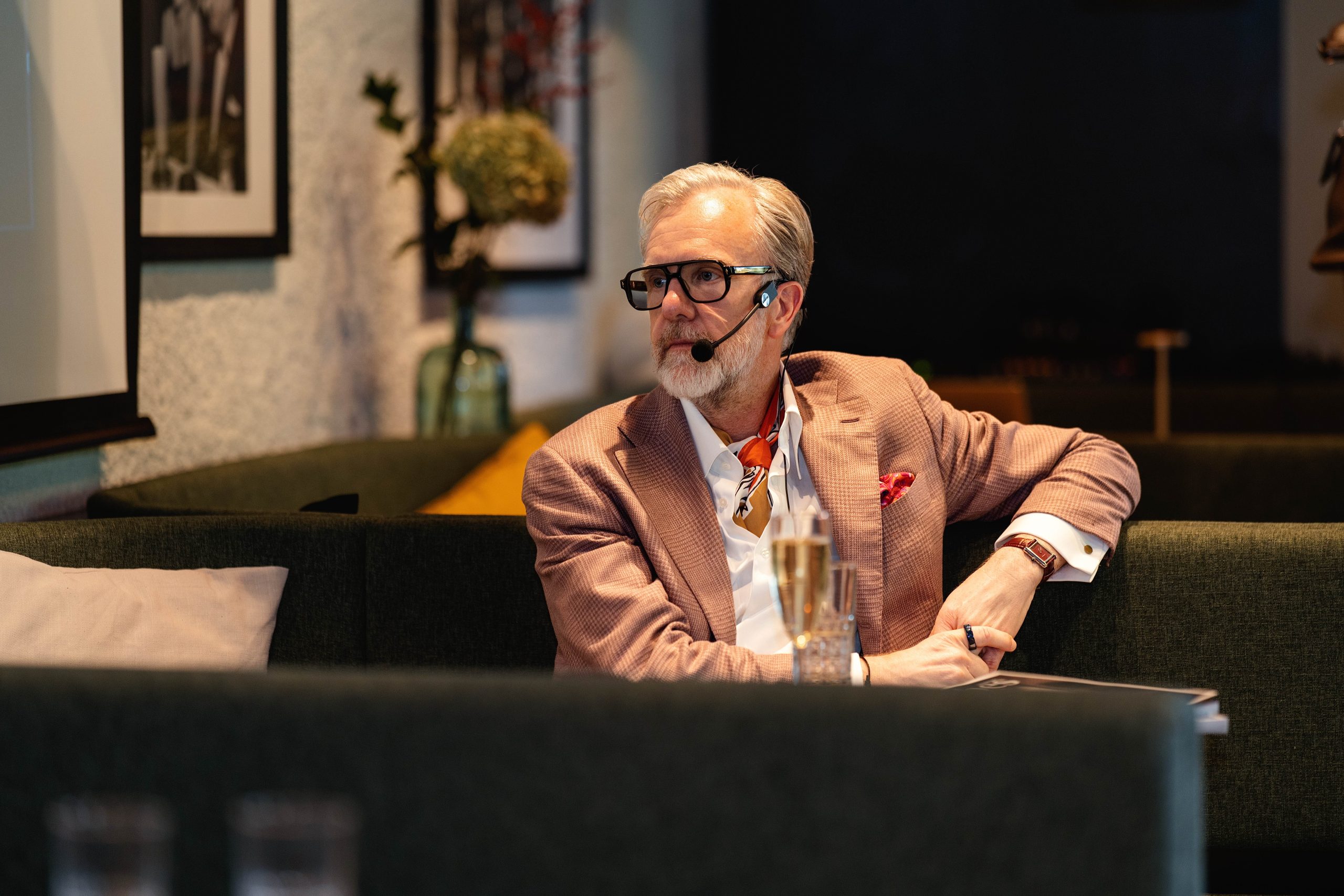
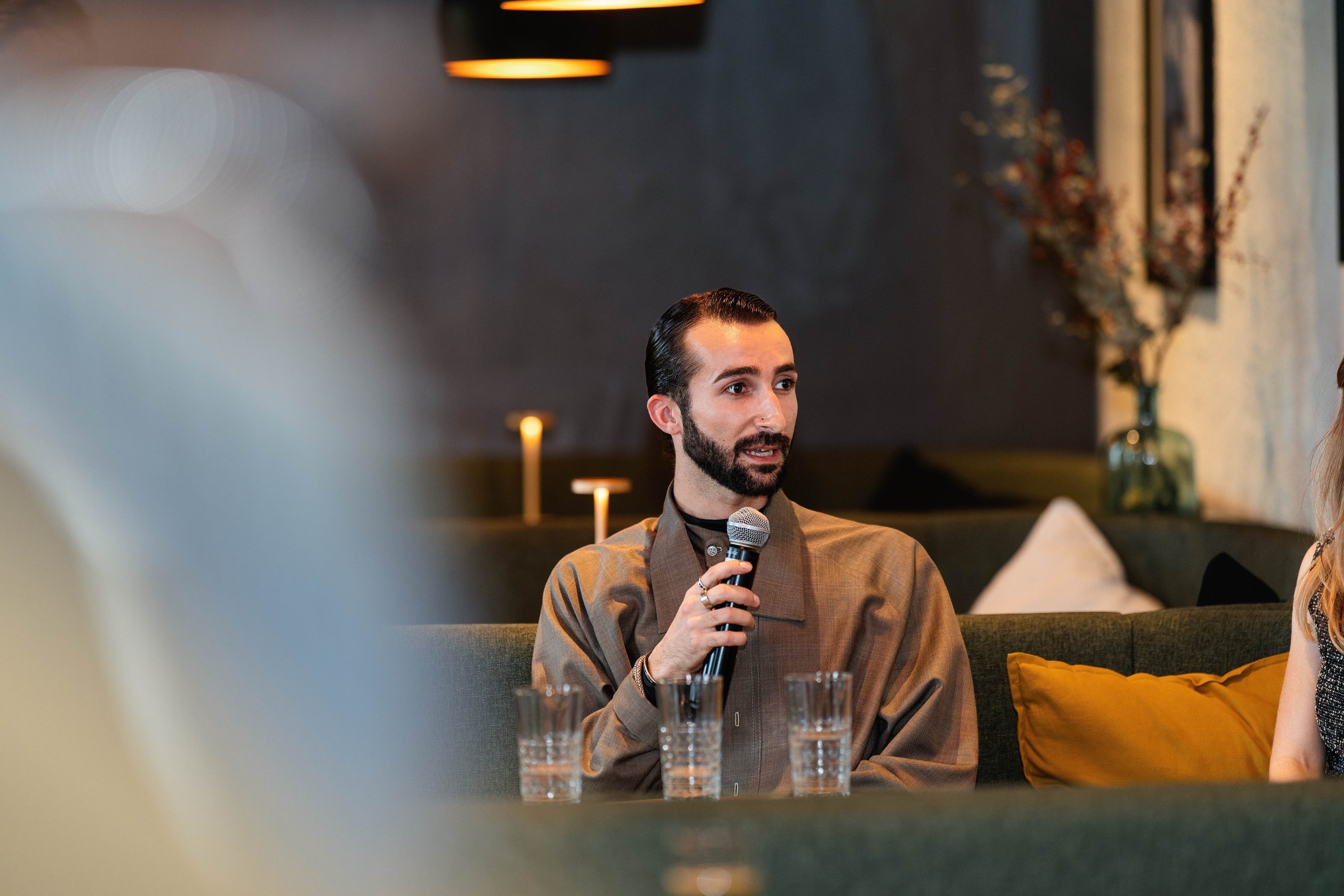
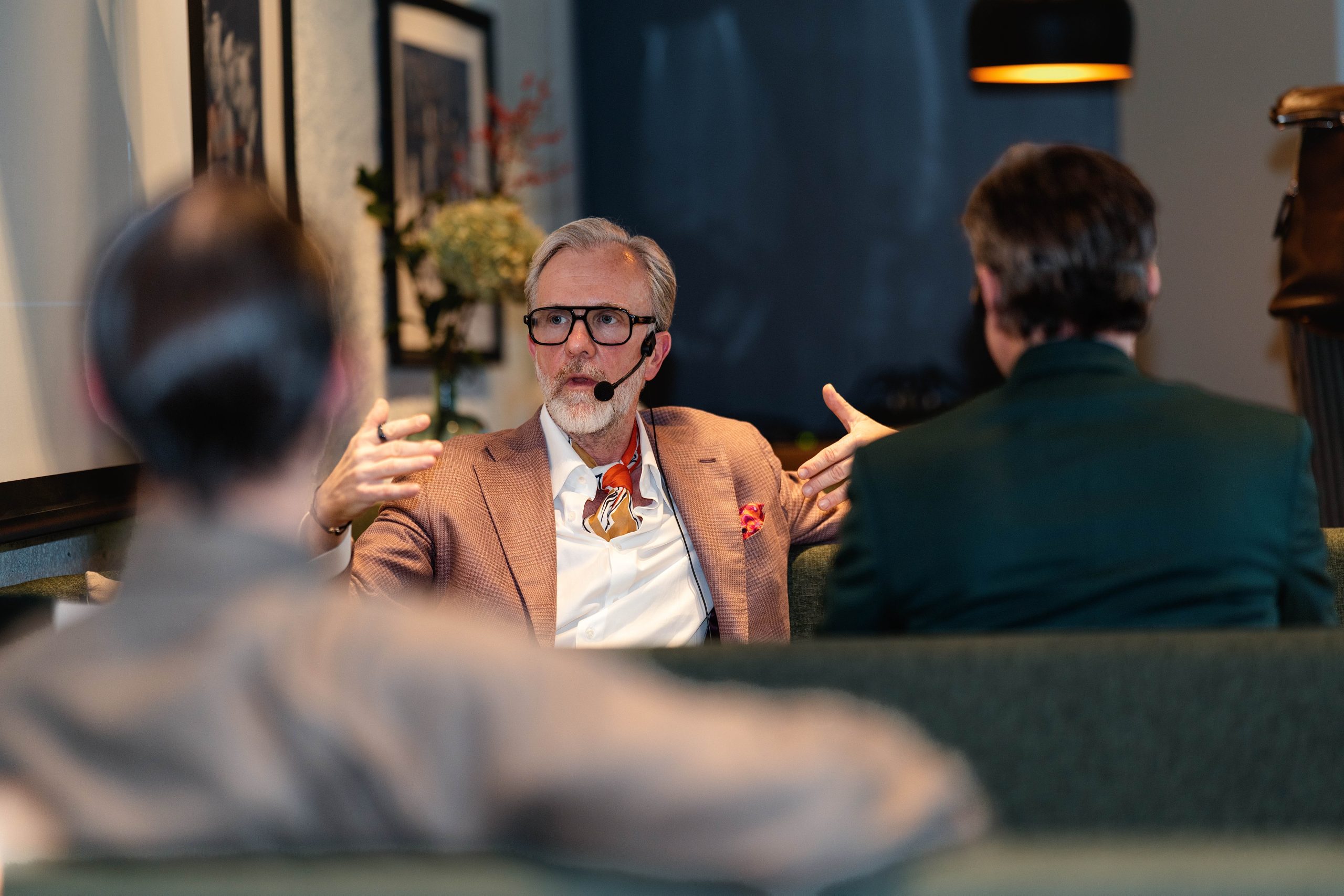
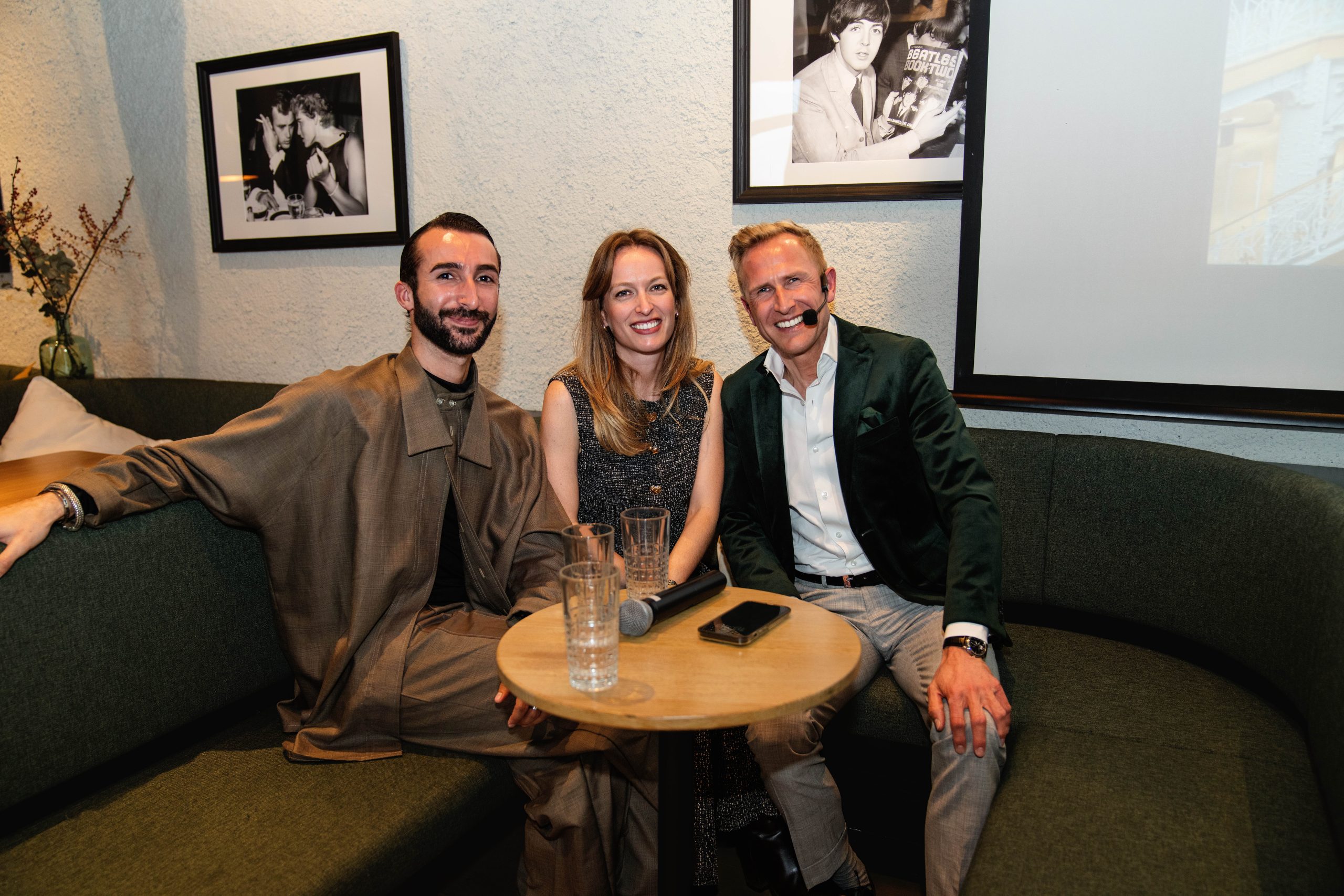
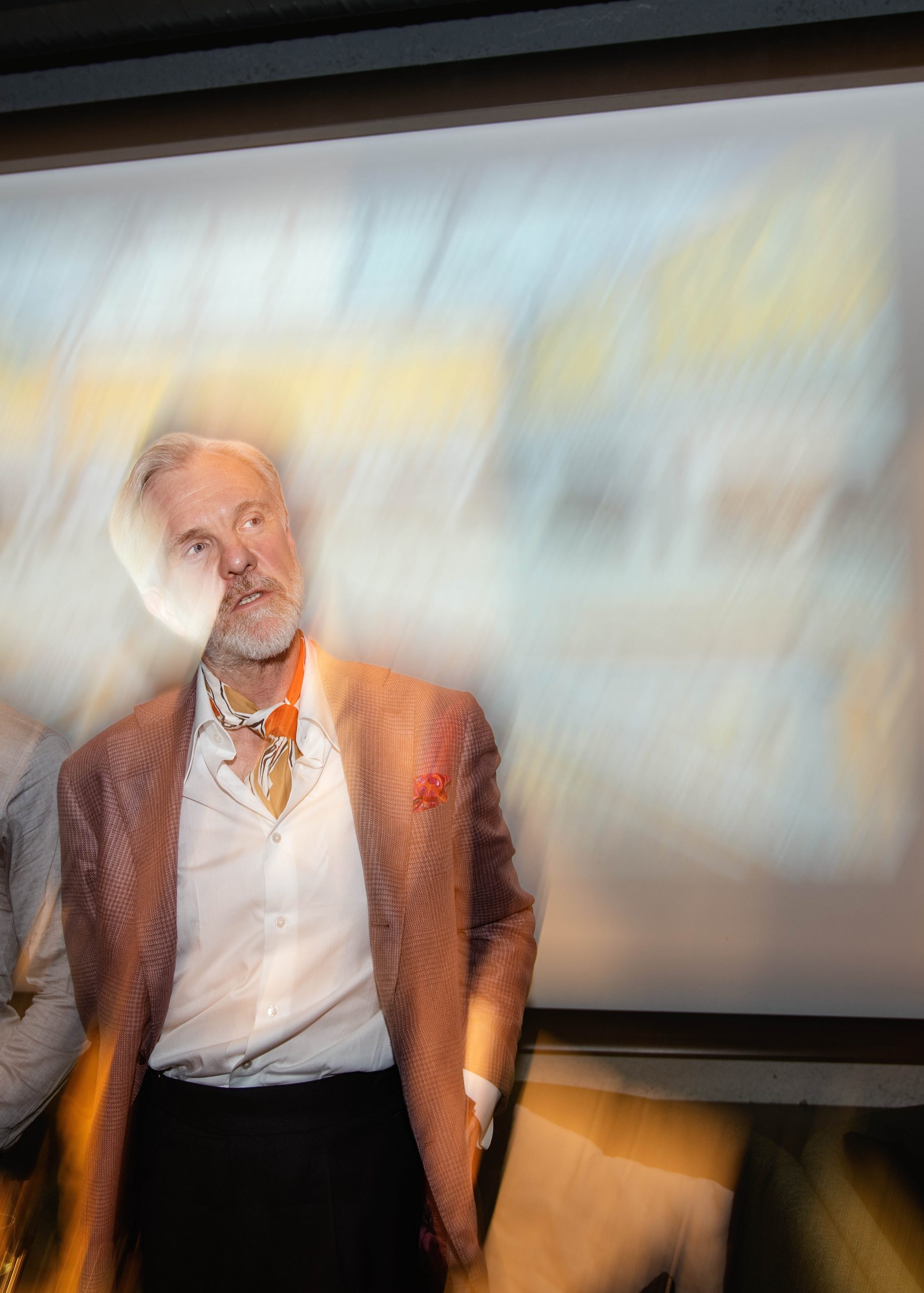
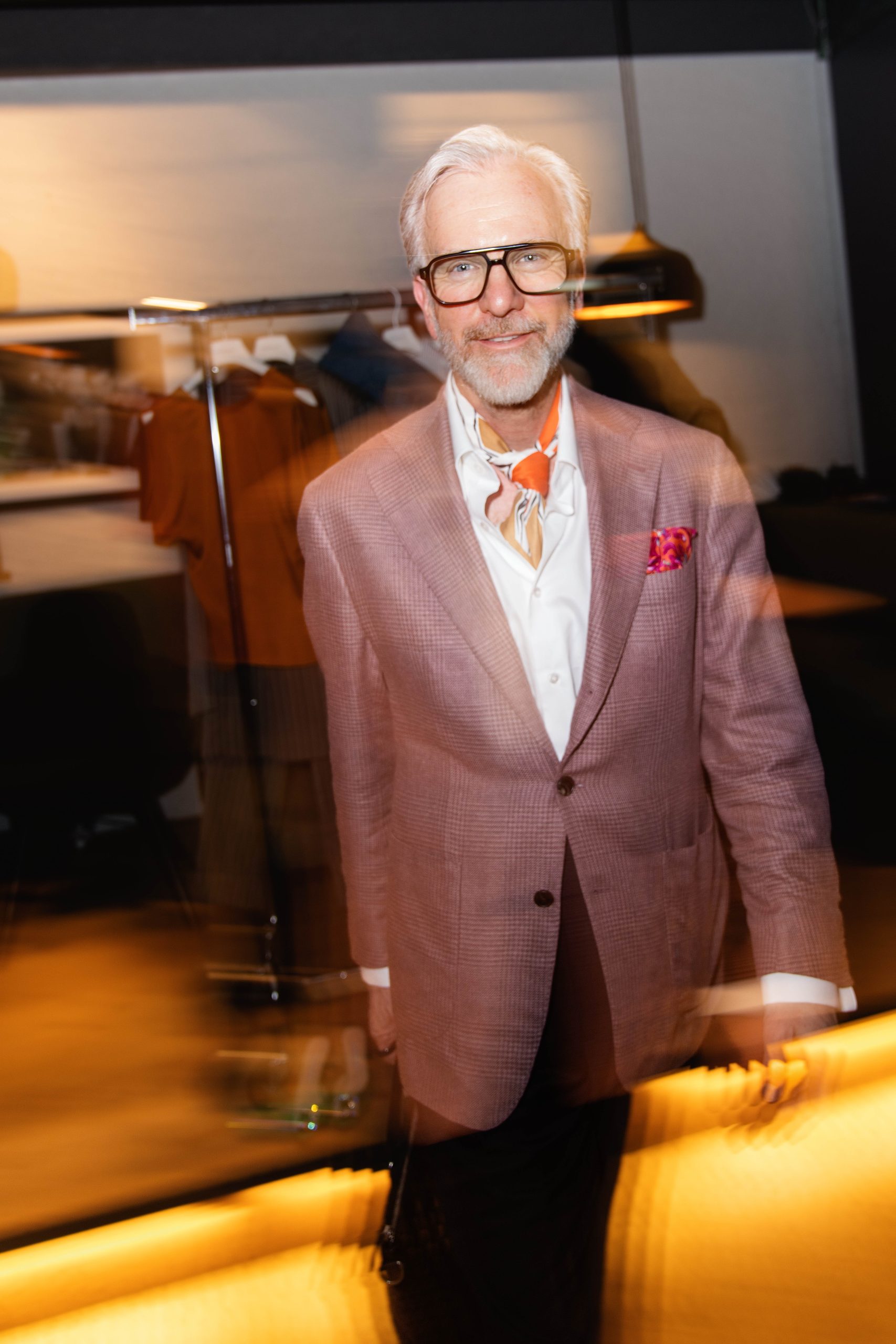
In discussion with Pierre-Yves Lanneau Saint Léger, CEO of Forbes Luxembourg, Carlo Schneider – multi-entrepreneur, private equity specialist and recognised tastemaker – anchored a nuanced exchange that moved well beyond fashion.
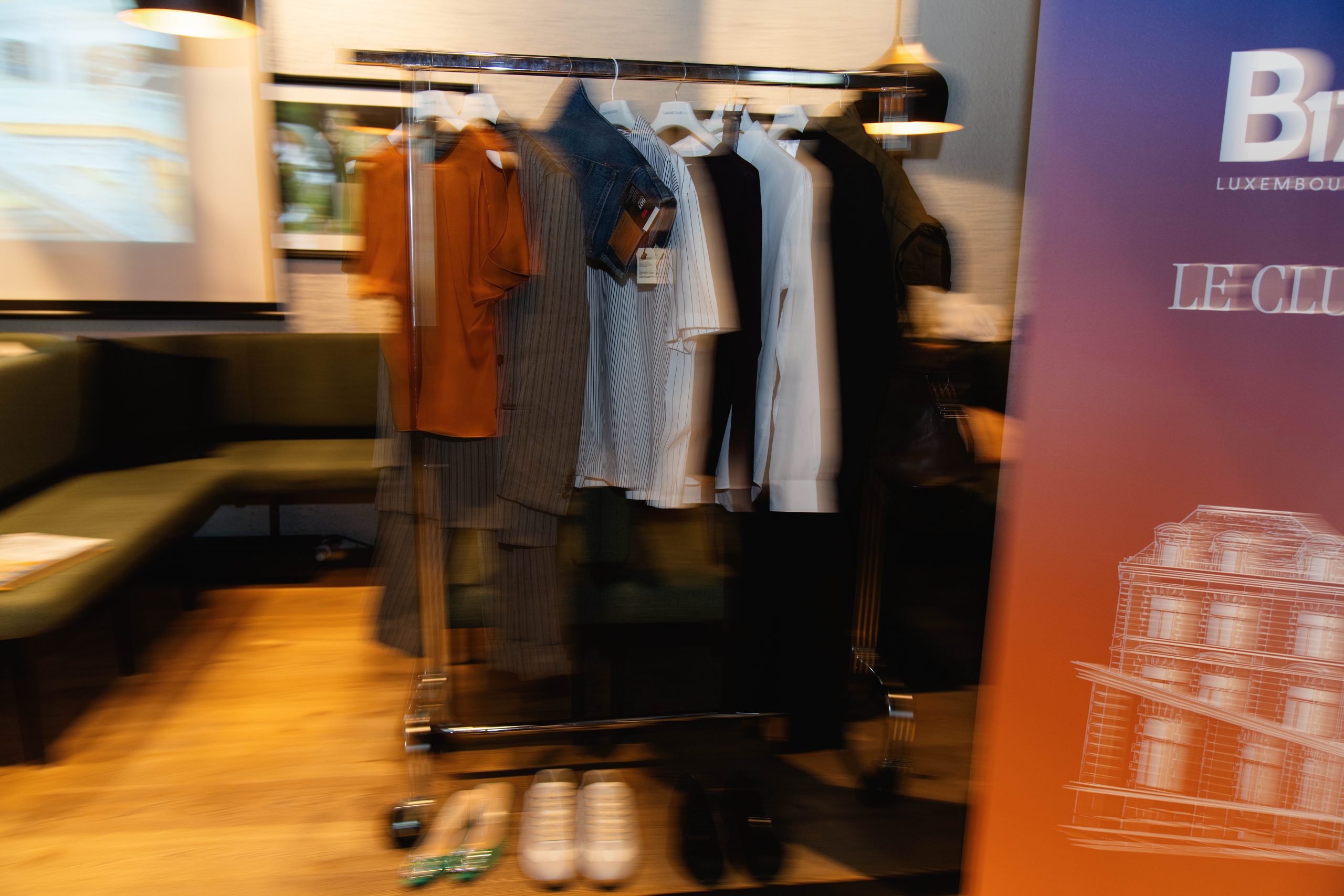
The evening, hosted in partnership with Samaritaine Paris Pont-Neuf, welcomed Cécile Favre, Partnership Manager, and Grégoîre Metoz, stylist, alongside Dr. Jan Kaiser, Director of the Civil and Commercial Mediation Centre, bridging business, behaviour and style.
What emerged was less a conversation about clothing, and more about what it signals.
Because in professional environments, everything communicates. What we wear, how we speak, how we address others – each element contributes to how we are perceived. And today, those signals operate in a landscape where traditional rules have largely disappeared.
As Carlo Schneider noted, etiquette has evolved into awareness—but not without friction. “I enjoy the British ‘Dear Carlo’—it’s precise, respectful. But ‘Hi folks’, to me, always feels rude. It sounds simple, but the tone is never neutral.”
Luxembourg offers a particularly sharp illustration of this dynamic. Positioned at the crossroads of German formality, French structure and Anglo-Saxon informality, it requires constant calibration. Even in English – through nuances such as “may I” versus “can I” – hierarchy and intention remain embedded beneath apparent simplicity.
Clothing reflects the same tension between structure and evolution. The classic blue suit, white shirt and tie remains a foundational code. While younger generations may abandon the tie, they retain the structure – preserving the signal even as the form evolves. In some contexts, particularly in the UK, the three-piece suit remains culturally embedded, underscoring how deeply these codes persist.
For Schneider, elegance is not about cost, but about attention. Fit, detail and coherence signal discipline and respect far more effectively than visible branding. Overt signals – such as logos – can suggest insecurity, while highly visible luxury items may distort perception. In one example, a visibly expensive watch led a client to question fees – illustrating how perception alone can impact business outcomes.
This sensitivity extends to generational shifts. While tattoos and piercings have become mainstream, Schneider noted that in certain professional environments they still carry risk. “It’s about context. Some institutions still won’t accept it. So you have to ask yourself what you are signalling.”
Beyond clothing, Schneider’s perspective reflected a broader European sensibility, shaped by distinctions between Italian sprezzatura, British structure, French balance and German formality – with a clear preference for these nuanced codes over more relaxed interpretations.
At the same time, clothing operates as a “second skin.” Just as one must feel at ease in one’s own body, one must be aligned in one’s presentation. This congruence builds trust.
From a retail and client perspective, Cécile Favre and Grégoîre Metoz highlighted the importance of guiding international clients through these nuances. “Many clients arrive from different cultural contexts,” they noted, “and part of our role is helping them understand how to communicate and present themselves appropriately within a European luxury environment.”
For Dr. Jan Kaiser, the connection is immediate: “Trust is built through coherence between what you say, how you behave, and how you present yourself.”
Context, however, remains decisive. There is no universal rule, tie or no tie, but one principle stood out: it is safer to err on the side of structure. One may rarely be overdressed, but one can easily be underdressed.
Beyond appearance, the conversation returned to fundamentals. Punctuality, reliability, listening and follow-up remain enduring signals. Being late, Schneider remarked, is not a minor flaw – it is taking someone else’s time.
While the codes of the “gentleman” may be evolving, professional distinctions are not.
Closing the discussion Pierre-Yves Lanneau Saint Léger cited Oscar Wilde:
“Be yourself; everyone else is already taken.”
Between the slide toward informality and the permanence of respect, one conclusion is clear: good manners are always in fashion, they’ve just never been harder to pull off.


















Read more articles:
Crooner Radio Luxembourg: A Launch Party As Timeless As Its Music
