
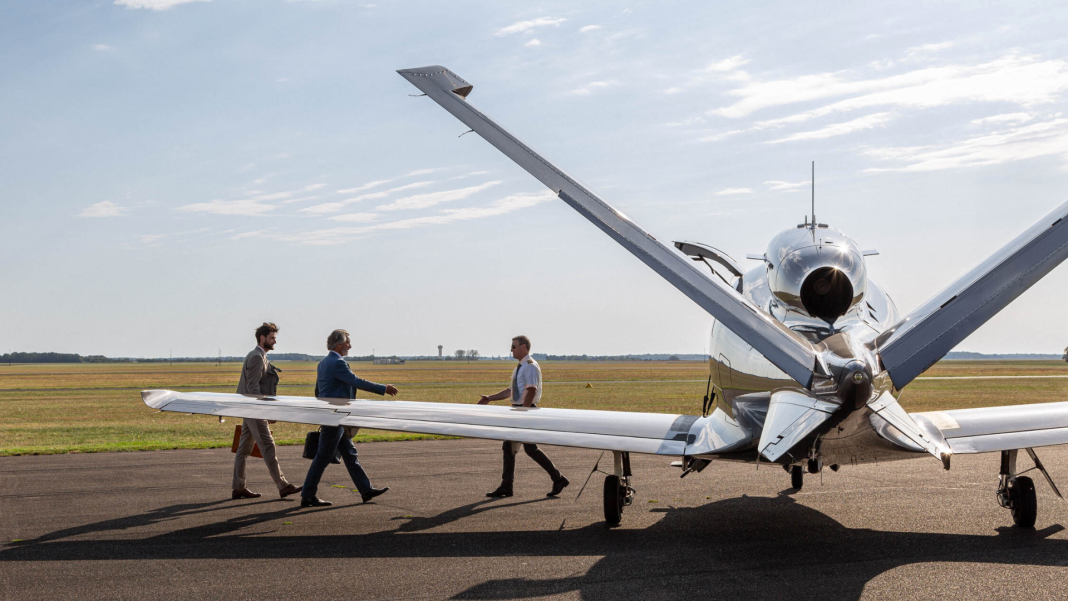
In Luxembourg, private aviation thrives away from public view. A booming sector, driven by international demand, new usage models, and an increasing focus on sustainability.
Discreet, compact, efficient: the Grand Duchy may not have the scale of the major European hubs, but it now matches their momentum. At Luxembourg Airport’s Business Aviation Center (the country’s only private jet terminal), business aviation movements are clearly on the rise.
“We’ve seen a 33% increase in movements since 2019, from 300 to 400 departures or arrivals in Luxembourg,” notes Leslie Jacob, Sales Executive Luxembourg at Jetfly. For her, as for Frederik Ioos, founder and partner at IBC Aviation, Luxembourg is far from just another dot on the map: its political stability, the presence of European institutions, investment funds and insurance companies make it a solid business crossroads. Increasingly, it is also becoming a natural transit point for those who need to travel far, fast, and discreetly.

A market structured around distinct players
Jetfly holds a unique position in this landscape. Present in Luxembourg since 1999, the shared ownership operator has developed a hybrid model, combining private use with cost pooling. “We’re 450 people, including 200 full-time pilots,” says Jacob. The fleet, one of the largest in Europe in its segment, includes fifty PC-12s, fifteen PC-24s and three Cirruses, for a total of 250,000 flight hours since 1999. Growth is steady: “We used to take two to three deliveries a year; today it’s more like five or six,” she adds. The company now generates €250 million in revenue.
The strength of the model lies in a central principle: ensuring aircraft availability without the constraints of sole ownership. “There’s always an aircraft available, with a minimum notice of 24 hours,” Jacob points out. No modification fees, scheduling conflicts entirely managed by Jetfly, and optimised usage: owners don’t deal with scheduling or repositioning. The choice of the Pilatus, “right aircraft for the right mission”, allows landings on short runways, sometimes as limited as 650 metres for the PC-12 and 800 metres for the PC-24, providing direct access to regional airports that are inaccessible to heavier jets.

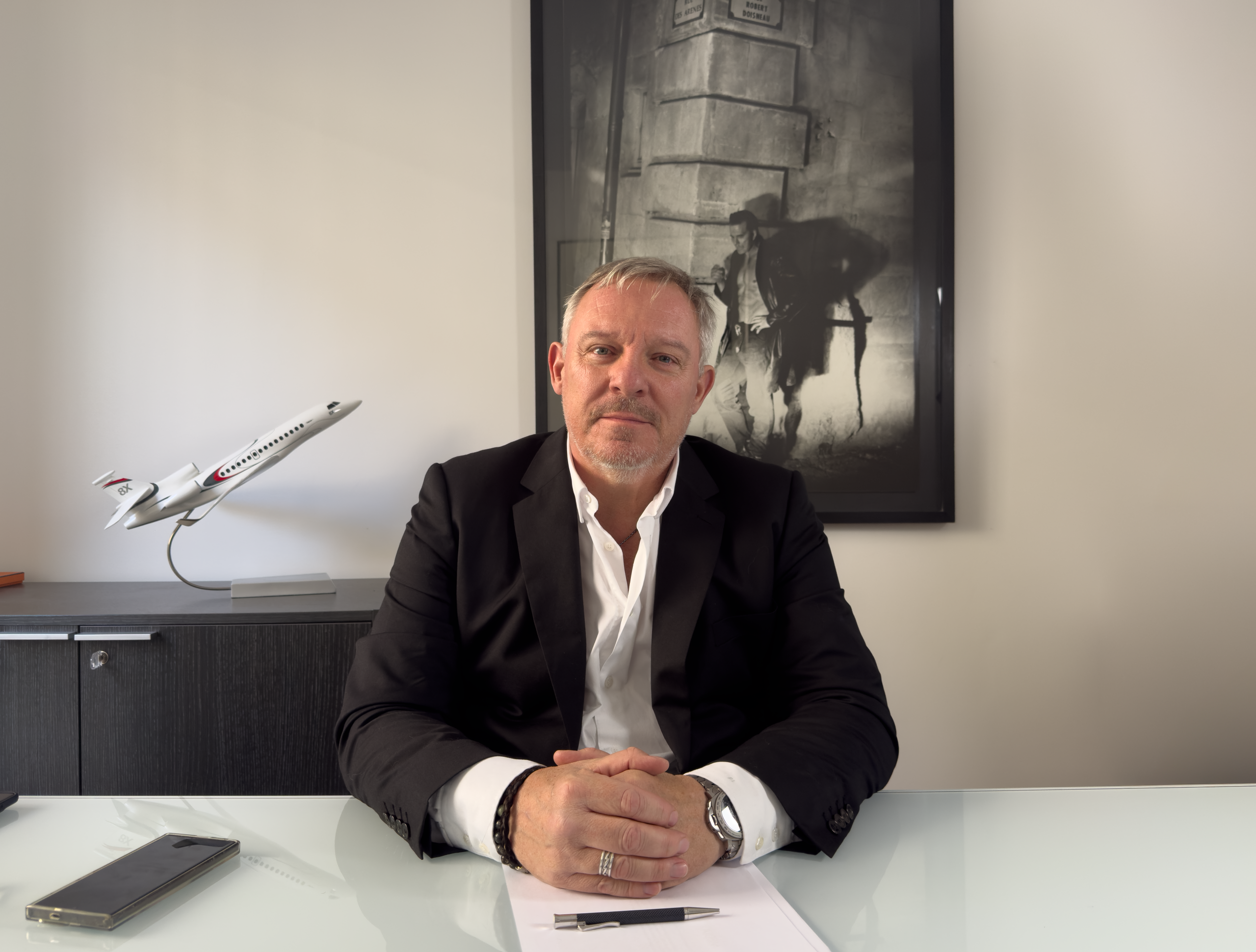
In contrast, IBC Aviation offers a different approach. “We charter private jets based on destination, budget, number of passengers, or even the aircraft’s year of manufacture,” explains Frederik Ioos. Established in Luxembourg since 2016, the company focuses on expertise in selection and coordination: finding the right aircraft, managing transfers, accommodation, security, or even traditional airline tickets for extended trips. “Confidentiality is something I believe players in Luxembourg truly value, it’s an important, if not fundamental, aspect,” he stresses. For some, using a broker like IBC Aviation helps avoid the visibility often associated with larger operators.
A changing clientele, between rationality and extreme mobility
The sector’s growth mirrors that of its clients. At Jetfly, the typical user profile has evolved. A large share consists of entrepreneurs or international executives, highly mobile and often younger than the previous generation. Only 6% of owners are Luxembourgish: Jetfly primarily attracts a European clientele for whom Luxembourg is not a residence, but a strategic point.

Chartering follows a similar logic. Ioos describes an international clientele, highly focused on confidentiality, sometimes from emerging sectors (tech, digital finance, high-growth companies), and above all, demanding frictionless service. In a context where commercial routes are increasingly congested, causing delays and added constraints, saving just a few hours becomes a strong economic argument.
Luxembourg, a pragmatic alternative amid new constraints
The regulatory environment acts as an accelerator. The French business aviation tax, “€400 per passenger per leg,” significantly increases the cost of domestic flights. Ioos gives an example: “A Paris-Nice flight can cost €8,000, but you add €3,200 in tax. Nearly 50% more.” For long-haul flights, the surcharge can rise to “€4,000 in tax per person” for a Paris-New York route. As a result, some clients now prefer to travel to Luxembourg or Switzerland to avoid these extra costs, even if it means several hours of driving. “The more restrictive France becomes, the more beneficial it is for Luxembourg,” he summarises.
“The more restrictive France becomes, the more beneficial it is for Luxembourg”
Accordingly, infrastructure is evolving with the market. At Skypark, Jetfly centralises engineers, planning, and optimisation tools to reduce repositioning flights. The renovated Business Aviation Center provides dedicated support for business aviation passengers, boosting the country’s appeal to travellers who demand seamless and discreet service.
Enhanced discretion and embraced sustainability
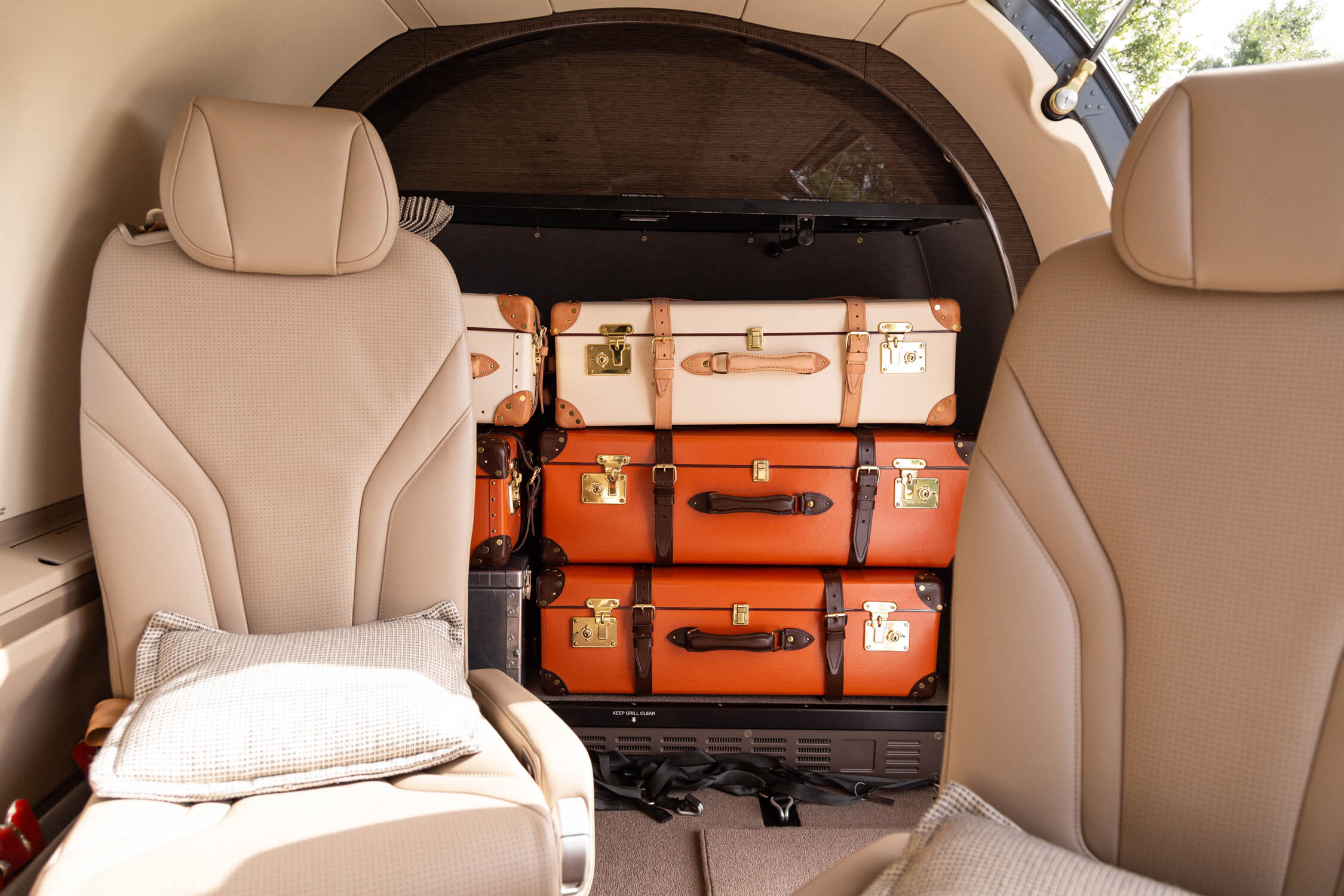
Discretion is becoming a key structural criterion. “We hear a lot about FlightRadar, about top executives being tracked by Instagram pages,” notes Jacob. Jetfly’s model offers a technical solution: “It’s the operator, Jetfly, that appears on the radar, not the passengers or co-owner.”
“It’s the operator, Jetfly, that appears on the radar, not the passengers or co-owner”
Access via private terminals near the runways reduces ground movement and limits visibility. At IBC, confidentiality takes a more operational approach: choosing the ideal airport, a discreet aircraft, and maintaining minimal presence. “Confidentiality remains a crucial point in Luxembourg,” emphasises Ioos.
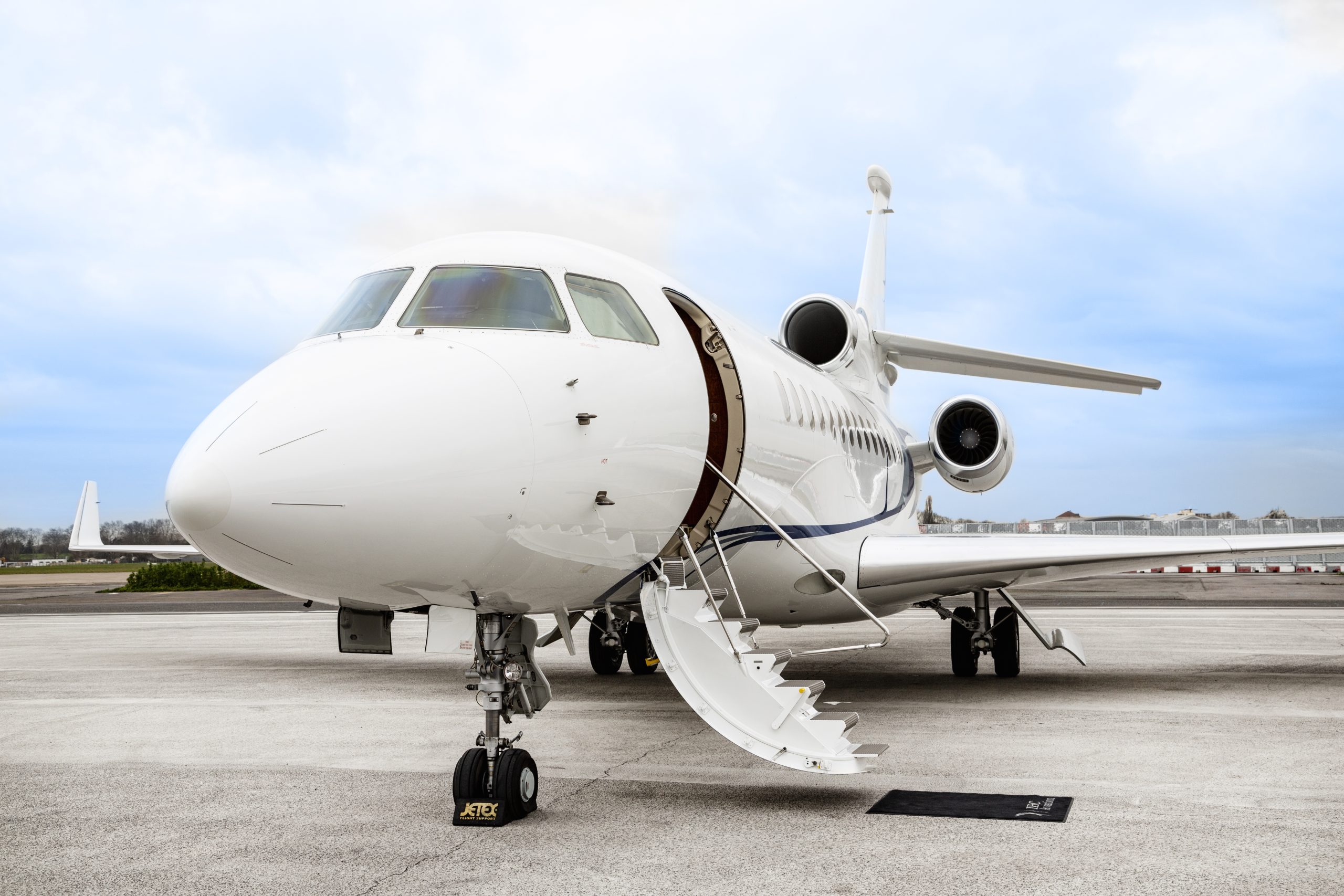
The second major issue is environmental. Jetfly has established a clear strategy. “In April 2025, we launched a SAF programme, a sustainable fuel derived from cooking oil, biomass and food waste,” Jacob explains. Fifty owners have already subscribed 100% to SAF, representing a 20% overall participation rate. Prior to that, the company had tested carbon offsetting programmes, which were quickly abandoned due to lack of guarantees. Efficiency also comes from the fleet: the PC-12 Pro burns 200 L/h versus 260 L/h for earlier versions, and its versatility reduces empty-leg flights.
In the end, Luxembourg’s strength lies precisely in what sets it apart: scale used intelligently, discretion elevated to a service standard, and innovation pursued without fanfare. As private aviation undergoes profound shifts, Luxembourg positions itself as a place where efficiency meets confidentiality, and this pragmatic approach to sustainability may well shape the next chapter of business aviation in Europe.
This article was published in the 8th edition of Forbes Luxembourg.
Read more articles:
Driven By Passion: Inside Luxembourg’s Thriving Classic Car Scene
