

Companies invest heavily in attracting talent. Yet one of their greatest opportunities may already be inside the organisation: people whose strengths and potential remain unseen, underused or gradually switched off.
Ask a leadership team what their company’s most valuable asset is and “our people” will often come first. Ask the same team to map precisely where their talent lies, what drives it, and how it could best contribute to the organisation’s ambitions, and the answer becomes less obvious.
This is one of the paradoxes of modern business. Companies have never had access to so much information about their people. They have performance reviews, engagement surveys, competency frameworks, career paths and increasingly sophisticated HR systems. Yet understanding what someone is genuinely good at, and where that talent could create the most value, remains remarkably difficult. The blind spot is not necessarily a lack of talent. It is often a lack of visibility on what is already there.
At P’OP, we believe organisations need to look at talent differently.
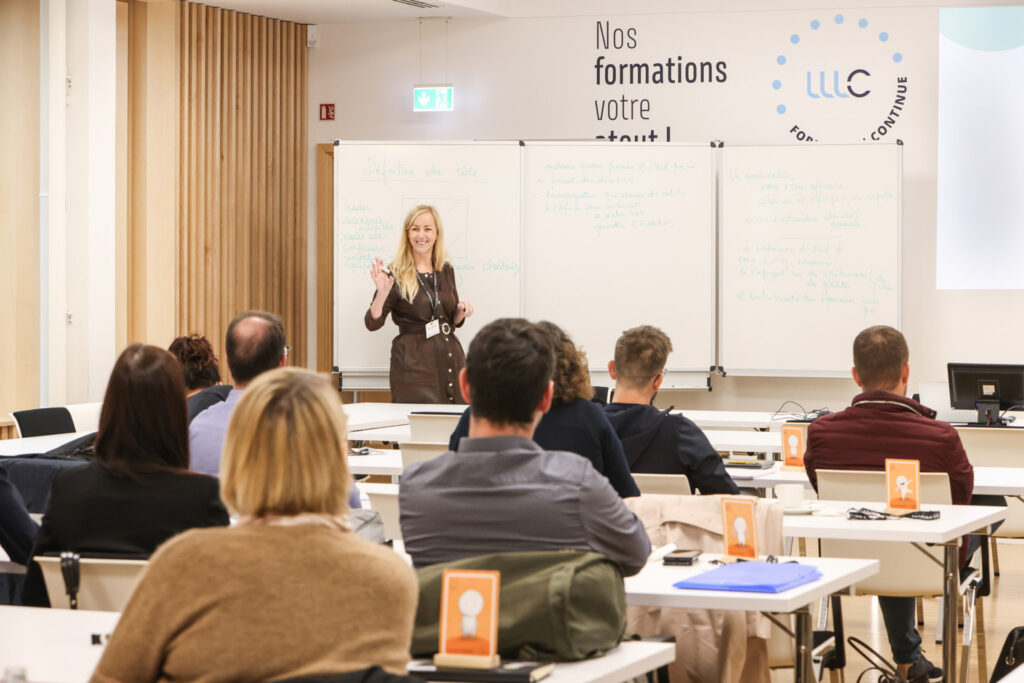
Talent is not a job title. It is not a CV, a performance rating or simply a list of competencies. Competence tells us what someone has learned to do. Talent gives us insight into how that person naturally thinks, learns, solves problems, connects with others and moves into action.
And unlike a competence recorded on a CV, talent is not static. It can be activated, underused or progressively inhibited by the environment in which someone works.
Making those talents visible changes the conversation.
It can help a company identify potential that conventional processes overlook. It can give managers a better understanding of the people they lead. It can inform development and mobility decisions. And for individuals, it creates something equally valuable: a clearer understanding of where they can contribute at their best.
From intuition to insight
This is the thinking behind P’OP’s work with organisations.
P’OP’s approach is designed to move from individual understanding to a broader reading of an organisation’s human capital. By mapping talent at individual, team and organisational level, capabilities that traditional HR data may not reveal can become visible.
For a leadership team, this can reveal where key capabilities sit, where teams are complementary, where potential remains untapped and where important strengths may be missing.
But insight is only valuable if it leads to better decisions.
Understanding talent can inform decisions about succession, mobility, team composition and development. It can reveal capabilities that already exist inside the business before organisations invest in finding them elsewhere.
It can also help distinguish between a competence that still needs to be developed and a talent that already exists but is simply not being activated.
The real value lies in what happens once talent becomes visible: the quality of the conversations, the decisions managers make, the opportunities people are given and the way organisations choose to deploy their human potential.
Knowing what an organisation already has, what is active, what remains potential and what may be at risk of erosion, can become a strategic advantage in itself.
And the risk is not only losing talented people. It is allowing their talent to switch off while they are still inside the organisation.
A business question, not just an HR question
This matters at a time when organisations are facing difficult questions about skills, leadership, engagement and transformation.
Recruiting more people cannot always be the answer. Neither can adding another layer of process. In a competitive talent market, knowing how to recognise and mobilise the talent already inside the organisation becomes a strategic advantage.
Sometimes the more powerful question is much simpler: Do we really know what our people are capable of?
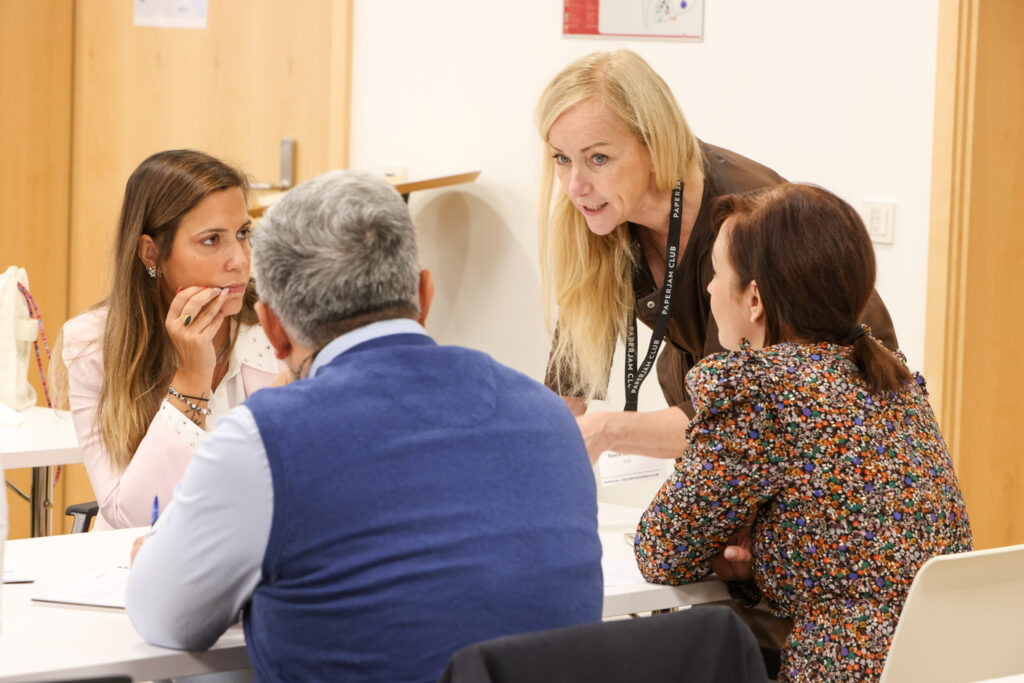
For P’OP, understanding talent is therefore not simply about personal development. It is about giving organisations better insight into one of their most strategic resources and giving people the opportunity to contribute where they can make the greatest difference.
Founded by researcher, author and speaker Béatrix Charlier, P’OP has developed its methodology through more than 20 years of research and field observation, drawing on the analysis of over 5.000 profiles. Her latest book, Génération IA, extends this reflection to the next generation, exploring how human potential can be recognised, nurtured and protected in an age of AI.
The ambition remains straightforward: to give organisations a clearer view of the human potential they already have and the conditions required to activate it.
Reveal talent. Activate performance.
Discover P’OP’s solutions for organisations at p-op.lu.
This sponsored articles was published in the 11th edition of Forbes Luxembourg.
Read more articles:
Presence Is Performance: What Leaders Communicate Before They Speak
Mergers & Acquisitions: What Deal Specialists Know, But Often Put Off Until Later