

Luxembourg aims to lead in autonomous mobility, hosting firms like Pony.ai and Ohmio, with Tesla likely to follow, as it updates laws to enable commercial robotaxi services.
Back-to-back, two global leaders in autonomous driving, Pony.ai and Tesla, have shown interest in Luxembourg. At the end of March, Pony.ai was granted ministerial authorisation — a first in the country — to operate autonomous vehicles for scientific research. Then, in April, Tesla applied for a similar permit.
This aligns with the Luxembourg government’s ambition to establish a holistic strategy for automated and connected driving and to position Luxembourg as the leading European country in the field, as outlined in the coalition agreement. The government plans to authorise connected autonomous driving and make the country a European living lab for autonomous vehicles.
A strategic opportunity
Europe lags significantly behind in this area. In the United States and China, autonomous driving is on the verge of becoming a reality. Scientifically, the development is generally broken down into five stages — from Level 0 (no assistance) to Level 5 (full autonomy in all situations without a human operator). Companies such as Tesla and Pony.ai have reached Level 4, where vehicles are nearly autonomous, though they still require human oversight.
Companies such as Tesla and Pony.ai have reached Level 4, where vehicles are nearly autonomous.
The commercial rollout of such vehicles is already underway. Pony.ai operates a fleet of 300 robotaxis and was among the first companies to receive approvals to run autonomous vehicles in China’s four major cities — Beijing, Guangzhou, Shanghai, and Shenzhen — offering paid rides to the public.
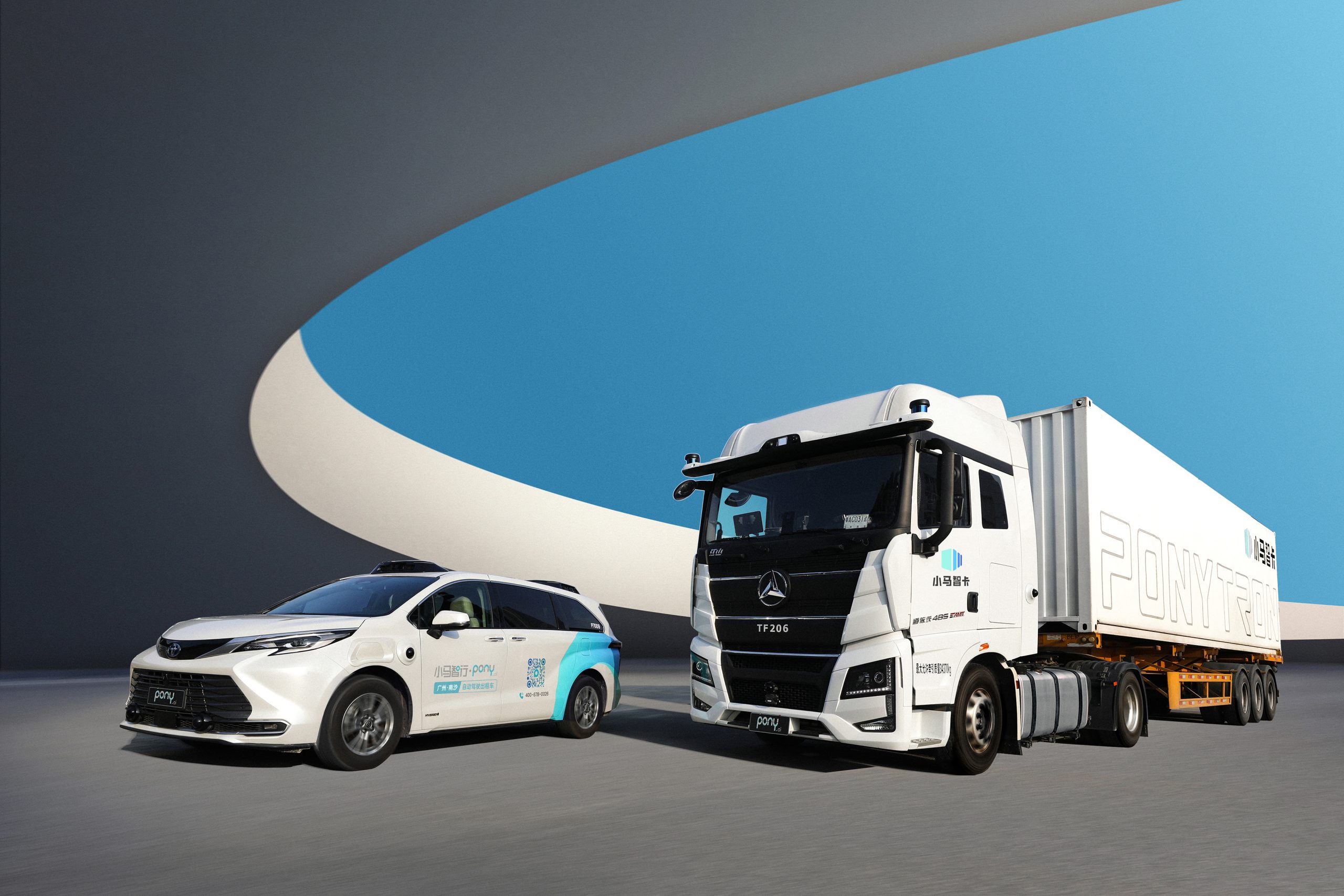
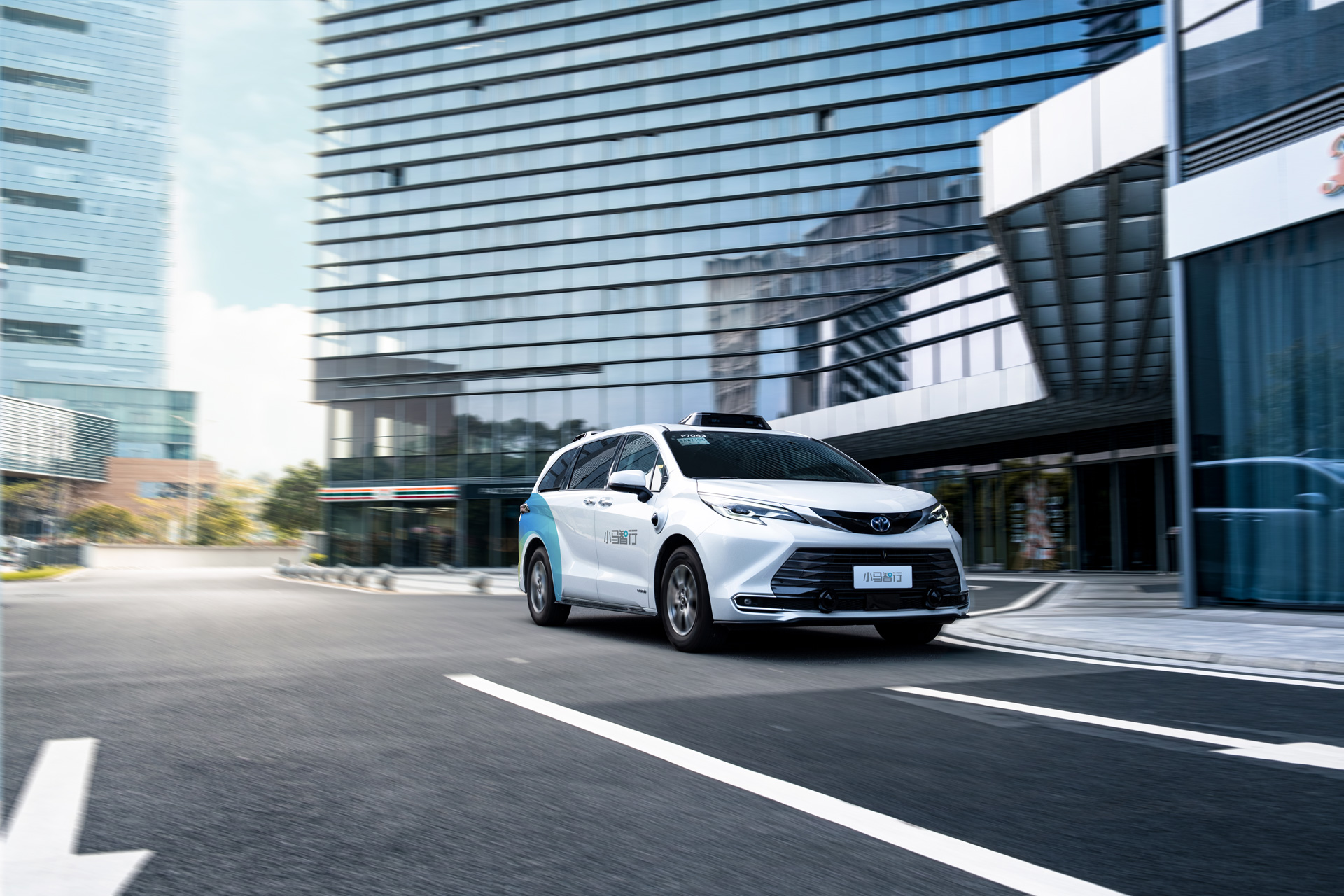
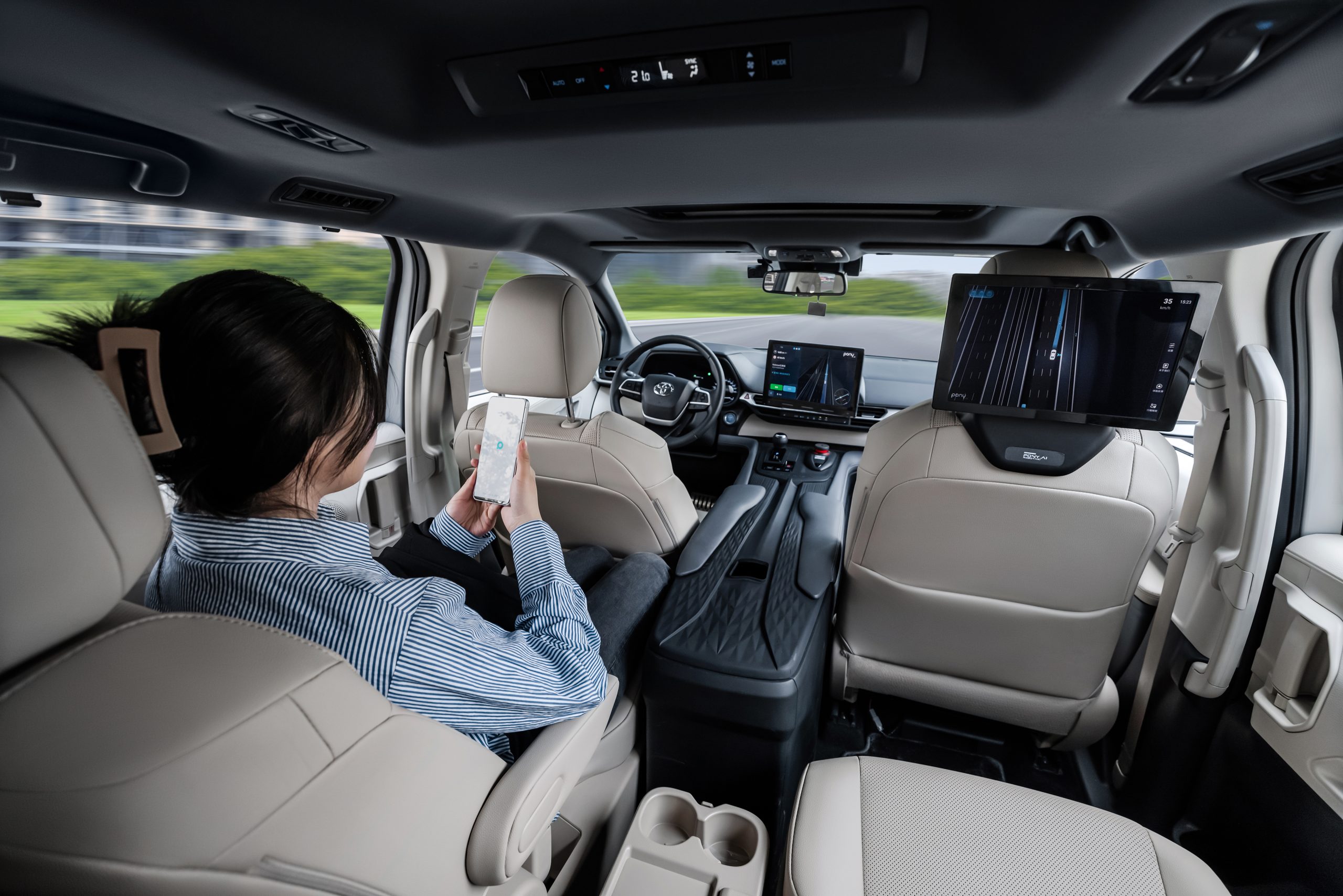

Likewise, Tesla took a major step forward in California in March, obtaining a permit to transport its own employees in a fleet of autonomous vehicles along pre-booked routes — a move towards launching a robotaxi service.
European regulation
In Europe, however, a more restrictive legal framework hampers development. That’s one reason Luxembourg is seen as a particularly attractive location. It permits autonomous vehicle testing, provided ministerial authorisation is obtained, specifying the conditions under which autonomous driving can take place. Luxembourg also boasts other advantages: high-quality infrastructure and a robust 5G network, essential for remote vehicle control.
The government aims to improve this framework by developing a national strategy for autonomous driving, targeting milestones in the short, medium, and long term. According to the Ministry of Mobility, current plans will regulate scientific testing of autonomous vehicles within the territory, gradually adapt the legal framework, and identify relevant use cases. In the medium term, we can expect to see a legal framework enabling authorisation and commercial deployment of such vehicles. In the longer term, the goal is to integrate these technologies into the broader national and cross-border mobility ecosystem, while accounting for societal and ethical dimensions.
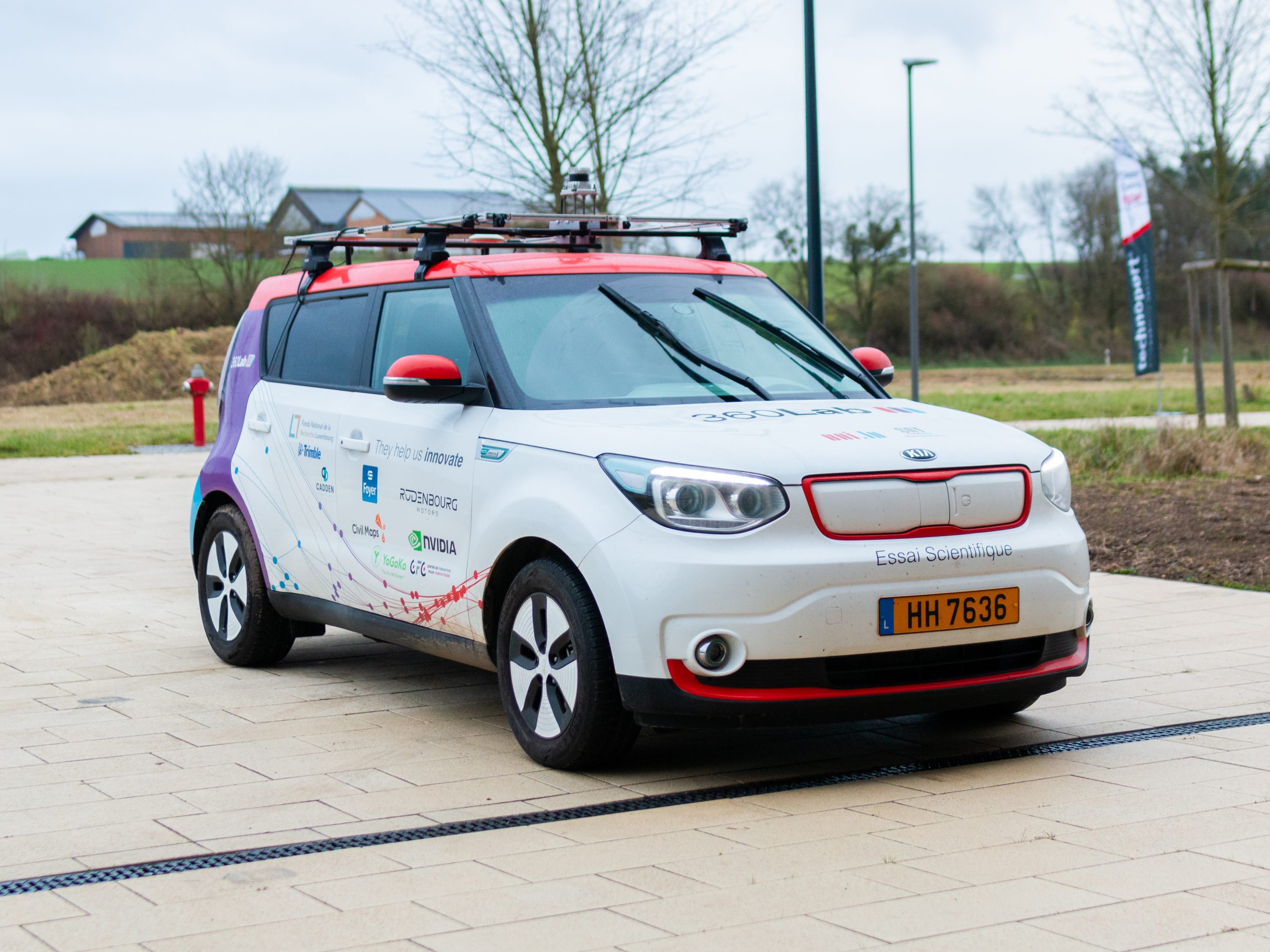
International and national working groups and meetings are currently being held to harmonise the legislative framework. Luxembourg’s legislation is expected to enable the commercial deployment of autonomous vehicles under clearly defined conditions, the Ministry of Mobility explains. The evolution of the legal framework will ensure safe and seamless mobility, regulate responsibilities, and ensure uniform behaviour among autonomous driving systems.
Increasing experimentation
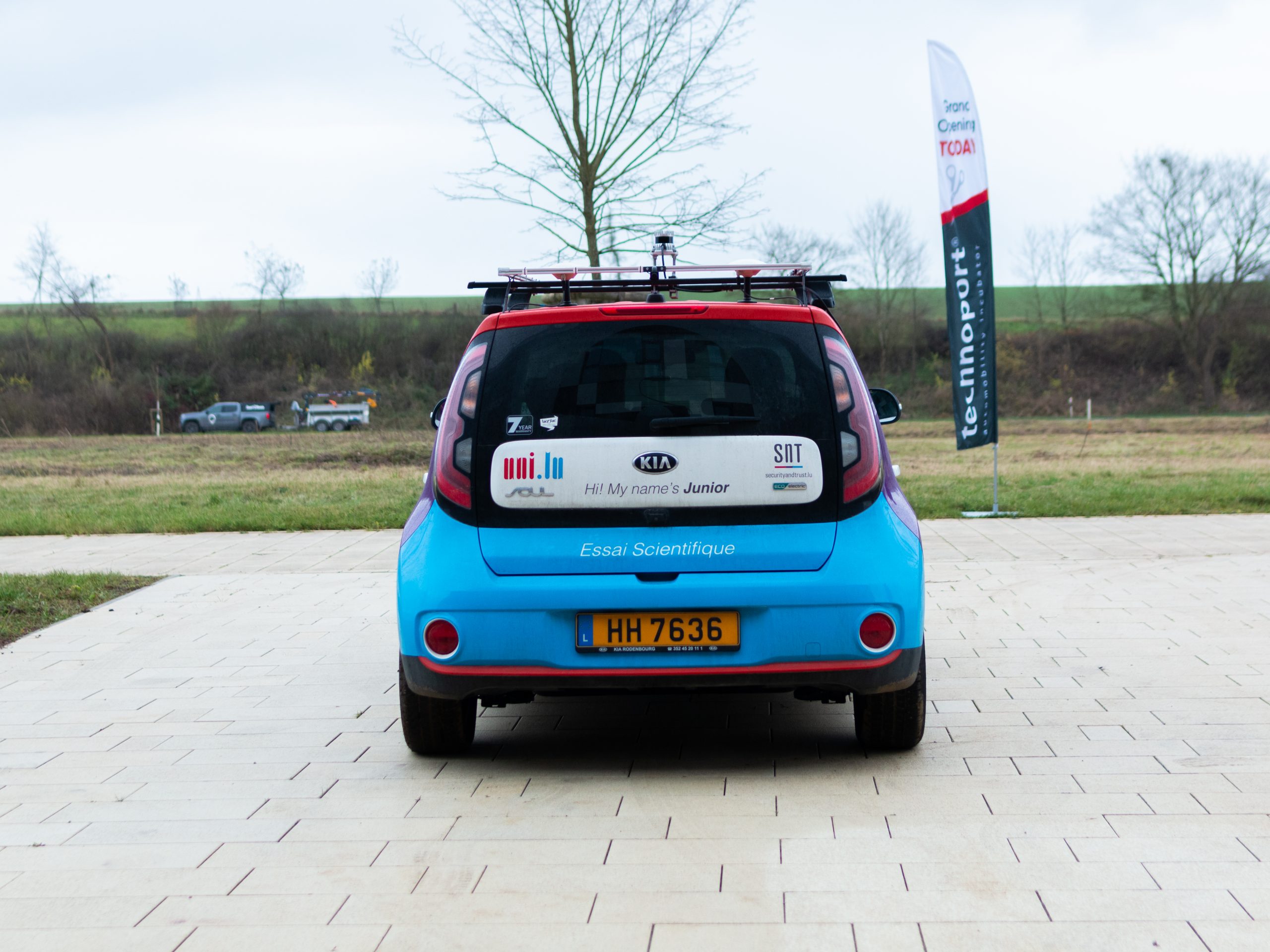
While the legislative environment evolves, experimentation is increasing in the Grand Duchy. Luxembourg has long been active in R&D, involving institutions such as the UBIX research group from the SnT, LIST, LISER, and TERAKI, with support from the University of Luxembourg. One key milestone was the 2022 deployment of an autonomous vehicle on the roads of the Kirchberg plateau.
The 5GDrive project, launched in March for three years and led by the University of Luxembourg in collaboration with POST Luxembourg and New Zealand-based company Ohmio, aims to develop infrastructure for autonomous vehicles using 5G. The technology enables remote monitoring and control, combining scientific research and industrial development to harness the potential of 5G for real-time, high-definition data transmission and remote operation. The project aims to ensure low latency and high bandwidth, both critical for the operational success of autonomous vehicles.
Automobility incubator in Bissen
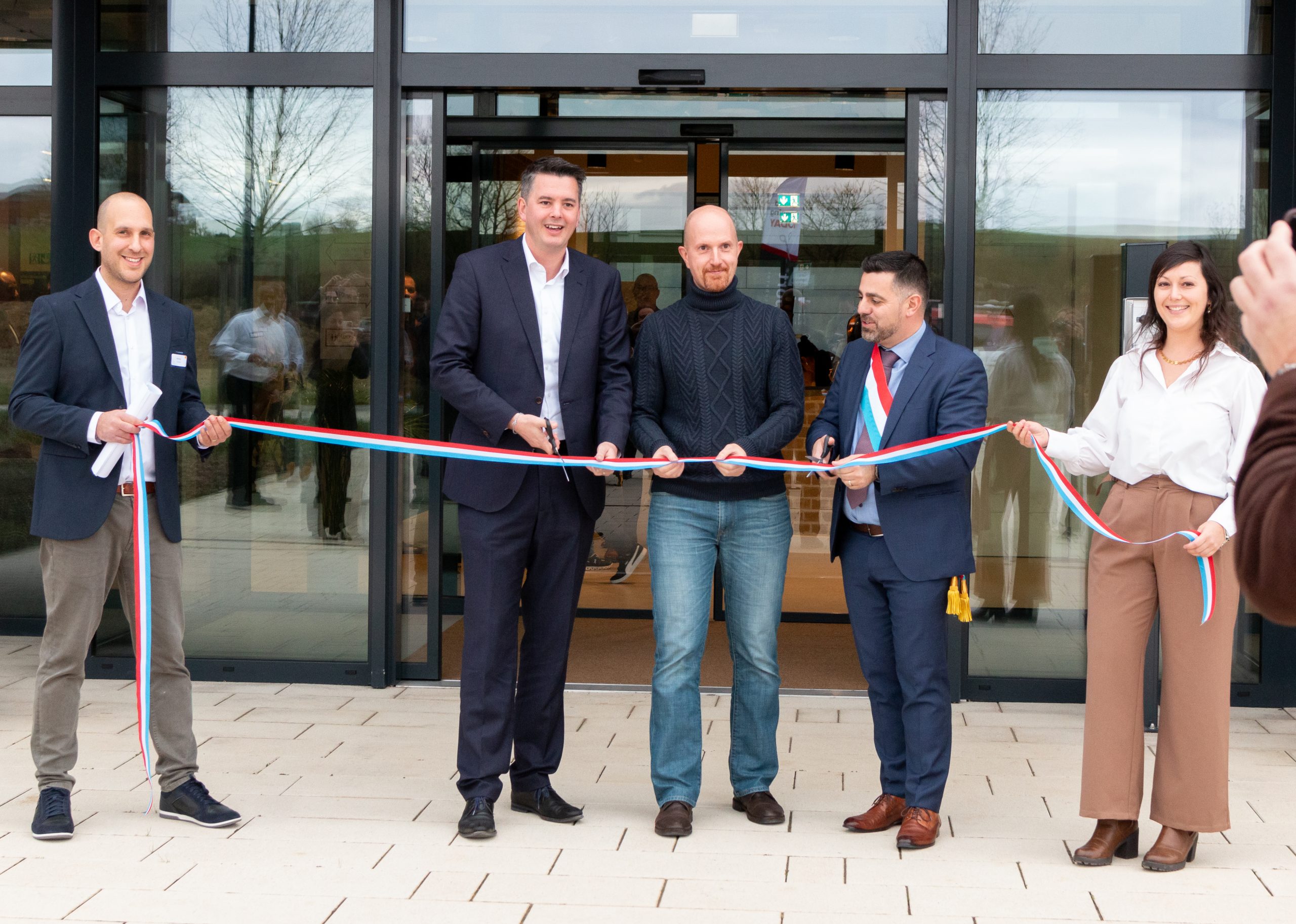
Luxembourg also wants to attract a full ecosystem of companies around autonomous mobility. To support this ambition, the Automobility Incubator opened in Bissen at the end of 2024, dedicated specifically to the sector. It aims to attract innovative companies — from start-ups and scale-ups to spin-offs, SMEs, and international firms.
Pony.ai was one of the first companies to move in. The autonomous driving ecosystem, however, extends beyond companies solely focused on self-driving technologies. It includes AI, perception modules, sensors, radar, data processing, and booking platforms. Voltcore, which was among the first residents, seeks to reduce the ecological footprint of electric vehicle batteries, while Right Energy develops a digital solution for firms in the car leasing industry.
International partnerships
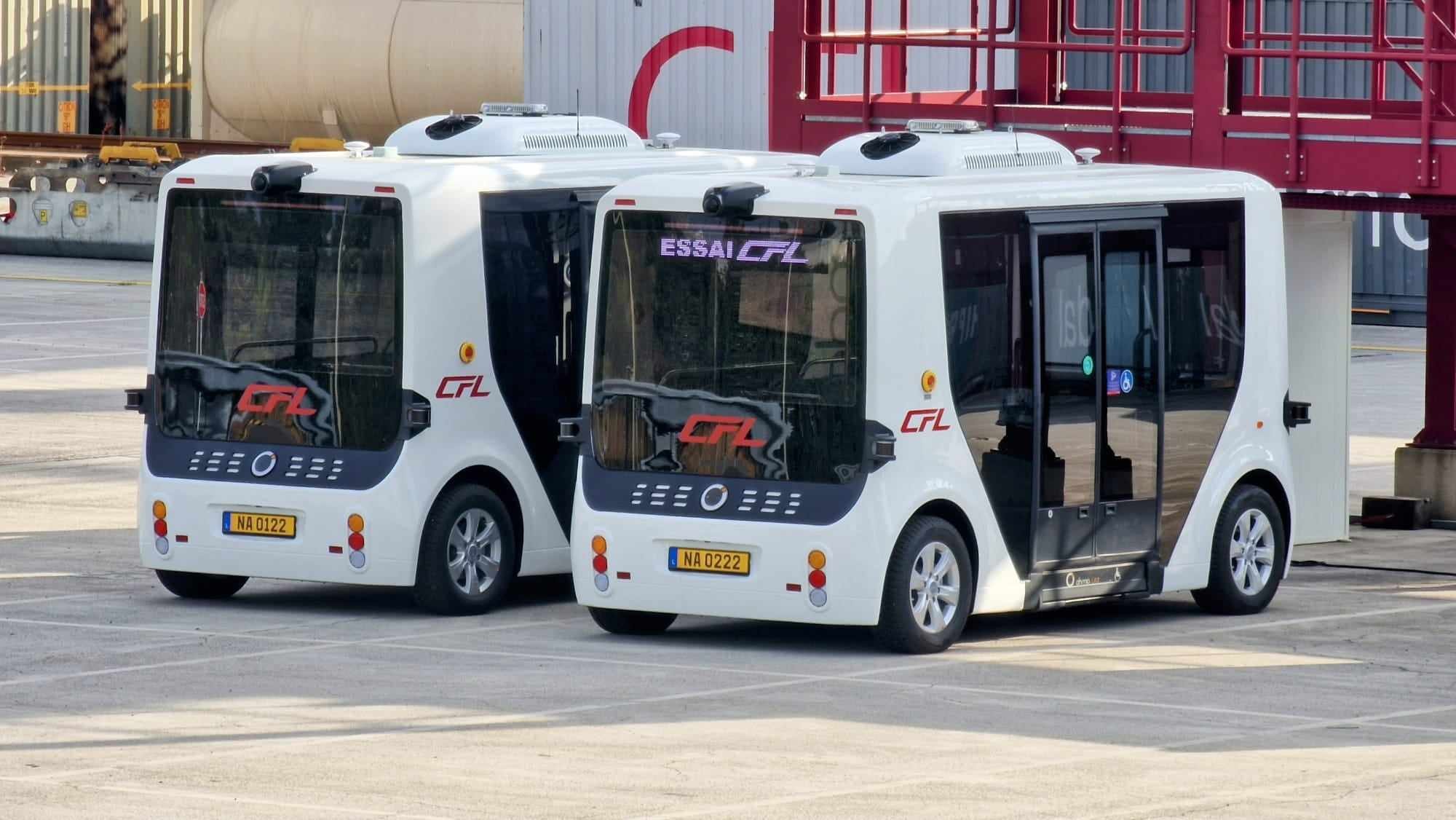
Major names in autonomous driving are also expanding in Luxembourg through partnerships with local actors. Ohmio is leading a pilot project in Belval with CFL, aiming to implement autonomous electric shuttles for passengers. Meanwhile, in Esch-sur-Alzette, Sales-Lentz operates another autonomous shuttle in collaboration with Navya.
A request for ministerial authorisation from Tesla is currently under review to allow scientific testing of Level 4 autonomous vehicles on Luxembourgish roads. Pony.ai was the first to receive such authorisation, allowing them to test three vehicles under human supervision on public roads in the commune of Lenningen for one year. More testing areas will gradually be rolled out across Luxembourg as part of the partnership between the company and Emile Weber. Ultimately, the American firm hopes to launch its commercial robotaxi services in Luxembourg as soon as the regulatory framework permits it.
This article was published in the 6th edition of Forbes Luxembourg.
Read more articles:
Leko Labs: Smarter, Grenzer Timber Construction
Astrobiome: Using Space To transform Gut Health And Agriculture
