
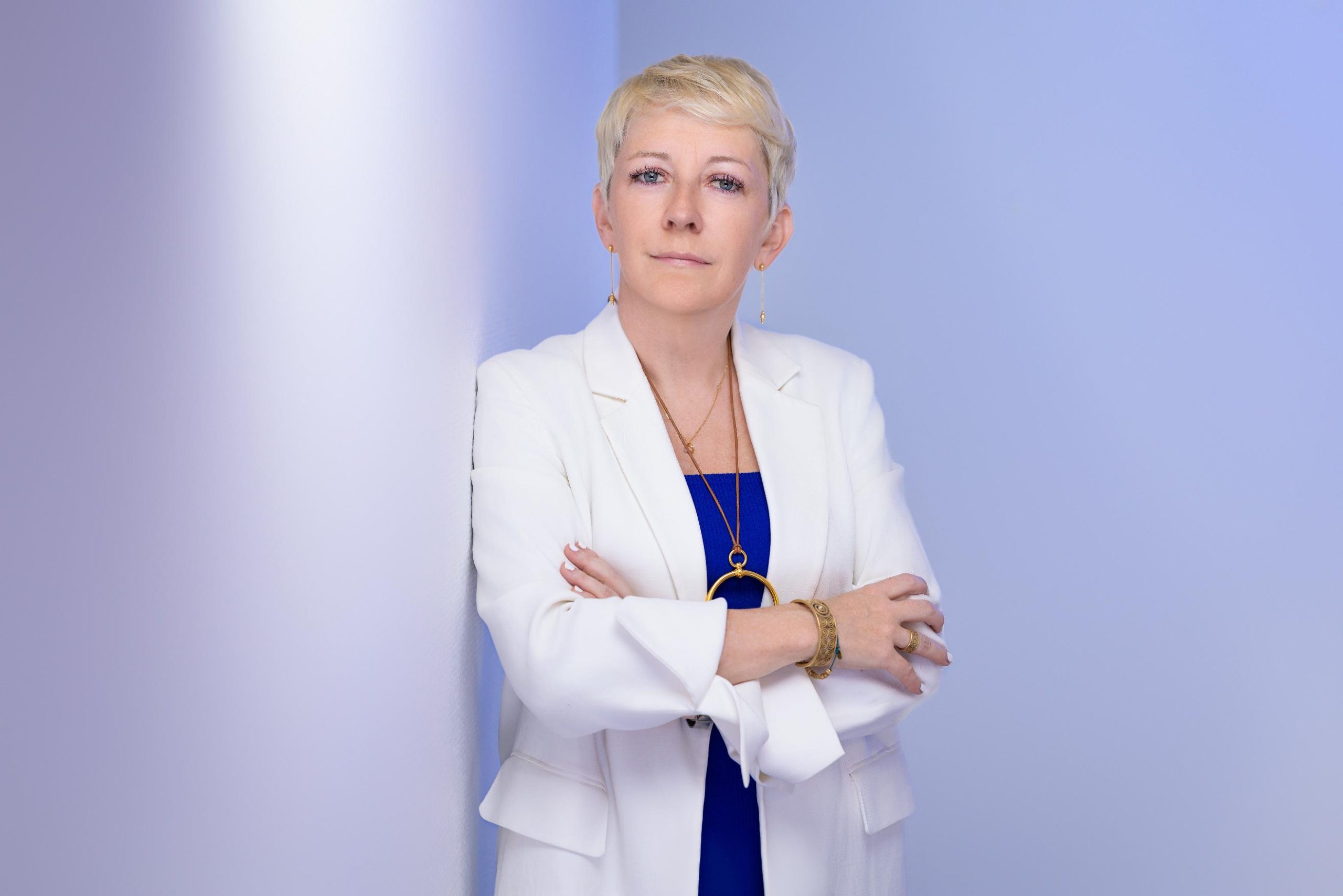
In a discreet corner of Luxembourg’s financial ecosystem, a new initiative is taking shape. Luxembourg Initiative for Enterprise and Family Office, or LIEFO, has been launched to give family offices a space that is exclusively their own. At its heart is Oriane Schoonbroodt, one of four co-founders alongside Anne Canel, Anne Goeres and François Dorland.
Schoonbroodt is a former diplomat turned entrepreneur who spent the past two decades in sustainable finance, asset management and wealth management, most recently as a partner at a Big Four firm. She left only months ago. The reason, she says, is pace. The world is evolving rapidly and she wanted to move closer to strategy, investment and due diligence, with a sharper focus on long term resilience alongside short term performance.
Her conviction is that family offices and wealth managers understand volatility and systemic risk, yet often remain conservative in practice. Diversification is discussed, but portfolios remain heavily weighted towards familiar large US caps and traditional currency exposures. For investors with long time horizons, she argues, acknowledging change is not enough. It must be translated into action.
LIEFO is designed as a response to that gap. The platform is strictly reserved for single and multi family offices. Service providers are excluded. “It’s not a platform to sell services,” Schoonbroodt stresses. Instead, it is conceived as a discreet forum where principals can exchange candidly about investment strategy, governance and shared concerns.
The appetite appears real. At its December launch breakfast, around 60 potential members attended. A similar number followed in January, with roughly 50 having already committed. The format is intentionally curated. Small group breakfasts and thematic sessions replace large conferences. Participants are briefed in advance on the topic, divided into groups, and their exchanges are synthesised to identify common needs and blind spots.
Those blind spots, Schoonbroodt suggests, are often structural. Many families separate the source of their wealth from the risk assessment of their investment portfolios. In a volatile environment, that disconnect can amplify vulnerability. Governance, too, is more than a succession plan on paper. The next generation perceives risk differently. Yet while families recognise the need to involve them, implementation often lags. Integrating younger perspectives into investment decisions is, in her view, not symbolic but strategic.
Beyond peer exchange, LIEFO has a clear ambition to represent its members. Unlike broader industry bodies such as Luxembourg Private Equity & Venture Capital Association, which convene a wide range of market participants, LIEFO’s mandate is narrower. It seeks to articulate the specific interests of family offices and to engage in structured dialogue with government and other institutions. In a jurisdiction where regulation, tax treaties and fund structuring remain key attractions, Schoonbroodt believes a recognised, stable voice for family capital is overdue.
There is also a European dimension. Luxembourg, she notes, remains a strong platform for structuring wealth, yet it must stay agile. Families are increasingly cross border, with operations and members spread across jurisdictions. Partnerships with sister organisations abroad and engagement at EU level are part of LIEFO’s roadmap, both to bring external perspectives into Luxembourg and to project the Grand Duchy’s strengths outward.
For Forbes readers, the message is clear. In a world of accelerating geopolitical, regulatory and generational change, family capital cannot rely on legacy structures alone. If LIEFO succeeds over the next three to five years, Schoonbroodt says, it will be because it has become a trusted, recognised actor able to preserve discretion while influencing policy. More ambitiously, she hopes it will help families align wealth, governance and legacy with the expectations of the next generation.
This piece includes AI-generated text, reviewed and edited by Jess Bauldry
Read more articles:
The Myth Of The Rational Merger
Creating Value At The Intersection Of Sustainability And AI
How Luxembourg’s Banking Sector Can Turn AI Ambition Into Real Outcomes