

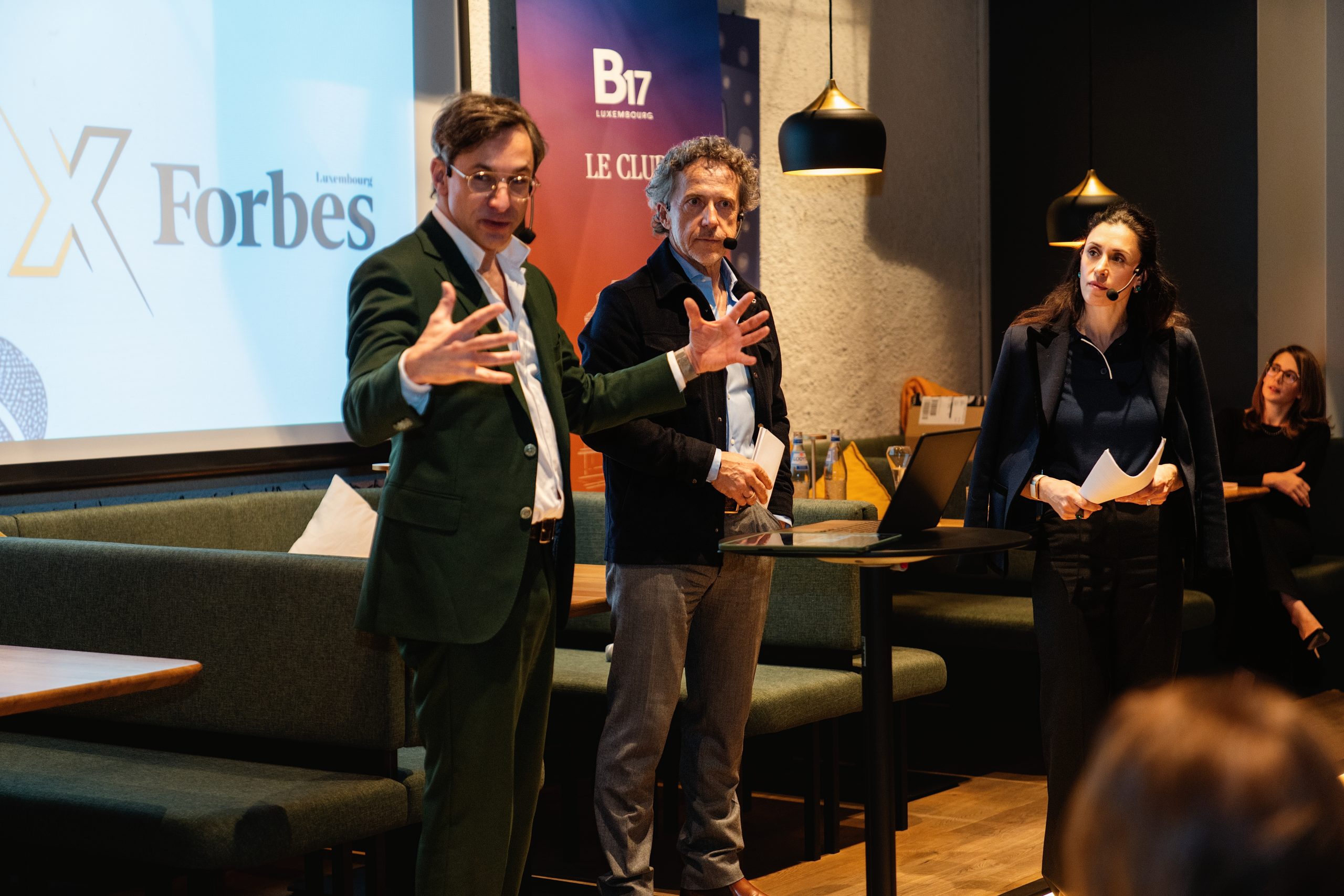
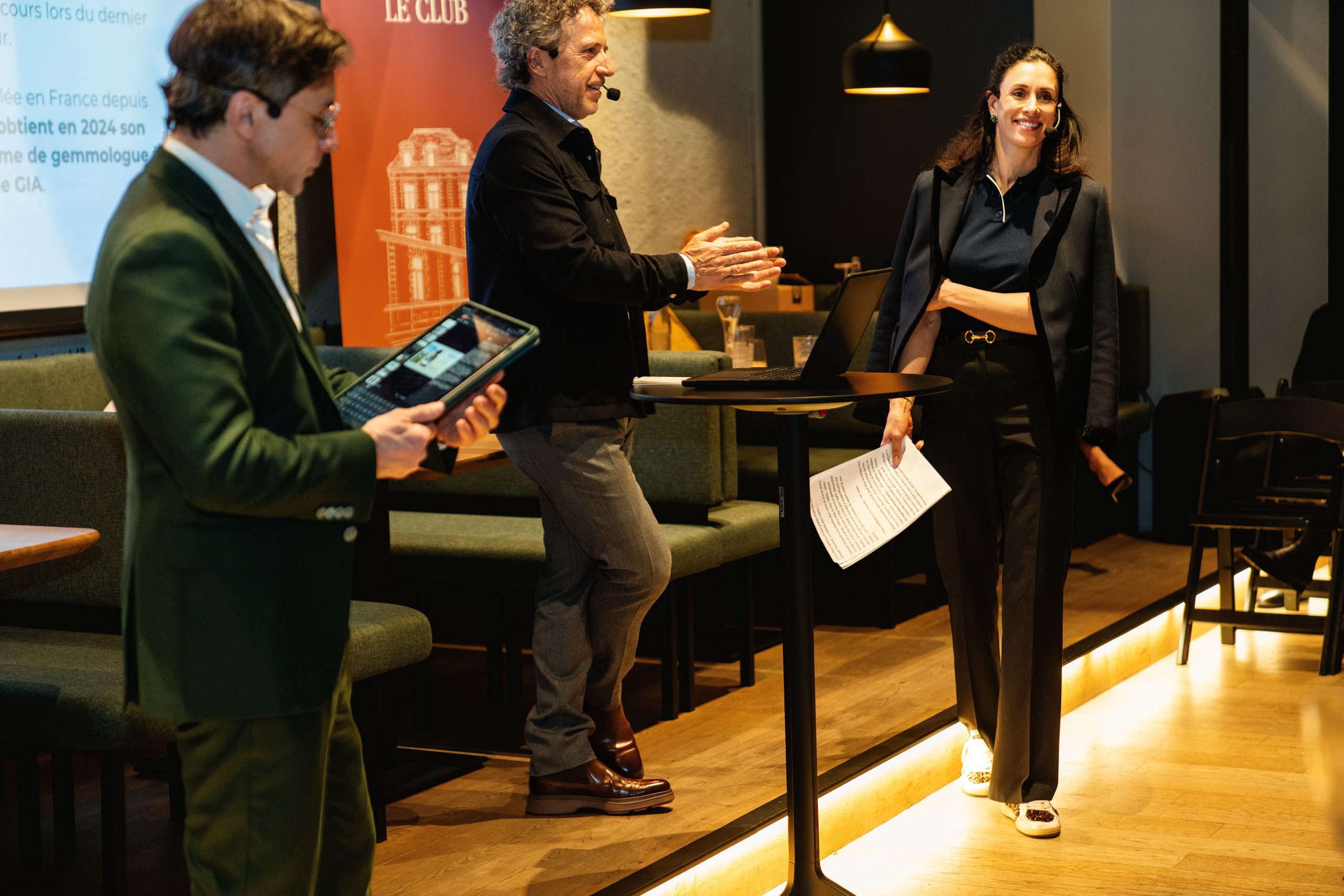
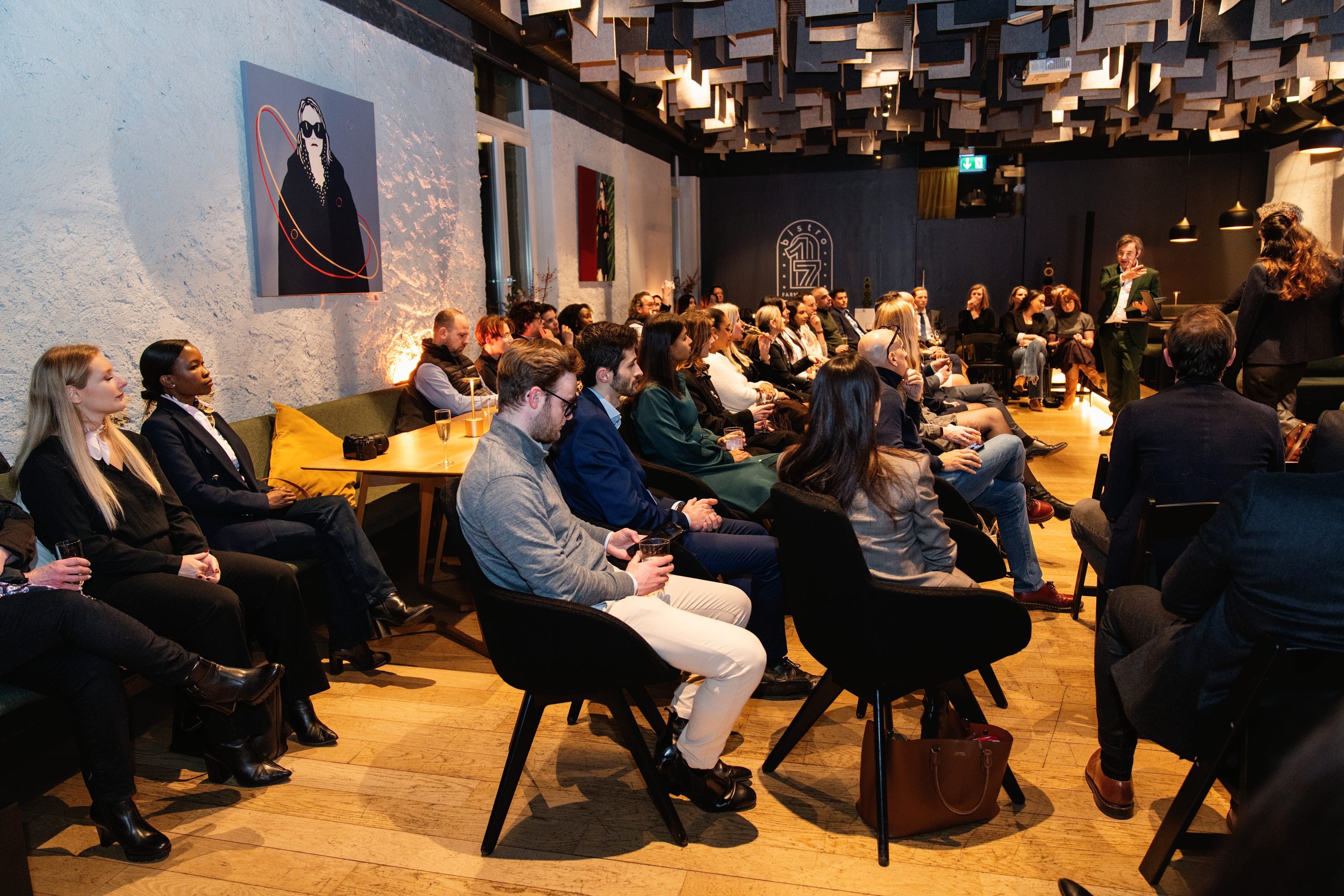
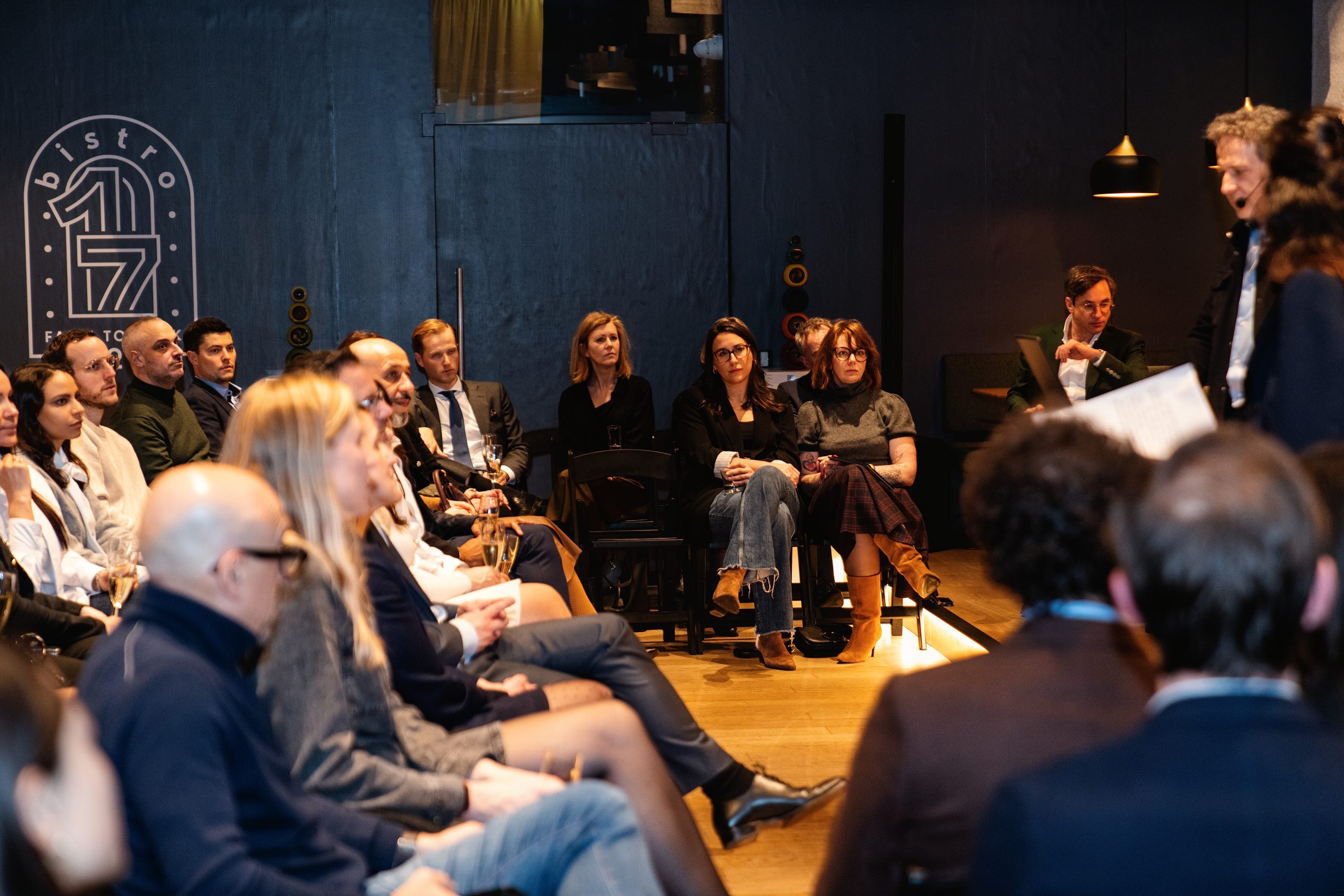
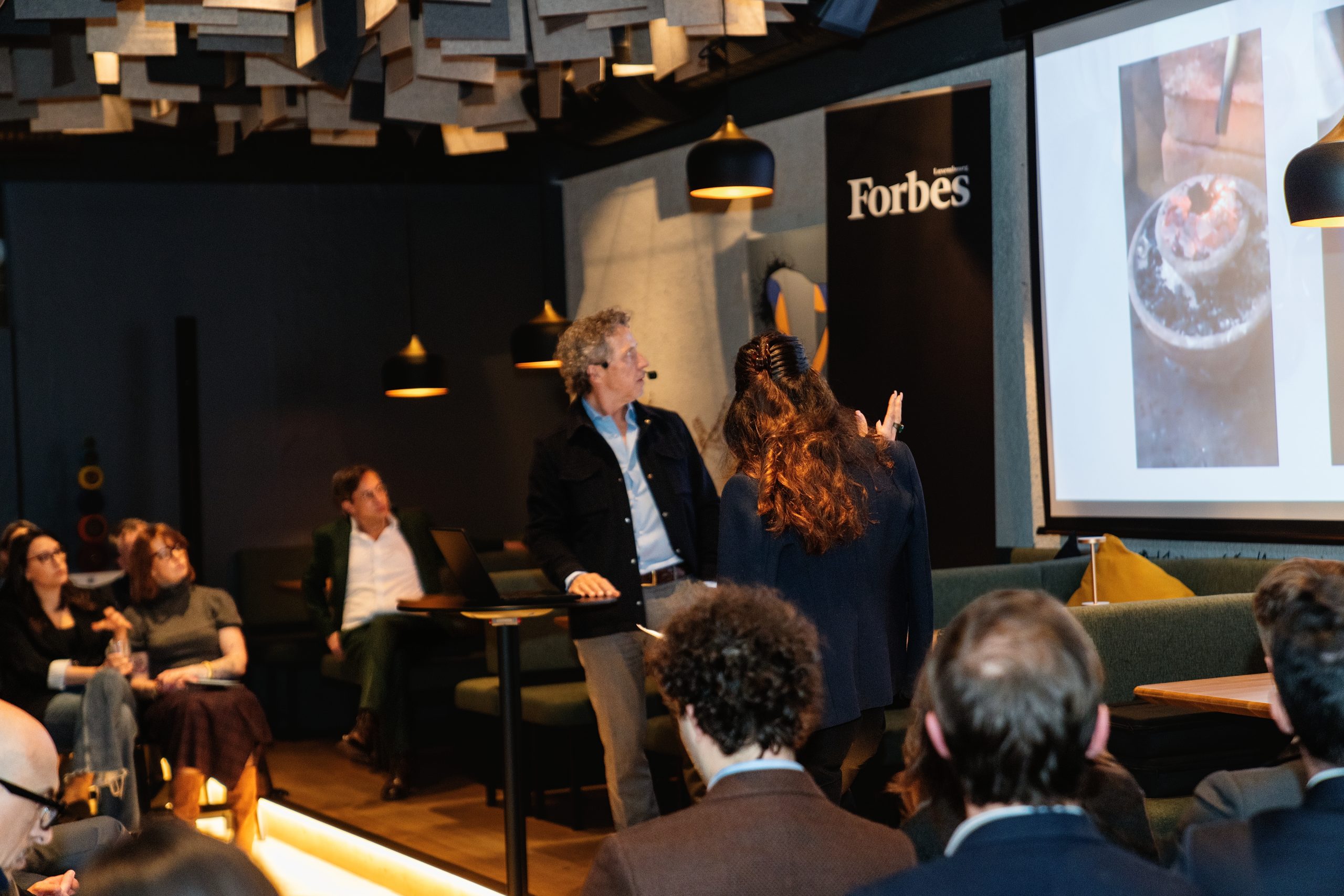
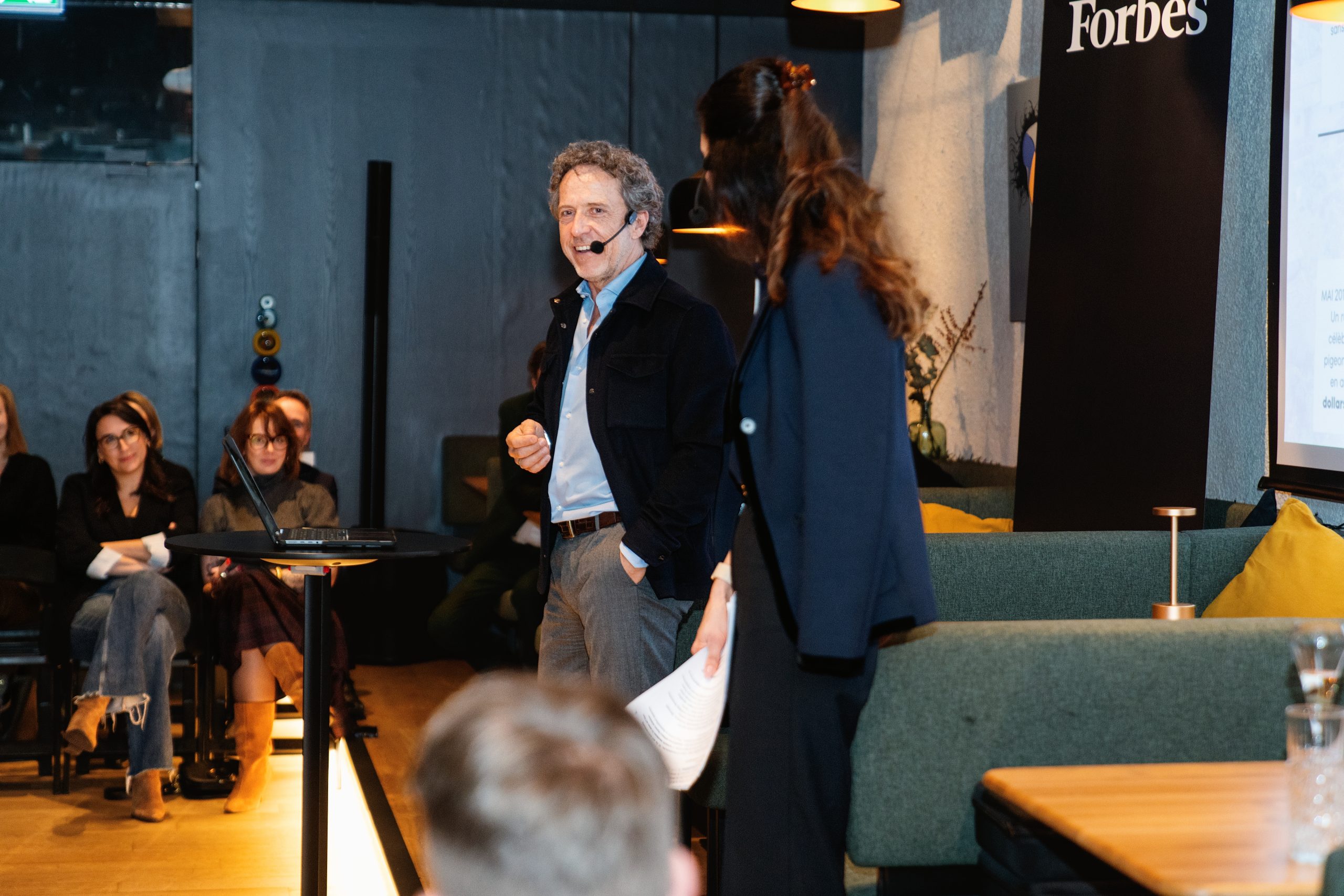
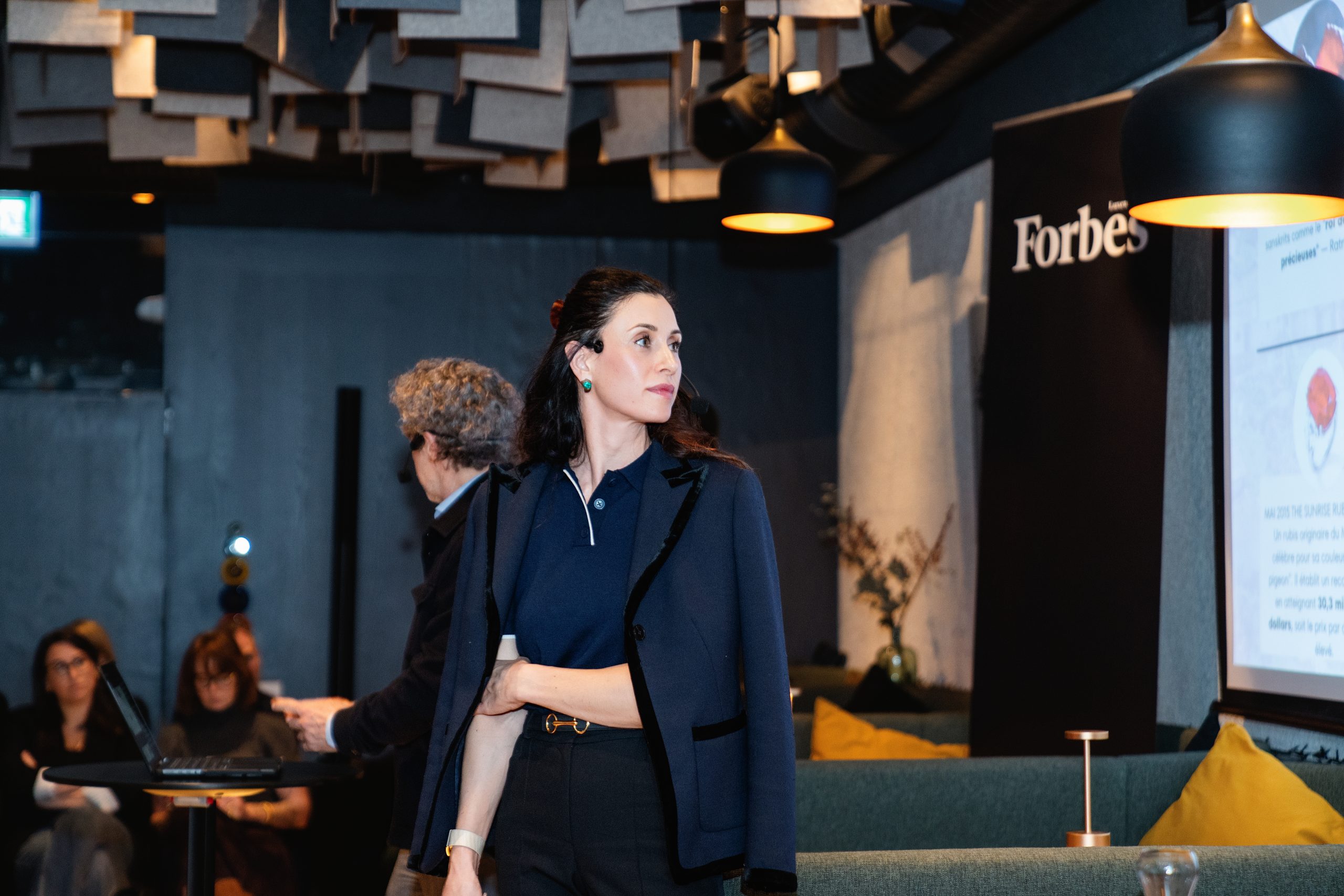
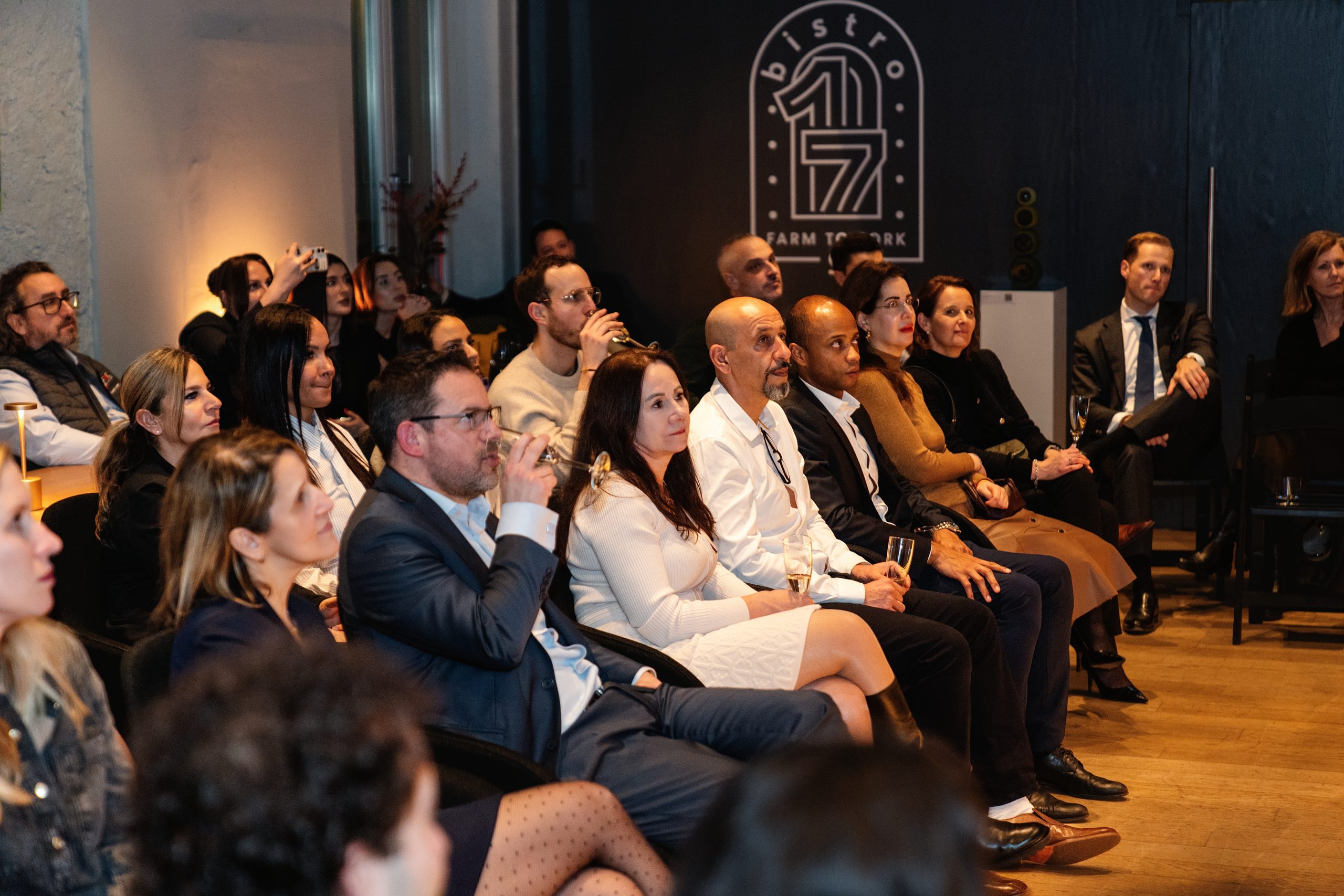
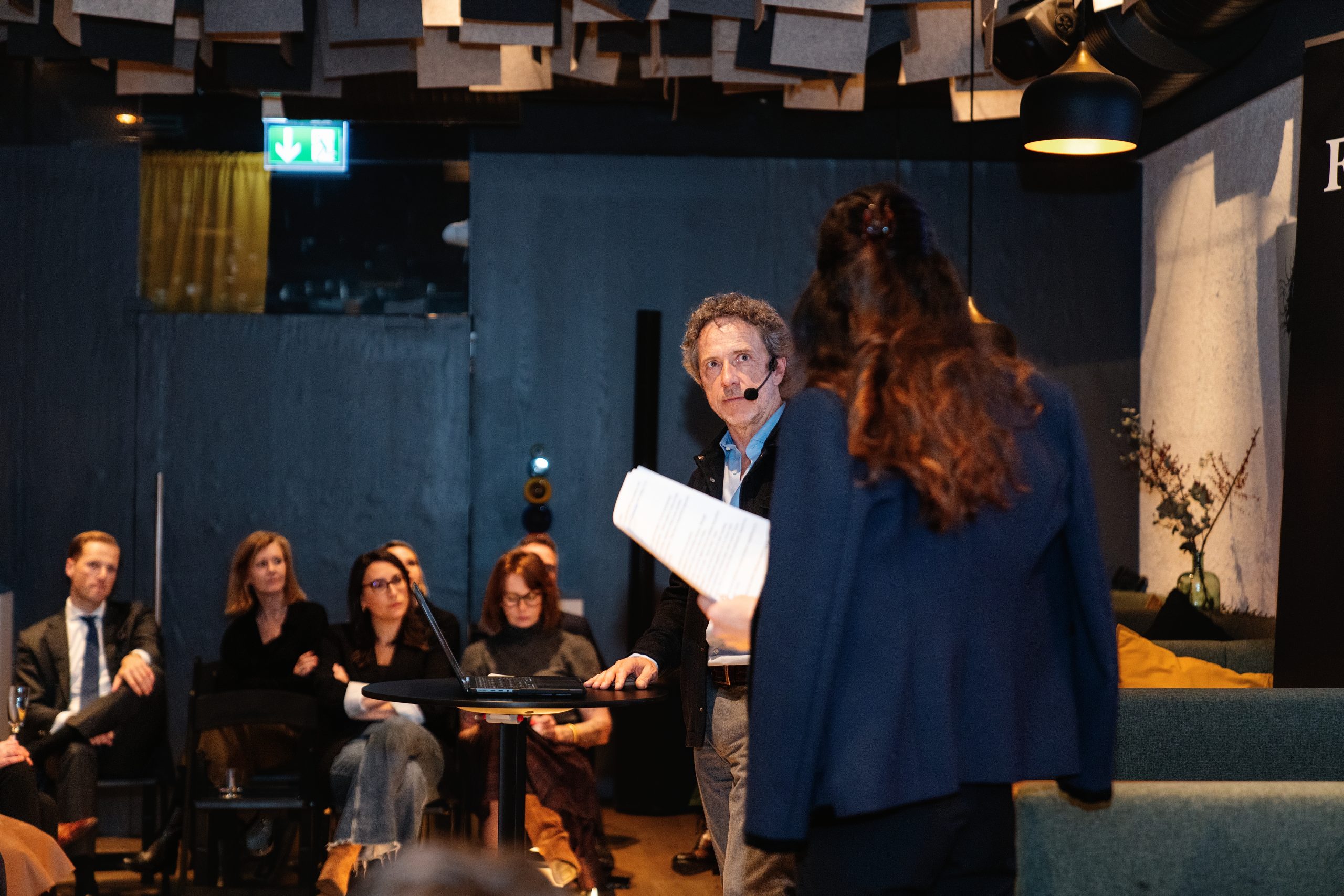
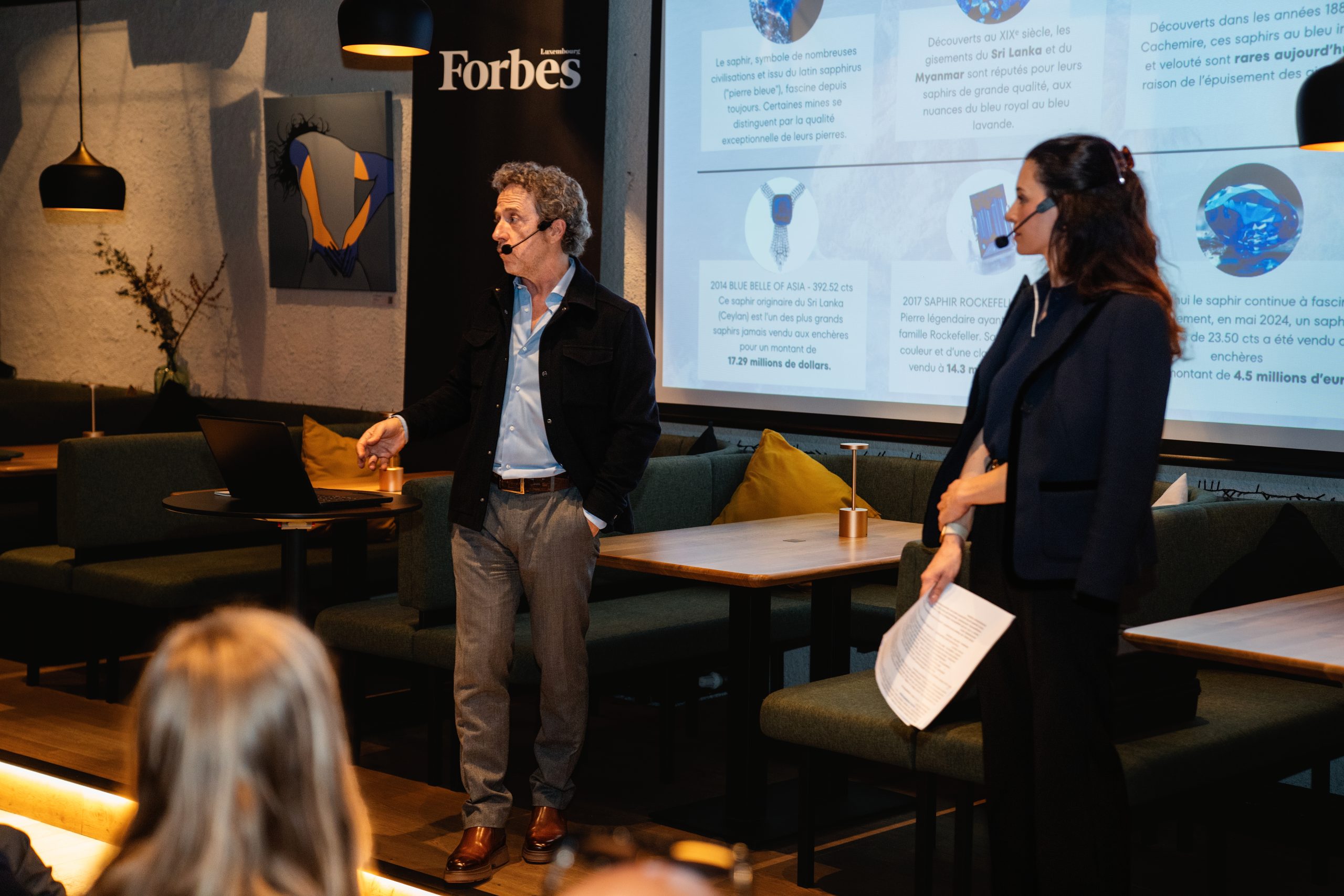
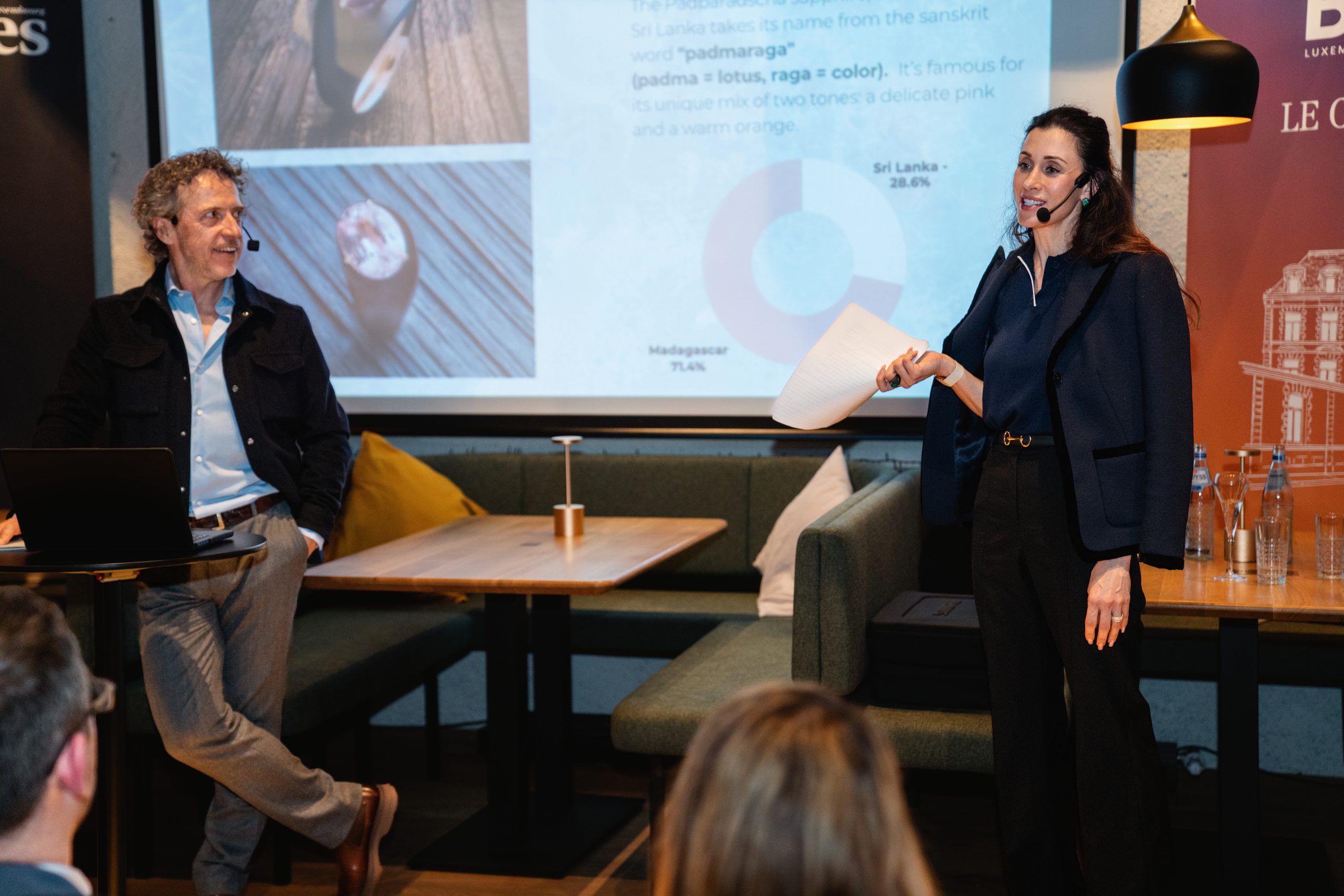
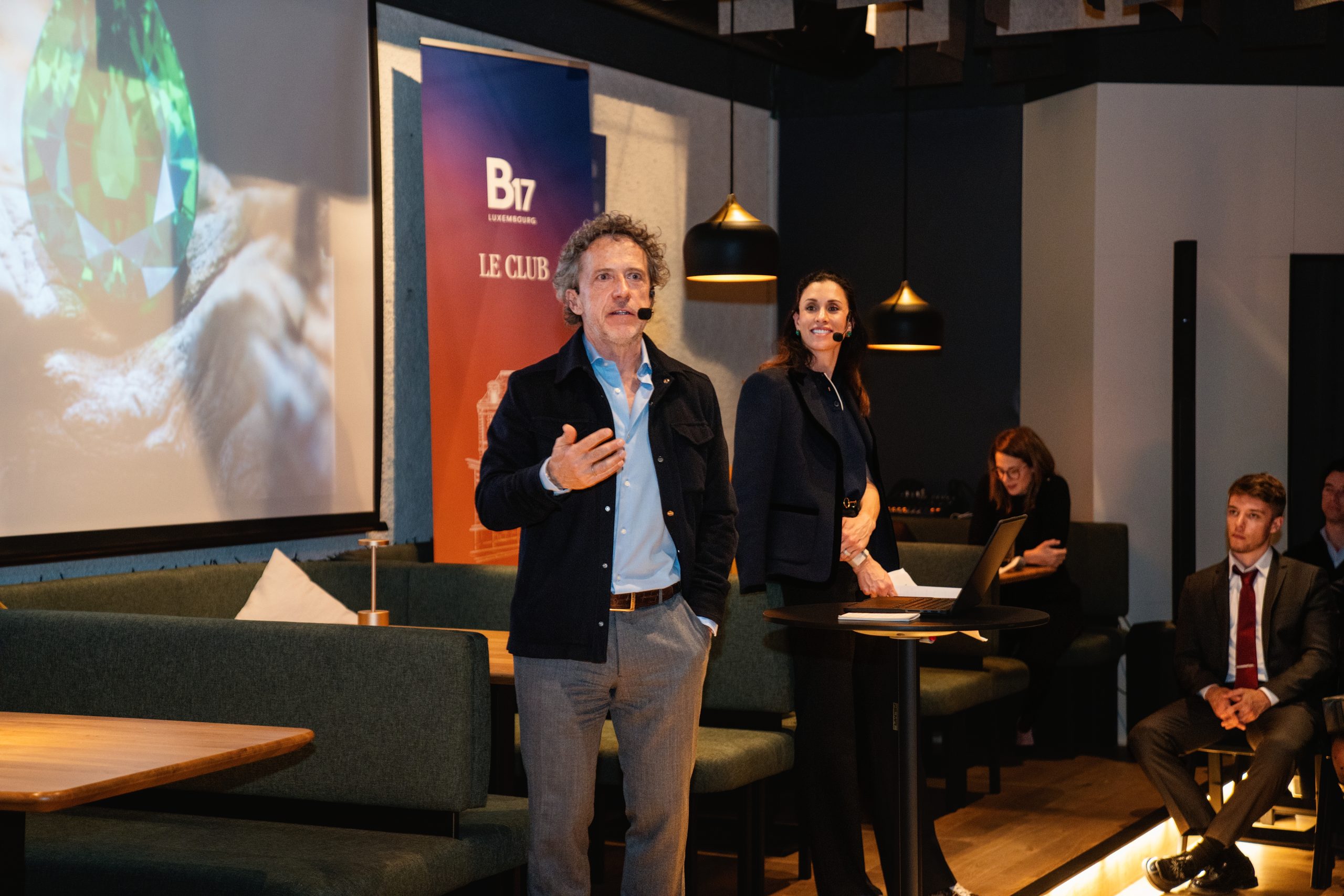
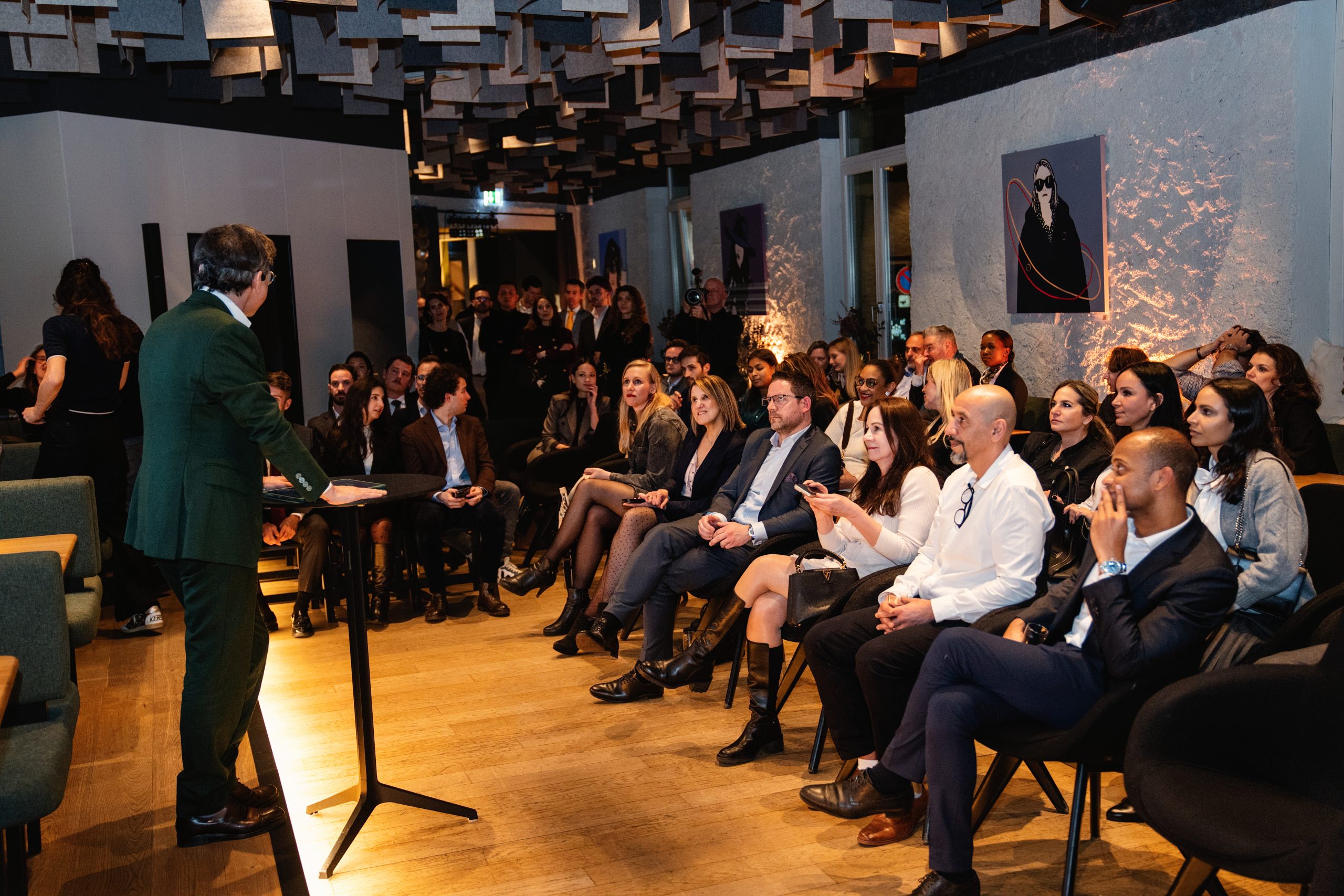
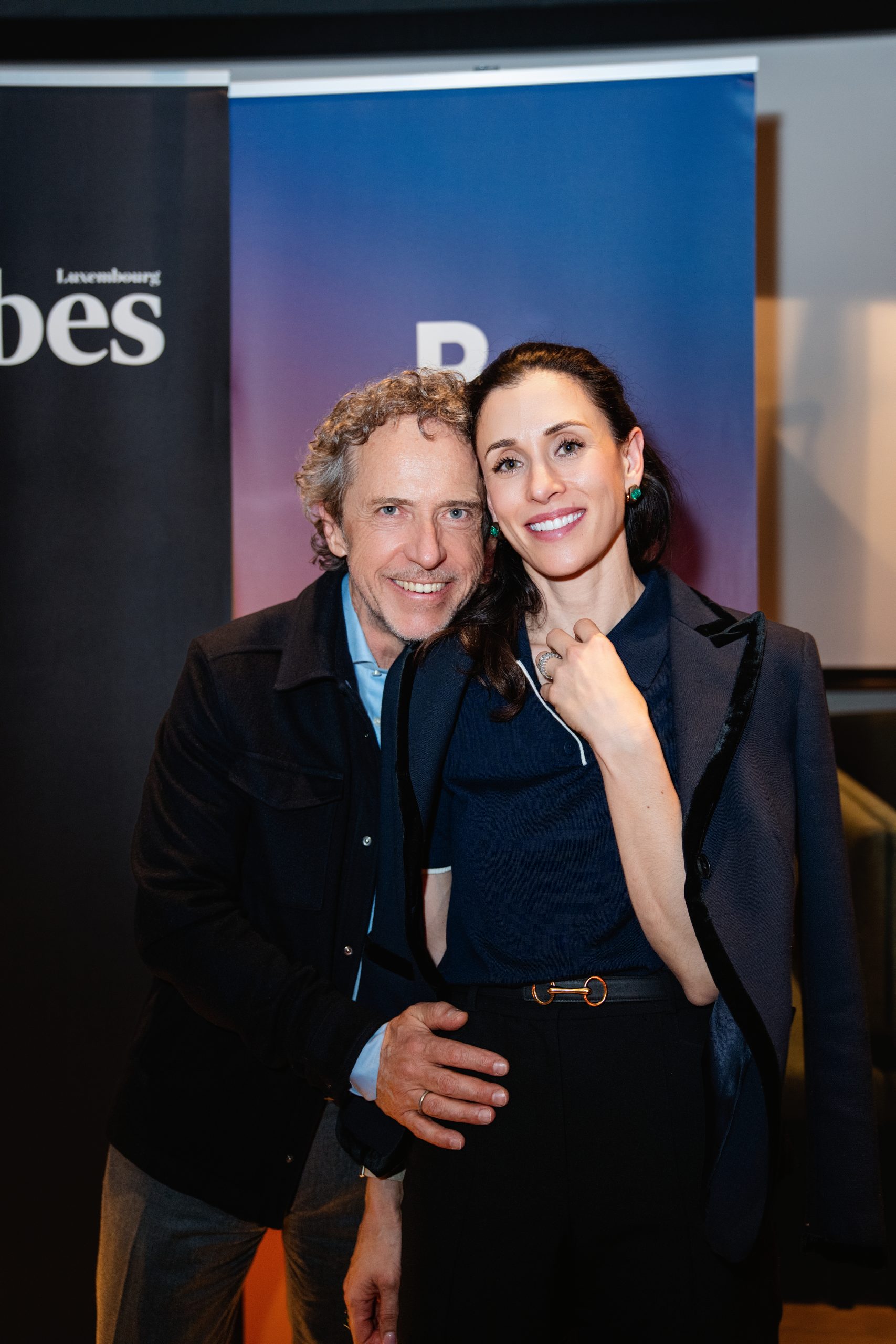
The February Talk B17 x Forbes welcomed Maria and Philippe Guilhem, who lead Maison Guilhem, Megève, a luxury jewellers founded in 1865. The husband and wife team, in which Philippe represents the fifth generation, spoke on a topic rarely approached from this angle: gemology, ethical sourcing, and investment in precious and fine stones, excluding diamonds.
“We’re not talking about jewellery. We’re talking about the stone,” Philippe Guilhem stated from the outset. In other words: deposit, crystallographic composition, measurable rarity.
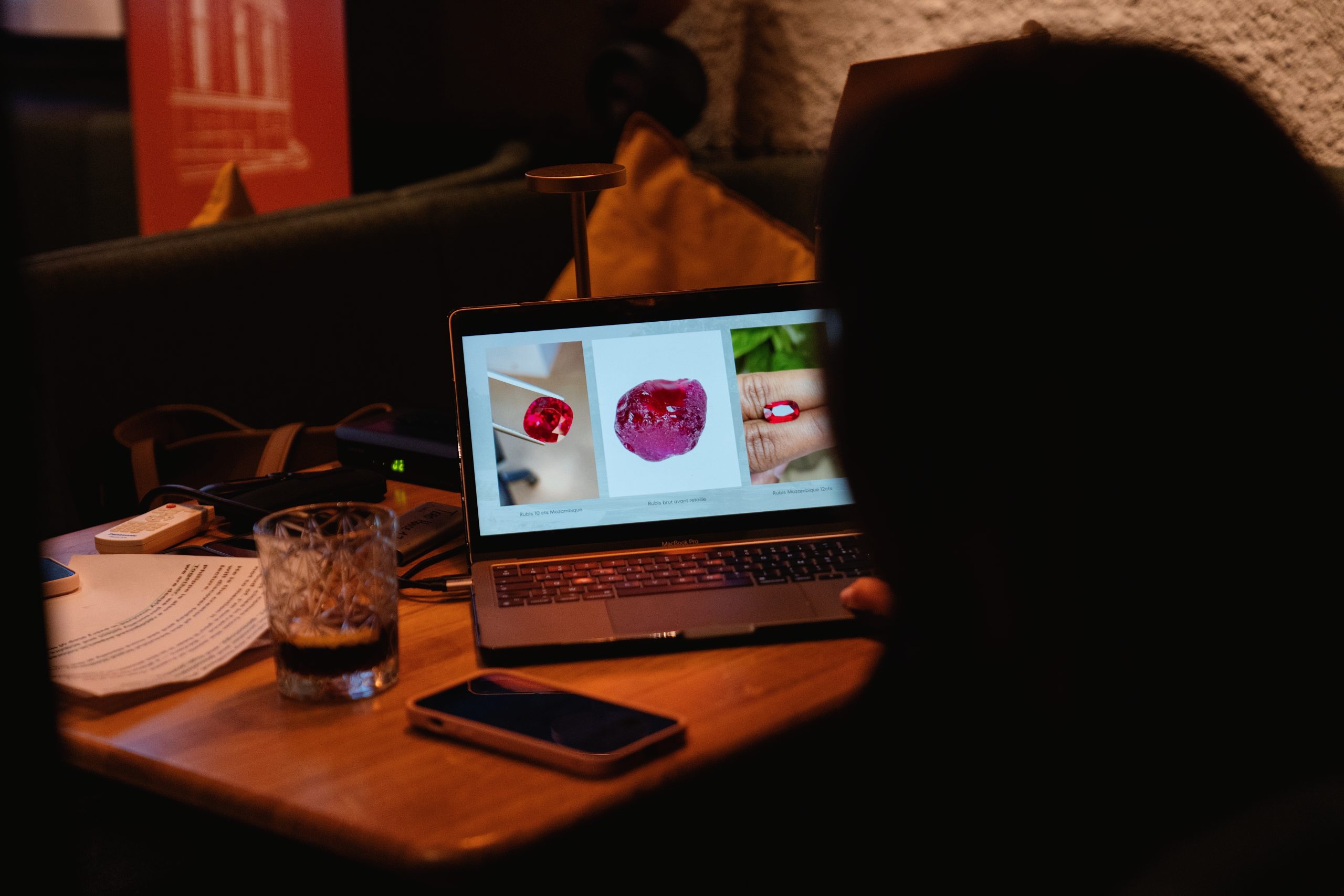
The first figure presented by Maria, who earned her GIA gemology diploma in 2024: “98% of rubies are heated.” This practice, documented since Antiquity, involves heating the stone to between 400 and 700 degrees Celsius to enhance colour and transparency. Strictly untreated rubies account for less than 2% of global production. “It’s those 2% that create the value.” At comparable quality, an unheated ruby can be worth two to ten times more than a treated ruby. The same order of magnitude applies to certified unheated sapphires. The distinction is not aesthetic but technical: “It’s indicated on the certificate. Heated or unheated. The market makes the difference.”
Deposits Under Pressure
Geography is decisive. Myanmar, particularly the Mogok Valley, the historic reference for “pigeon blood” rubies, is now nearly closed. “Stones over 30 carats had to be declared. Many were broken to avoid the threshold,” recalled Philippe. The consequence: very large Burmese stones have become exceptional.
The Kashmir mines, famous for their silky blue sapphires, are exhausted. Brazil, the historic birthplace of Paraiba (discovered in 1987), now produces very little. “The first mines are empty.” New sources, Mozambique and Nigeria, exist, but volumes remain limited.
In this context, fine stones are gaining ground. “The market is no longer limited to the quartet diamond–ruby–sapphire–emerald,” the jeweller insists. Tsavorite, a green garnet mined in Kenya and Tanzania, is described as “200 times rarer than emerald.” “Beyond five carats, it’s exceptional,” added Maria. Untreated red spinels or cobalt spinels—long confused with ruby (the famous ‘Black Prince’s Ruby’ is actually a spinel)—are now primarily traded privately.
Auction results confirm the pressure. Sunrise Ruby (25.59 carats, Myanmar): $30.3 million in 2015. Estrela de Fura (55.22 carats, Mozambique): $34.8 million in 2023. Blue Belle of Asia (392.52 carats, Sri Lanka): $17.29 million in 2014. “In ten years, we’ve gone from €30,000 to more than €150,000 per carat for exceptional pieces,” Philippe noted.
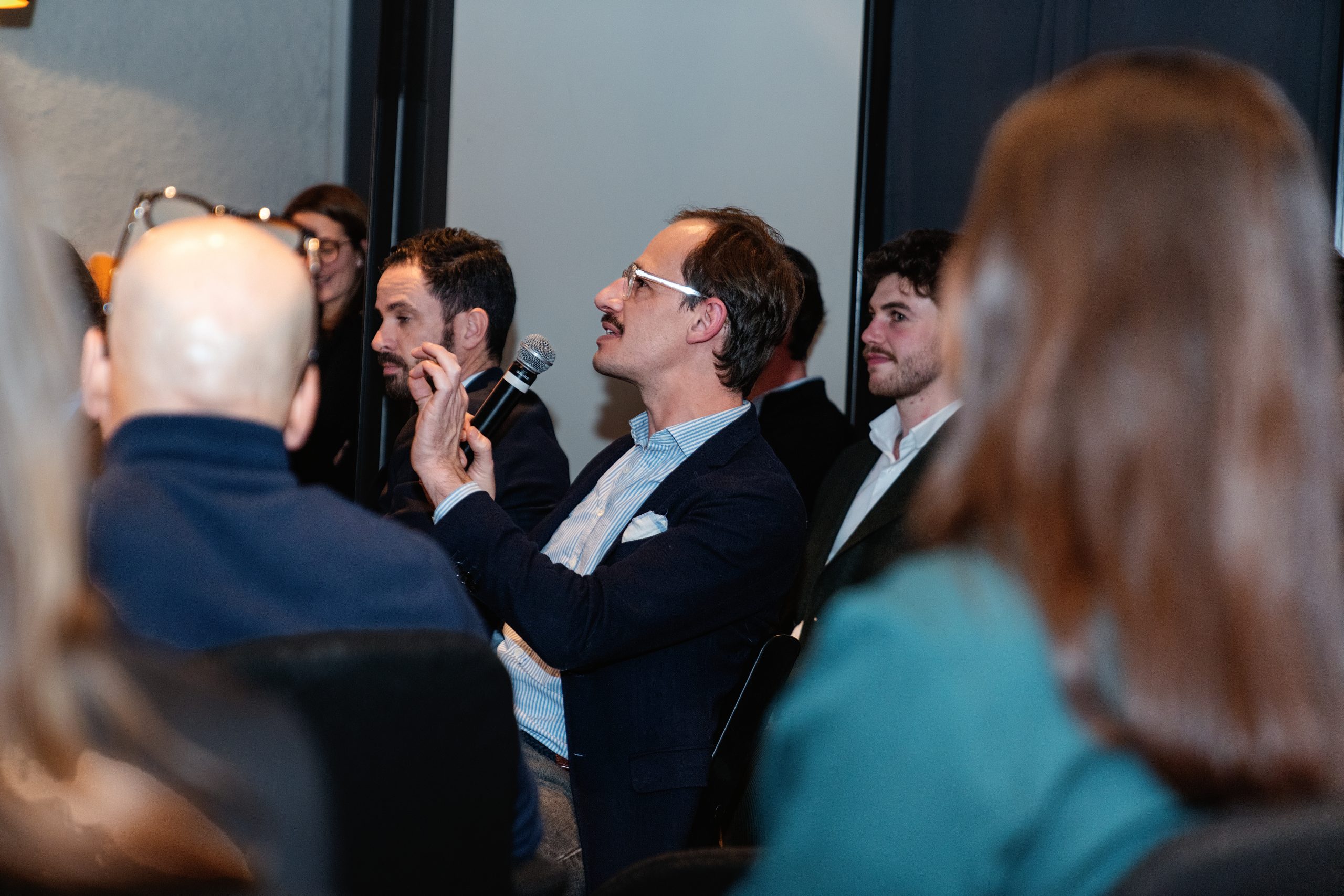
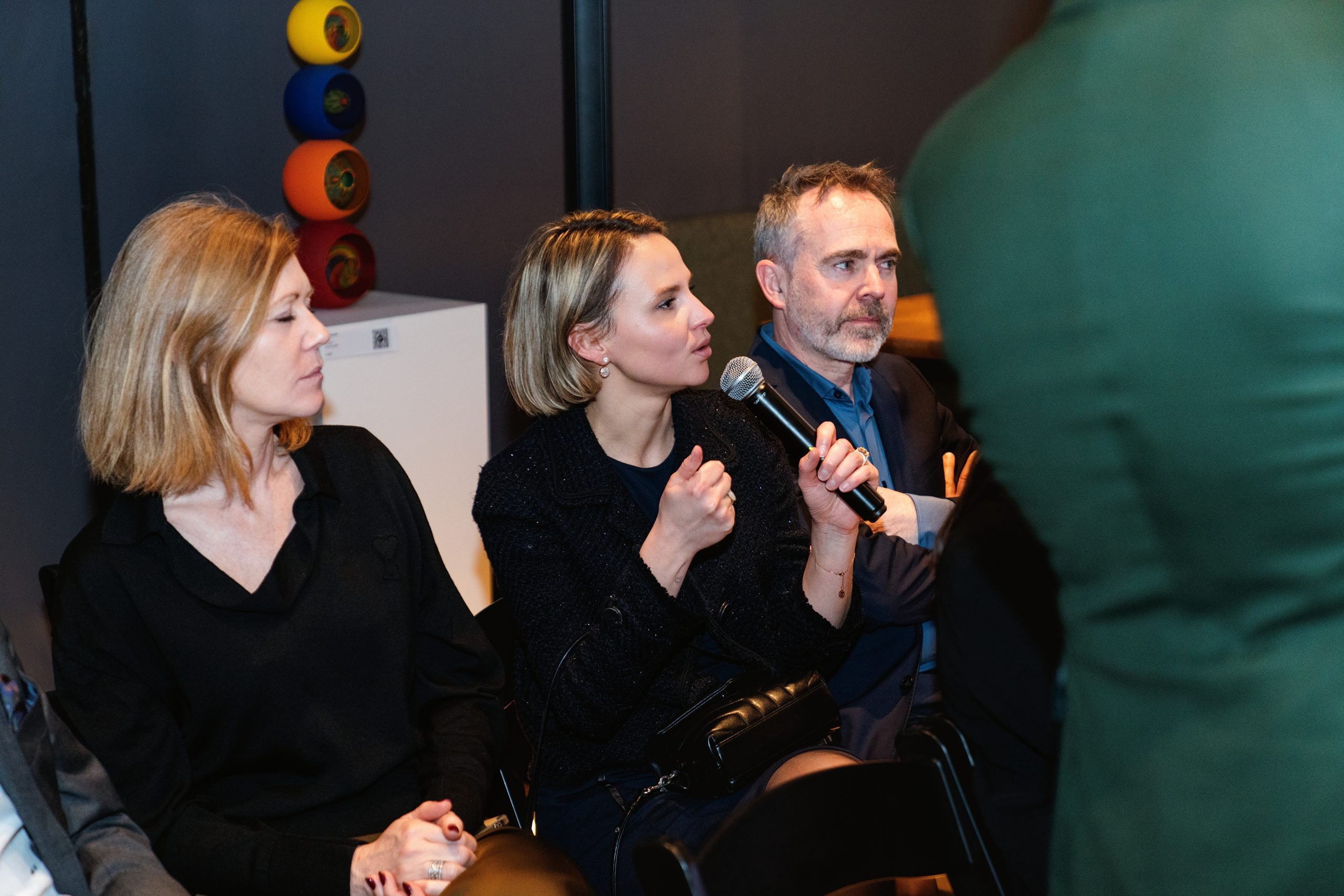
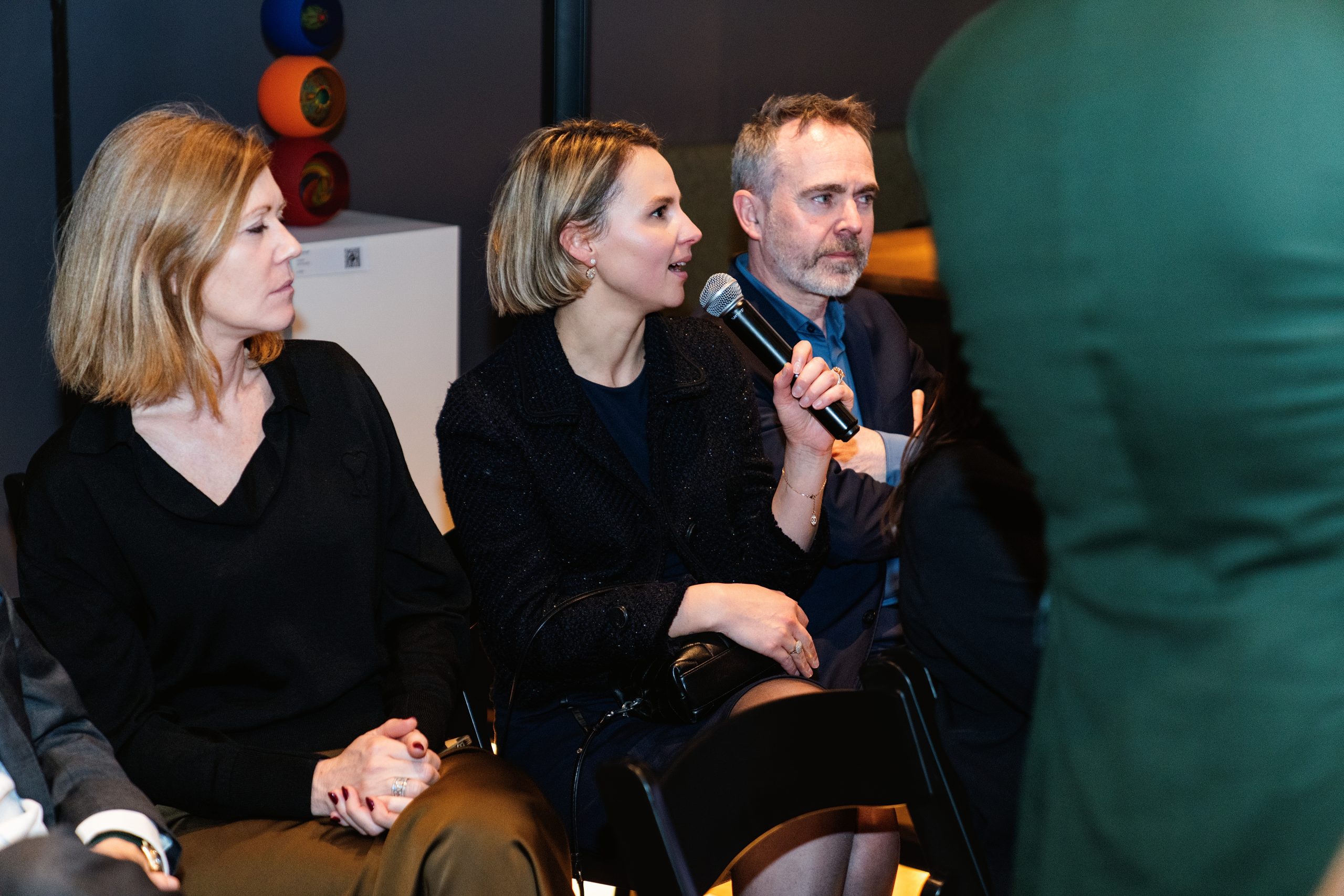
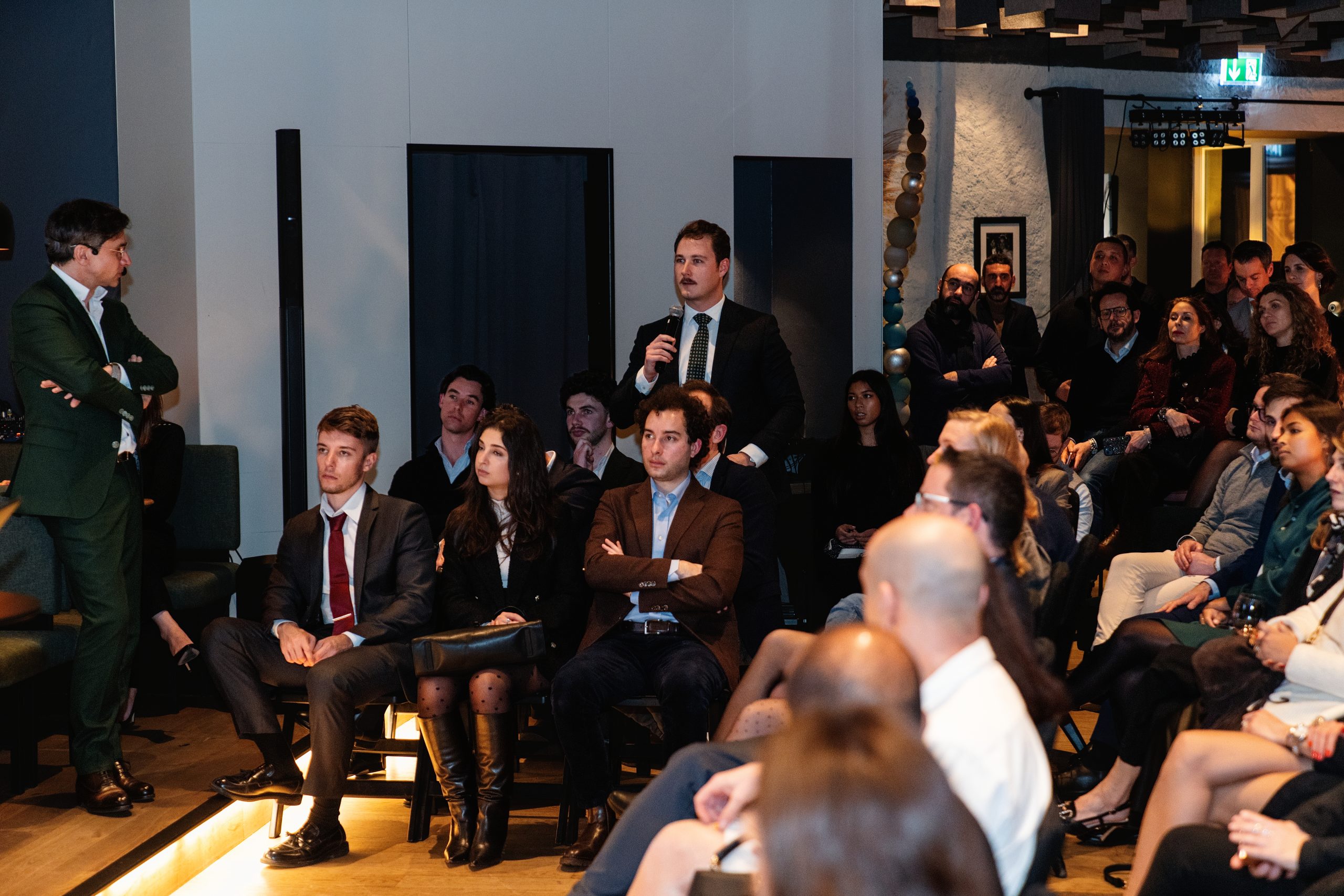
From the audience, the question of diamonds arose. The answer was unequivocal: “Diamonds are not rare. They’ve been industrialised.” Unlike coloured stones, whose production cannot be artificially regulated.
Origin, Traceability, Decorrelation
The discussion shifted toward investment. “Asia is buying,” observed Philippe. Private collectors, along with Chinese and Middle Eastern markets, account for a growing share of acquisitions of certified untreated stones.
Sourcing has become strategic. “No brokers. We go to the source.” Direct supply from miners in Mozambique, Sri Lanka, and Madagascar. GRS or SSEF certificates specify origin and treatment. “An inclusion is not a flaw. It’s the stone’s passport,” Maria reminded the audience: inclusions help identify natural origin and sometimes provenance.
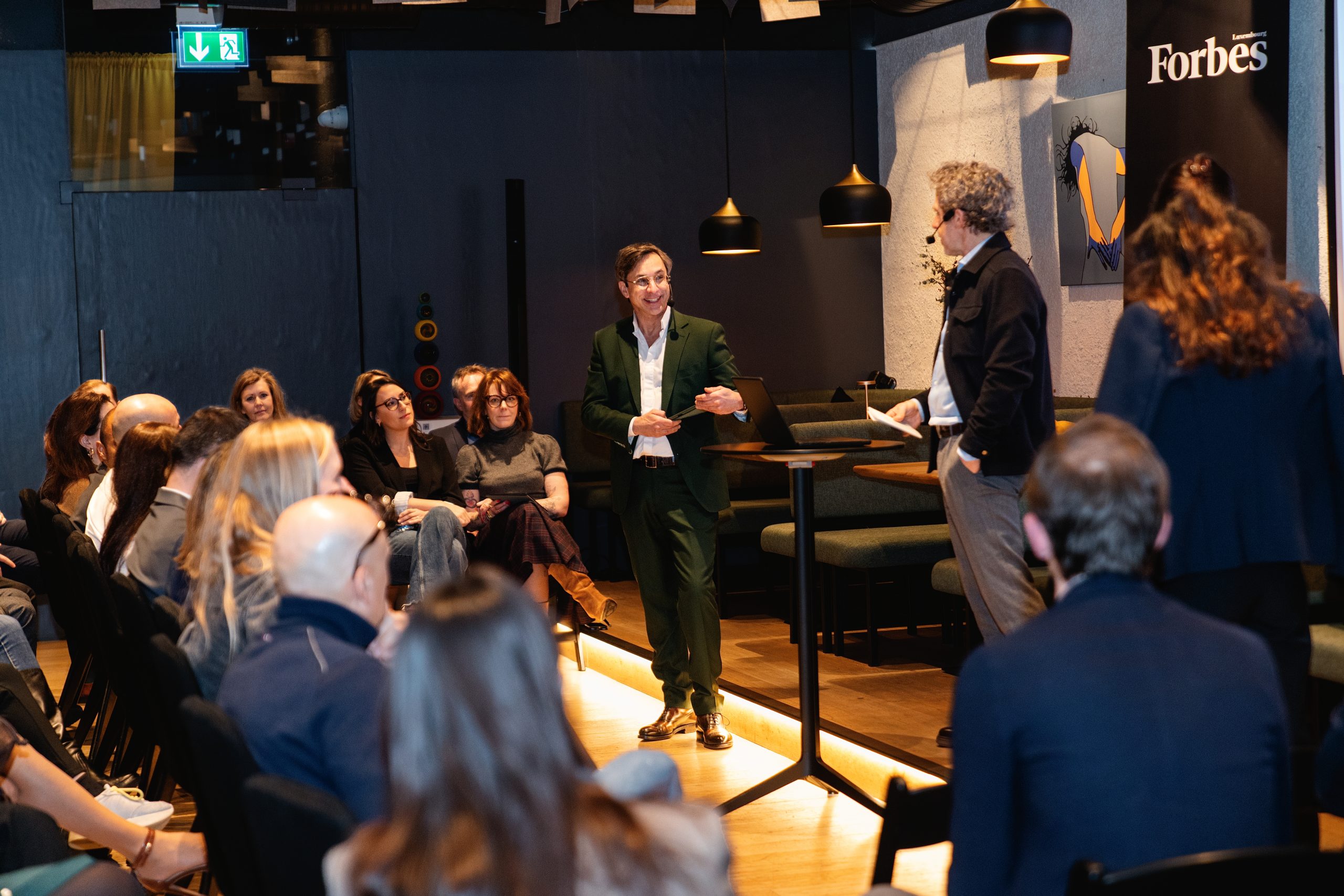
Valuation therefore relies on objective criteria: geographic origin, absence of heating, weight, quality of cut, color intensity, and actual availability. “As in the art market we discussed during the November 13, 2025 talk, the certificate matters as much as the stone,” noted moderator and Forbes Luxembourg CEO Pierre-Yves Lanneau Saint Léger.
When asked about decorrelation, Philippe answered without hesitation: “A stone is tangible. Indestructible. Portable.” And above all, finite. “You can’t accelerate geological formation.”


























Read more articles:
Robert Goeres And The Business Of Slowing Time
