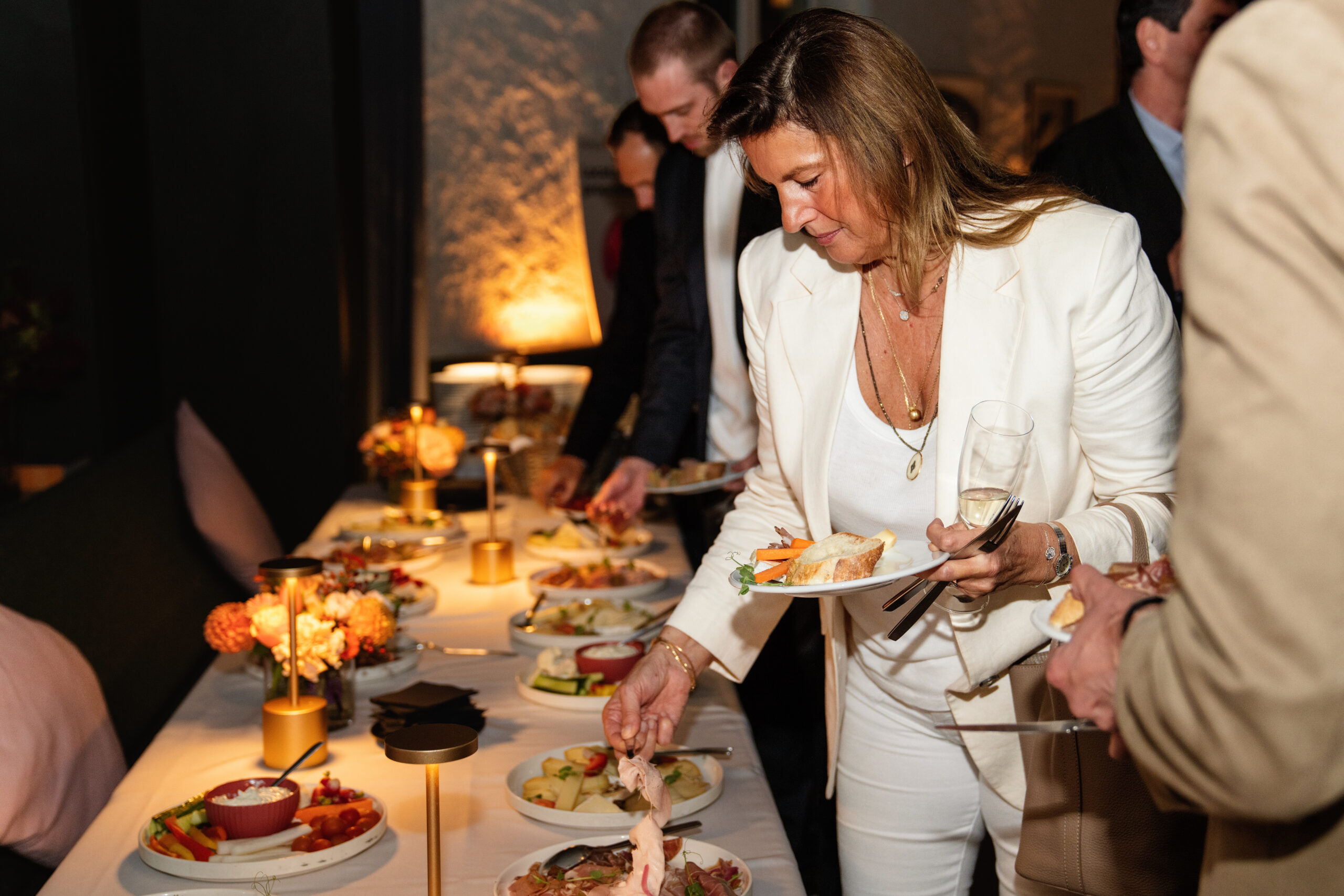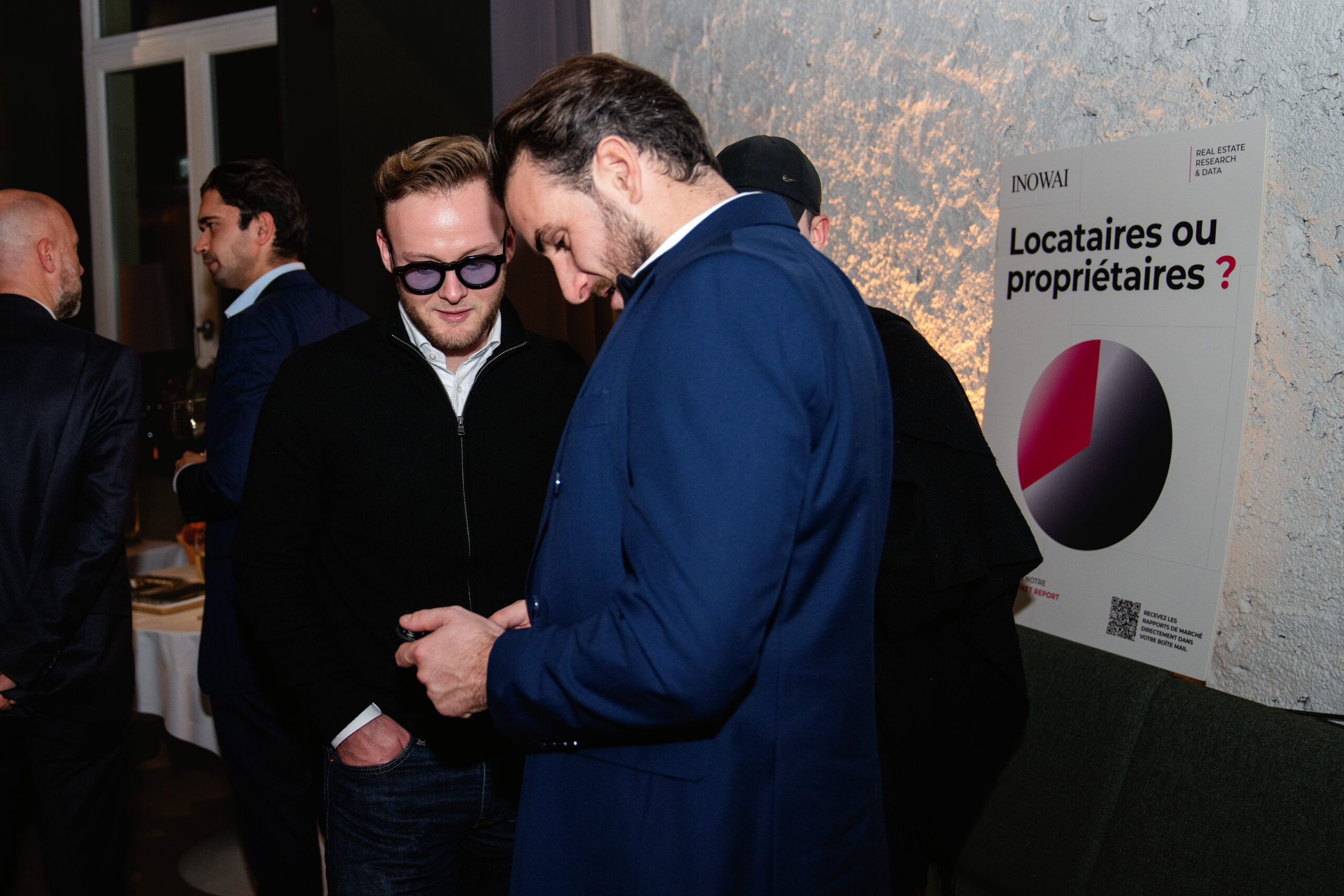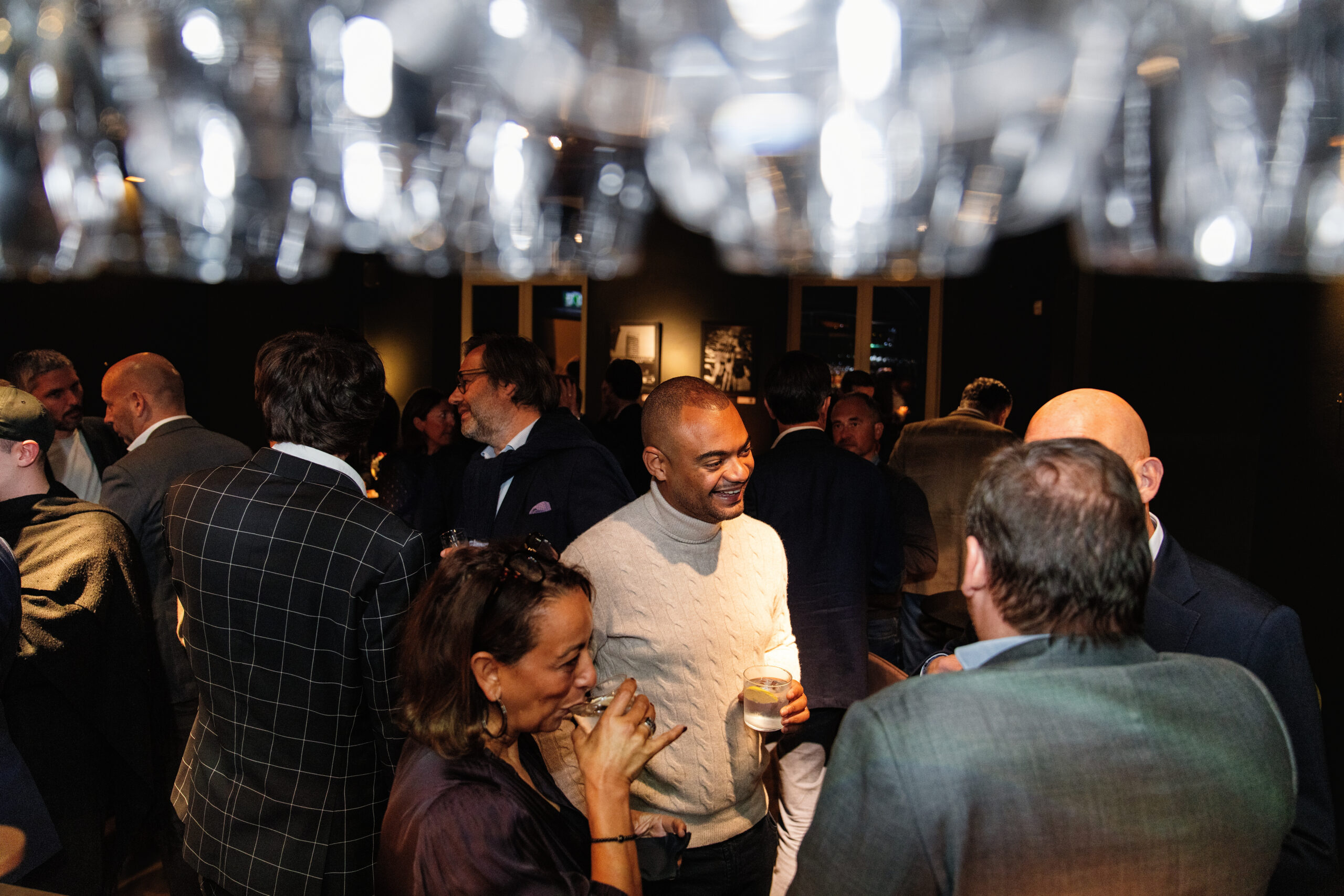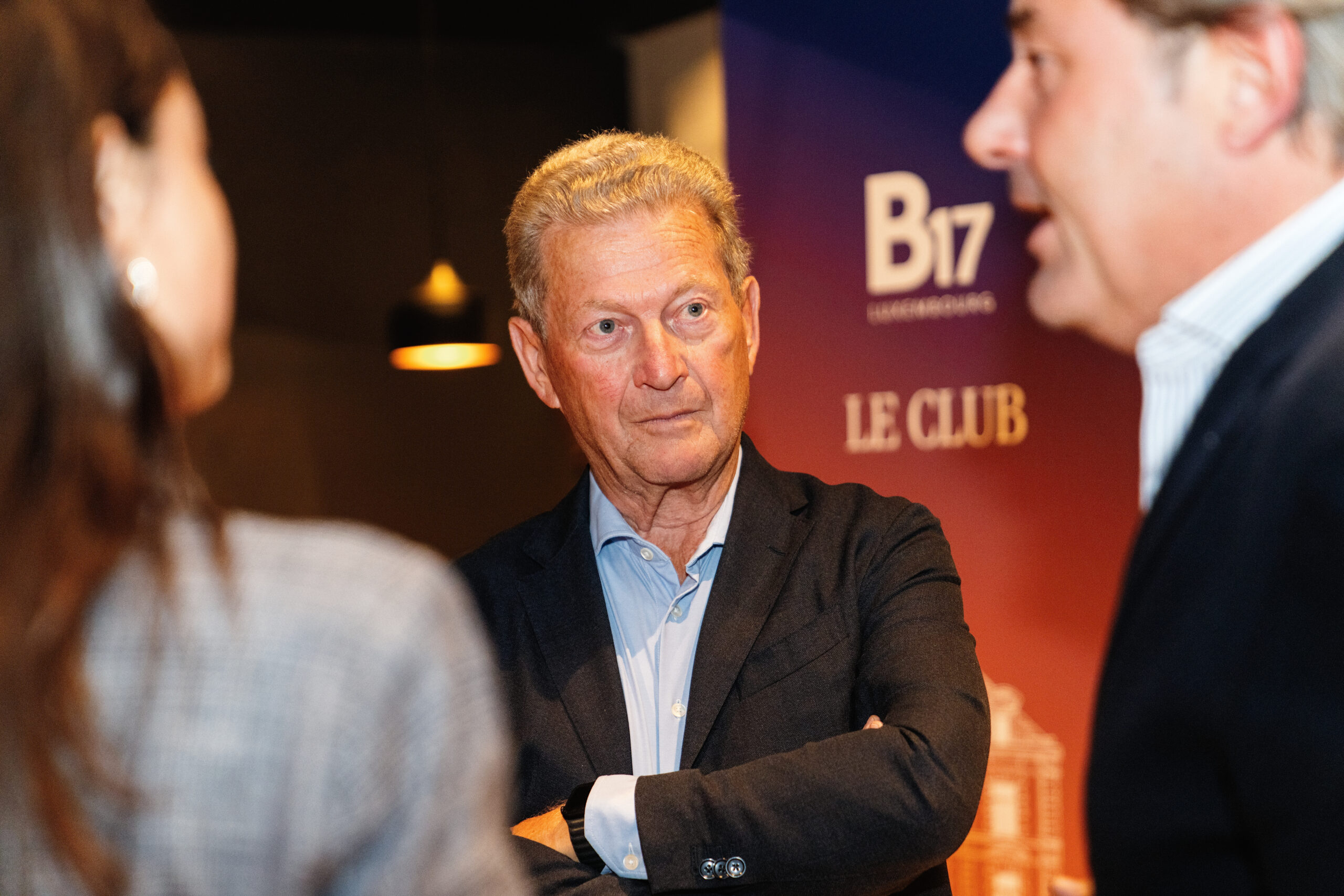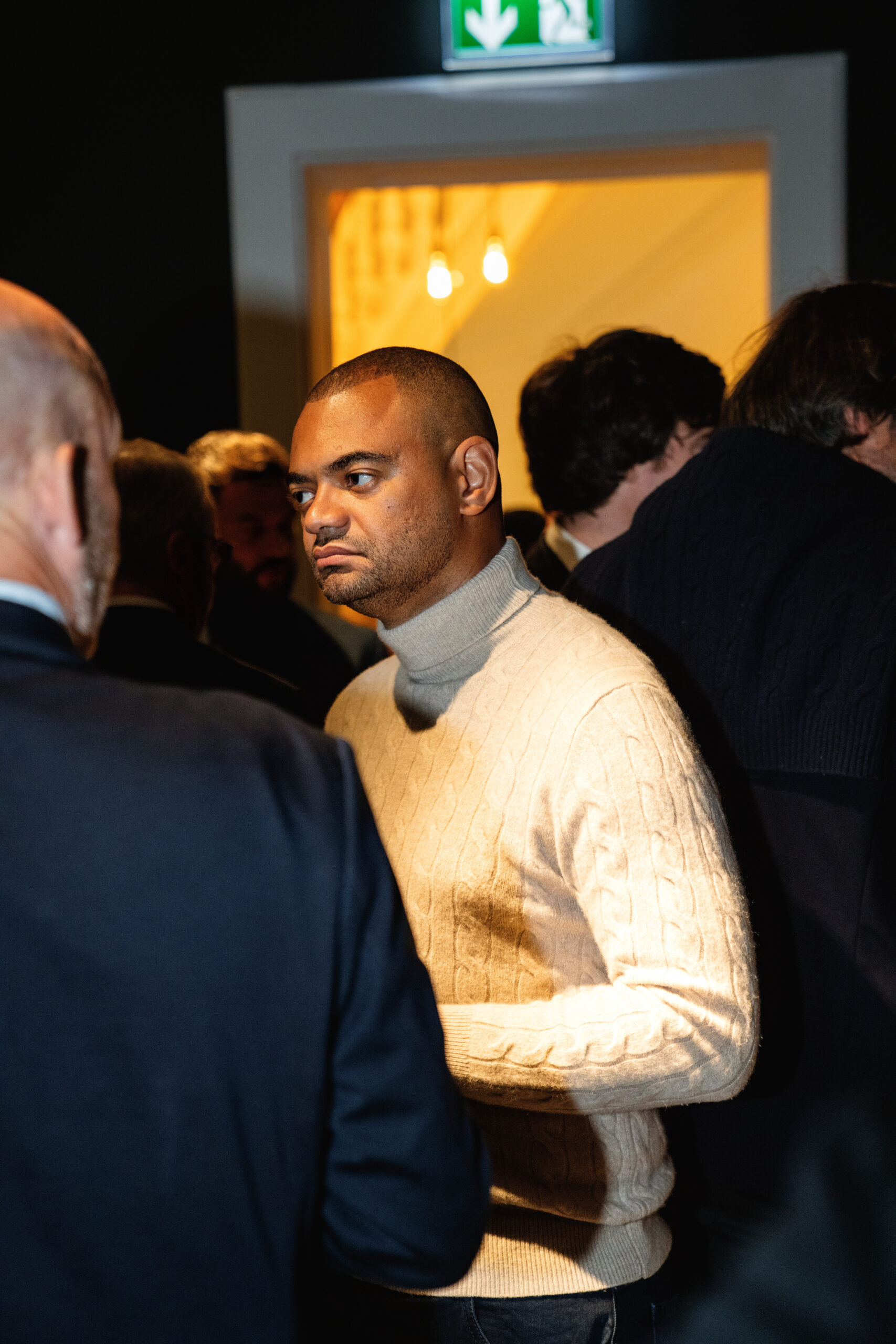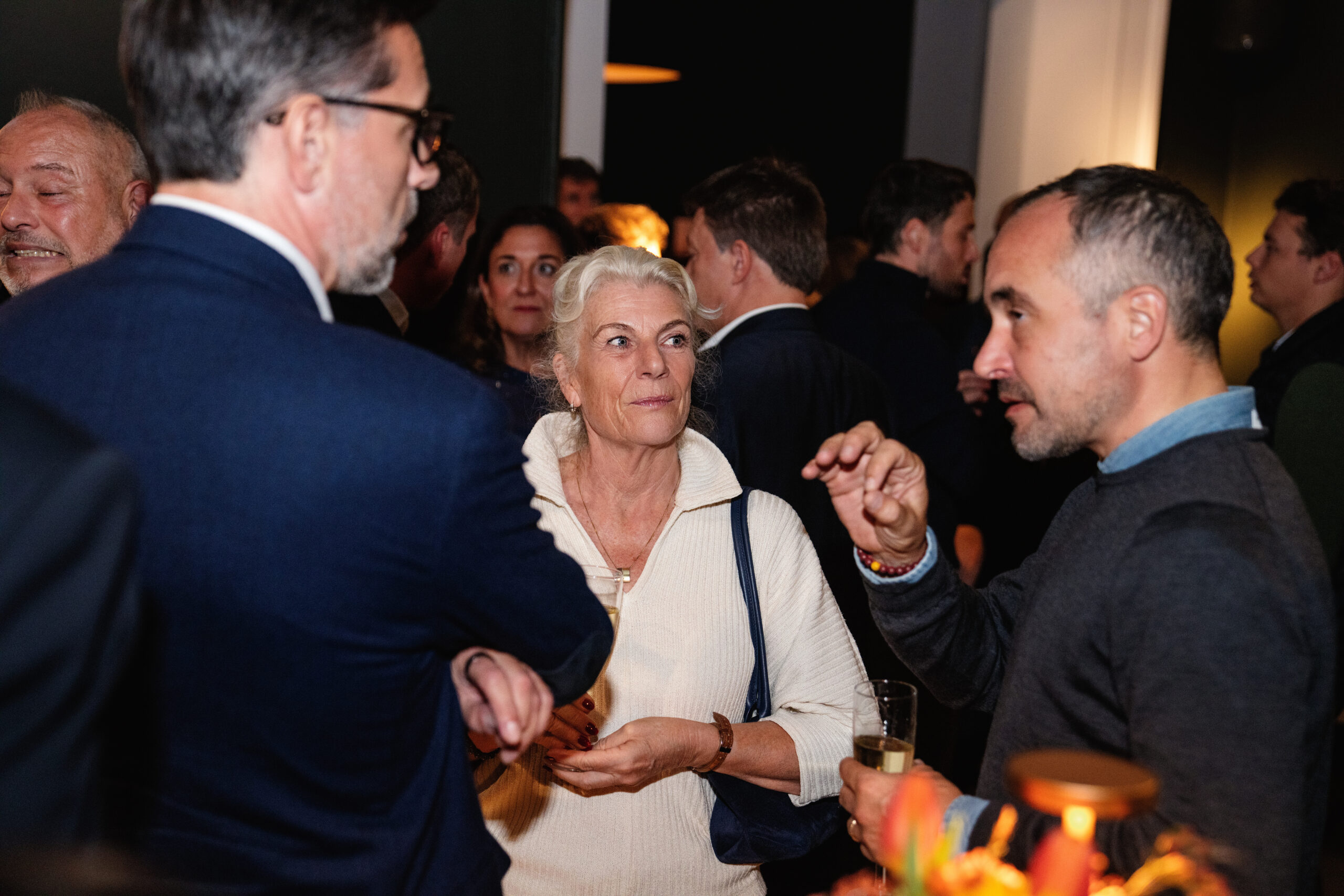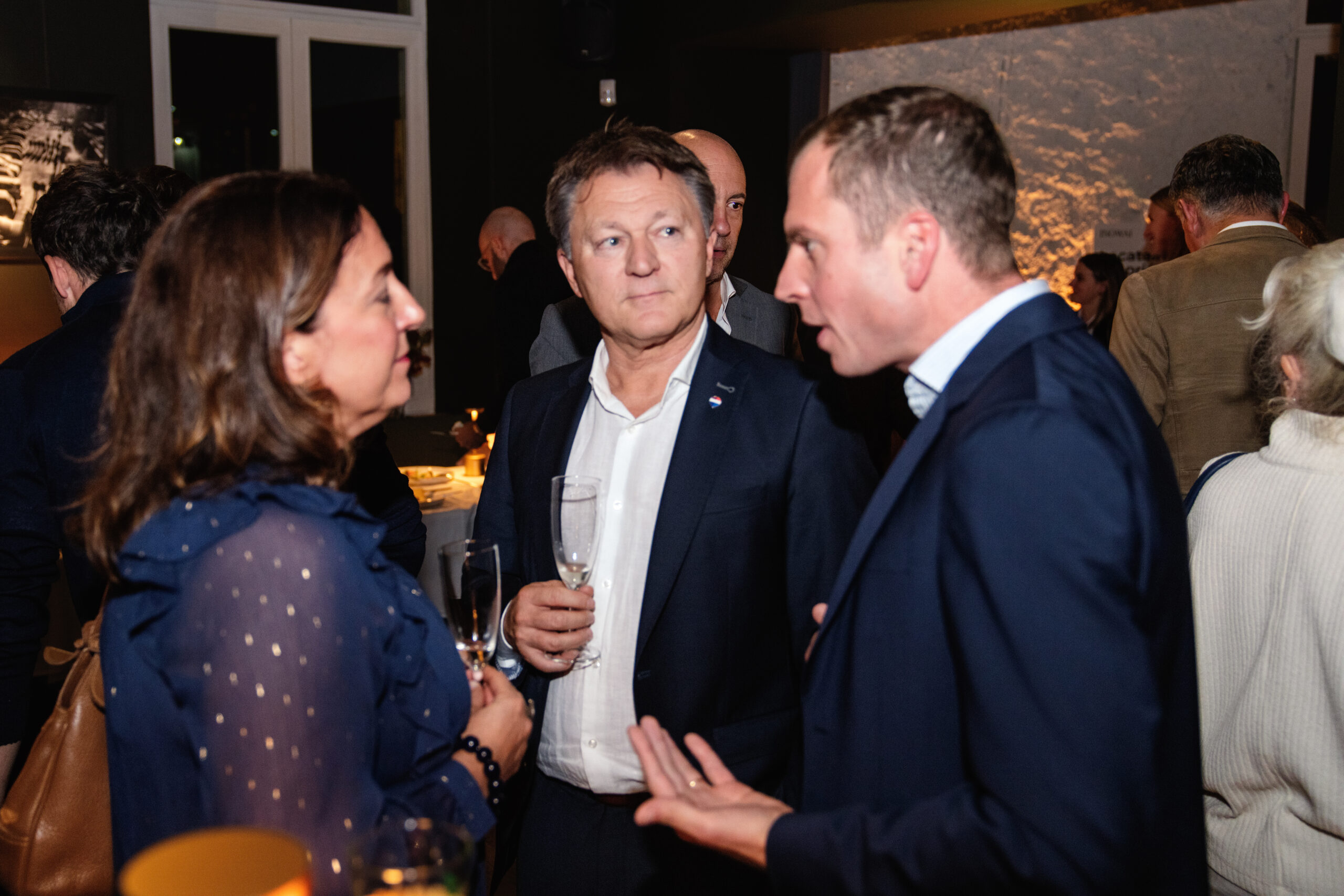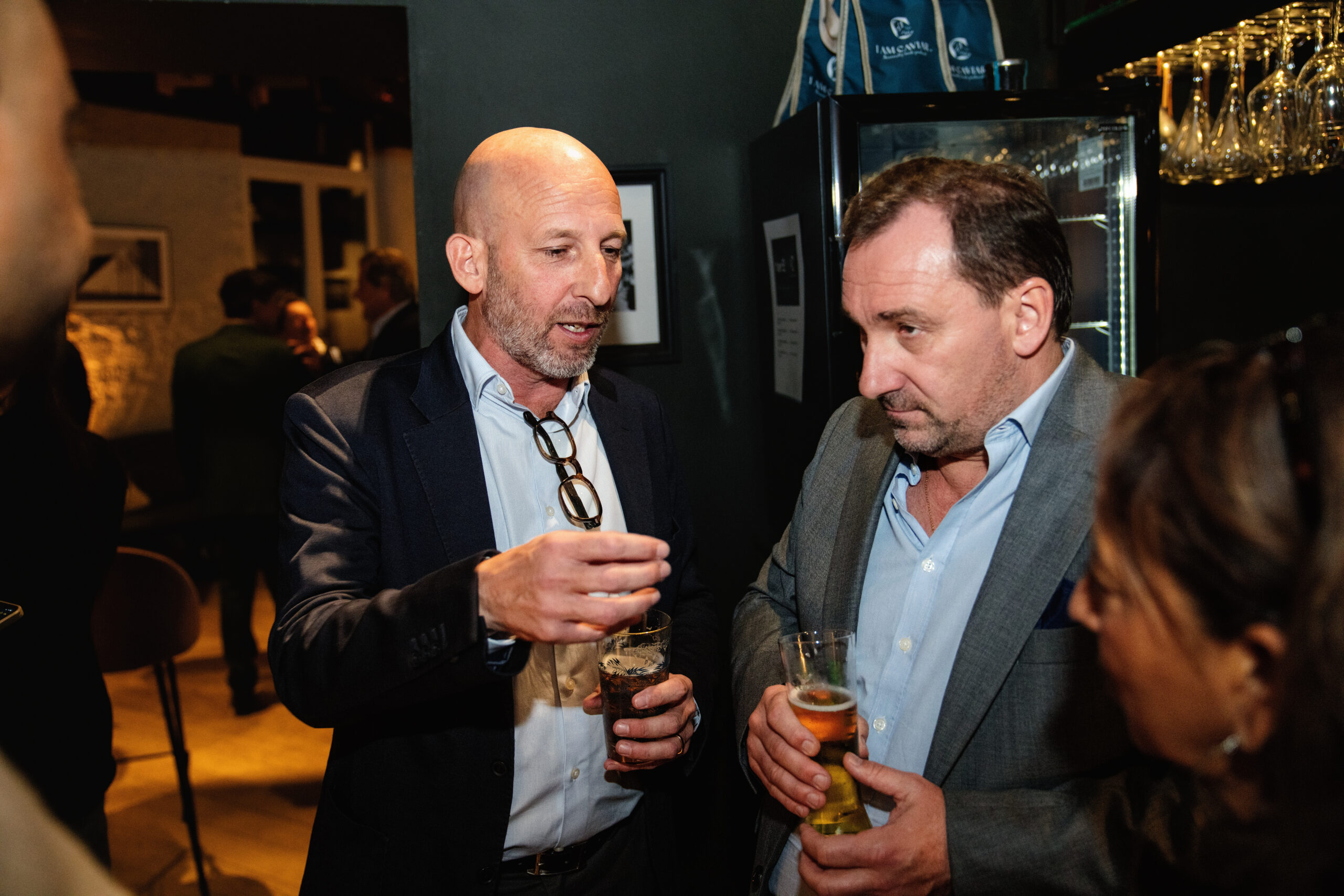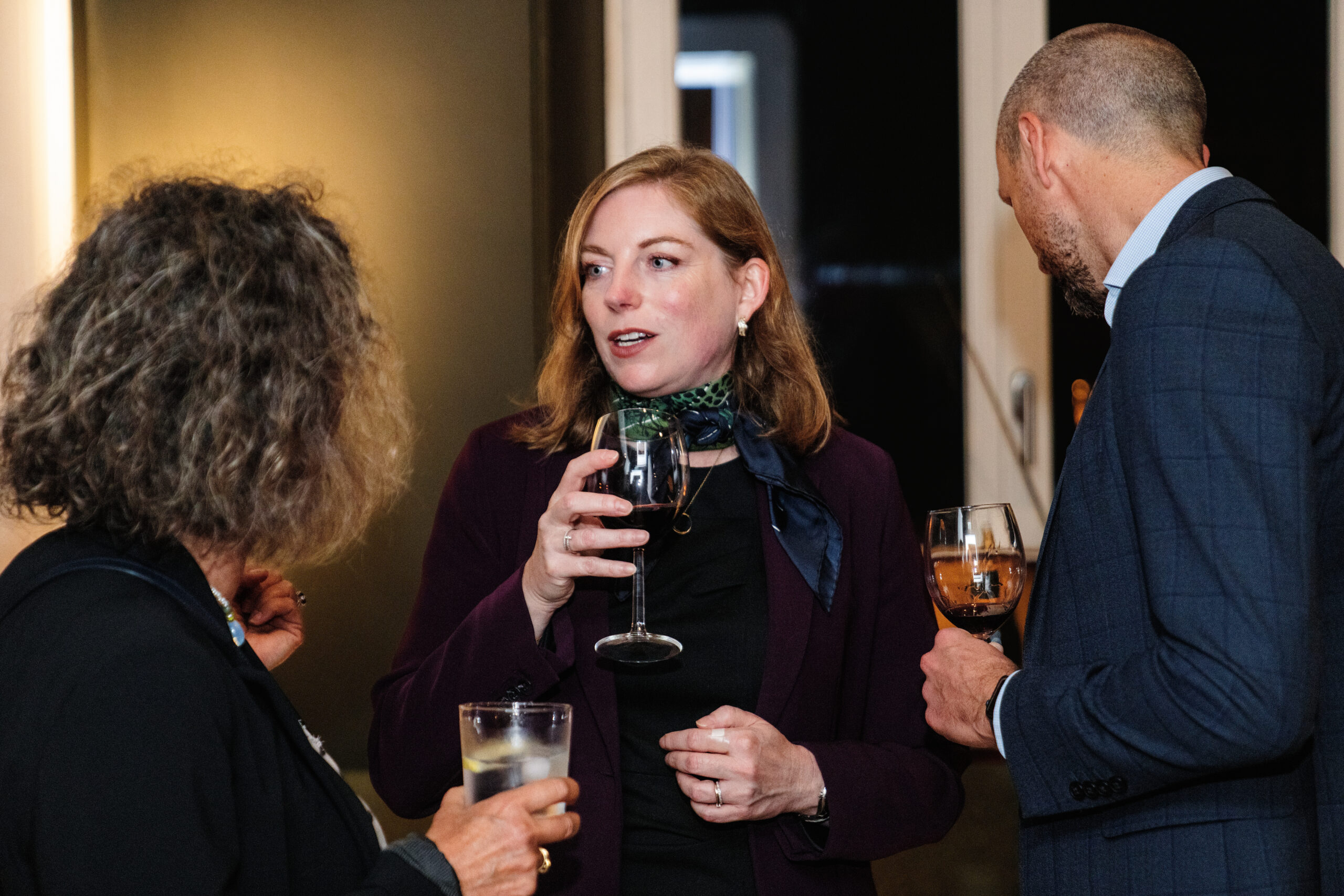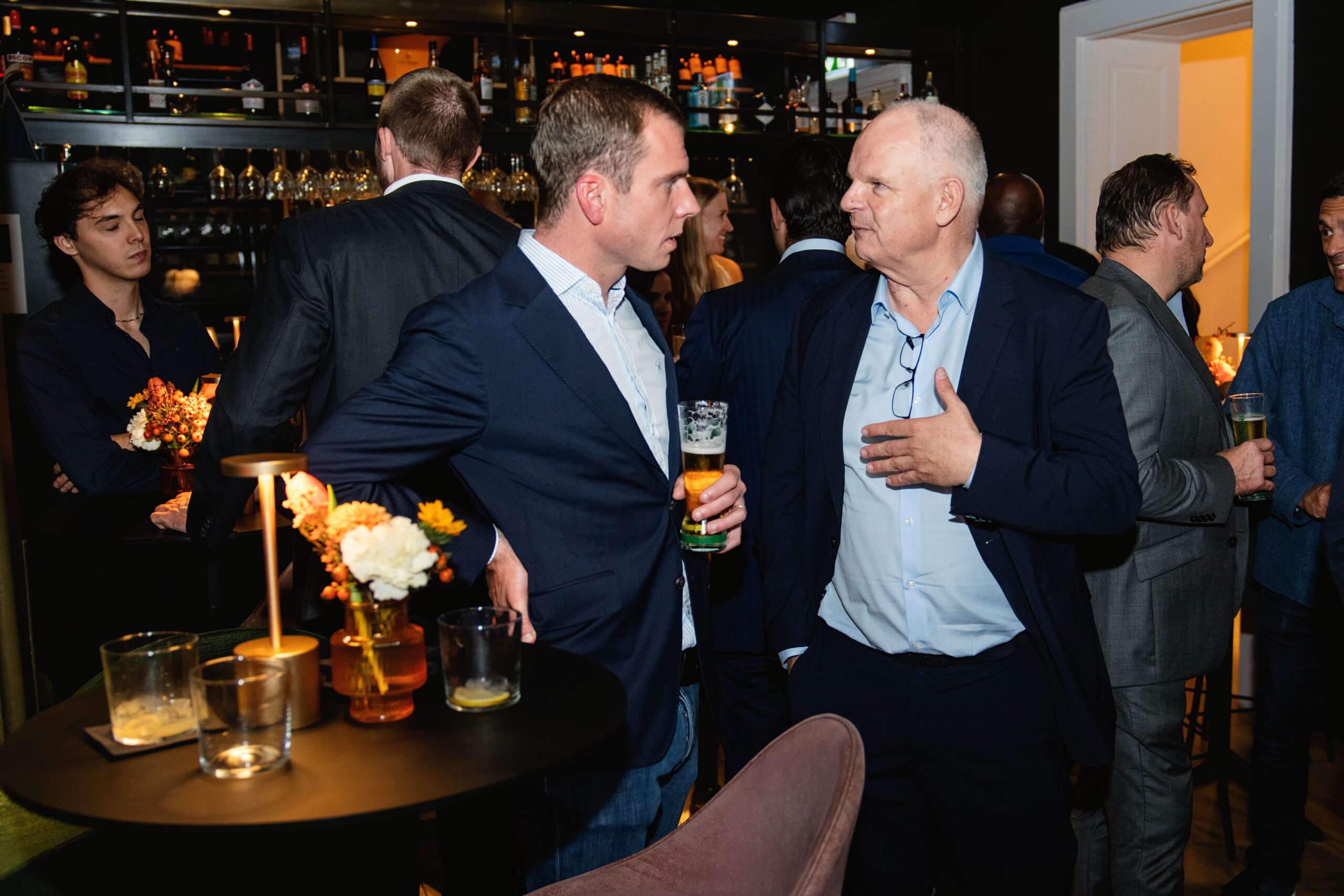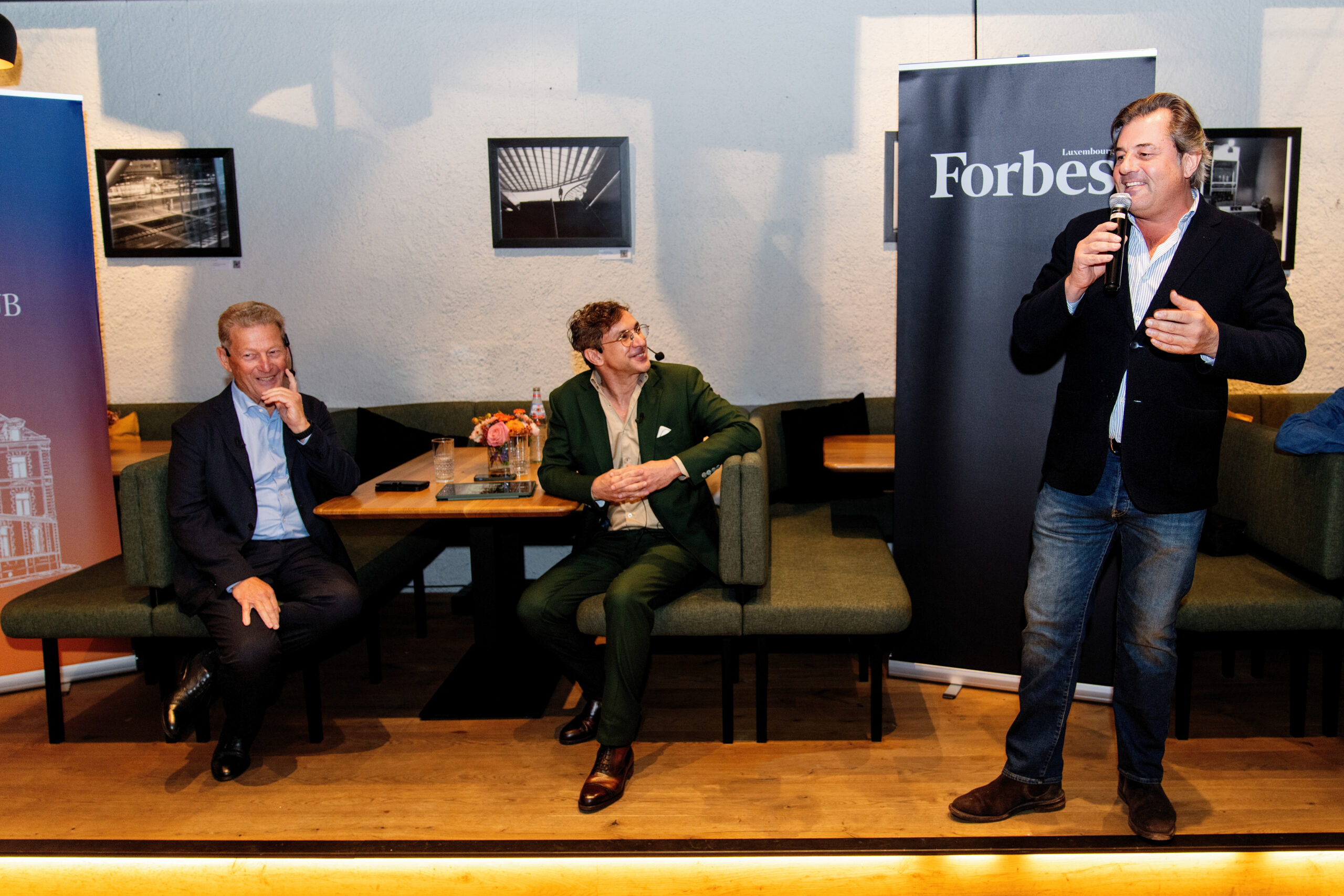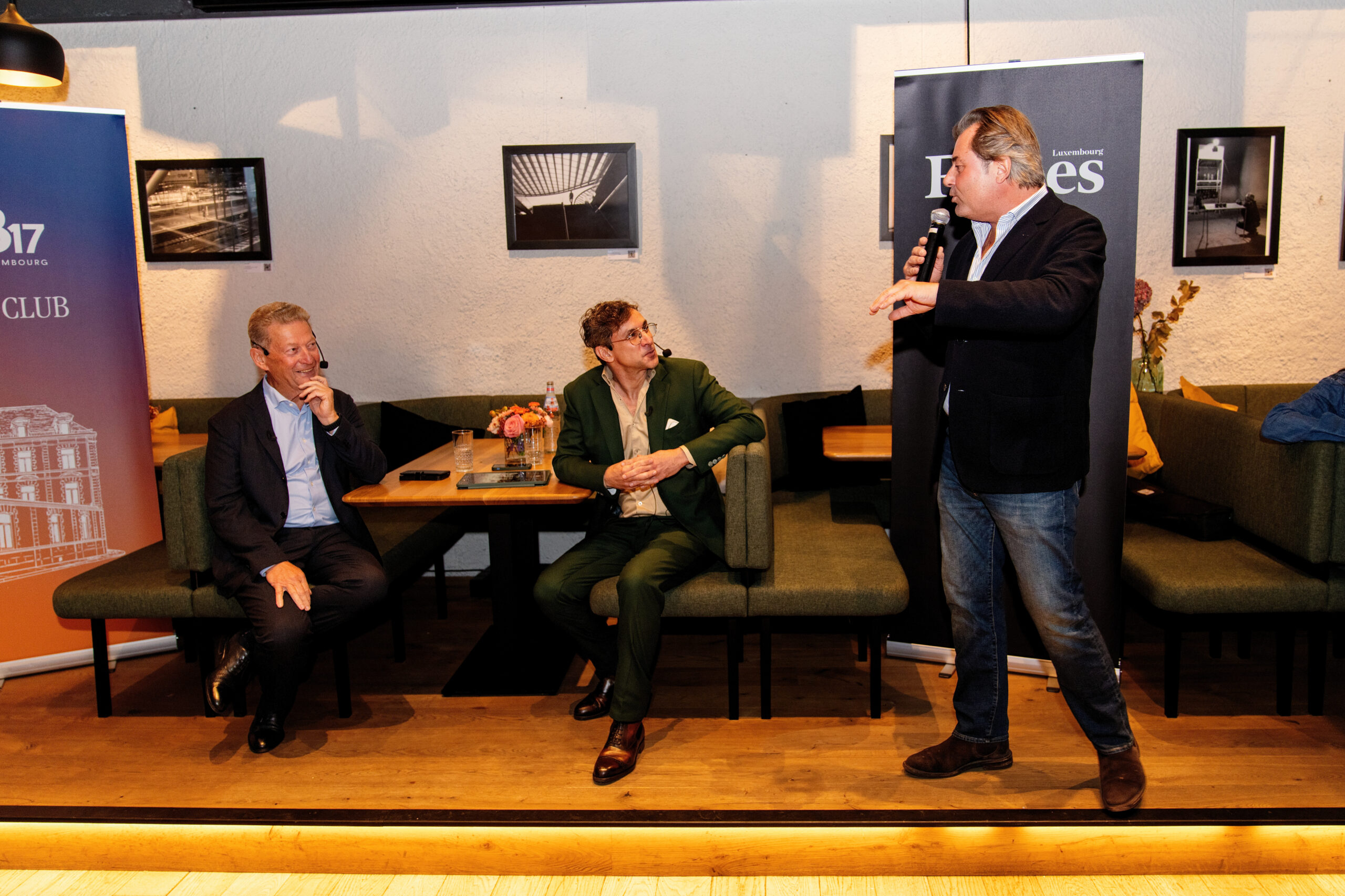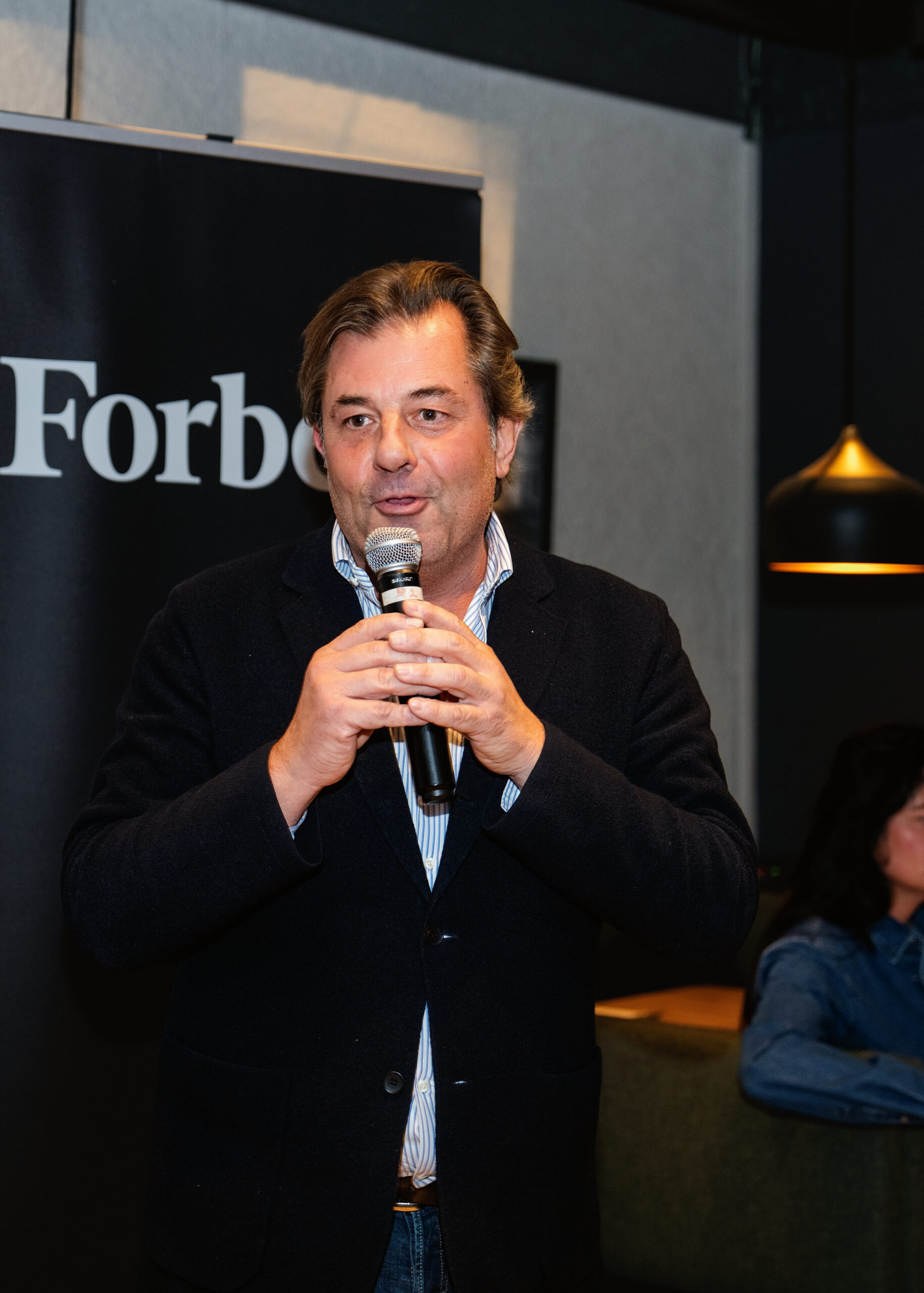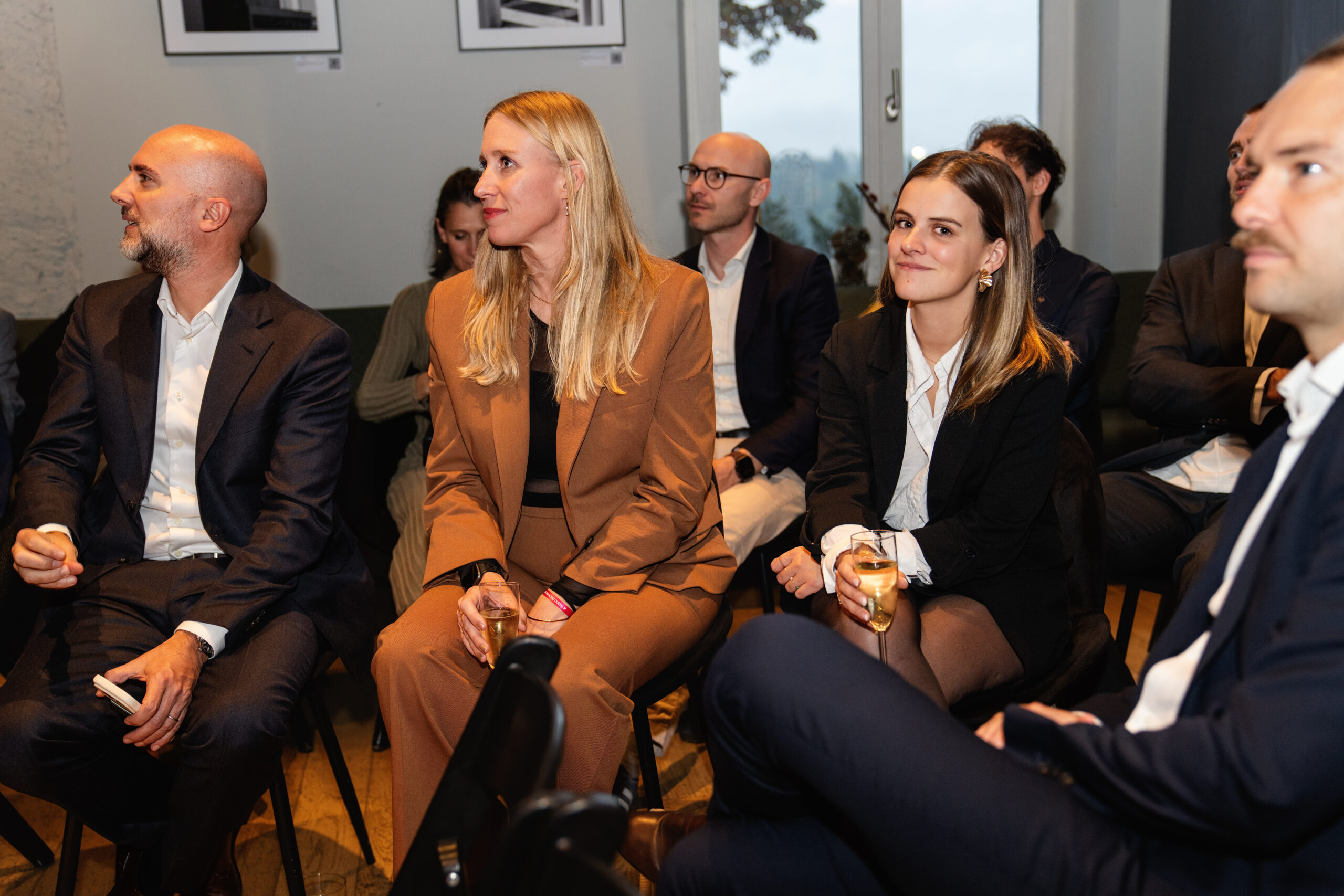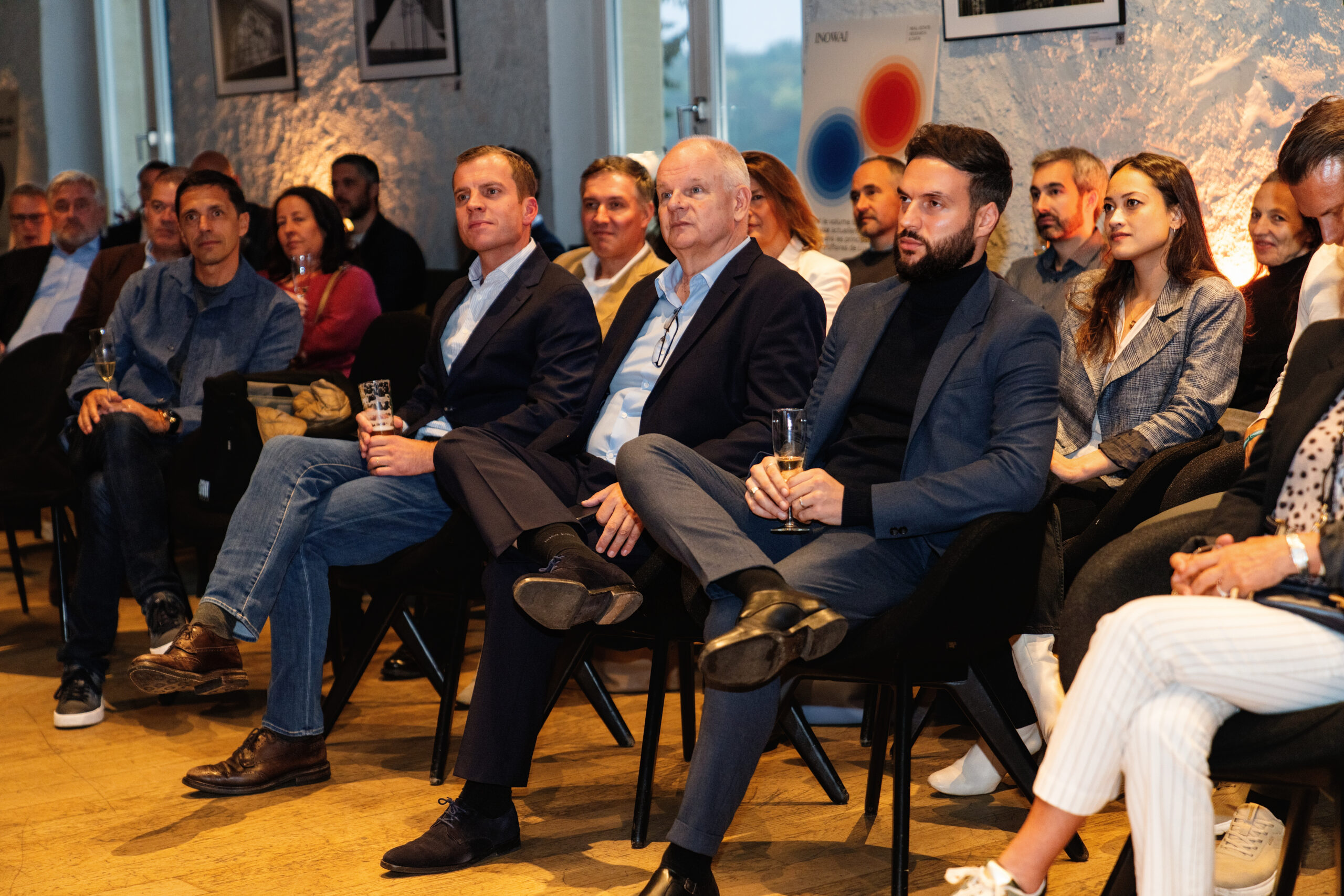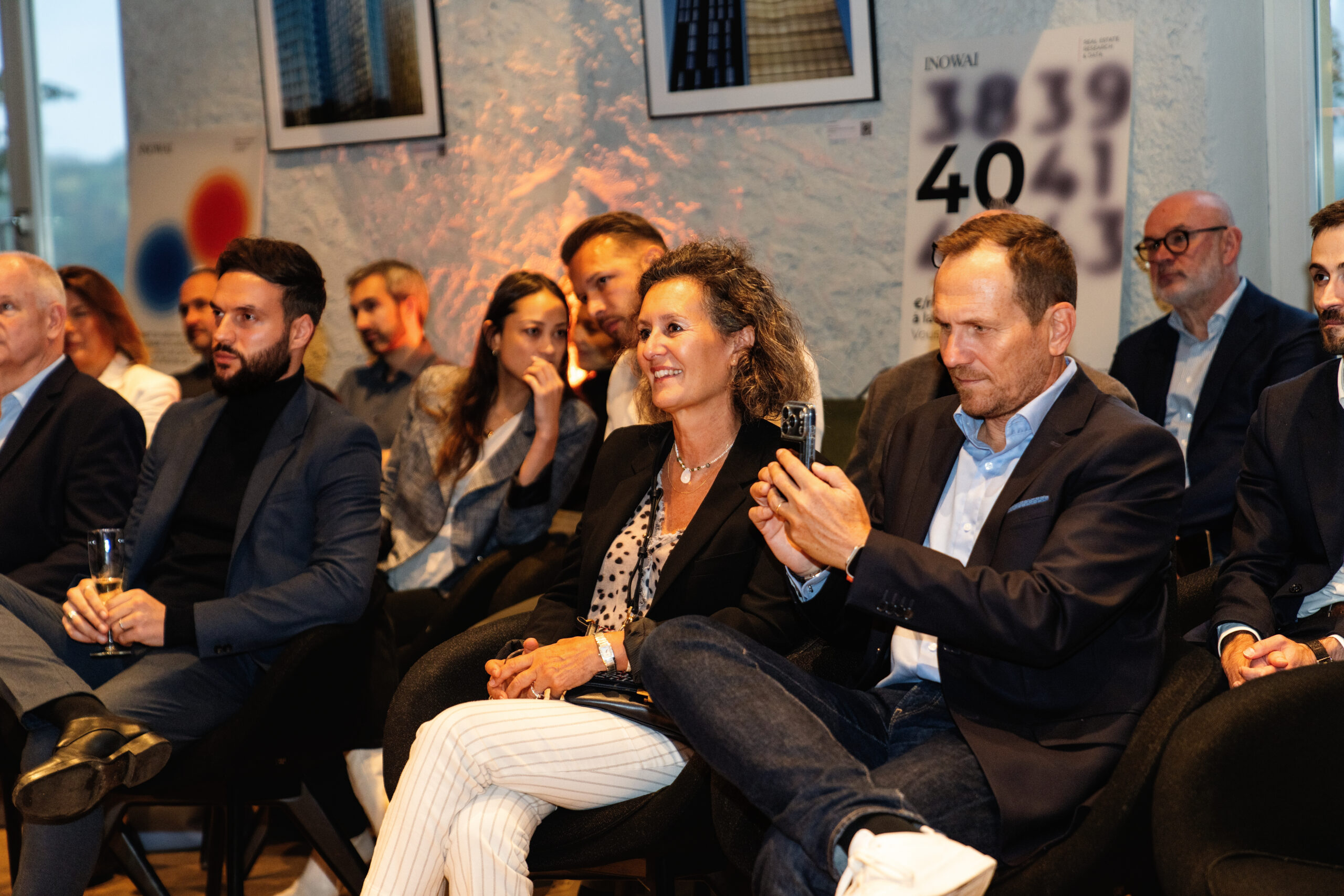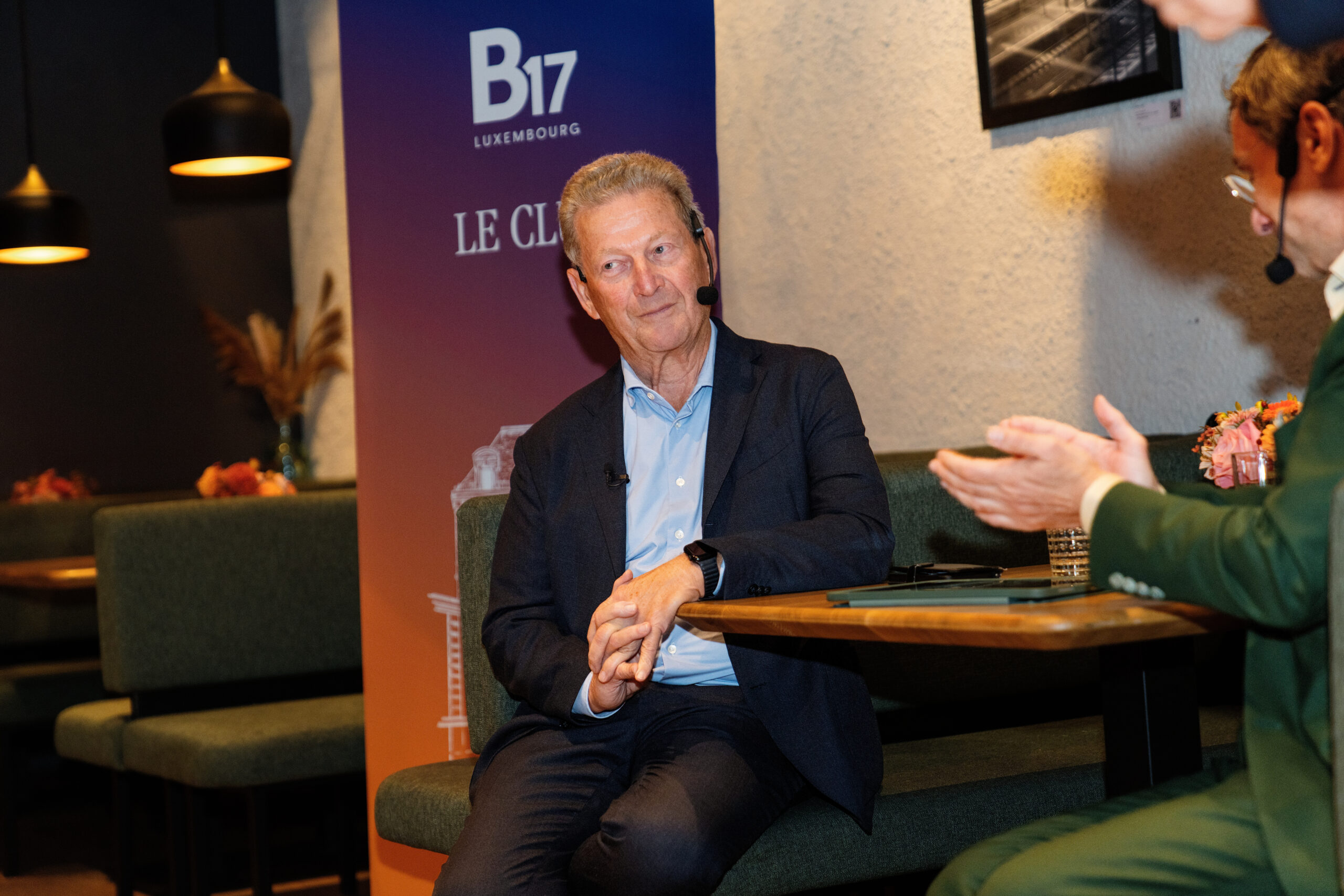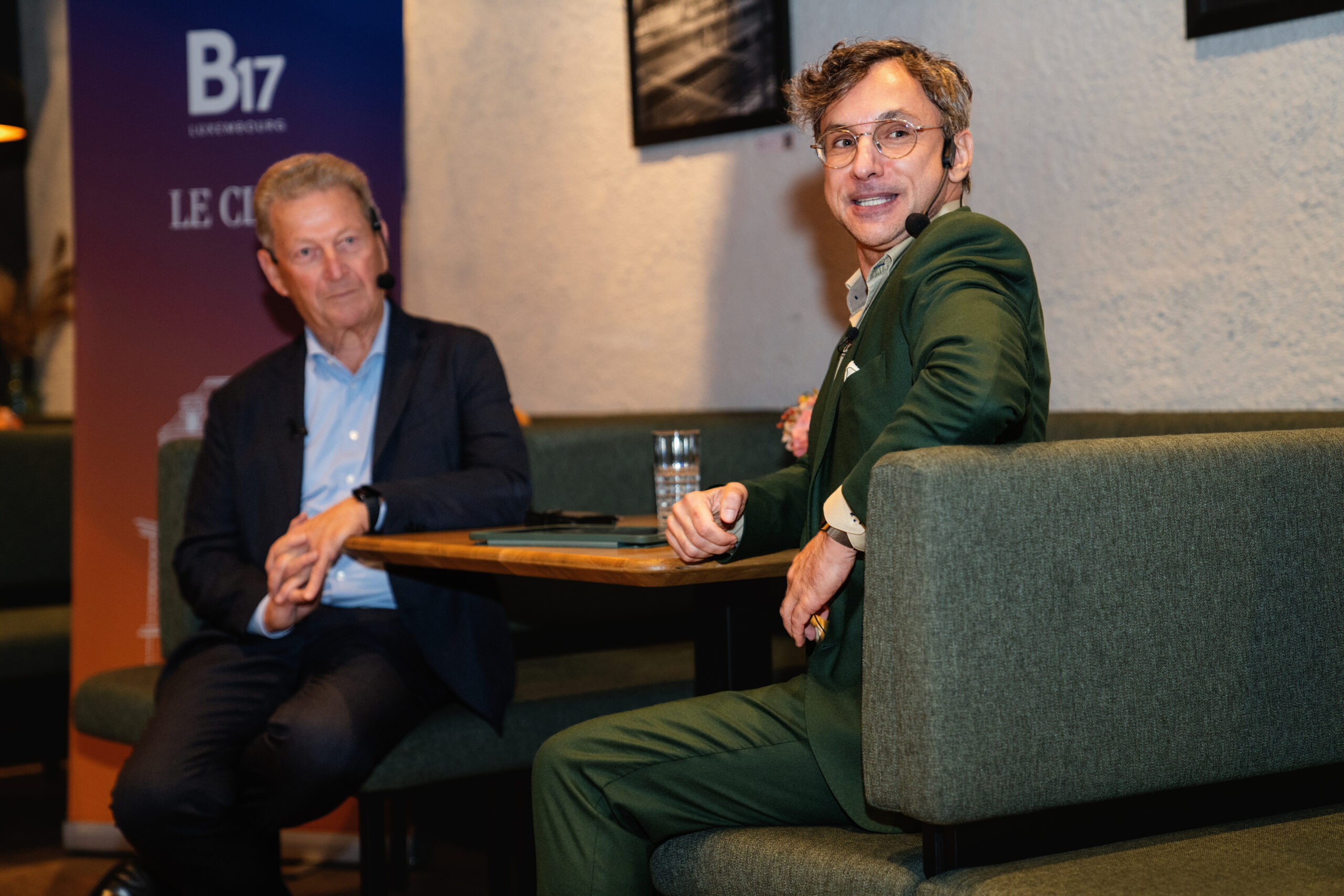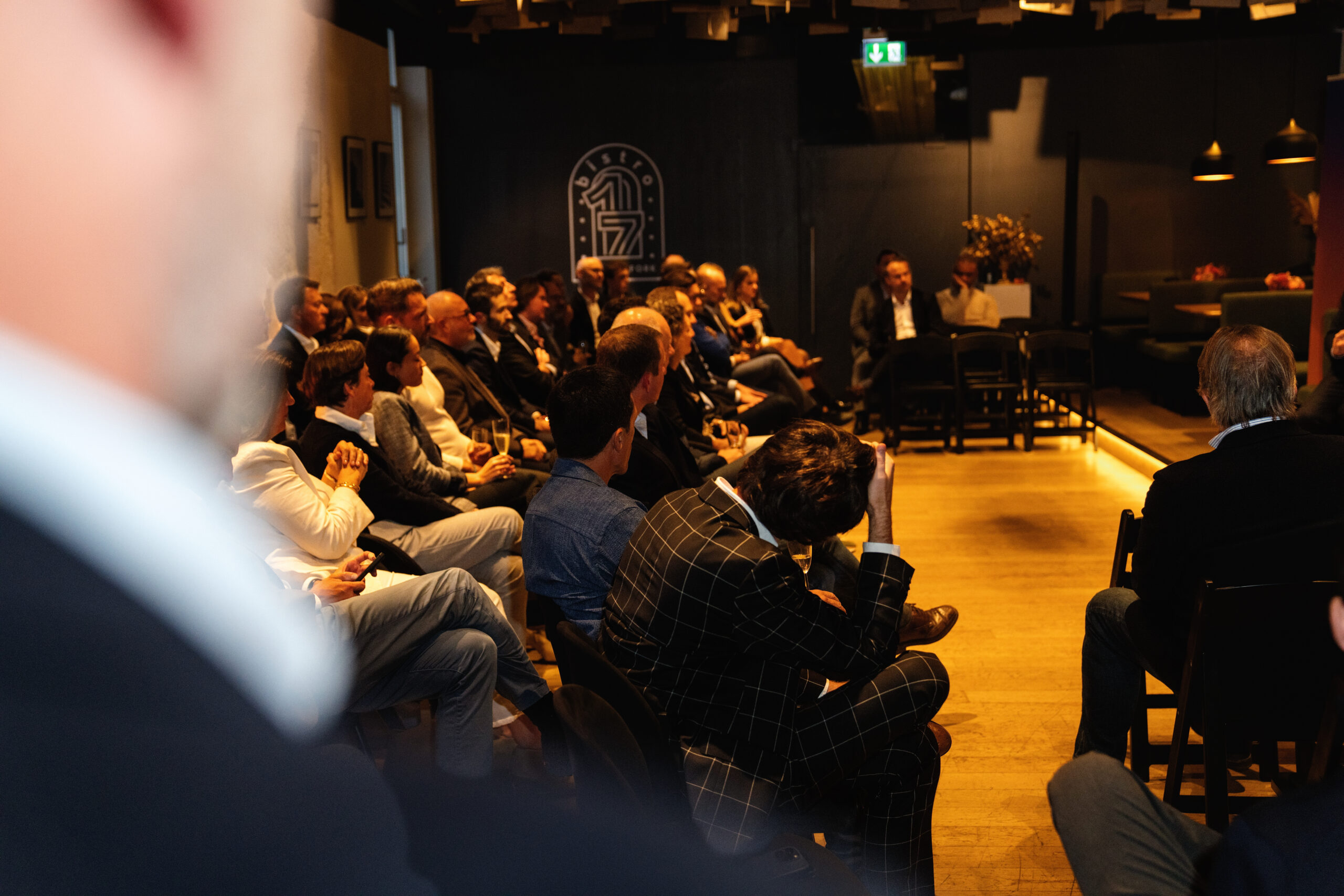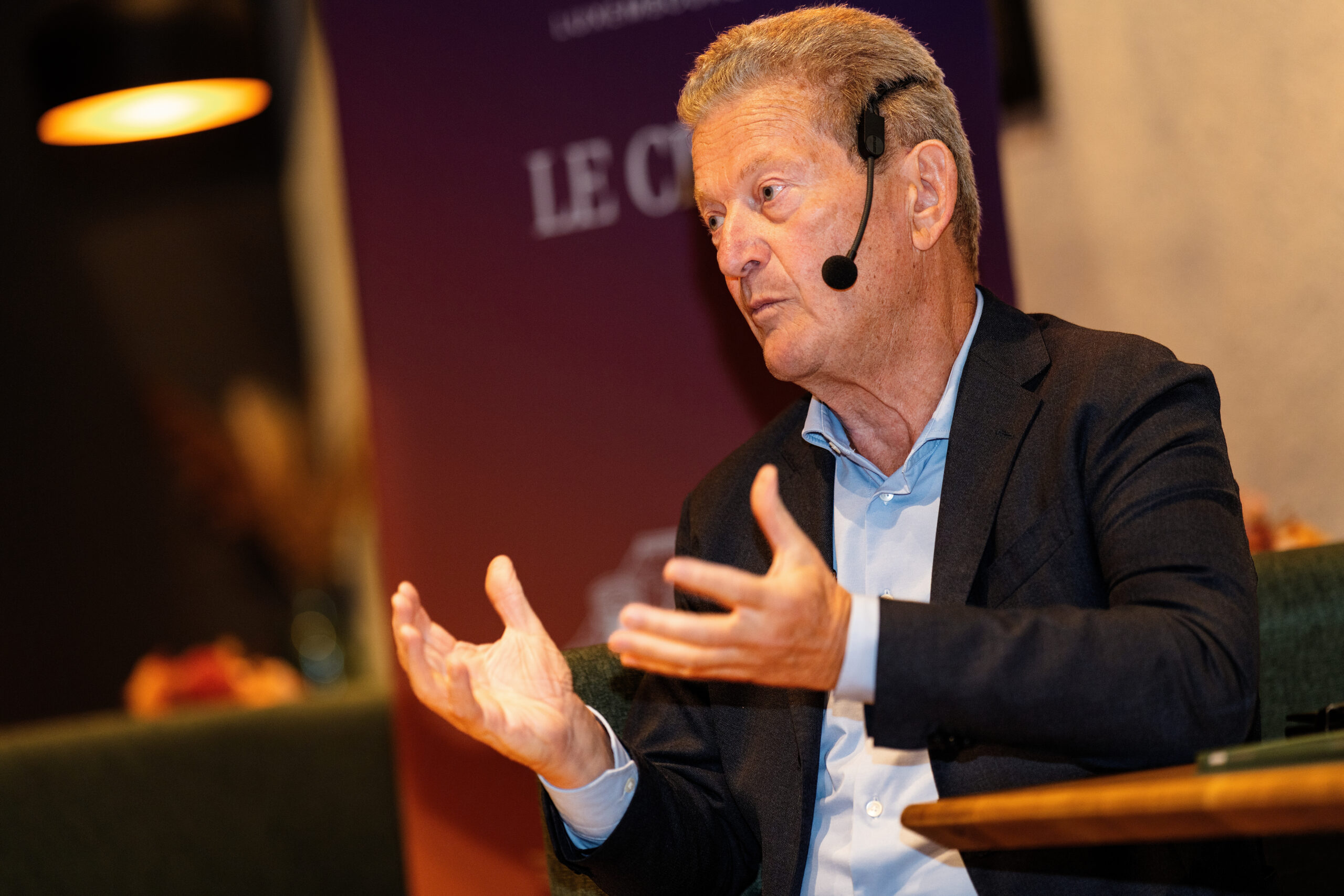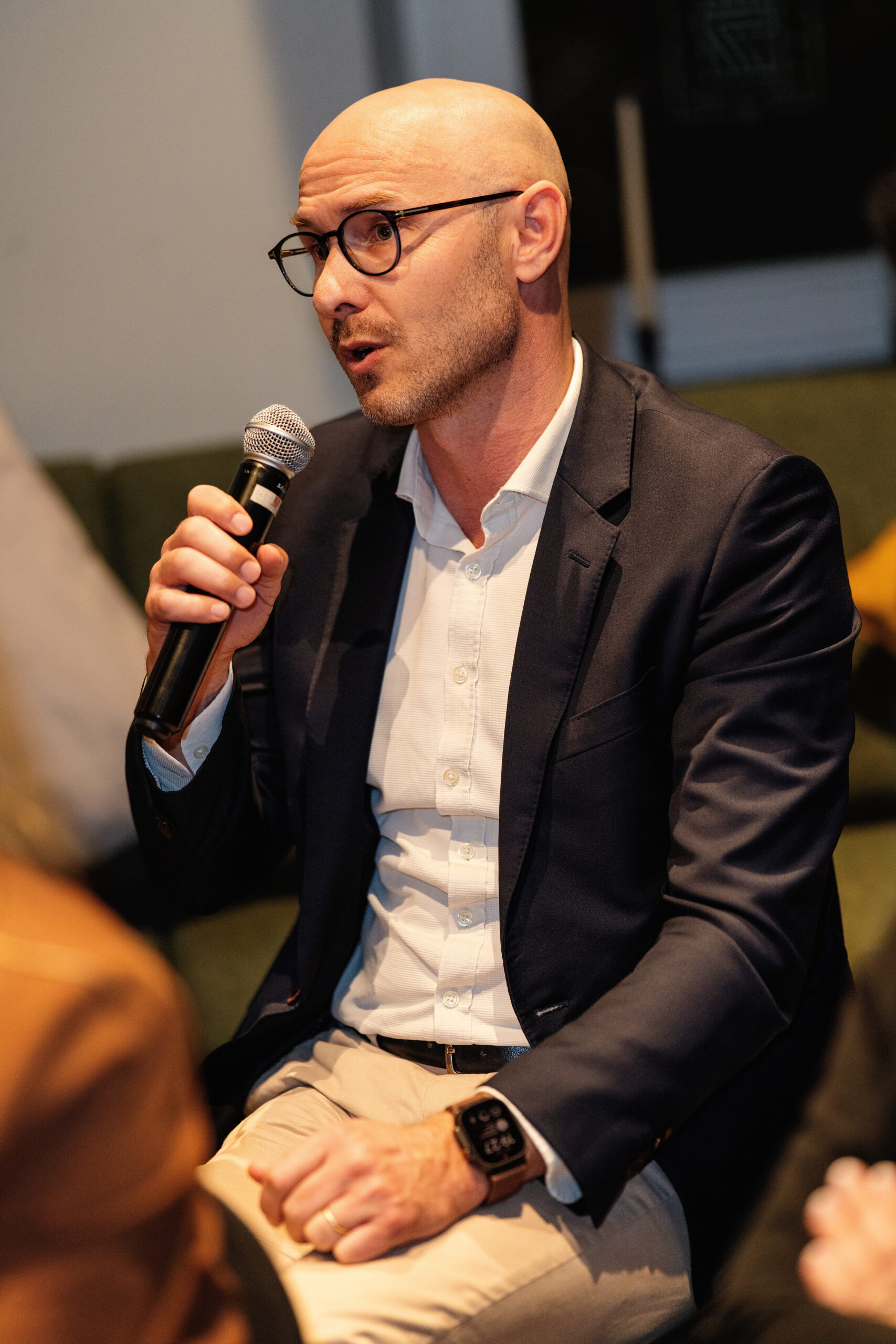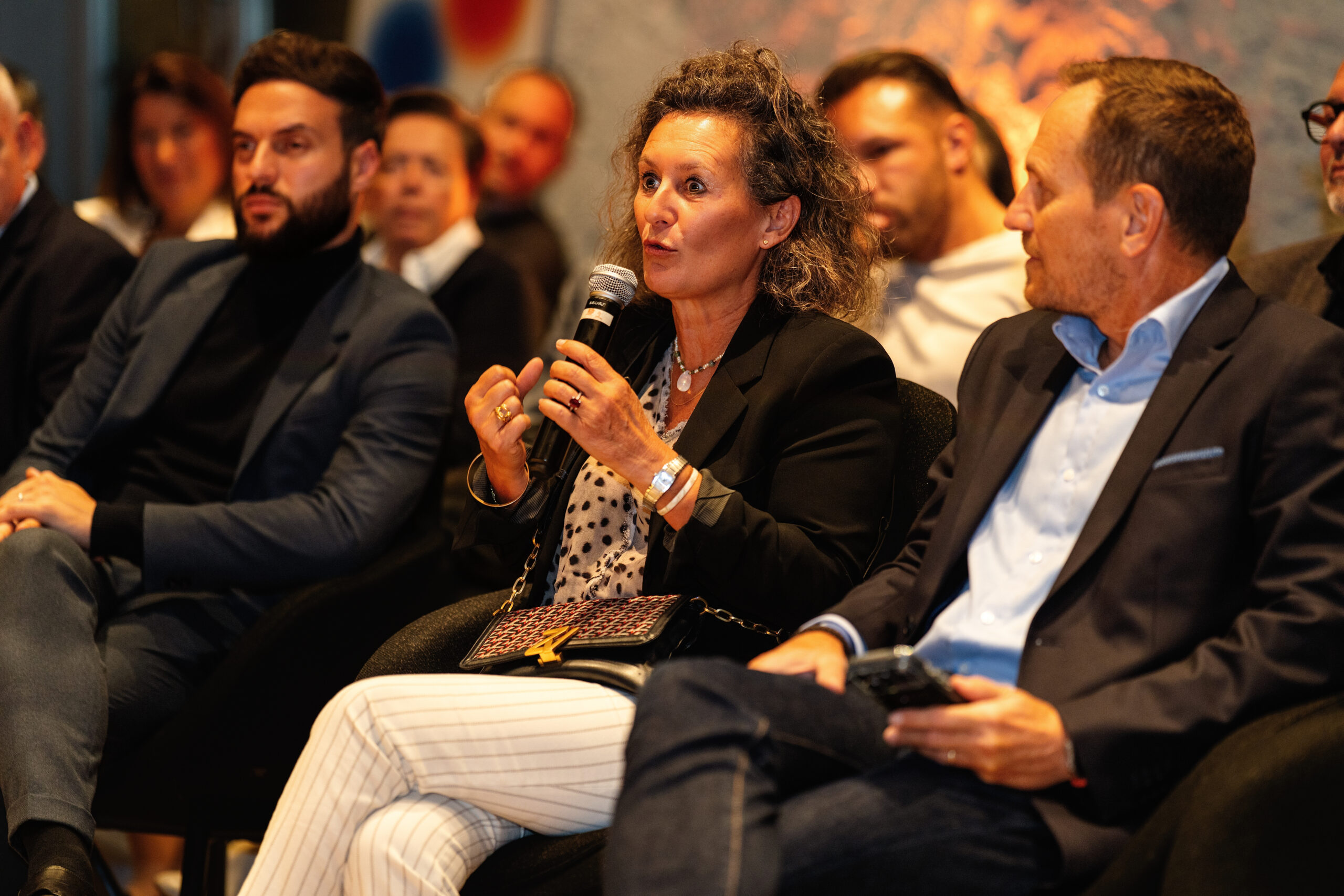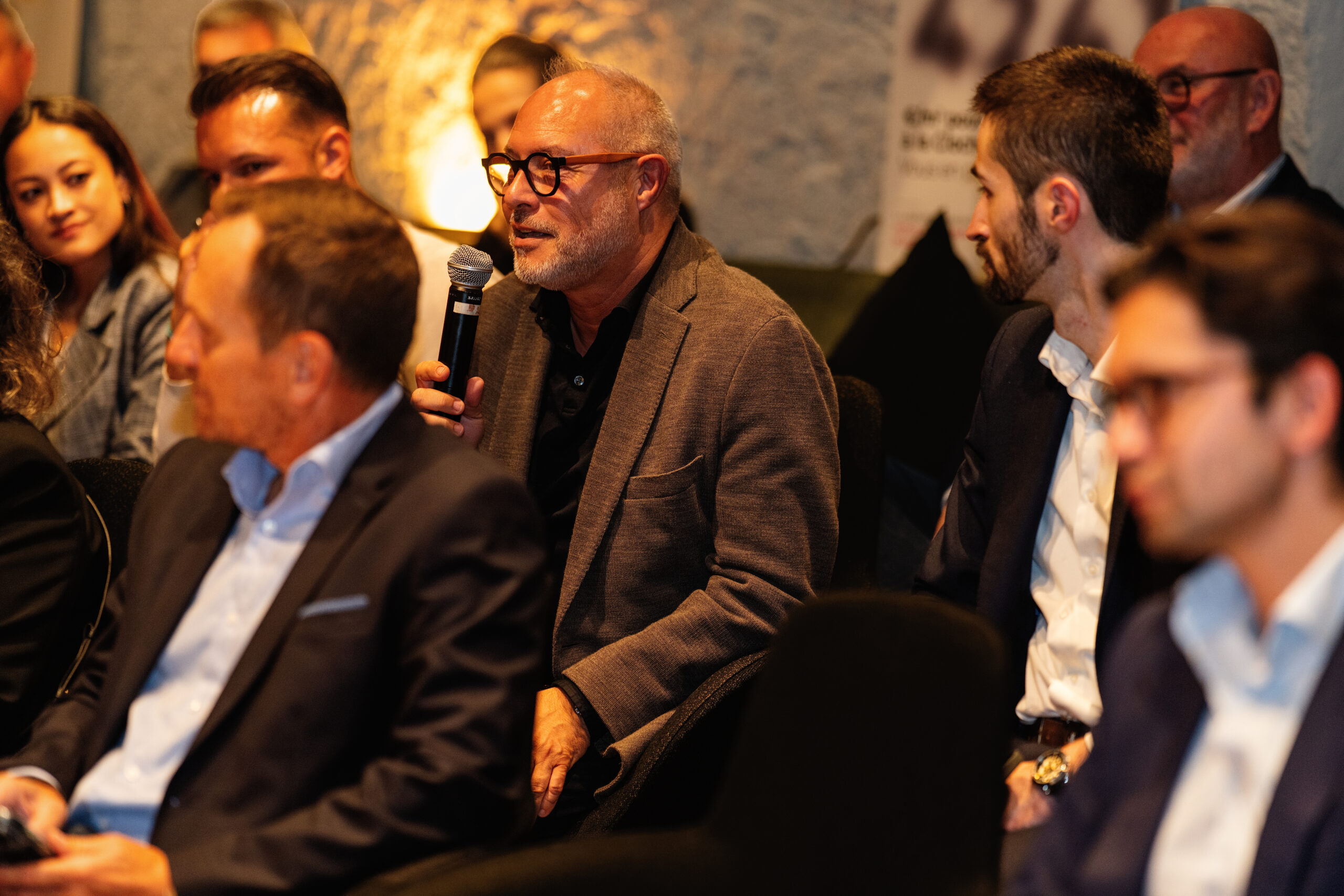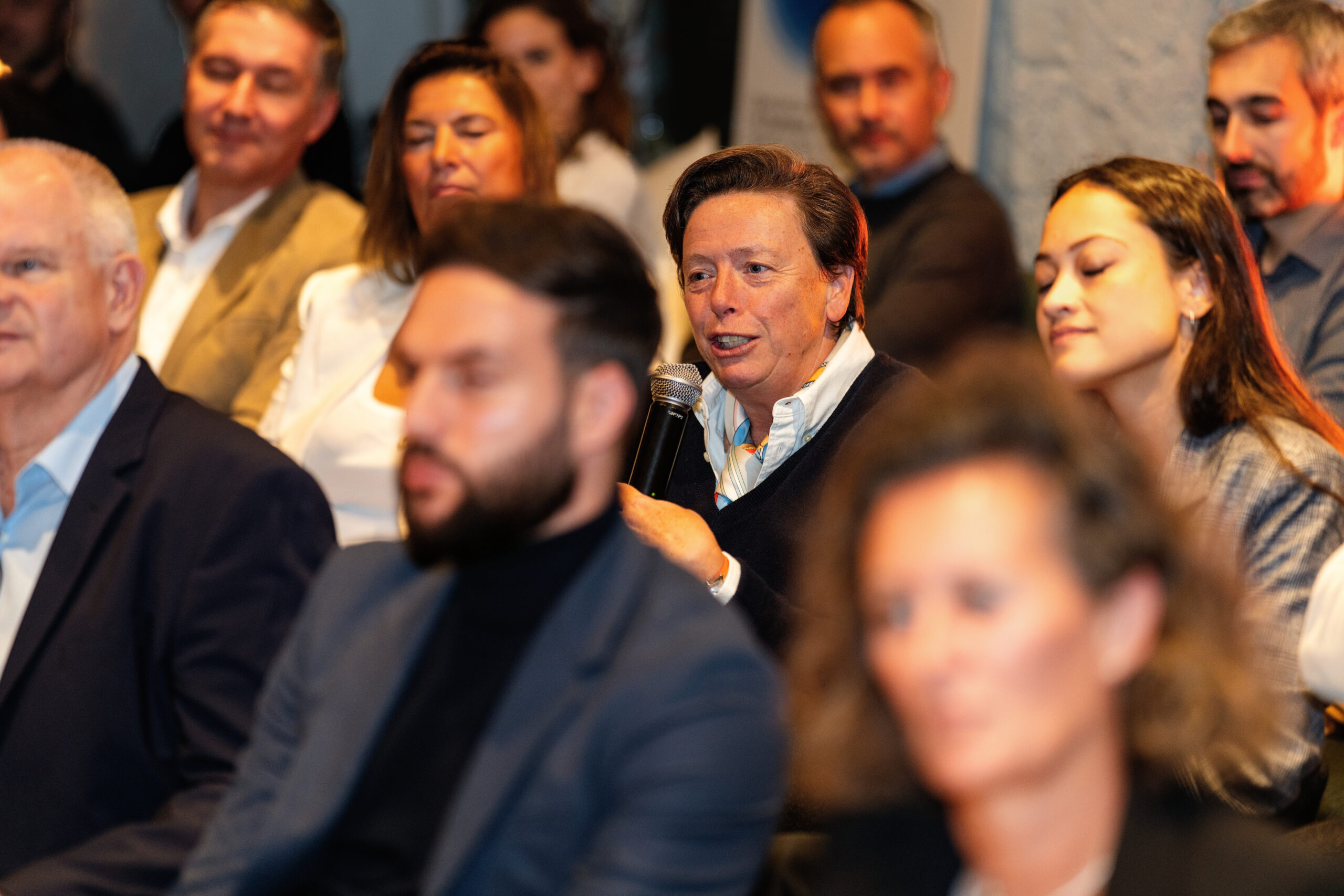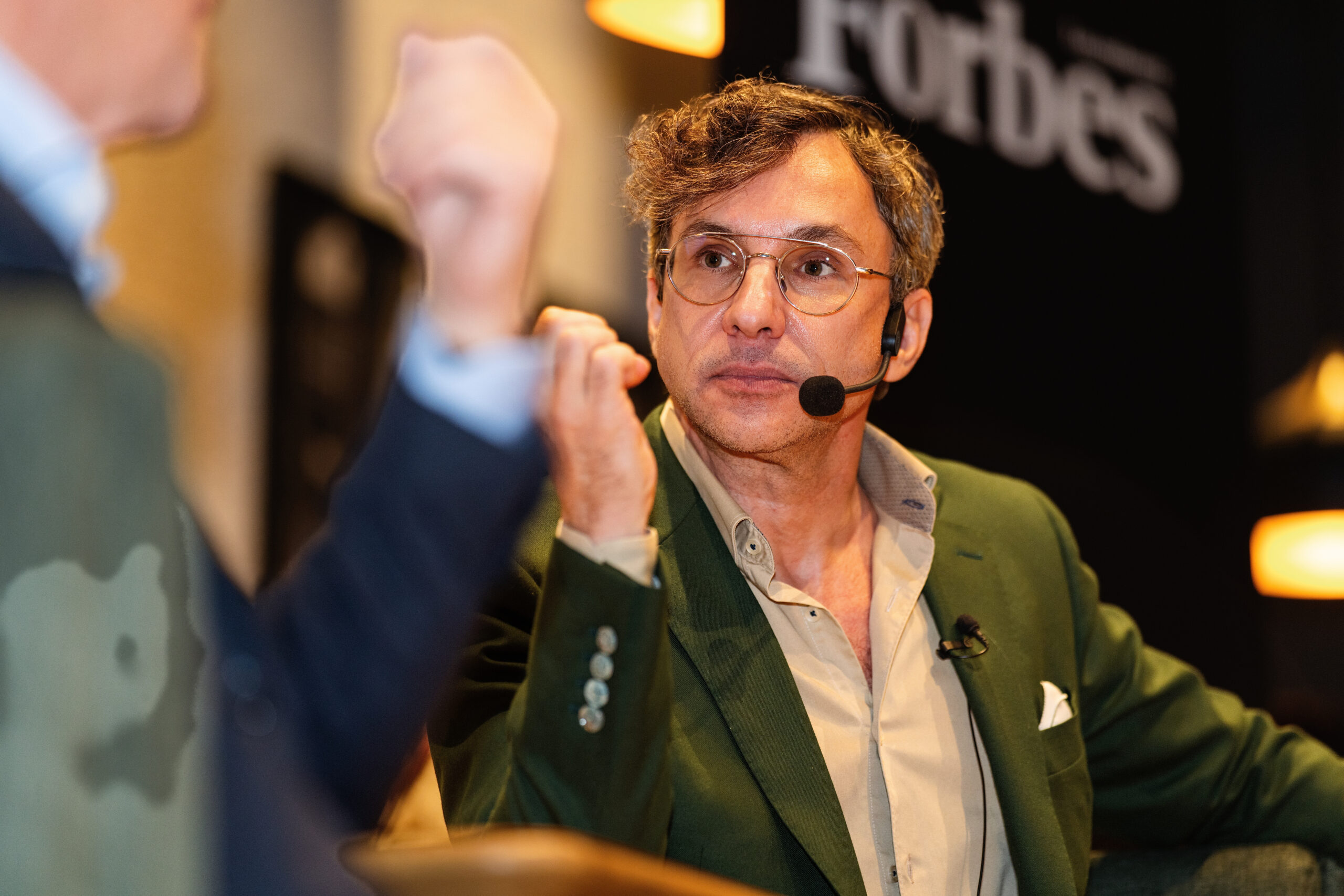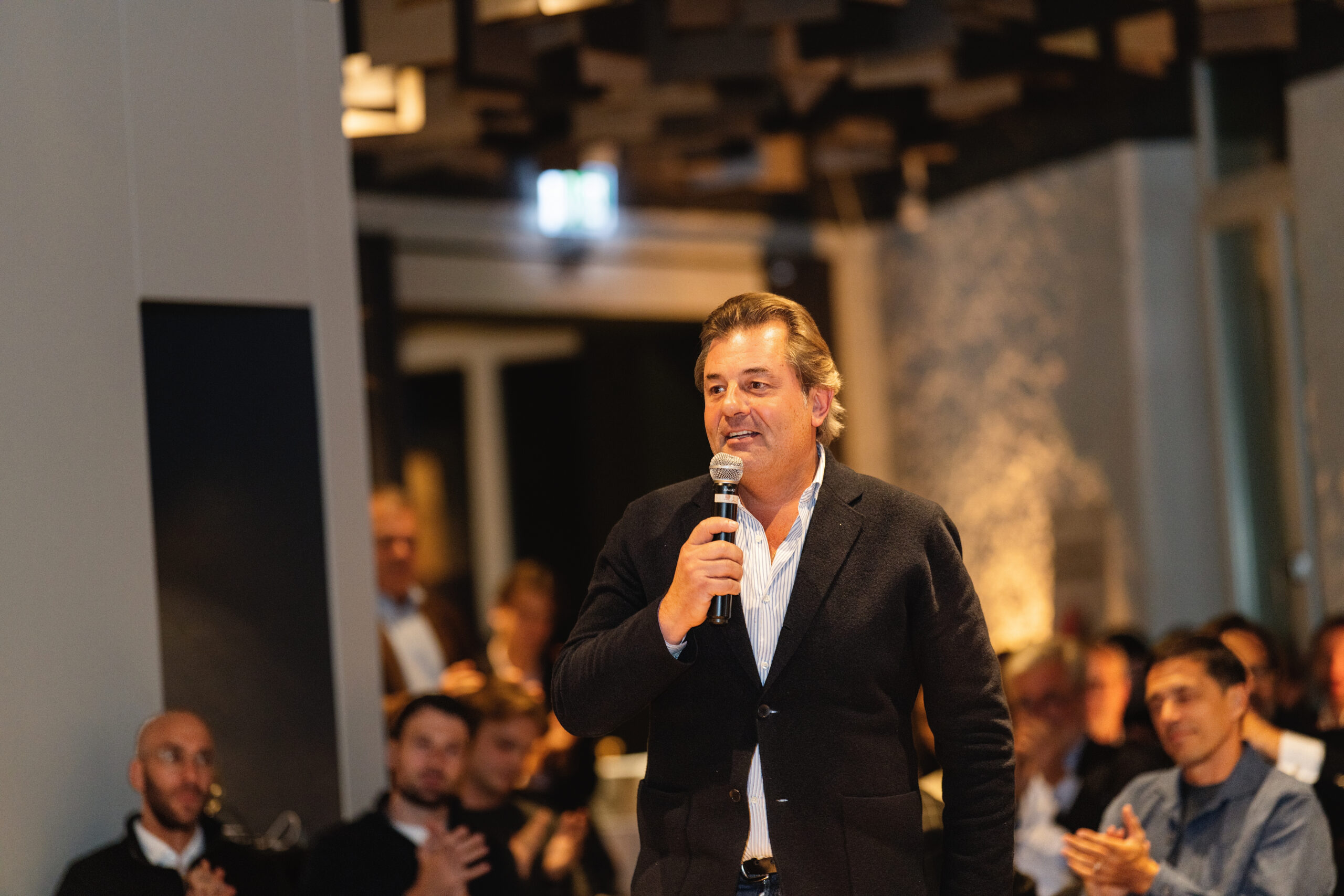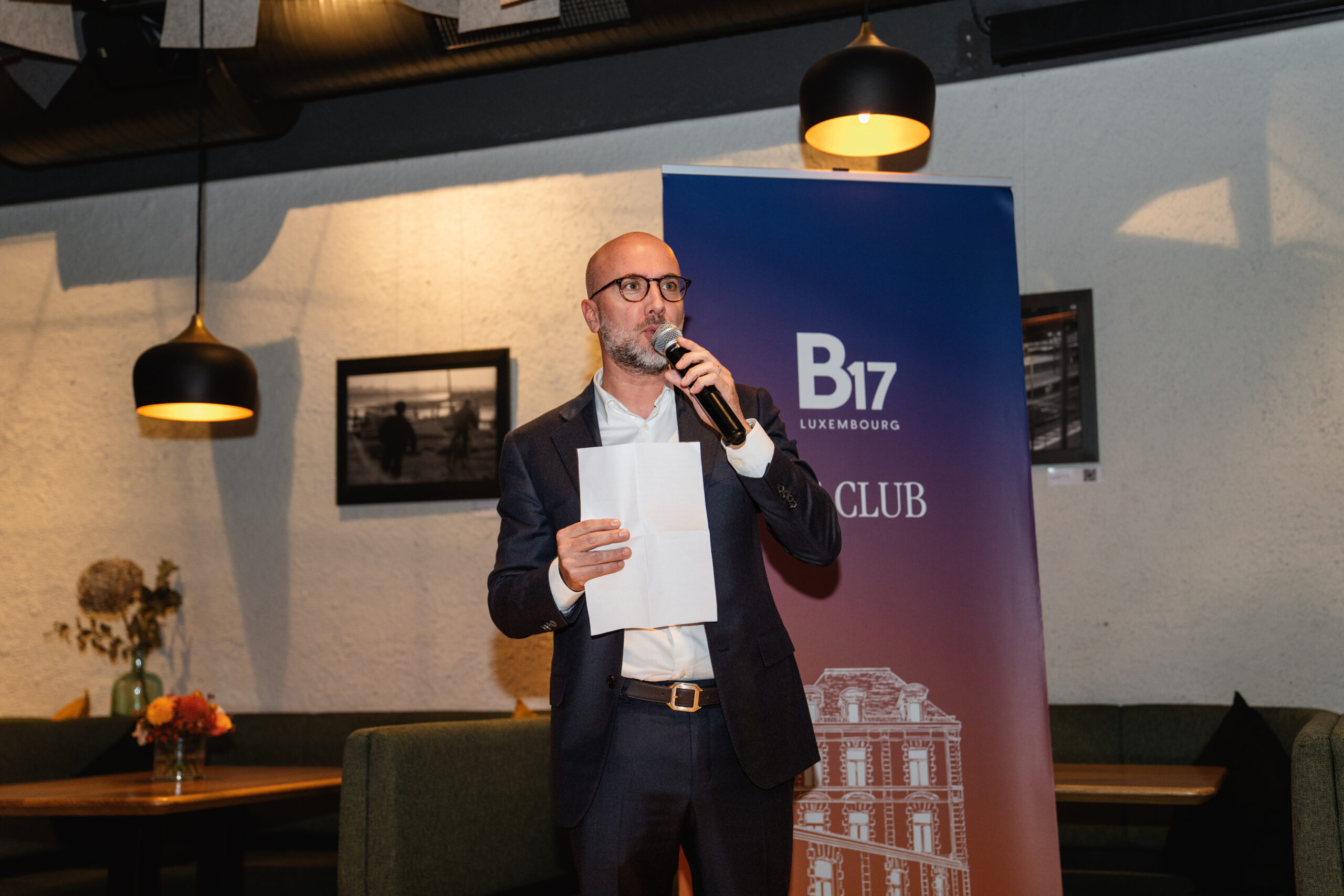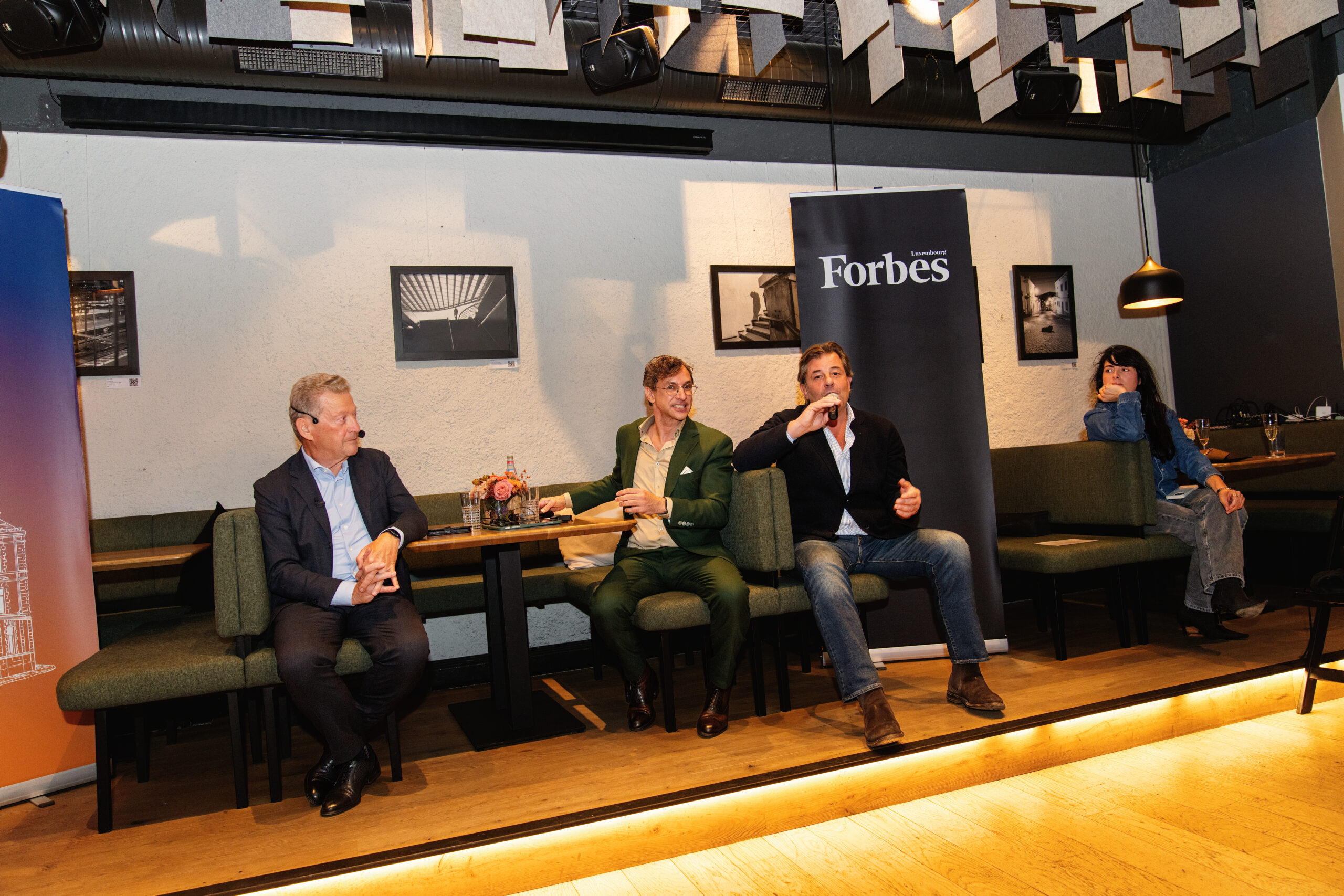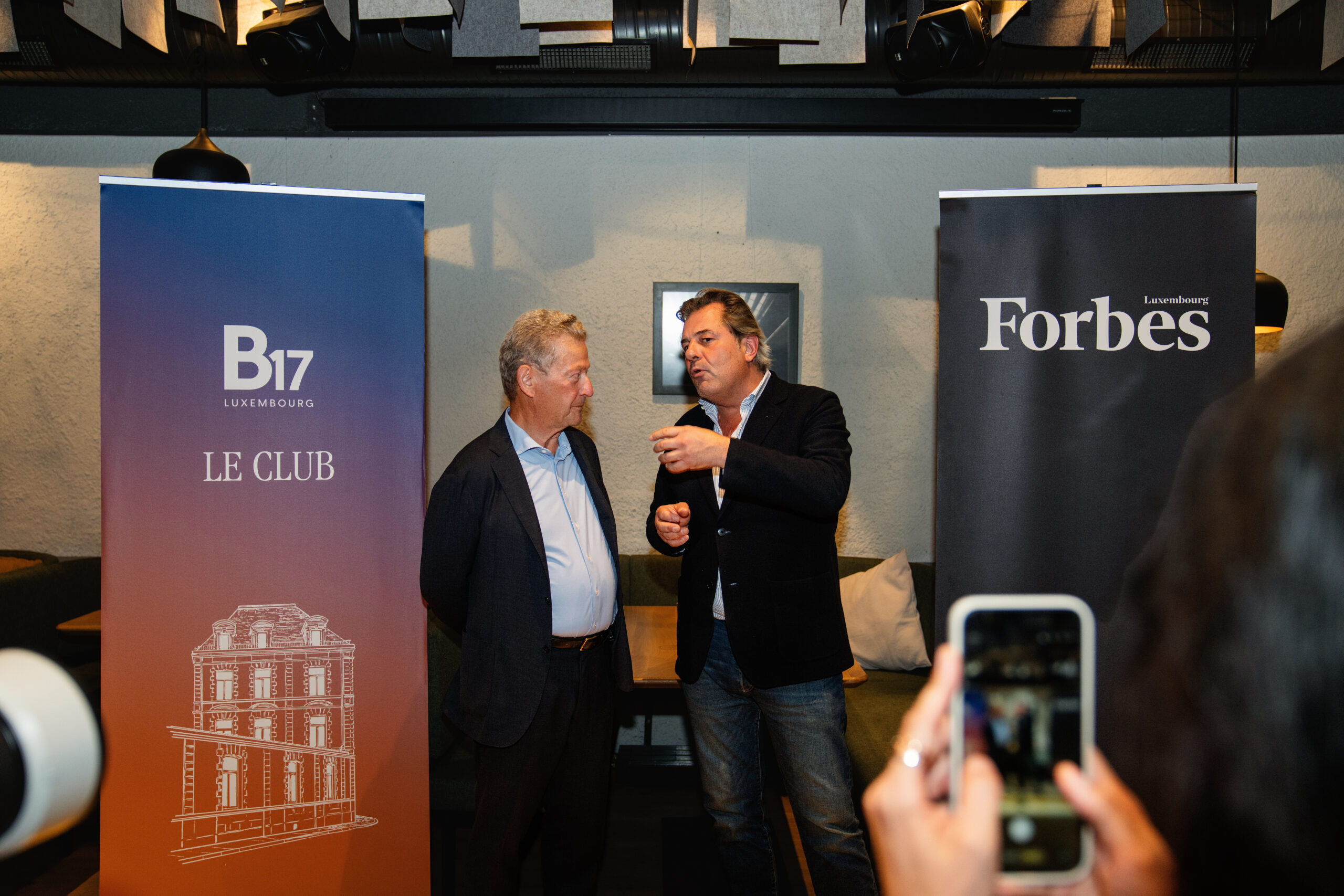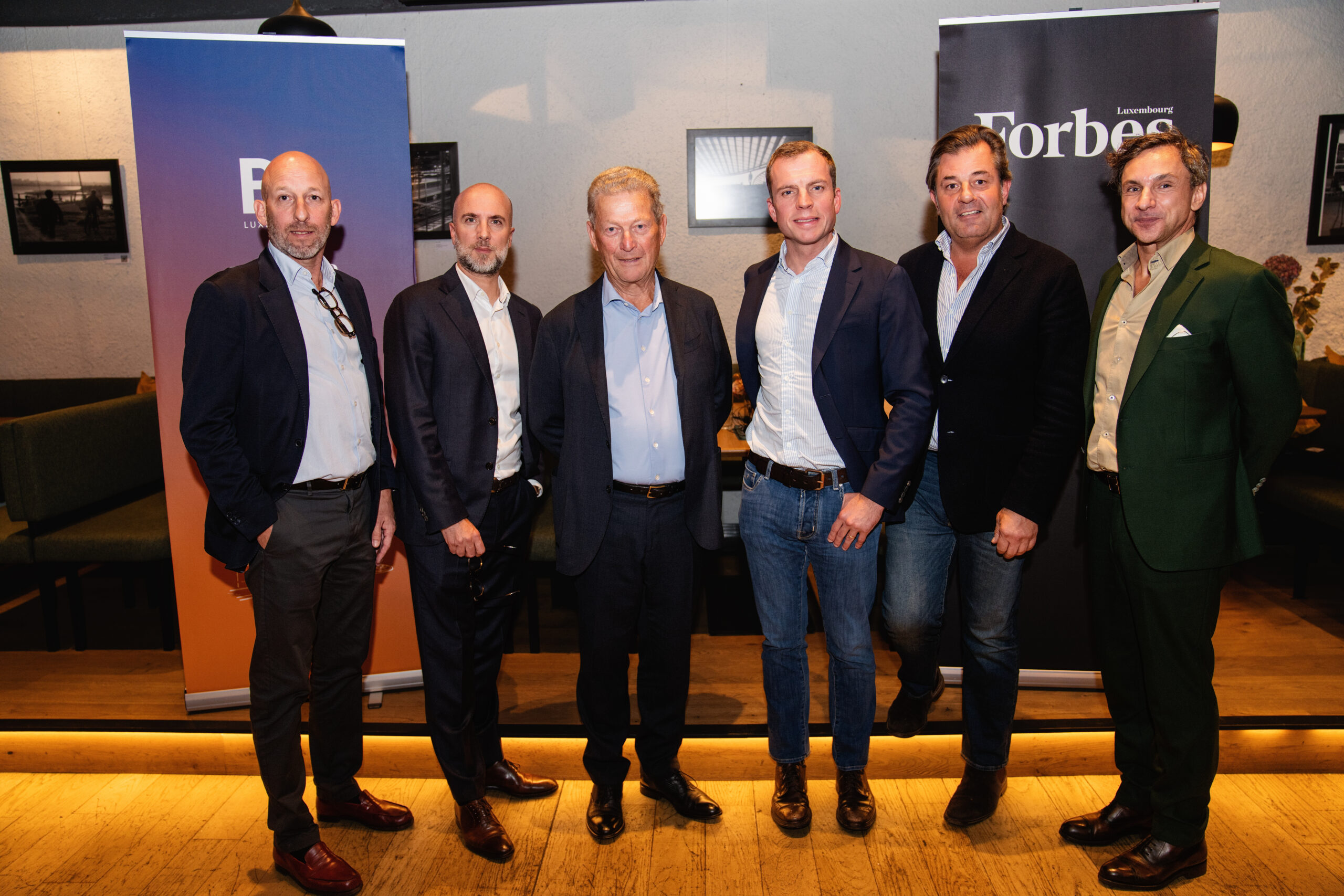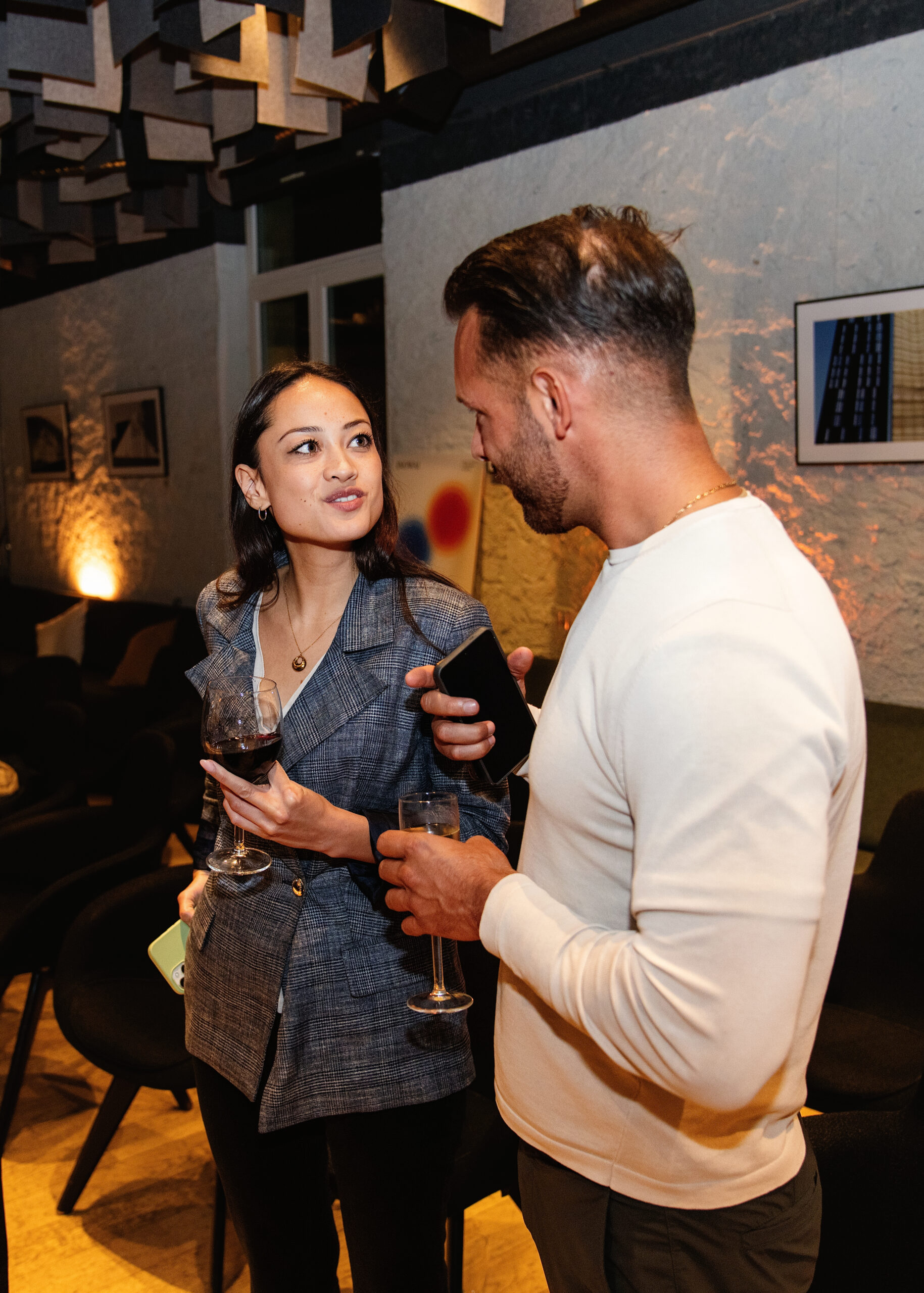

At the Talk B17 x Forbes Luxembourg event, Louis-Marie Piron reflects on fifty years of entrepreneurship. From reinvestment to passing on the business, the founder of Thomas & Piron shares his vision for building a business despite crises.
In 1976, Louis-Marie Piron went into partnership with Charles Thomas, a bricklayer from his village in the Belgian Ardennes. He was twenty years old. Fifty years on, Thomas & Piron has over 3.000 employees and is approaching one billion euros in turnover. At the Talk B17 x Forbes Luxembourg event on 13 October, organised in partnership with INOWAI, the founder recounts a journey in which intuition matters just as much as the figures. The first concrete mixer probably didn’t have a business plan.
Independence comes at a cost
Behind the growth lies a discipline: retaining profits within the company. Louis-Marie Piron explains that he has taken very few dividends and has never opened up the group’s share capital. The accumulated equity has subsequently enabled the company to weather market turbulence. Independence is therefore not merely a shareholder preference: it is built up on the balance sheet, year after year.
The ‘turnkey’ home model provided another driving force. The aim was not to prefabricate homes, but to industrialise working methods and pool purchasing. For customers, this meant a single point of contact and a streamlined process; for the builder, greater control over costs. It was a solution for households where both partners work and have less time to oversee a building project.
Building whilst others wait
Faced with the property market slowdown, the group continued to build, eventually building up a stock of around 400 homes, according to discussions during the evening. This strategy ties up cash flow and requires the support of the banks. It also enables the group to offer completed homes at a time when buyers, concerned about the risk of default, are reluctant to buy off-plan.
“We absolutely had to retain our workforce.” For Louis-Marie Piron, retaining teams means safeguarding expertise that takes a long time to develop. This strategy therefore ties up two forms of capital: the money tied up in stock and the skills needed for the recovery. It requires a level of financial strength that not all players can afford.
Diversification provides a further buffer. Renovation and complex construction projects, particularly through Galère, offer a fallback when property development slows down. These business lines remain exposed to their own risks, but allow for a diversification of sources of activity. Resilience stems less from a miracle sector than from a portfolio of complementary business lines.
In Luxembourg, shifting the outlook
The Luxembourg property market presents a particular challenge: some plots of land purchased at a high price no longer allow homes to be sold at a price that covers all costs. The group is therefore adapting its strategy by developing properties intended for rental and retained within its portfolio, notably via a property fund.
The aim is to generate income whilst awaiting more favourable conditions for disposal. This decision alters the project’s economic timeframe and extends exposure to the market. Louis-Marie Piron refers to holding the assets for several years: an exit strategy, with no guarantee of a timeline or profit margin. In property, patience also comes at a financing cost.
Handing over, then letting others decide
The succession took ten years to prepare. Beyond the division of assets, Louis-Marie Piron distinguishes between the business risk borne by the person taking over the company and that associated with a property asset. His son François worked his way up through the various levels of the group before taking the helm.
‘If I wanted it to succeed, I also had to hand over the reins to him. ’ The handover therefore requires the founder to redefine his own role: remaining available, without systematically reassuming leadership.
Today, the priority is clear: ‘The current vision is, above all, to consolidate what we have created.’ Consolidating the organisations before reigniting growth: after fifty years of building the business, Louis-Marie Piron knows that the foundations are always worth revisiting.
All photos © Naderi Photography / Forbes Luxembourg