
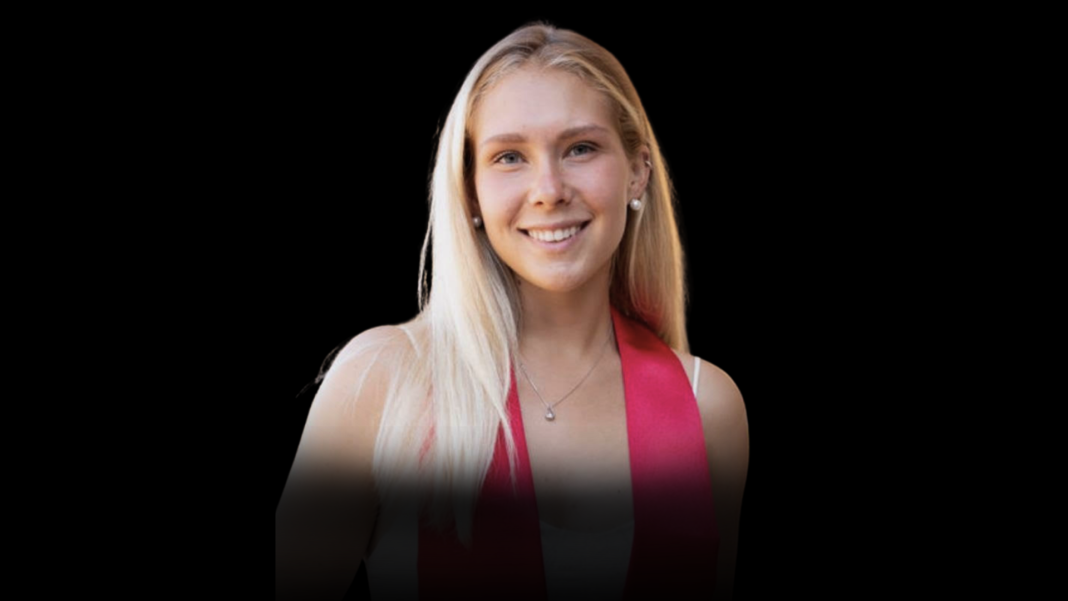
At nineteen, while observing a deep brain stimulation surgery at Luxembourg’s Centre Hospitalier, Maria Shcherbakova saw electrodes restore movement in a patient with Parkinson’s disease.
“Seeing, up close, both the complexity and the enormous stakes of brain surgery made me realise how much potential there was in combining clinical care with cutting-edge technology,” she recalls. It set her mission to build ethical, intelligent neurotechnologies that make therapies more precise and accessible.
In 2021, she joined the Starr Lab at UCSF, helping develop the first patient-embedded adaptive DBS system, which senses brain signals and adjusts stimulation in real time. It became the first of its kind to earn FDA approval for Parkinson’s therapy. She later led work at the University of Pennsylvania on new neurosurgical treatments for movement disorders.
Shcherbakova collaborates with institutions including Oxford, Charité, Mayo Clinic and Medtronic, and advocates rigorous, inclusive science through journal review and mentorship.
A Luxembourg native and Stanford alumna in Computer Science and Applied Neuromechanics, she now focuses on neuroscience, software and ethics to design next-generation brain–machine interfaces. Her vision: “I hope we’ll see adaptive, patient-first neuromodulation become the norm.” Through Forbes Under 30 she aims to inspire collaboration between clinicians and engineers.
This article was published in the 8th edition of Forbes Luxembourg.
Read more articles:
Forbes Luxembourg Shines a Spotlight on Its First Ever Under 30 Honourees