
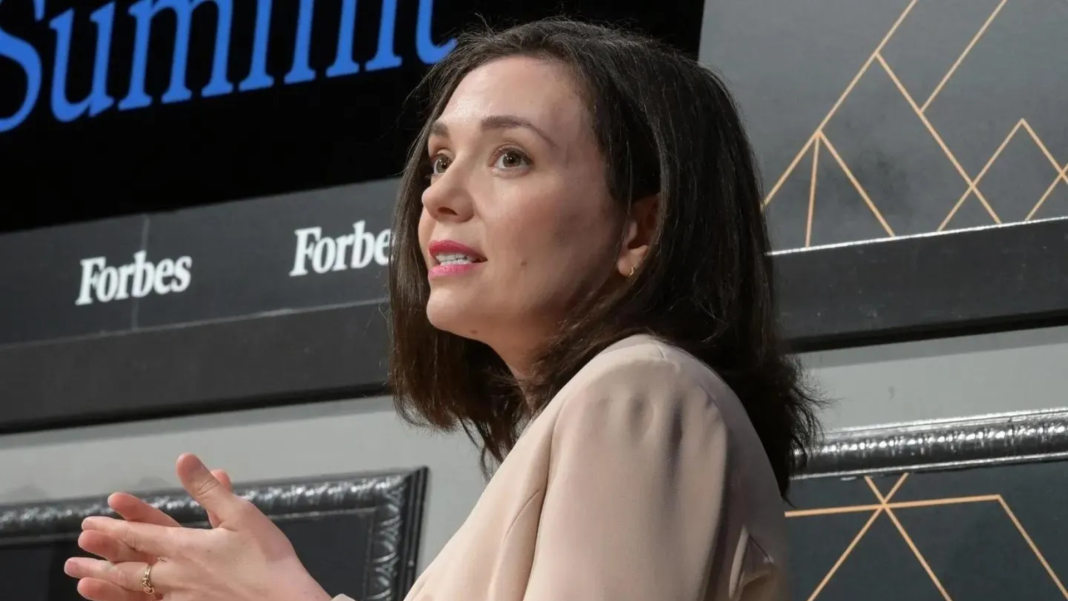
Facebook cofounder Dustin Moskovitz and his wife Cari Tuna cofounded Open Philanthropy to identify charities that would create the biggest impact per dollar. Now, they’re changing its name and encouraging others to join the effort.
More than a decade ago, when Cari Tuna and her husband, billionaire Facebook cofounder Dustin Moskovitz, started to explore how they’d give away the vast majority of their wealth (now some $20 billion) during their lifetimes, they took an effective altruist’s view of things. Instead of donating to the causes they were most passionate about, they decided to give to those likely to create the greatest impact per dollar. In support of that they cofounded Open Philanthropy and funded everything from the Malaria Consortium to the Center for AI Safety—but they largely did it themselves. And that was never really the idea.
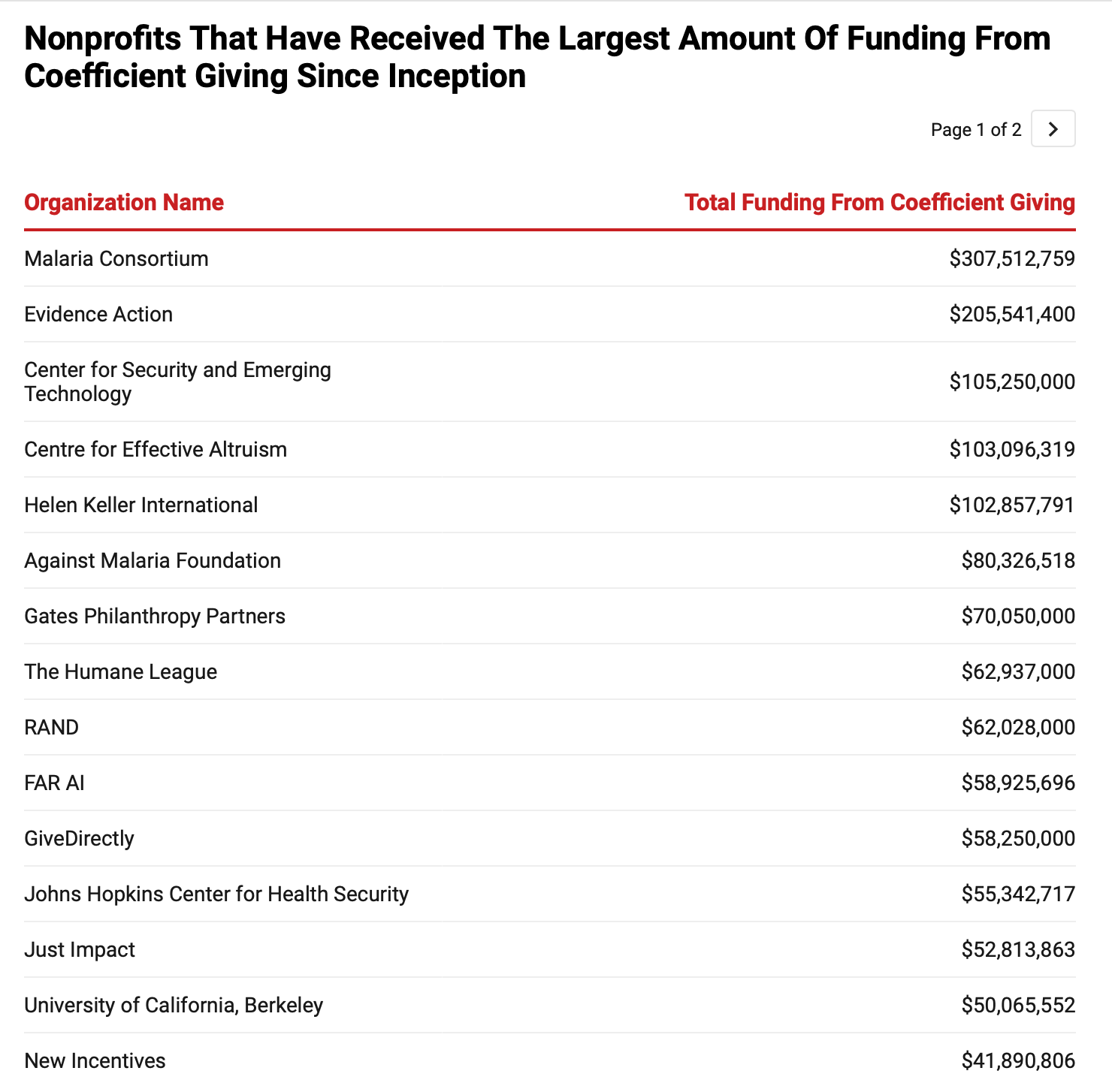
Tuna stresses that soliciting funding from more donors doesn’t mean she and Moskovitz will slow down their pace of giving. They plan to increase it, aiming to reach a point where they are donating money faster than they’re making it. With their donations and those of others, they are hoping to increase Coefficient Giving’s impact—and thus influence. Ideally, that’ll mean more children who don’t get malaria, more people with clean water, and fewer with lead poisoning. AI safety will be harder given the billions of dollars at play. But Coefficient is undaunted; it’s directed more than $100 million to AI safety initiatives so far this year.
Read more articles:
In Luxembourg, Rising Defence Spending Must Benefit The Economy
IMDEX To Acquire Luxembourg’s Advanced Logic Technology In €55.8m Deal
From Speed To Emotion: The Art Of Motion In Sacha Lakic’s Design