

The government ambitions to accelerate its digital sovereignty by 2030, on data, artificial intelligence and quantum technologies. What are the main milestones planned for the current year?
“Researchers worldwide are racing to develop new devices called quantum computers, which could do many things conventional computers cannot — including breaking the defenses that secure confidential electronic information,” the US National Institute of Standards and Technology (NIST) says. “They are developing efforts to create electronic defences against such attacks.”
In June 2024, the United Nations proclaimed 2025 as the International Year of Quantum Science and Technology
The initiative aims to raise public awareness of the importance of quantum science, to strengthen international and interdisciplinary scientific cooperation, to promote its applications for sustainable development, and to reduce inequalities between the North and the South in this field.
And this through concrete actions including demystifying quantum science, strengthening collaborations between key actors, or highlighting uses of quantum technologies in computing, cryptography, health, energy…
Luxembourg’s quantum strategy
In May 2025, Luxembourg’s government has published its quantum strategy for 2030. The program aims at accelerating digital sovereignty on three main strategic axes: data, artificial intelligence (AI) and quantum technologies.
“Quantum technologies is an emerging sector globally, at both the research level and the economic level, with the potential to bring major changes with significant social and economic impacts,” Luxembourg ministers Elisabeth Margue (Media and Connectivity), Stéphanie Obertin (Digitalisation) and Lex Delles (Economy) explained during the presentation of the master plan.
“The vision is to make Luxembourg quantum ready to harness the full potential of quantum technologies for scientific, technological, and economic progress. And the effort will help to sustainably strengthen Luxembourg’s competitiveness in this cutting-edge area”.
The strategy sets up key actions including collaboration frameworks, targeted funding mechanisms, education and training programs, talent attraction initiatives, and strategic partnerships.
These are completed by investments in quantum infrastructure through European initiatives (such as EuroHPC and EuroQCI), that will accelerate scientific progress and the development of quantum solutions, and ensure that Luxembourg remains “a competitive player in the global quantum landscape.”
A three-phase plan
Luxembourg’s quantum strategy roadmap includes three phases :
- Phase 1: Establishing the foundation (2025–2027)
- Phase 2: Scaling the ecosystem (2027–2030)
- Phase 3: Achieving commercial impact (2030 & beyond)
Each phase will focus on three objectives: enabling quantum computing; developing quantum-safe communication and implementing key measures to fuel the quantum economy.
With the strategy, Luxembourg’s government aims to position “as a centre of competence and a European digital hub that attracts, retains, and develops talent in the field of Deep Tech technologies, guarantees national sovereignty and realises national ambitions in the areas of data, AI, and quantum technologies.”
What comes in 2026
In October 2024, the Government presented its project to install and operate MeluXina-Q a quantum computer. As from 2026, it will be hosted and managed by the Luxembourg’s national High-Performance Computing center (LuxProvide) in Bissen.
“MeluXina-Q aims to provide industry and research with access to quantum and hybrid quantum–classical computing capabilities,” the Government says. “MeluXina-Q marks a major step forward, reinforcing Luxembourg’s position as a leading player in the field of new-generation digital technologies.”
Other Luxembourg initiatives include:
- The strengthening digital sovereignty and cybersecurity (post-quantum cryptography, QKD, EuroQCI)
- Training and skills development (academies specialised in quantum computing)
- The integration of the strategy into the European ecosystem (EuroQCI, EuroHPC, EU Digital Decade)
- Investments and coordination (2025-2030)
R&D projects
During the first phase the University of Luxembourg and the Luxembourg Institute of Science and Technology (LIST) are joining force to improve training and education of MSc students in the quantum domain. “It is anticipated that LIST researchers will give lectures on quantum technologies from 2026,” said Florian Kaiser (Group Leader – Quantum Materials at LIST).
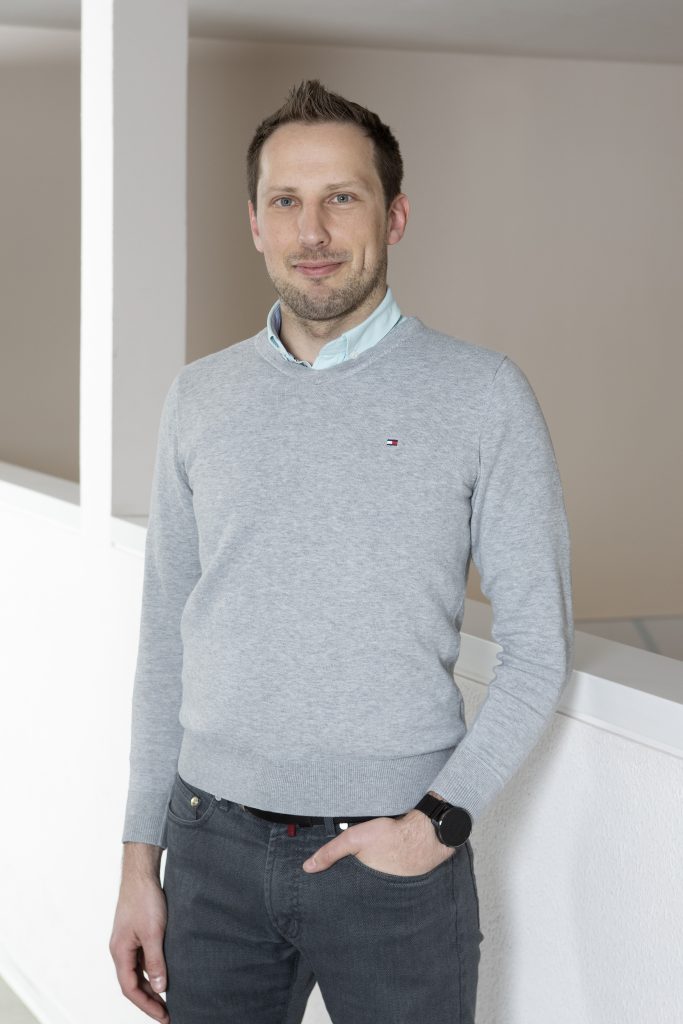
“Both our researchers have analysed the needs for setting up a quantum internet in Luxembourg, which can ensure mathematically secure communication, even against attacks of future quantum computers. It also offers many more use cases, spanning from quantum money transfer, to cloud quantum computing, and quantum-secure online voting. Researchers will continue developing more use cases and software that are adapted to the needs of various stakeholders”.
Are businesses ready?
In November 2025, the Luxembourg House of Cybersecurity (LHC) unveiled its Cybersecurity Factory. The initiative is supported by the State and dedicated exclusively to cybersecurity. It will provide national capacities in terms of dedicated data, tools and AI models. The objective is to modernise the cyber defence of Luxembourg’s national ecosystem and to reduce its dependence on closed solutions. The initiative fits in with the national Quantum 2030 Strategy, and the project will run until 2030.
“The first three years (2026-2028) will be dedicated to capacity building, including the quantum test center,” explains Pascal Steichen (LHC’s CEO). “Our goal is to be ready before 2030.
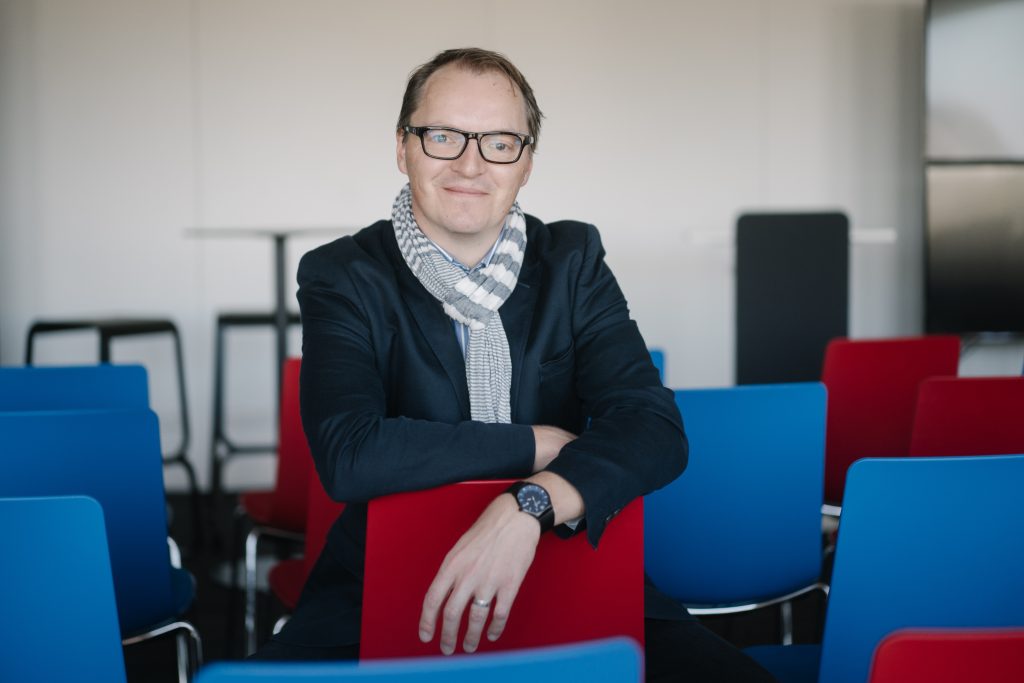
Are Luxembourg businesses ready for the quantum shift? Have they become aware of the challenges? Are they planning to invest? In 2025, LHC conducted a survey among companies on the issue. “By proactively planning the transition to quantum-safe cryptographic solutions, SMEs can safeguard their digital assets, ensure long-term resilience, and maintain the trust of their customers and partners,” Steichen said. “The results will allow us to adjust the approach of the Factory.”
This article was published in the 9th edition of Forbes Luxembourg.
Read more articles:
Europe Must Win The Space Race