
Satoshi’s attendance was “confirmed” at Paris Blockchain Week 2026, and alongside the symbolic arrival of institutional crypto came Luxembourg, with its rising startups and infrastructure players quietly asserting their place at the heart of the industry’s next chapter.
From the Louvre to Versailles, 10,000 global leaders gathered as blockchain entered a new era, one defined by regulation, infrastructure, and the quiet but decisive presence of Luxembourg. “Satoshi was there.”
That was the phrase echoing through the marble corridors of the Carrousel du Louvre as Paris Blockchain Week 2026 unfolded, half rumor, half conviction, and entirely symbolic of an industry that has matured beyond its origins. Whether or not Satoshi Nakamoto was physically present matters less than what the moment represents: the convergence of myth, money, and institutional power in one of the world’s most prestigious venues.
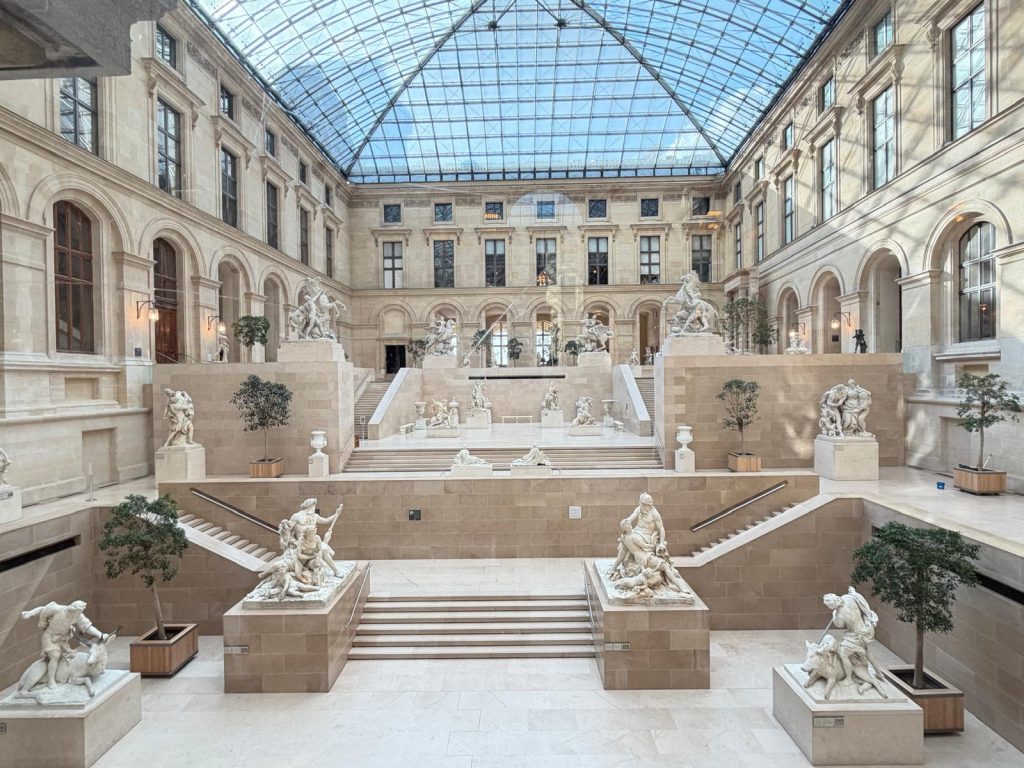
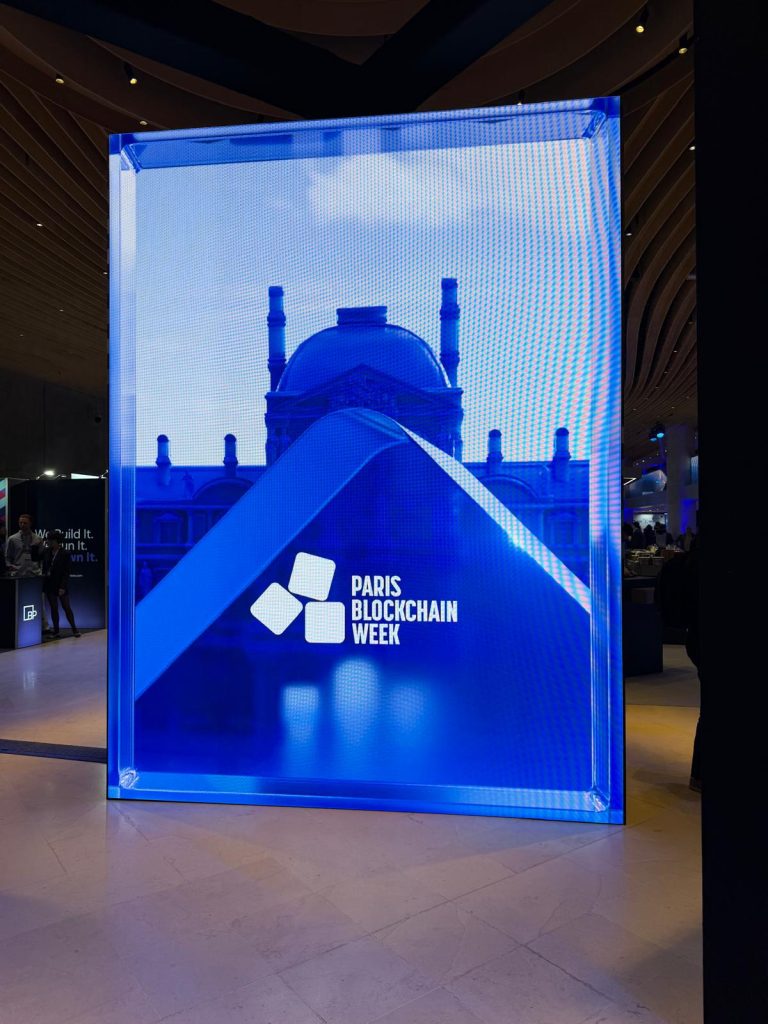
For two days, on April 15-16, Paris became the gravitational center of global Web3. Inside the Louvre, and extending into private salons, hotel suites, and even the gilded halls of Versailles, over 10,000 attendees from more than 100 countries gathered not just to talk about blockchain, but to shape its next phase.
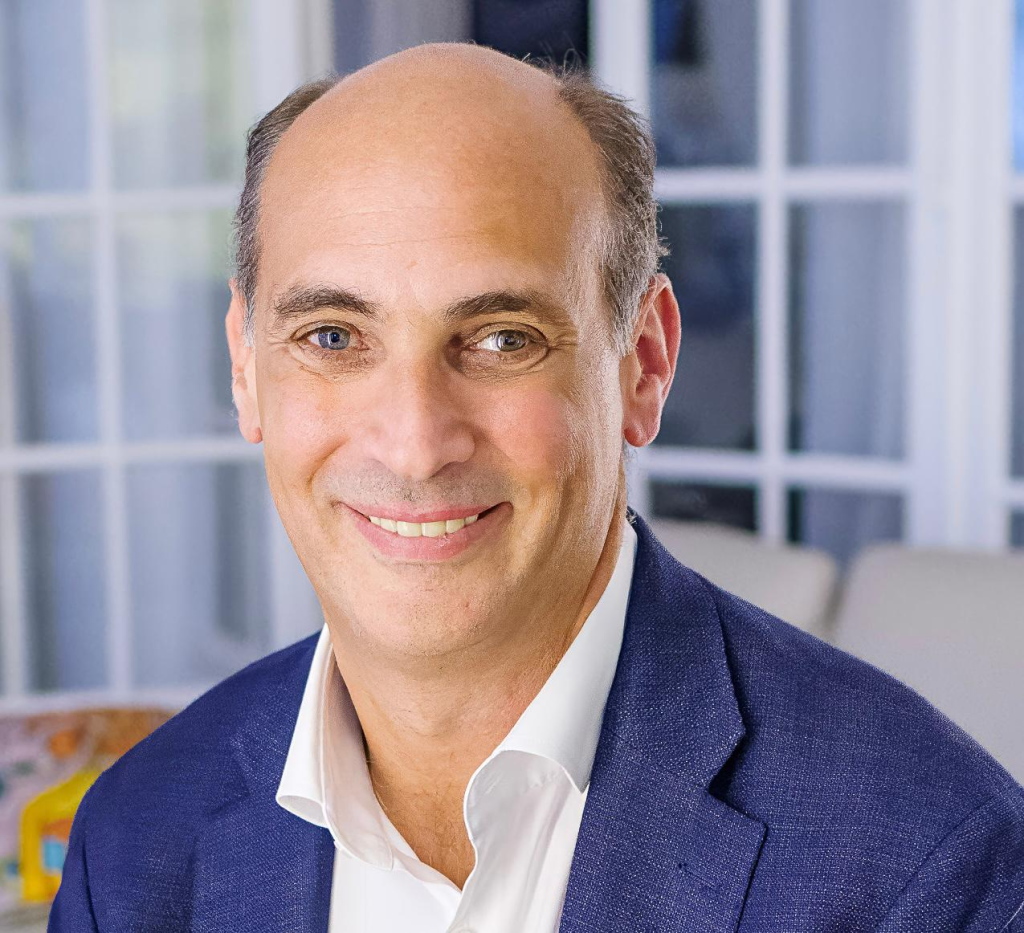
At the center of it all stood Michael Amar, the Chairman of Paris Blockchain Week, whose long-term vision is now materializing in real time. “A lot of people made fun of us since the beginning. We were too corporate, not enough crypto. But we always believed institutions would adopt digital assets,” said Amar.
That belief has proven prescient. What began years ago as an event slightly out of sync with crypto-native culture has become one of the most important institutional gatherings in the digital asset space.
Deal-making engine
The scale of the event reflects that shift. Beyond the main conference at the Louvre, PBW 2026 extended into a constellation of curated experiences: private institutional summits, startup competitions, hackathons, and dozens of side events across Paris. A highly exclusive VIP dinner at Versailles added another layer of symbolic gravity, reinforcing the message that blockchain is no longer on the fringes, it has entered the halls of legacy power.
Yet what distinguishes Paris Blockchain Week is not just its size, but its structure. Amar has deliberately engineered what he describes as “rooms that matter.” “We want people to come with a business mindset. Not just to walk around, but to find a co-founder, a VC, a partner,” said Amar. That philosophy is embedded in the event’s design, from closed-door institutional roundtables to highly curated one-on-one meetings.
“You can send 10,000 emails and never get a meeting, but here, one five-minute conversation can change your life,” said Amar.
The programming reflects a full lifecycle approach to the industry. Developers are brought in through pre-event hackathons, with winning teams earning the opportunity to pitch on the main stage. Startups move through a highly competitive selection funnel, with hundreds applying and only a handful ultimately presenting to top-tier investors.
Meanwhile, institutions are given their own dedicated environment, separate, focused, and tailored to their specific concerns around regulation, custody, and market infrastructure. “You’re talking about very different audiences, from developers to banks. We had to create different experiences for each, while keeping the whole ecosystem connected,” said Amar.
Luxembourg’s strategic presence
That ecosystem is increasingly institutional, and Luxembourg is positioning itself accordingly. Led by The Luxembourg House of Web3, a substantial delegation of Luxembourg-based actors made their way to Paris, reflecting the country’s strategic ambition to become a hub for compliant digital finance.
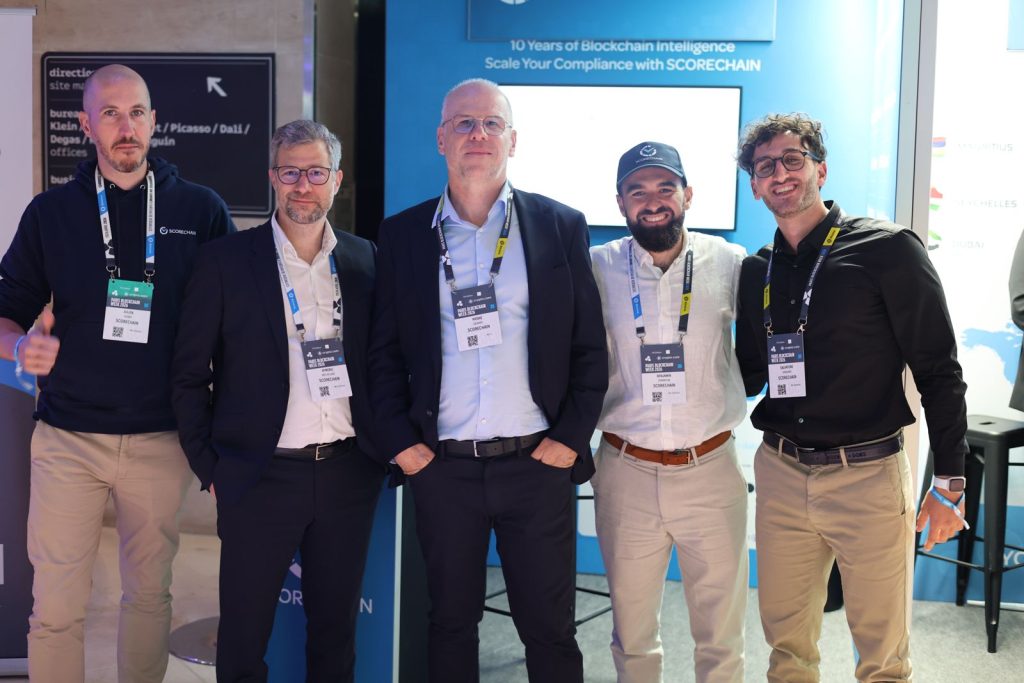
Companies such as Scorechain, Groupe Olky, InTech, Zodia Custody, and 6 Monks represented a cross-section of the ecosystem, from compliance and payments to infrastructure and asset management.
Their presence highlighted a broader trend, in that Luxembourg’s evolution from a traditional financial center into a key player in the digital asset economy is now nominal. Unlike more retail-driven markets, Luxembourg’s approach is grounded in regulation, institutional trust, and infrastructure. In many ways, it mirrors the very direction in which the industry is heading. “Most use cases in crypto are around finance. If you don’t understand that deeply, you cannot build something sustainable,” said Amar.
The hype towards infrastructure
According to Amar, more than 250 banks were represented this year, a dramatic increase from just a handful a few years ago. The conversations have evolved accordingly. Gone are the days when blockchain events revolved around price speculation or token launches. In their place: discussions on tokenized securities, stablecoin infrastructure, compliance frameworks, and cross-border settlement systems.
“We’ve achieved the first step, which is adoption. Now it needs to become invisible, something people use without even realizing it,” said Amar.
Europe’s regulatory environment plays a central role in that transition. Amar describes the continent as both a challenge and an opportunity, but ultimately a stabilizing force. “MiCA may not be perfect, but it creates a stable environment. If regulation changes elsewhere, Europe remains predictable,” said Amar.
The next chapter
Looking ahead, Amar is already thinking beyond Paris Blockchain Week as it currently exists. In a move that signals both confidence and evolution, he confirmed that the event will return next year under a new name: Signal Week.
The rebranding reflects a broader ambition to move from a traditional conference format to something more focused, more curated, and ultimately more impactful. “We want to create environments where real things happen. Where decisions are made, where partnerships are formed,” said Amar.
If PBW 2026 is any indication, that transformation is already underway. The industry is maturing, the players are changing, and the stakes are higher than ever. Whether symbolic or real, the idea that Satoshi was present captures the essence of this moment: the origins of crypto meeting its institutional future, on a stage where Luxembourg is quietly, but decisively, taking its place.
Read more articles:
The True Cost And Impact Of Free Mobility