

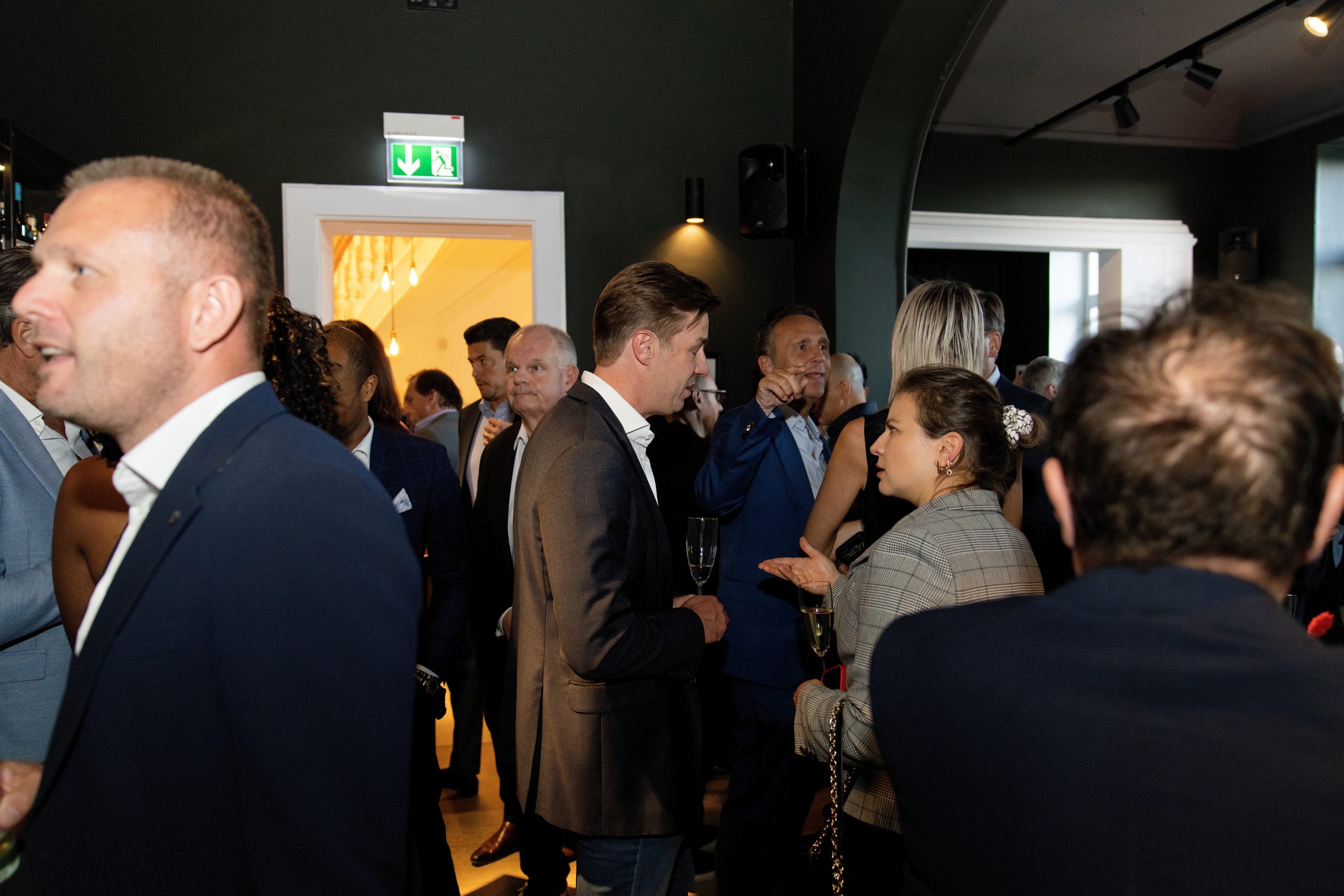
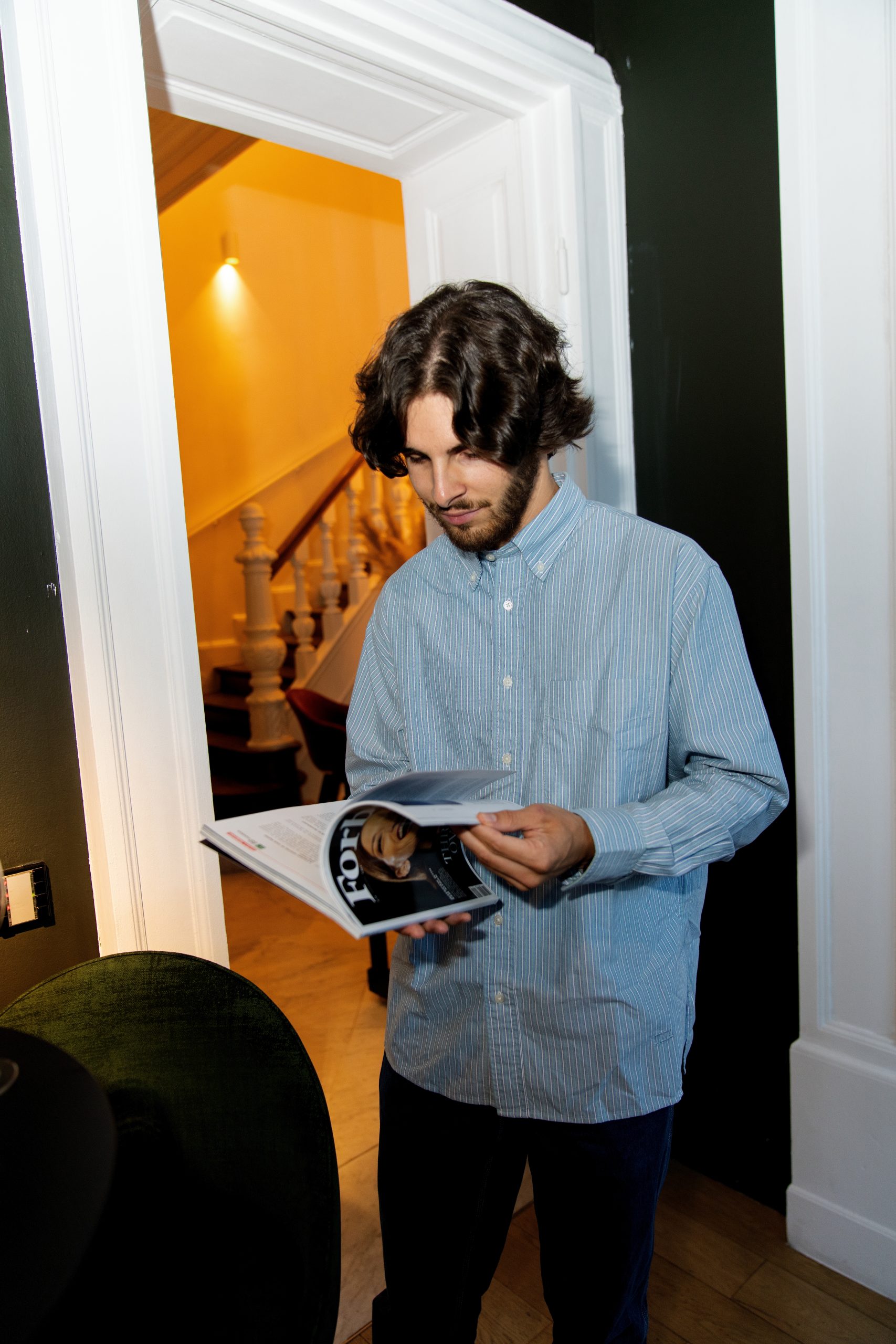
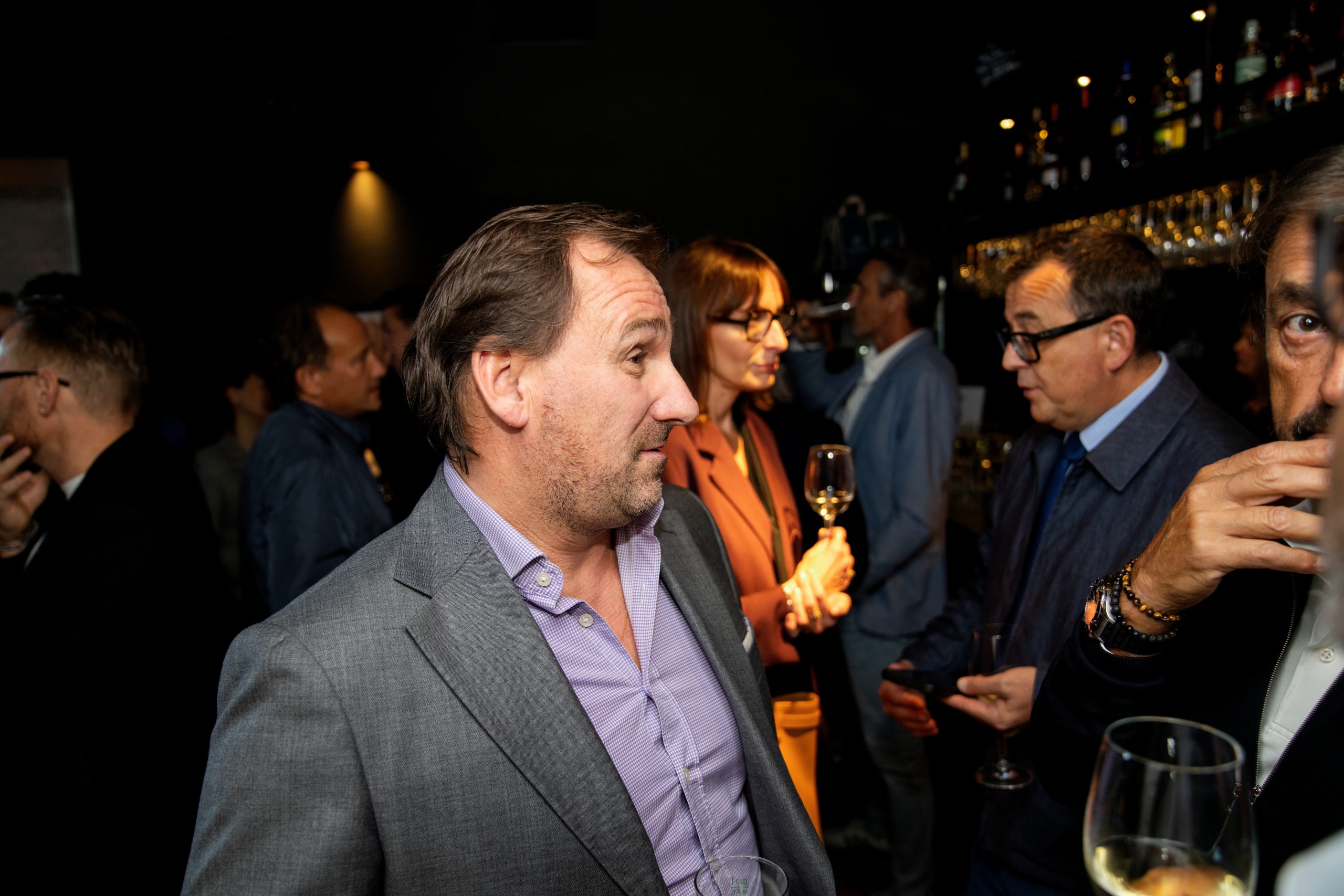
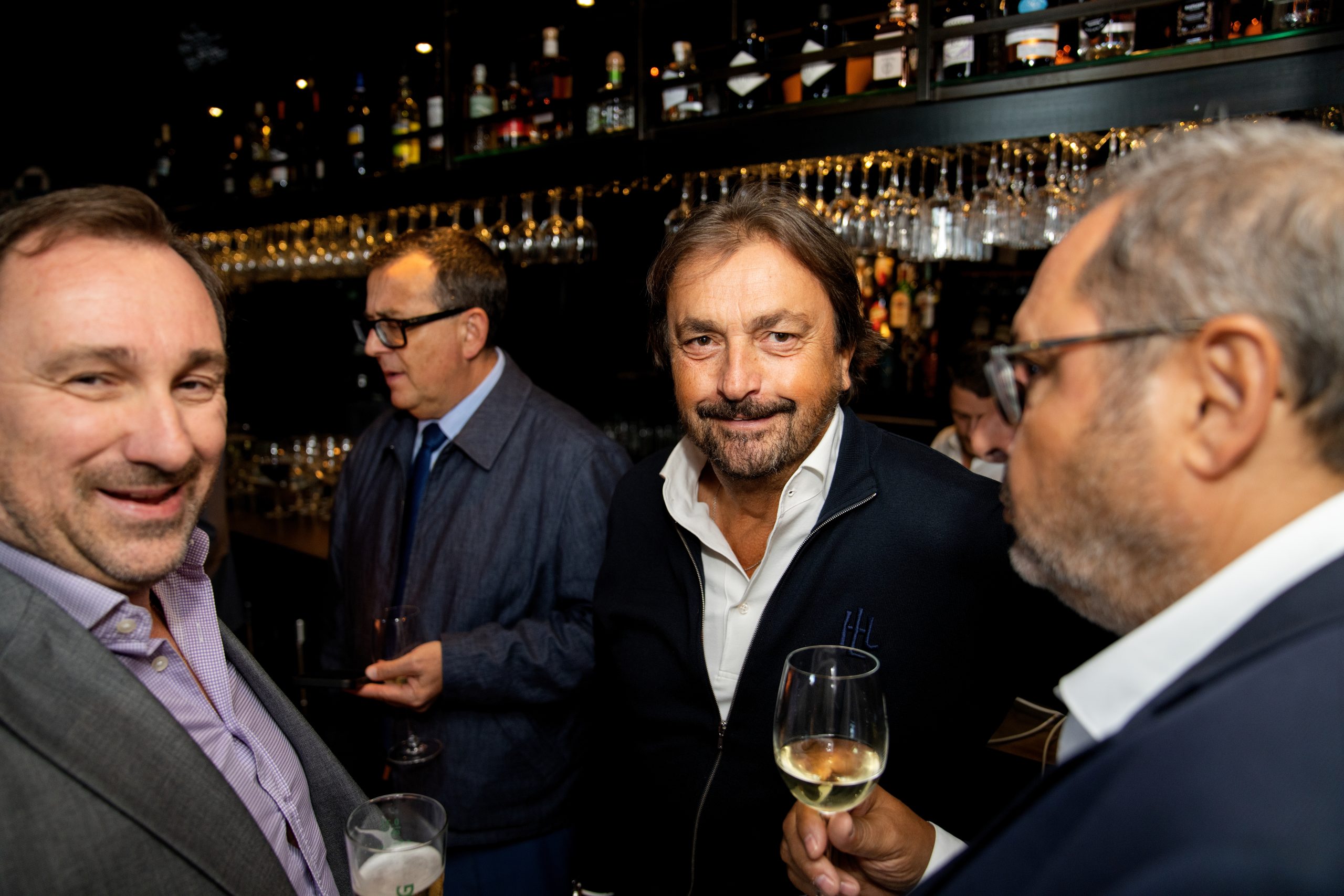
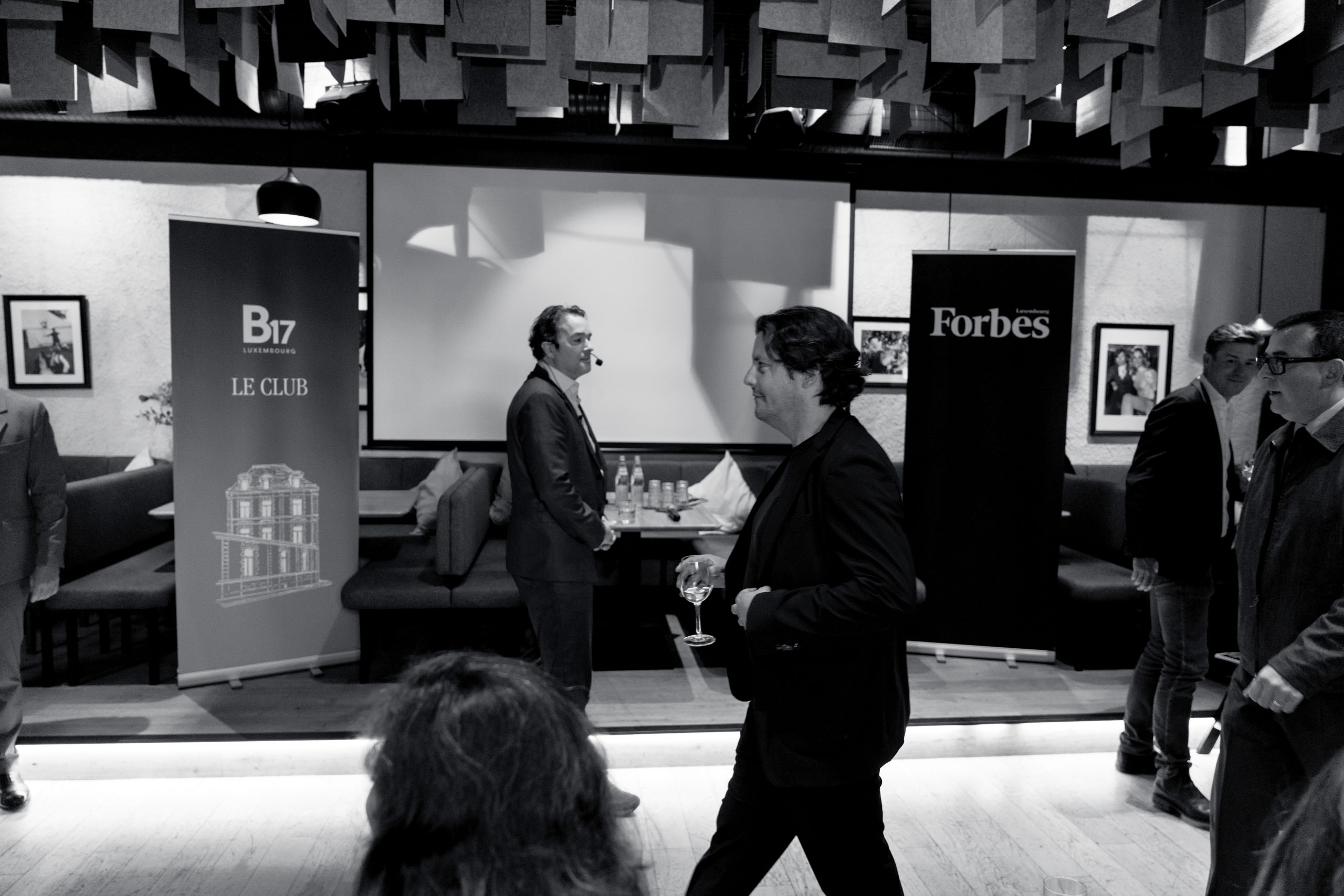
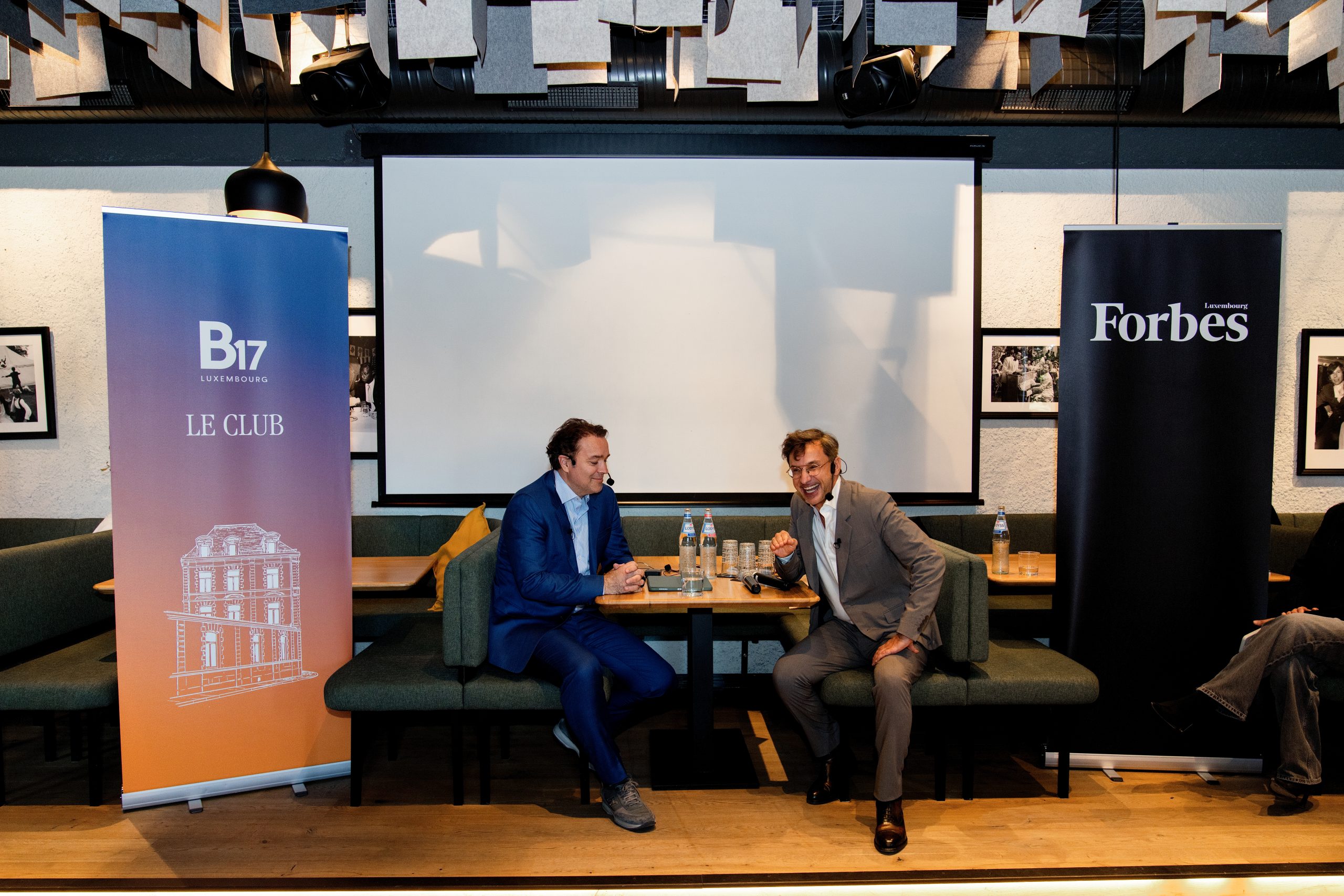
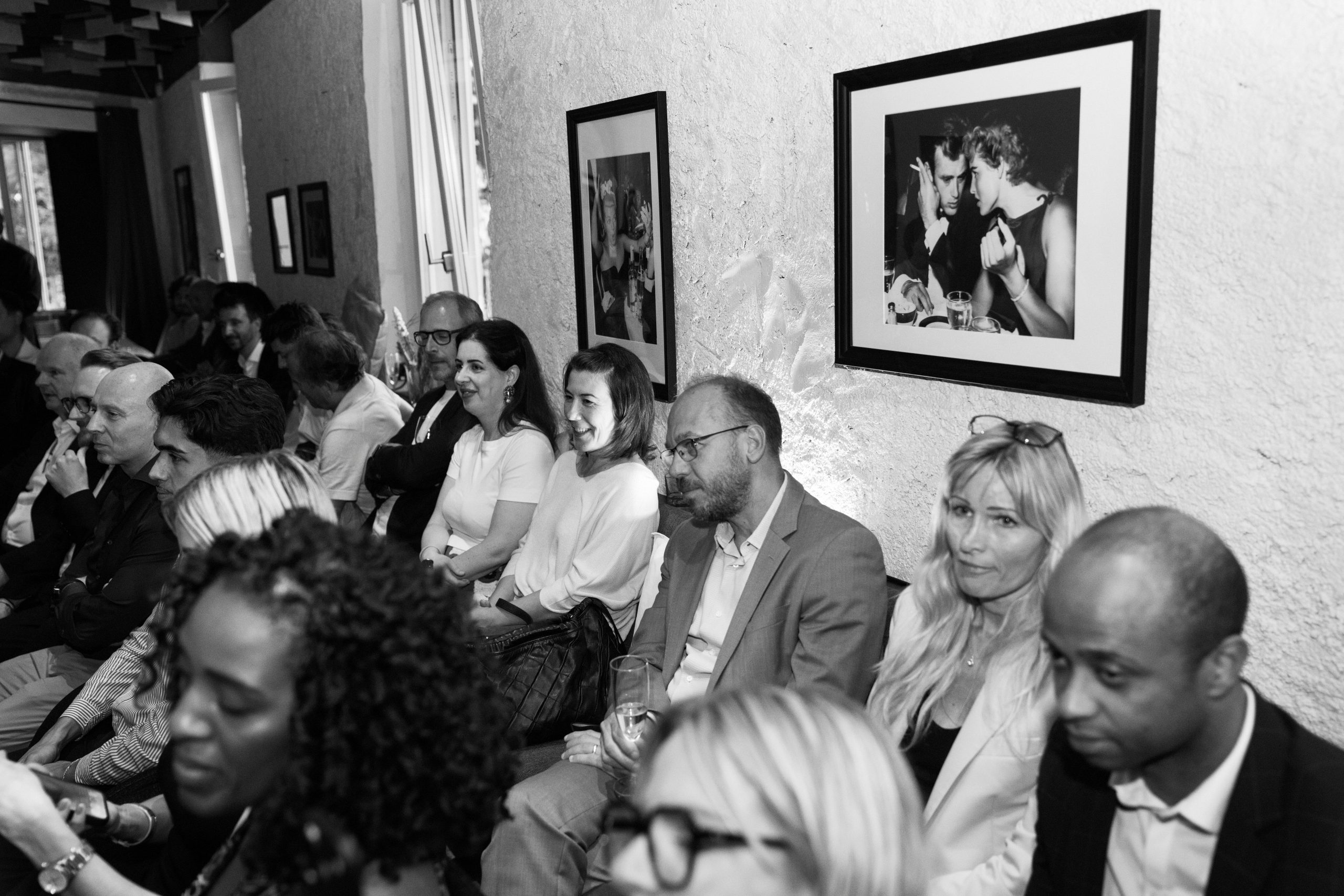
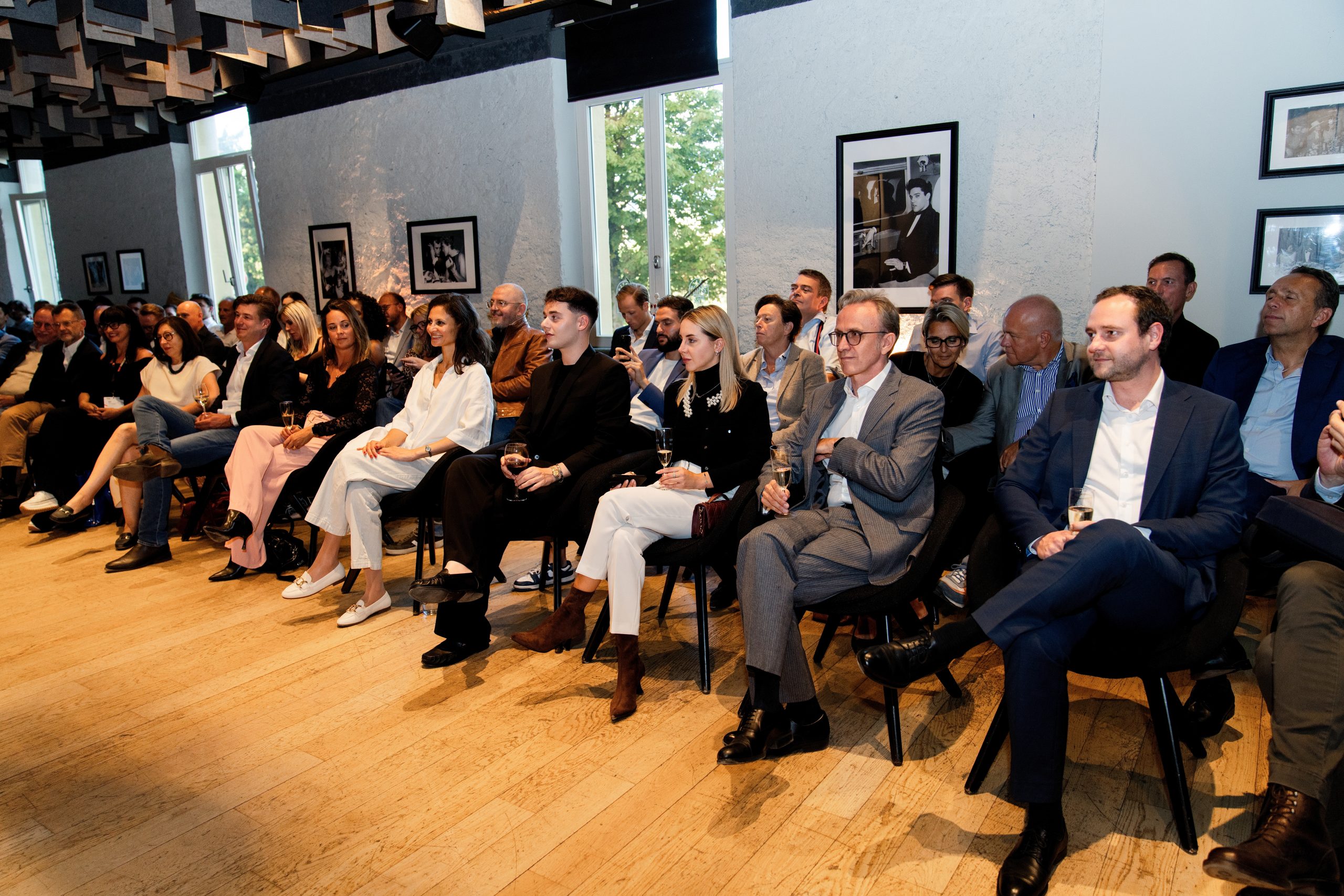
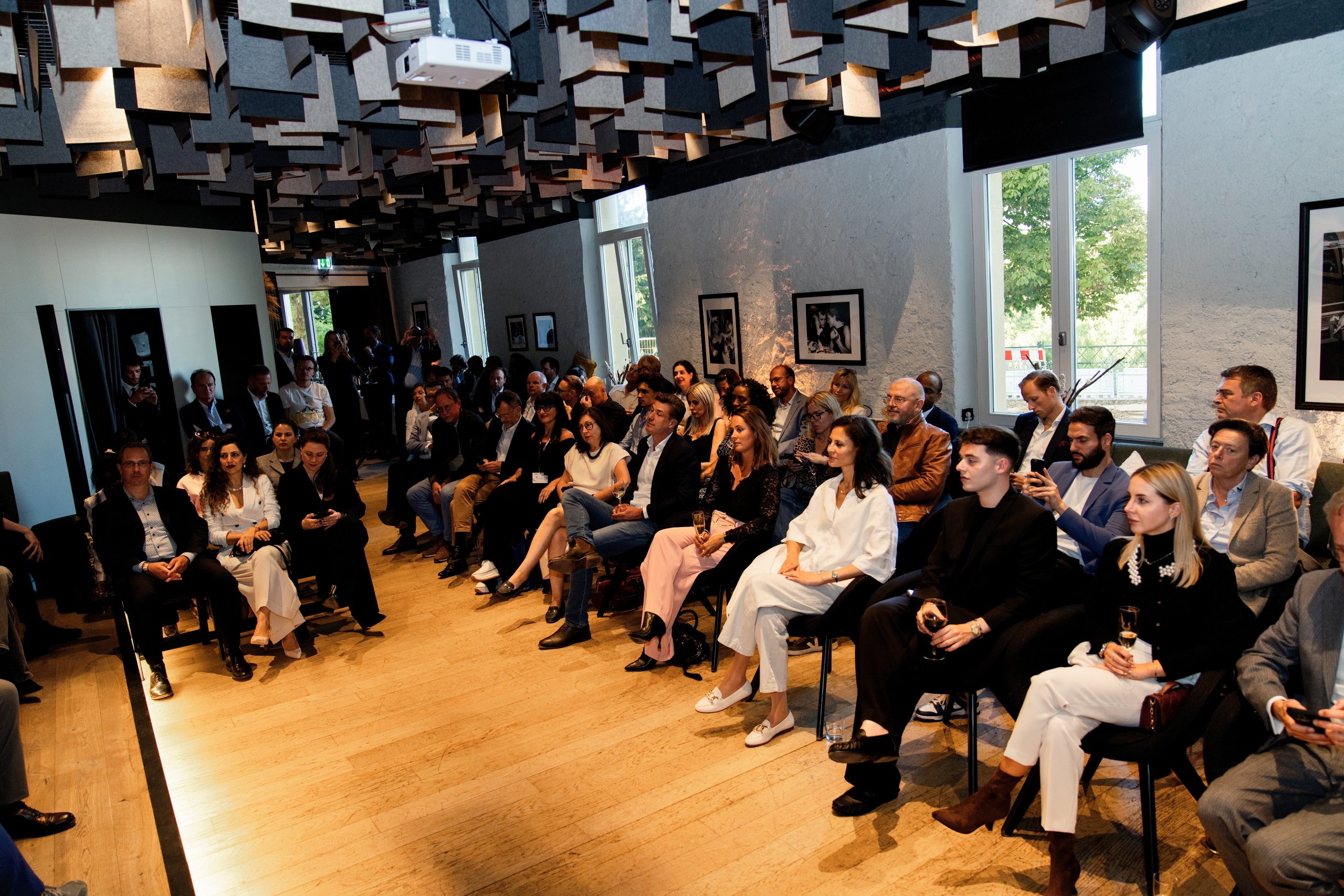
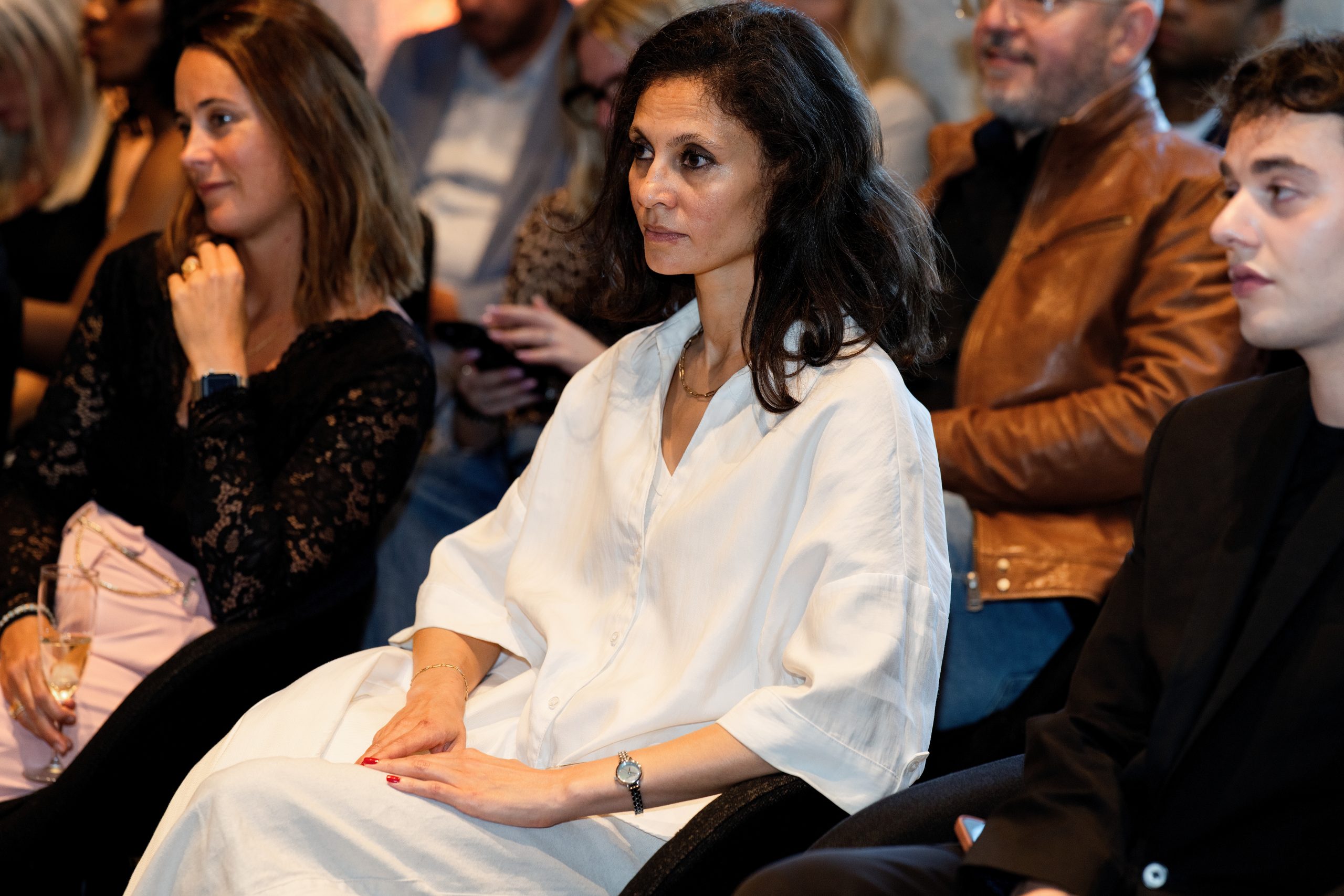
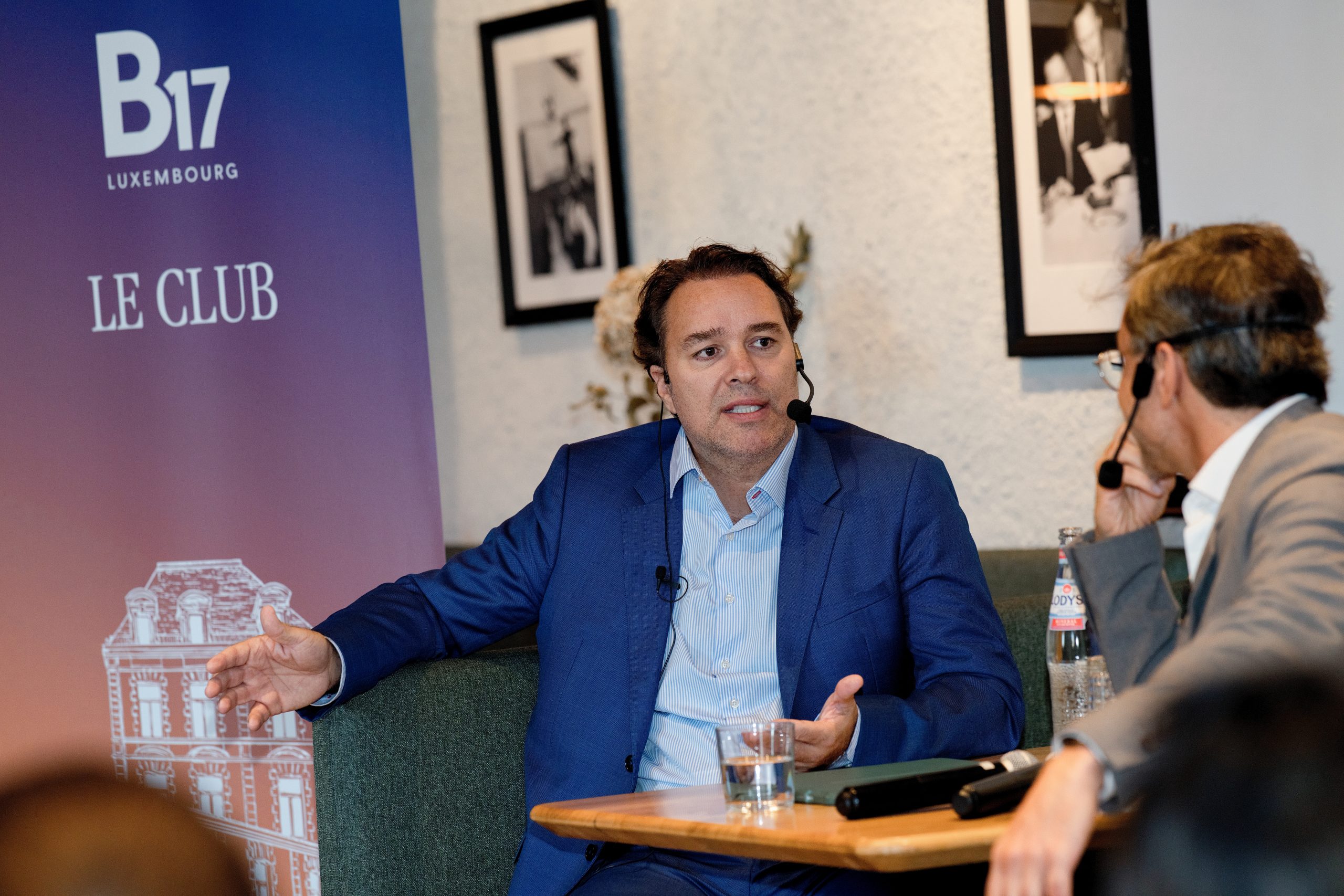
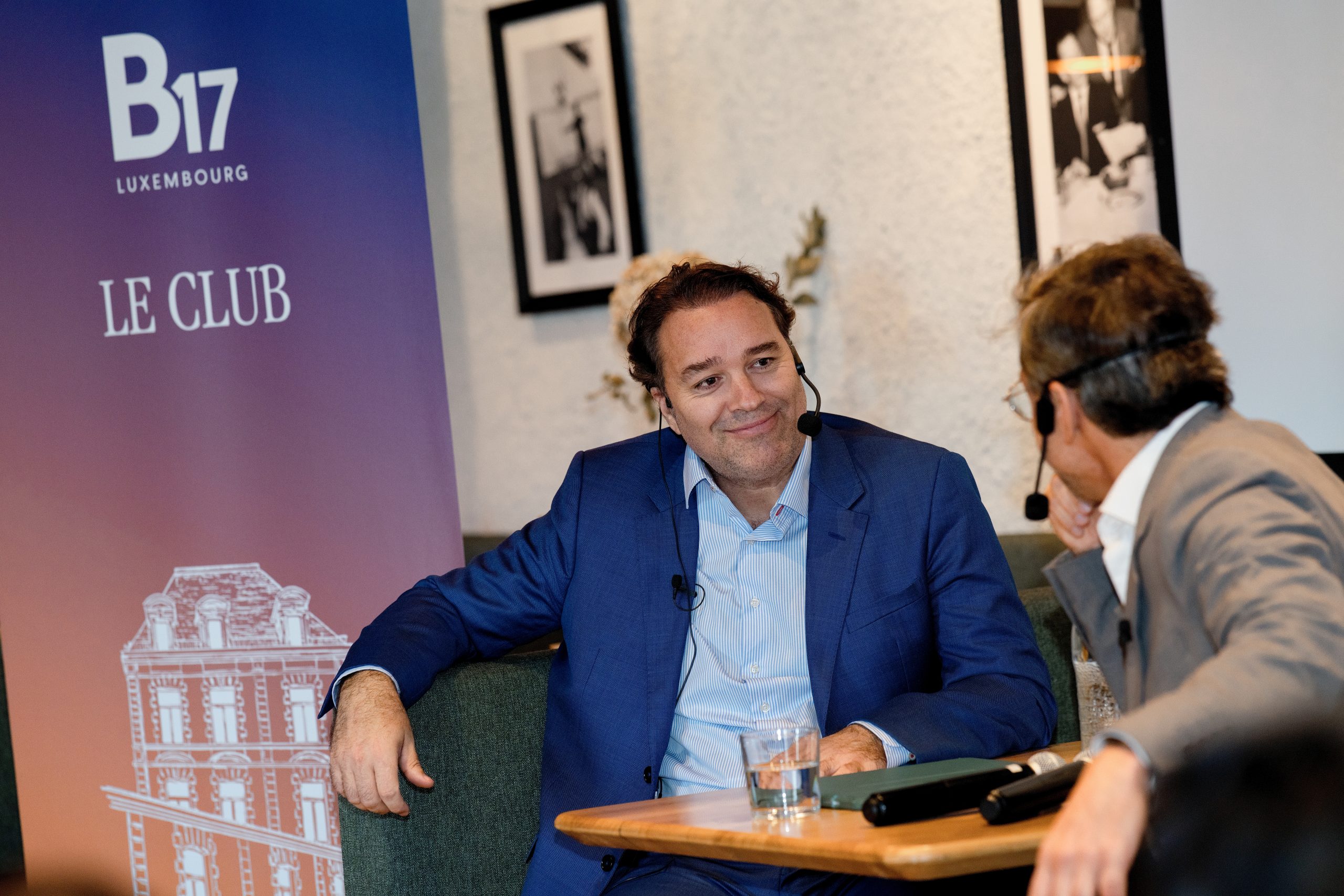
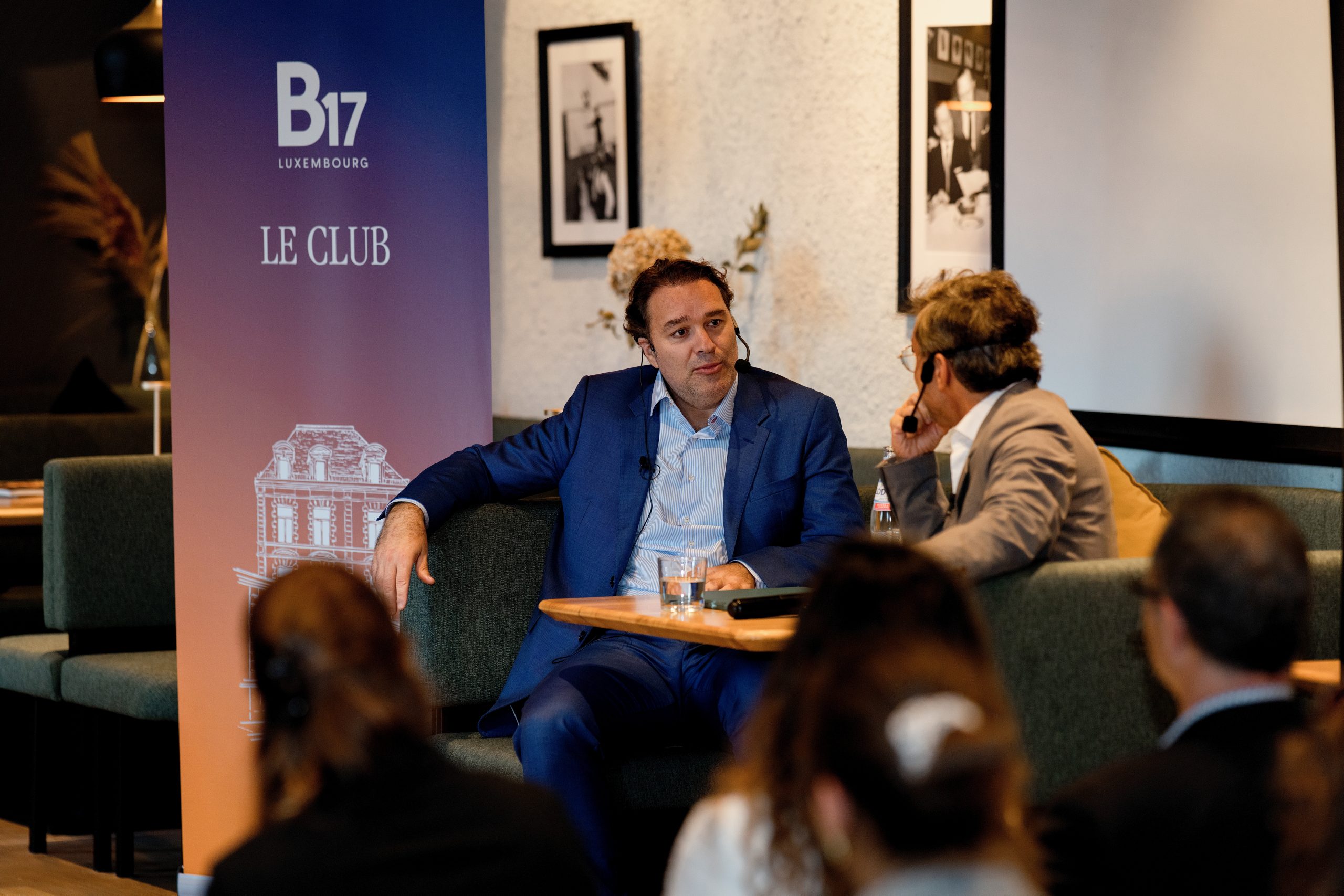
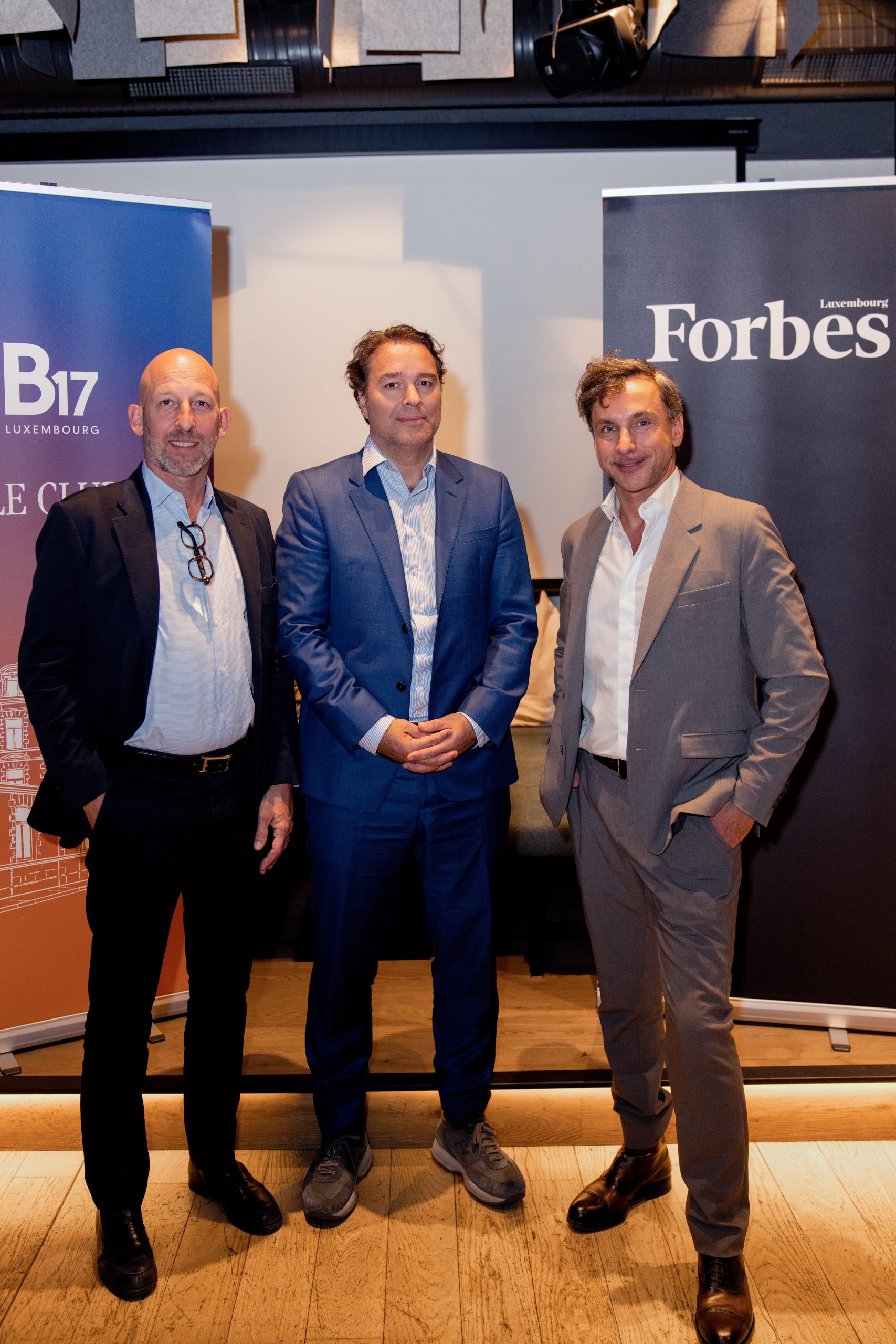
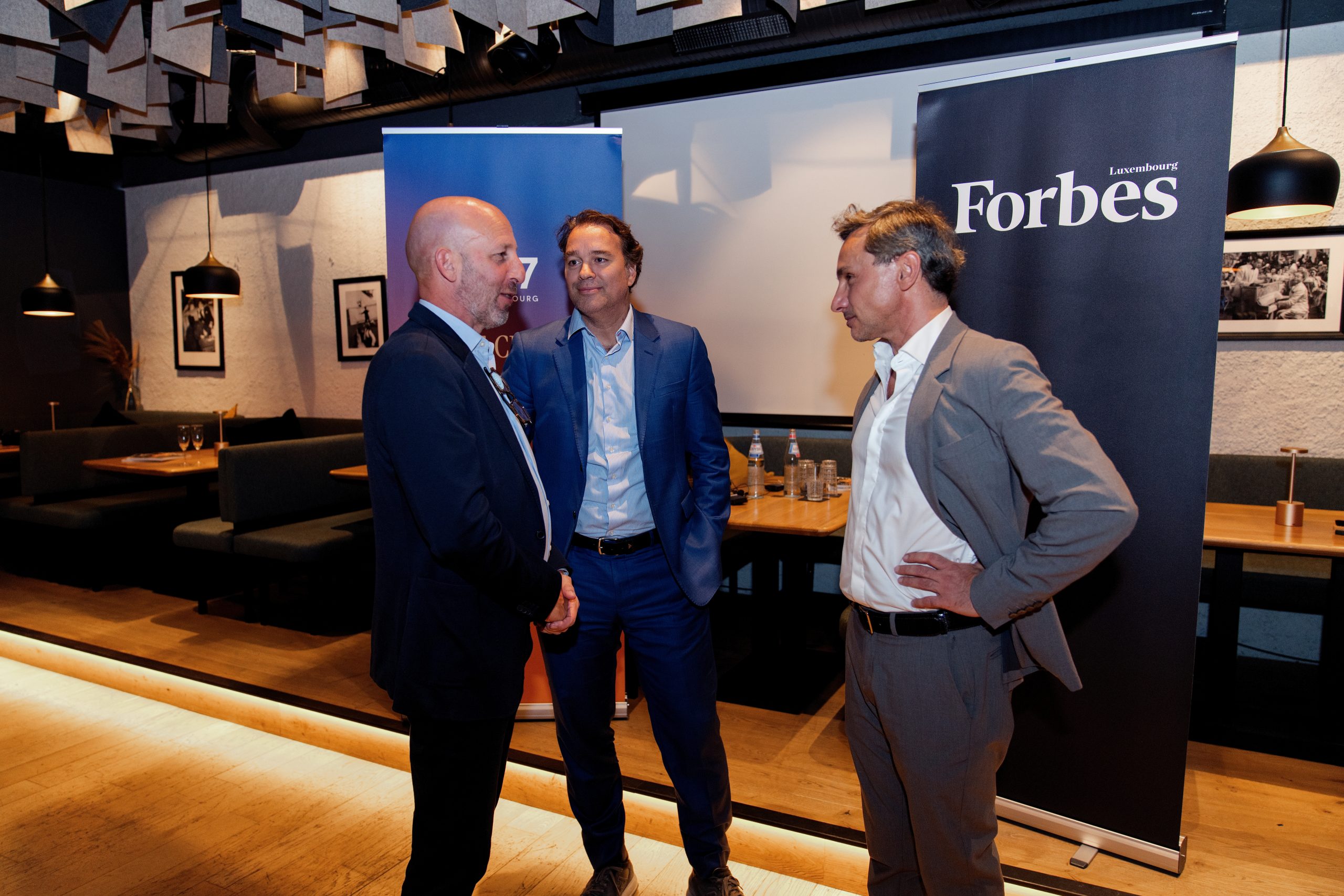
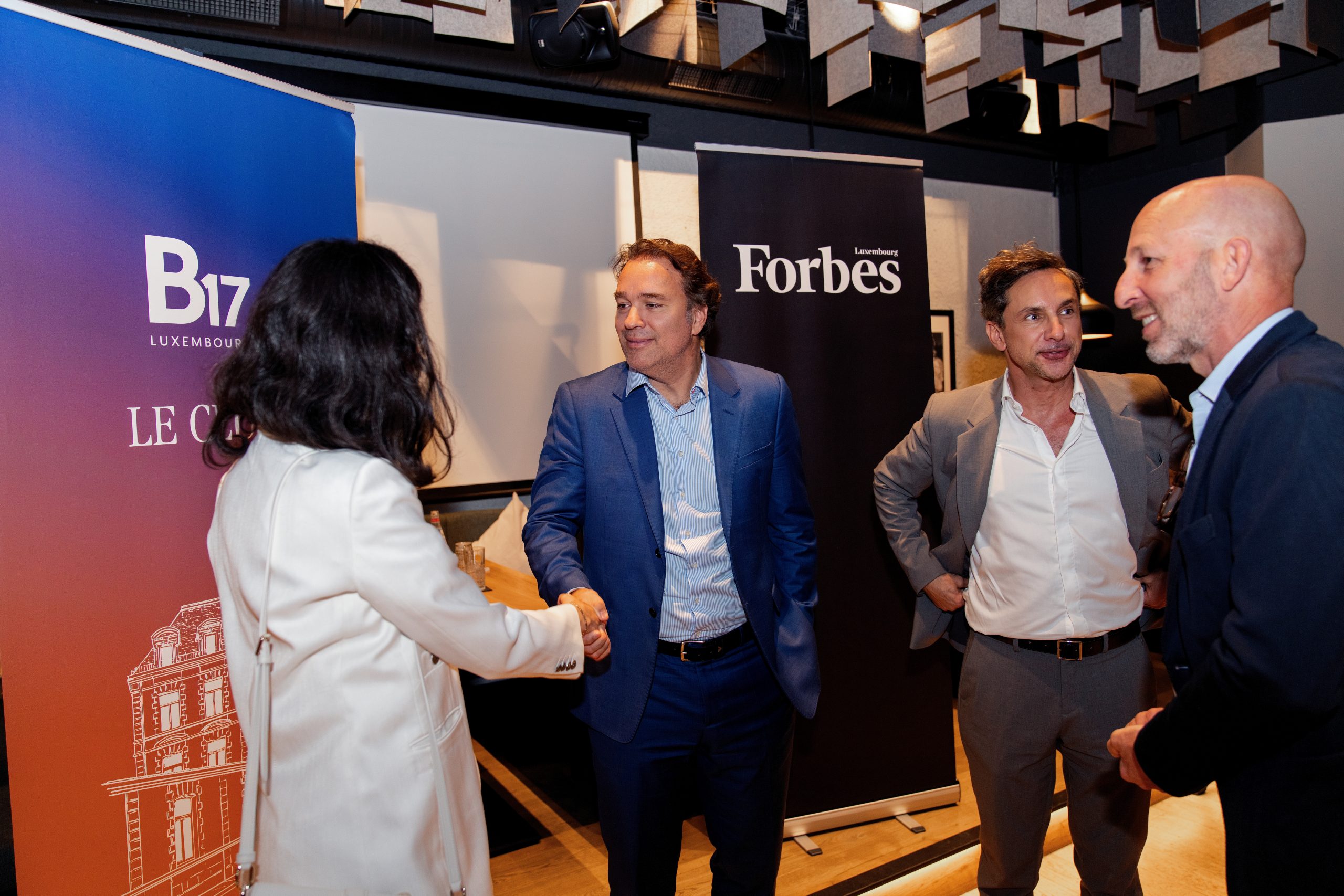
At the Talk B17 x Forbes Luxembourg event, Laurent Tapie outlined his strategy for reviving Delage: a radical hypercar, a lean manufacturing process and the ambition to transform a historic name into a global brand.
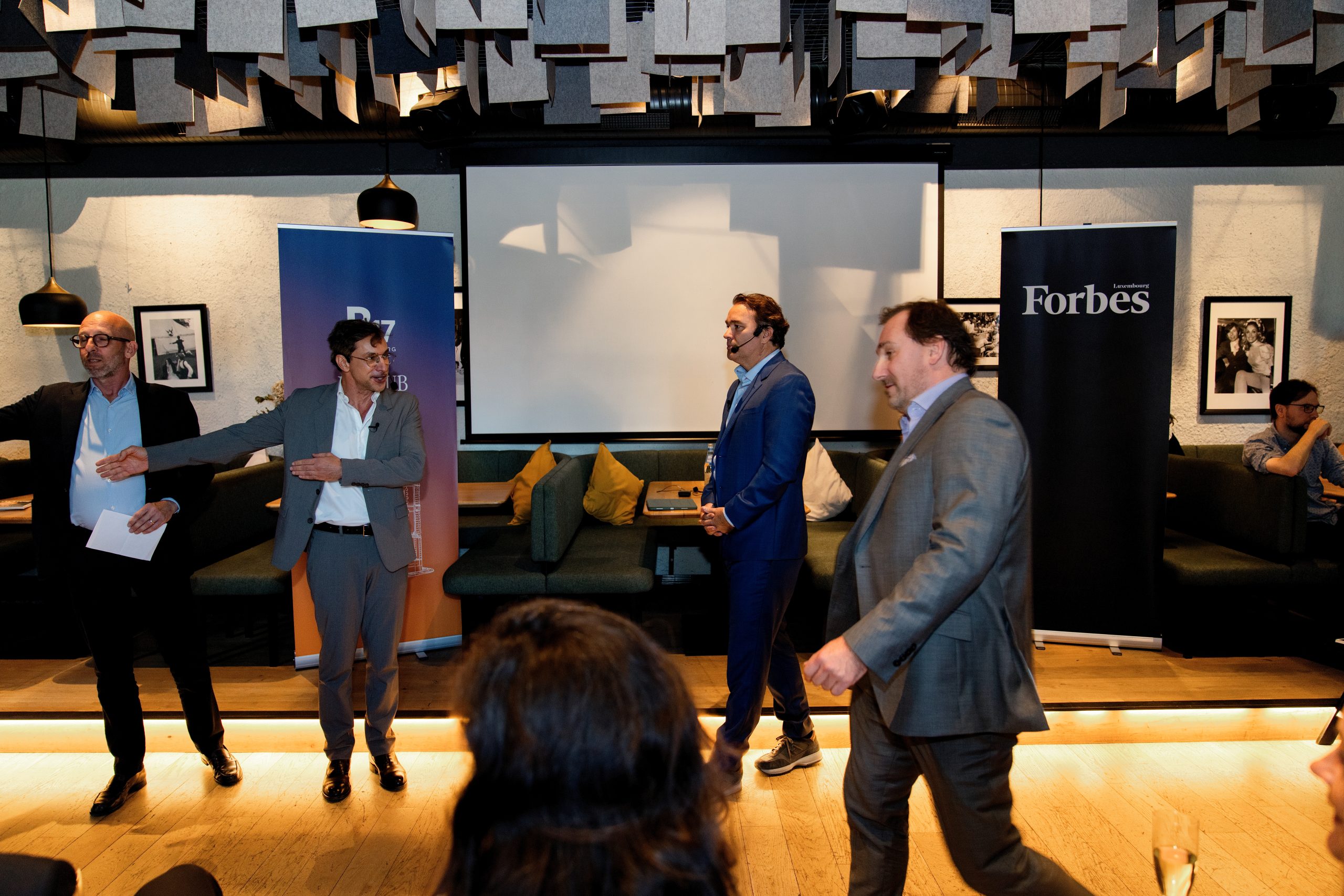
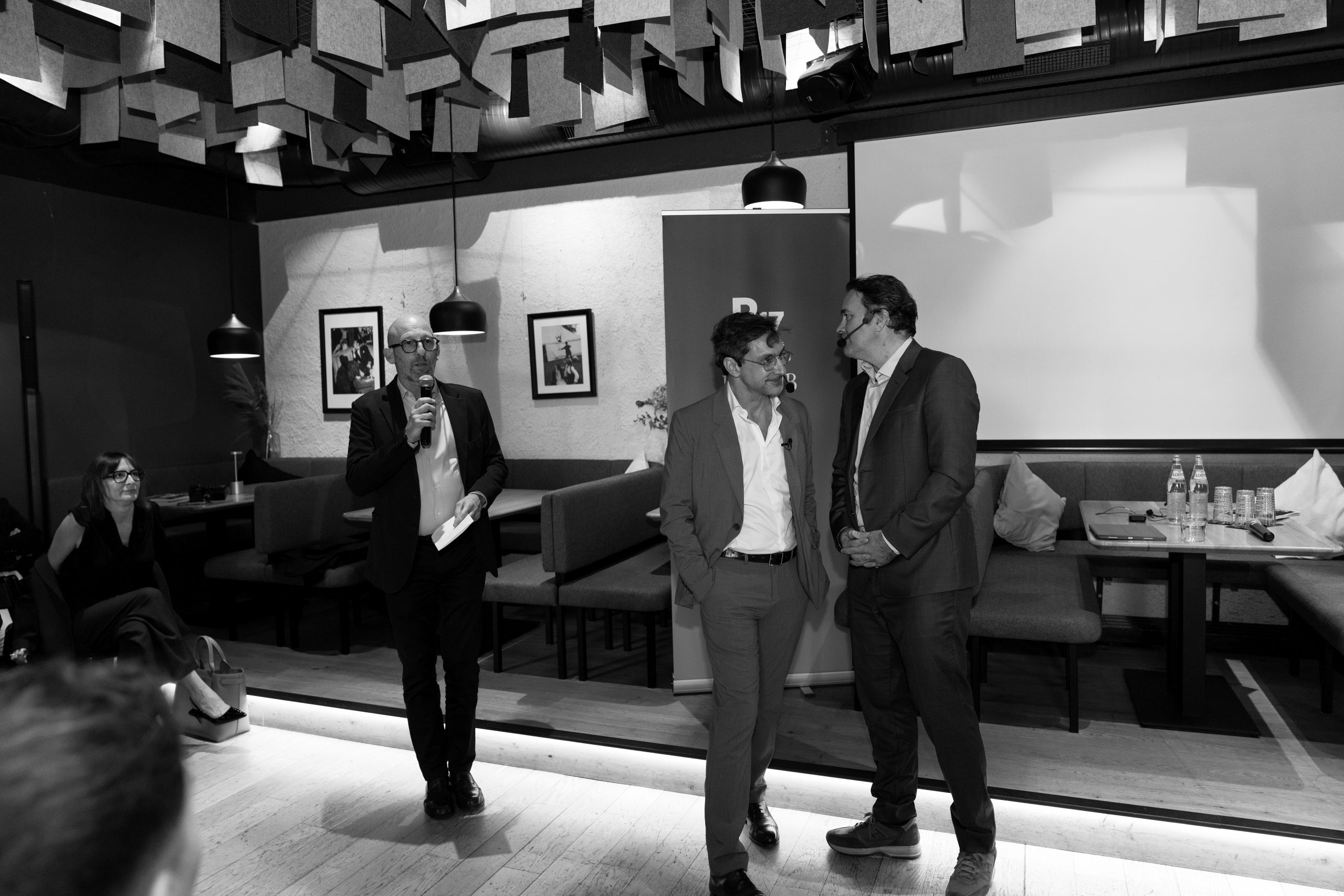
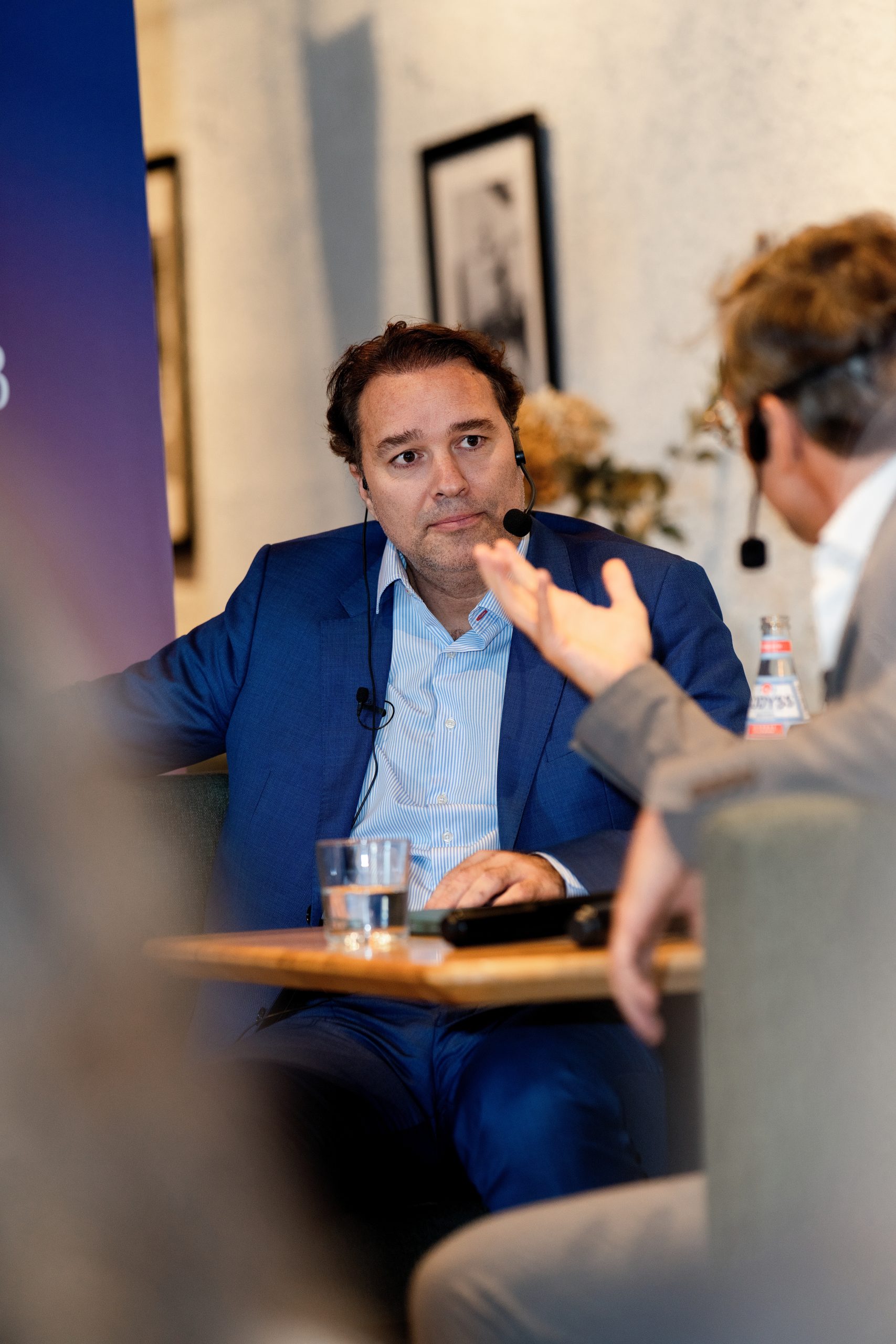
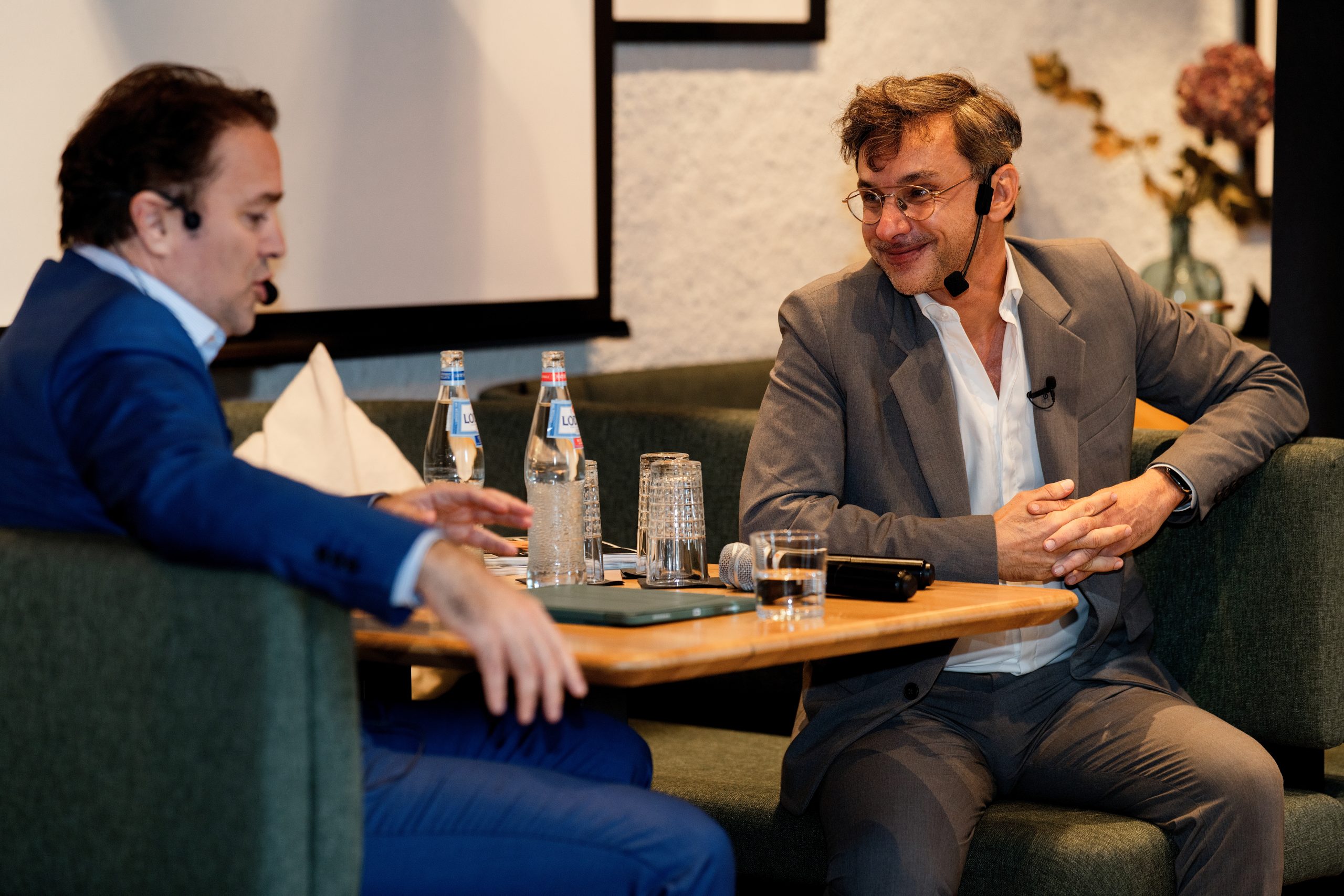
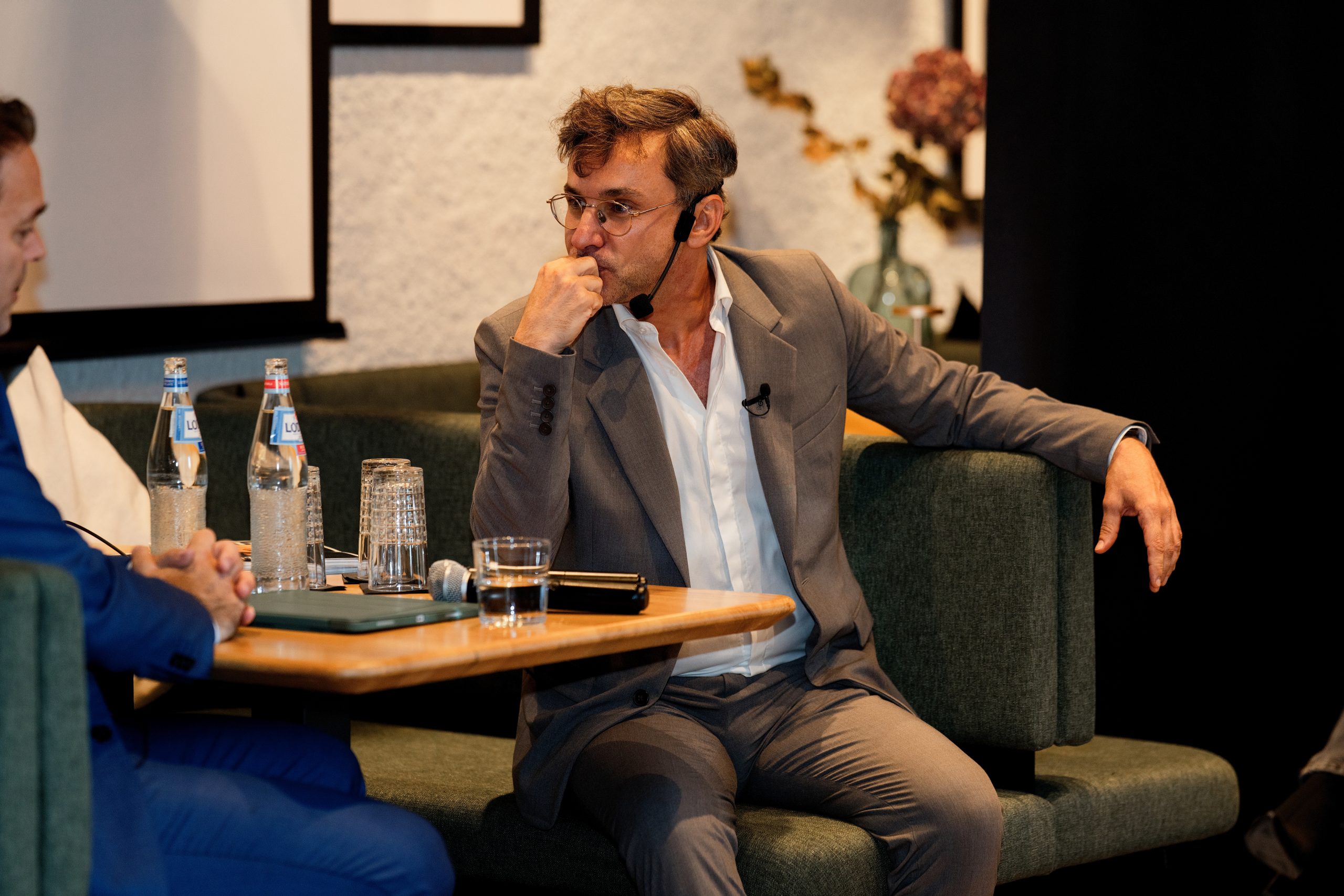
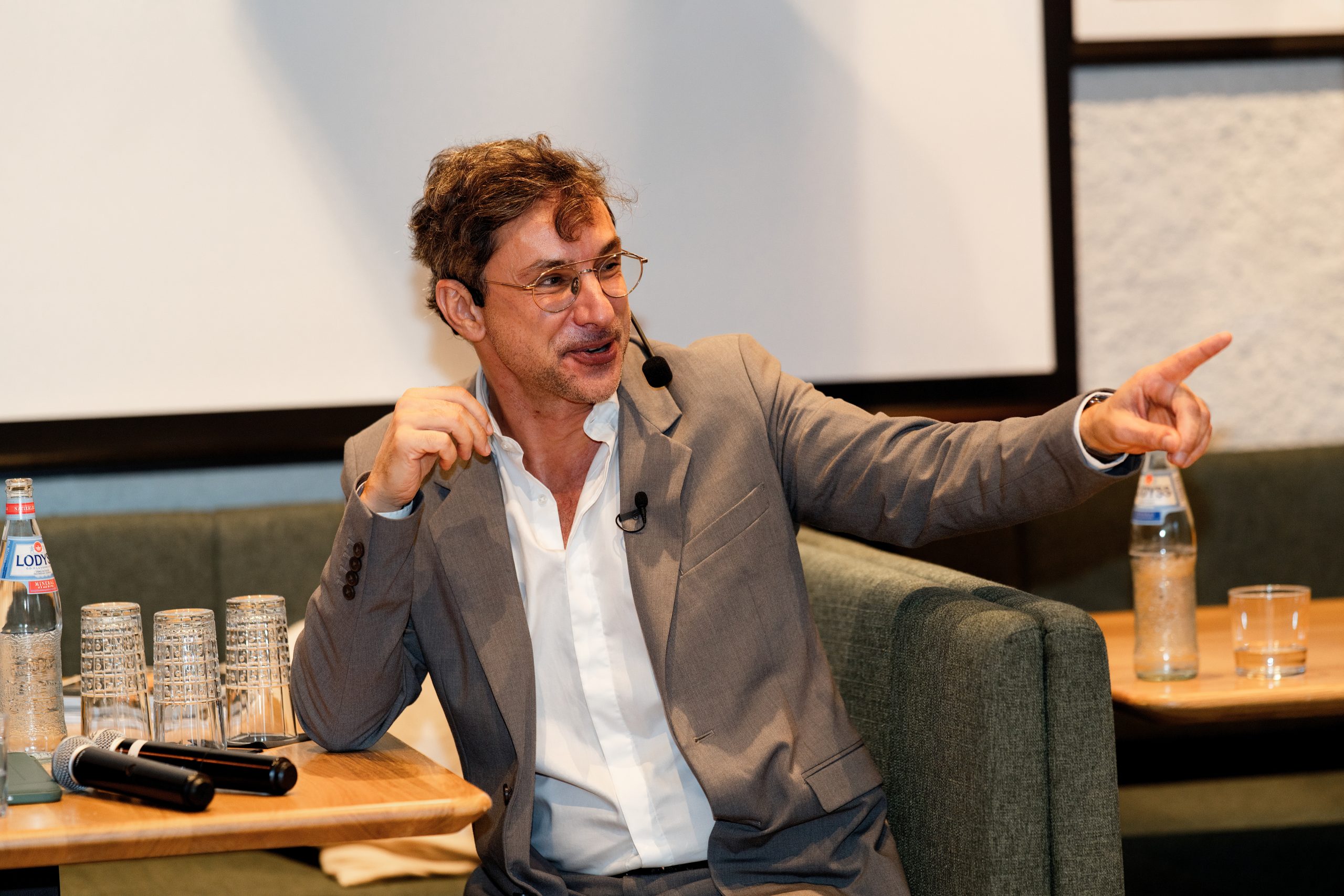
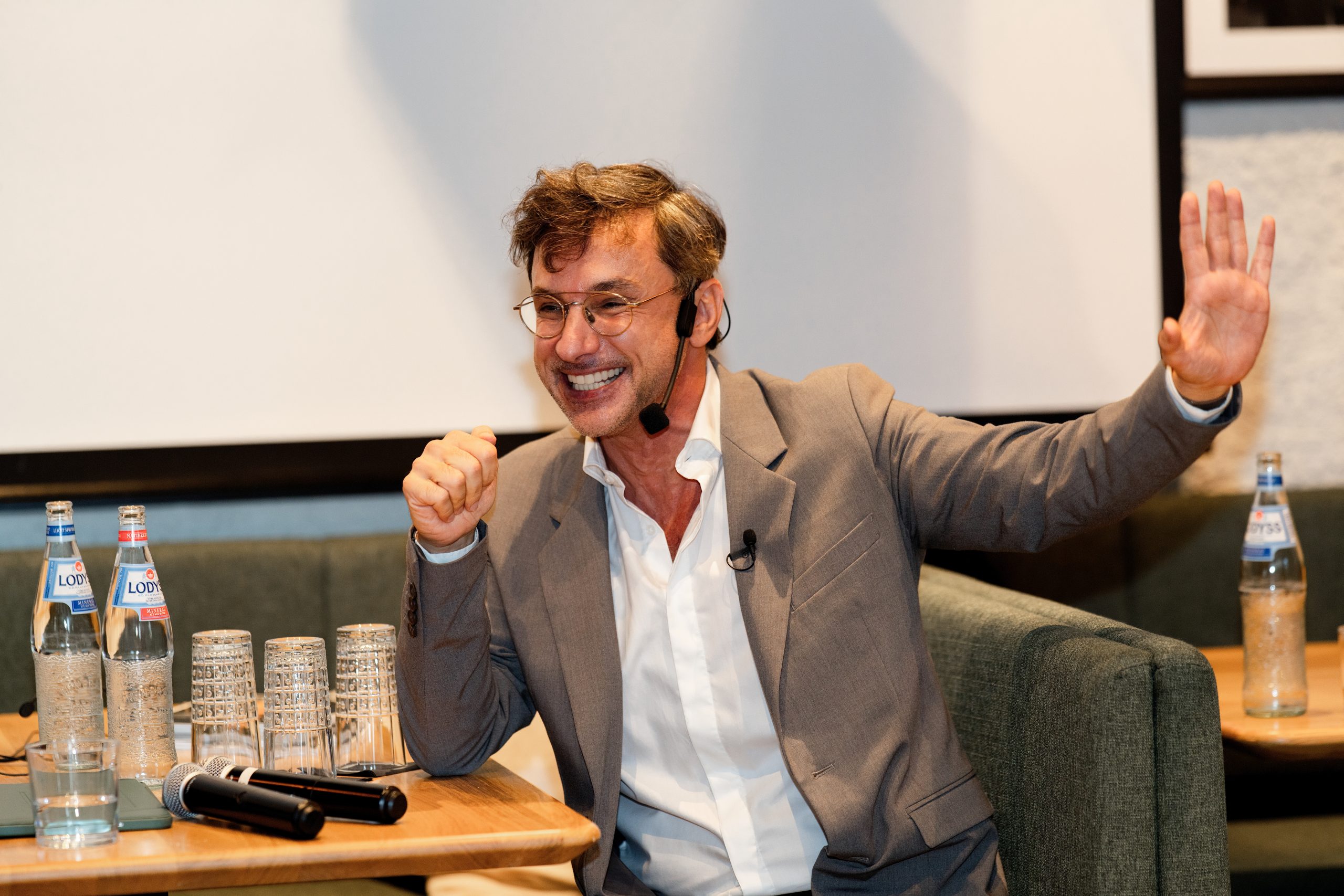
Reviving a car brand that has been defunct for over seventy years is not merely an exercise in nostalgia. For Laurent Tapie, the man behind the revival of Delage Automobiles, it is an entrepreneurial equation: identifying a profitable niche, keeping costs under control and rebuilding trust. As a guest at the Talk B17 x Forbes Luxembourg event, he spoke about a project launched in September 2018 which has now entered its production phase.
His career path sheds light on the method. In 1996, aged 21, Laurent Tapie was looking for an end-of-year work placement. Before his father’s imprisonment, he says he had a name that was difficult to work with in the world of finance: no bank would respond. So a friend suggested he set up football tournaments for the general public. The university allowed him to take up a work placement with his own company. In the first year, the low-cost tournaments attracted large crowds. Then the business model shifted: ‘We’re going to work half as much and earn twice as much,’ he told his business partner. They targeted works councils with high-end services – rarer, more expensive and highly profitable. With vision, daring and a talent for turning an idea into a business: at McKinsey, he was told he was cut out to be at the wheel, not to remain a passenger. He left two years later.
In 2018, Laurent Tapie observed the rise of hypercars. He first designed the D12, a ‘Formula 1 for the road’, before seeking a brand capable of giving it historical depth. Delage, the embodiment of the golden age of French luxury motoring, stood out as the obvious choice. The concept was unveiled in late 2019, and the prototype subsequently distinguished itself at Goodwood. The Magny-Cours factory began production in January 2025; the first D12 was delivered to the United States in December. The second is due to be delivered to Dubai.
With a production run of thirty units, the D12 is priced from two million euros excluding tax and optional extras. Laurent Tapie is pursuing a ‘niche within a niche’ strategy: targeting driving enthusiasts and collectors. Out of around a thousand hypercar buyers worldwide, he estimates his target audience at around a hundred people. “A hundred is enough, as I’m only delivering thirty,” he states. Delage prides itself on French engineering and, according to its CEO, achieves operational balance with as few as one car produced per year. The paradox is enough to raise a smile: despite its 850-chevaux V12 engine, the D12 has been awarded the French ‘vehicle of the future’ label and an eco-bonus. “We’re greener than a Tesla,” quips Laurent Tapie.
The next chapter is called the Torpille 100A. Inspired by the Delage that set a speed record in 1924, this super-GT aims to exceed 500 km/h, thanks in particular to a tyre developed exclusively with Michelin. It is set to broaden the brand’s appeal without compromising on exclusivity. Its development is at the heart of a €12.5 million fundraising campaign in two tranches. The first attracted 160 new shareholders, with an average investment of around €40.000; the second will focus on larger investors.
Laurent Tapie now wants to re-establish Delage as a permanent fixture in motorsport. In 2023, after a 73-year absence, the brand returned to the 24 Hours of Le Mans with IDEC Sport and secured pole position in the LMP2 class at the centenary race. He sees this as a powerful branding tool and is seeking a financial partner to ensure this comeback is a long-term success.
Laurent Tapie also wants to develop premium ‘club circuits’, inspired by golf clubs, as well as Delage Club & Residence venues combining a boutique hotel, a motoring club and track days, with Miami and Scottsdale in his sights.
Valued at €7 million during its first funding round, then €25 million, Delage is now estimated to be worth €62.5 million by its CEO. He is aiming to quadruple the company’s value within five years, by which time the D12 and the Torpille 100A will both feature in the catalogue and annual sales could exceed fifteen units. To provide an exit route for minority shareholders, Laurent Tapie mentions an initial public offering, the involvement of an investment fund or a partnership with a car manufacturer. But he sets one limit: “Delage is the only business I’m running with no intention of selling it.” A conviction that Laurent Tapie sums up as follows: “The additional joy of increasing the money one has at one’s disposal isn’t obvious, whereas the joy of doing what one loves is priceless.” Behind the figures, this revival is also a long-term endeavour.
Read more articles:
Luxembourg’s Fine Craftsmanship Steps Into the Light at Homo Faber in Venice
