
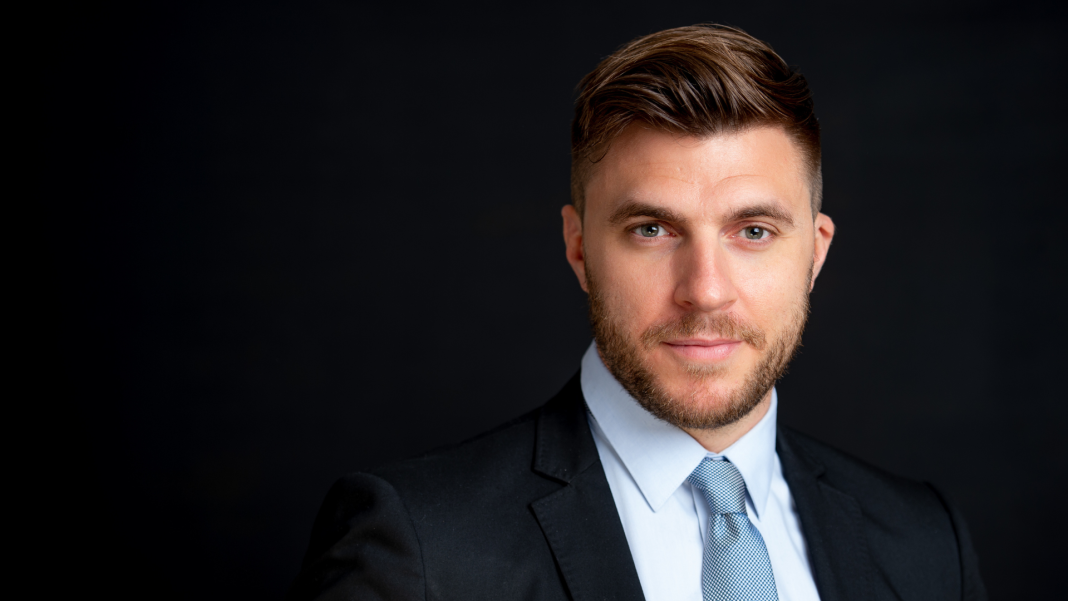
What if your staff could rehearse handling a fire, a cyberattack, or a high-stakes client pitch, without any real-world consequences? In Luxembourg, Virtual Rangers is making that possible with VR and AI-powered simulations. CEO Matthieu Bracchetti explains how his products are reshaping learning.
Immersive training represents 85% of your revenue. Which types of companies or industries benefit the most from VR and AR today?
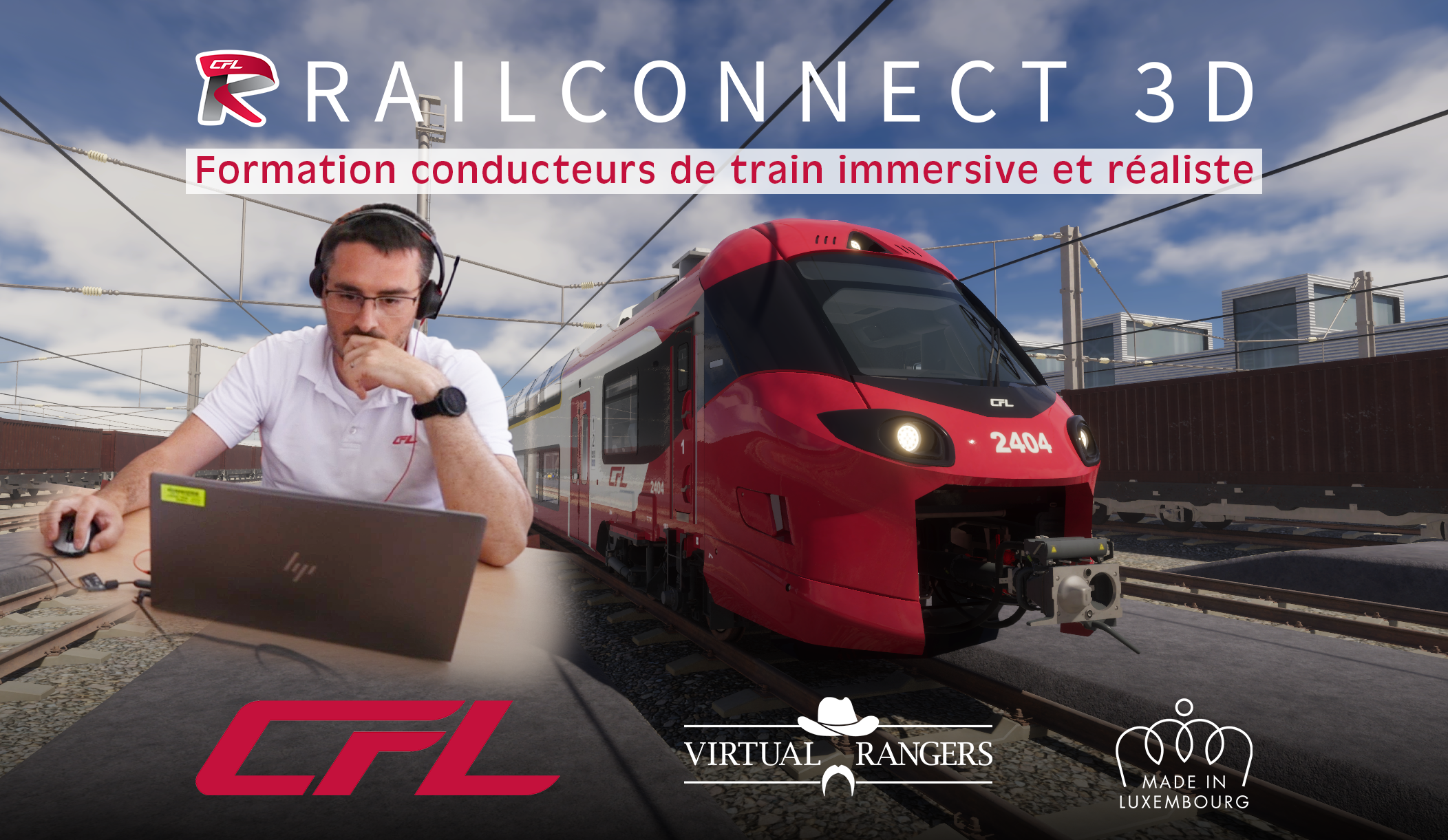
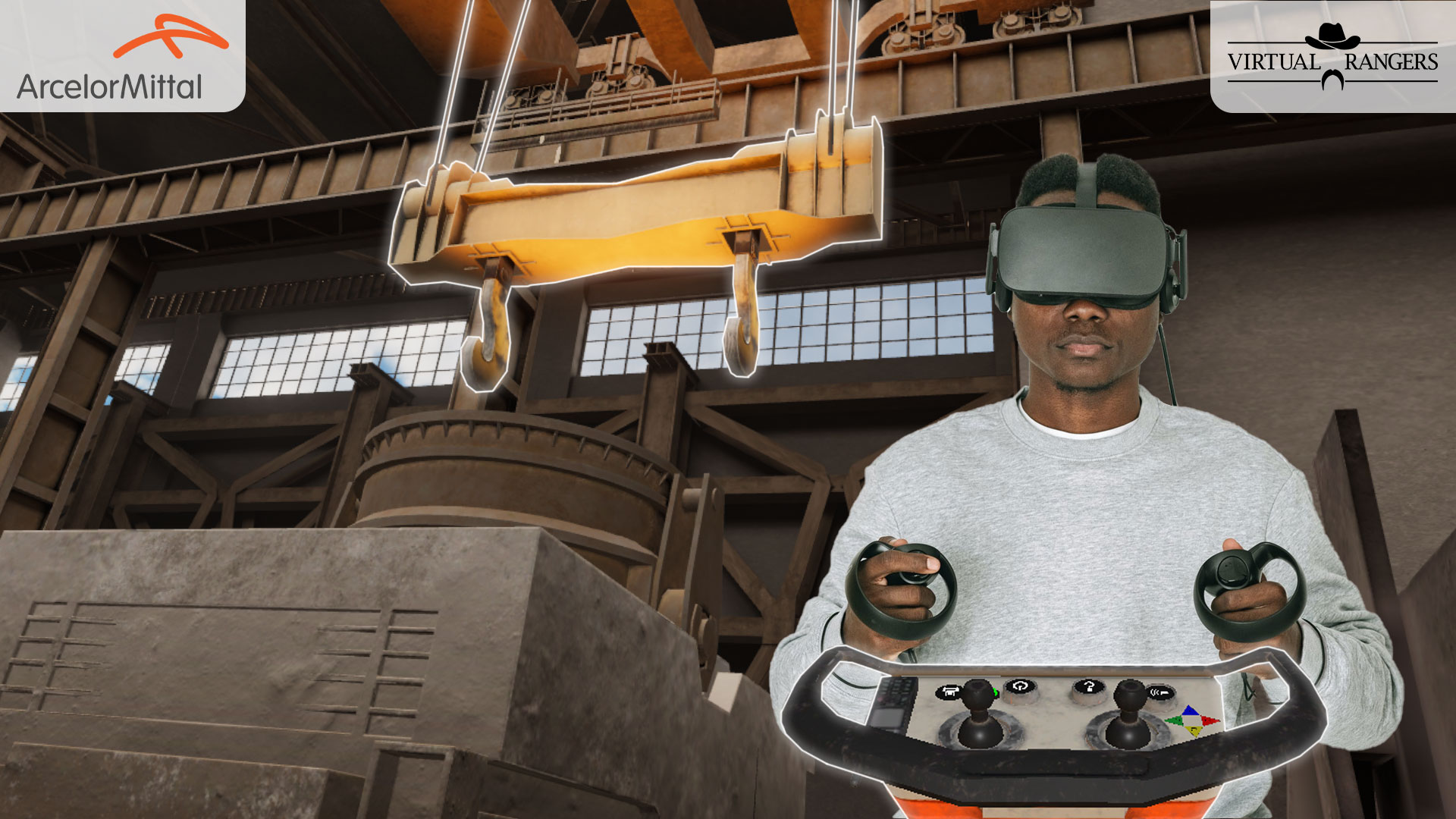
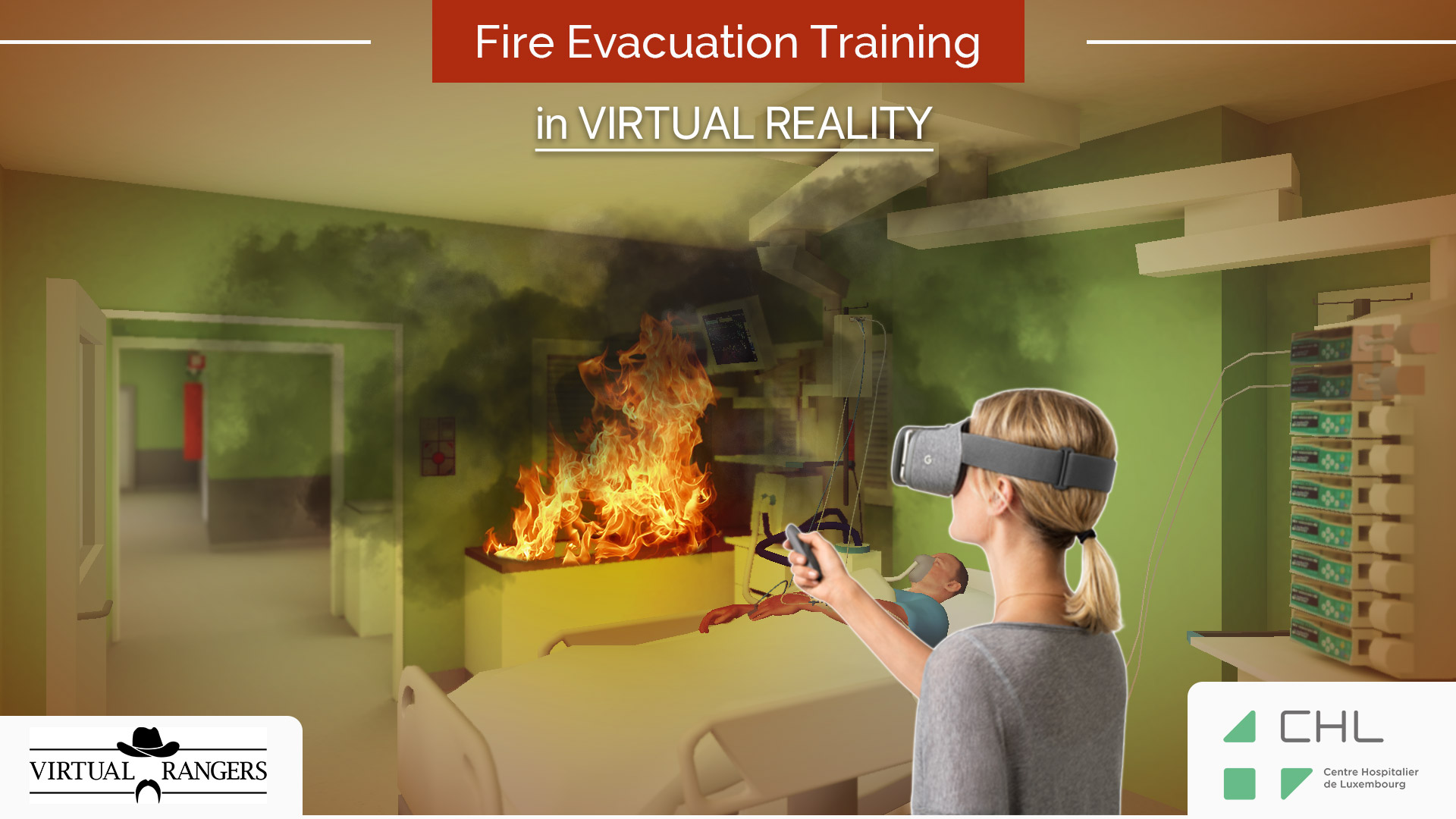
Matthieu Bracchetti: Any organisation that wants to innovate and train differently. For example, CFL trains its teams before introducing a new locomotive, CHL uses our simulations to test its staff’s fire evacuation training, and ArcelorMittal prepares employees to operate overhead cranes in VR before doing so in real life.
We also work on soft skills, for instance, public speaking training in front of a virtual audience of 1,000 people, something nearly impossible to replicate in reality. That’s especially relevant for banks, law firms, and similar sectors. Then there’s cybersecurity, a huge but complex topic because it’s neither visible nor tangible.
And what kind of solutions have you developed for cybersecurity training?
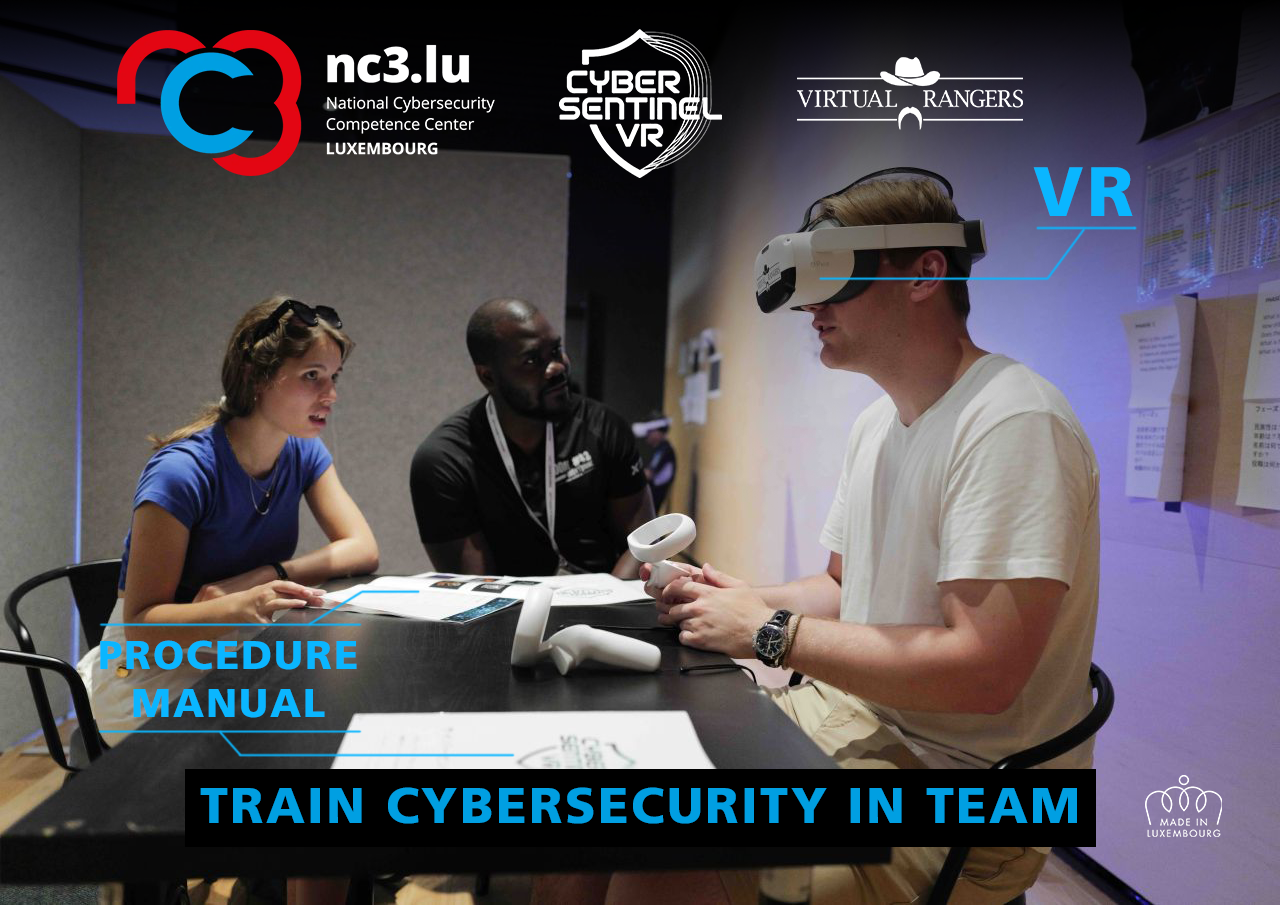
We’ve built something that hasn’t been done in Luxembourg before, even supported by the Ministry of the Economy. Instead of another PowerPoint-style session, participants are immersed in a fully equipped room with sound and lighting, facing realistic crisis scenarios.
What’s even more effective is when multiple participants experience the simulation together, handling crises and conflicts collectively, sometimes set in submarines or space stations. Multi-user immersion has become a cornerstone of our training programs, and this evolution required major investments in 2024 and 2025, with new deployments planned for 2026. We can now host up to 12 participants in the same simulation, and by coupling that with AI, we’ll go even further.
What tangible benefits do companies get from VR-based training?
In industry, it’s not about generating extra revenue, but about reducing accident risks. The “zero accident” goal remains a priority, and every measure helps get closer to it.
In the training sector, results aren’t easily quantifiable, but VR immediately reveals participants’ level of preparedness and the areas that need improvement. These technologies give a much clearer snapshot of a team’s performance and where progress is needed. For example, during fire evacuation simulations, everyone assumed the process would go smoothly. In reality, participants panicked, showing just how powerful immersive learning can be.
AI also lets us collect enormous amounts of data: in a crane simulator, for instance, we can track every gaze movement, every button pressed, every mistake made. The real benefits lie in preparation, responsiveness, and safety, rather than in direct financial gains.
What kind of expertise does your team bring together?
It depends. We’re a team of about ten people, and everything is done in-house. But for highly specialised scenarios, like crane or train simulators, we work with recognised experts and trainers, nationally or internationally. They share their knowledge with us, and we translate it into immersive learning experiences.
Over time, we’ve also built up our own expertise in certain fields, allowing us to create original scenarios. For specific technical or historical details, we consult subject-matter specialists.
Some fear that virtual reality might dehumanise the learning experience. What’s your take on that?
For us, the human element remains central. We’ve never chased financial growth for its own sake; our focus has always been on the user experience and the human side of technology. Virtual reality should be a tool for recreating situations which are impossible to reproduce in the real world. If training can be done effectively in real life, it should be. The key is to use technology to help people grow and do what they otherwise couldn’t. As long as we stay true to that philosophy, technology remains a powerful driver for learning and connection.
Read more articles:
Blind Wine Tasting, Luxembourg’s Unexpected Business Edge
