

How Luxembourg can become the premium hidden gem of European sparkling wine, according to importers and producers.
Global wine consumption is falling roughly 1% a year, with Western Europe down 10 to 20% over the past two years. Sparkling wine is the exception, the only category still growing.
Luxembourg, the only Crémant appellation outside France together with Belgium, is perfectly positioned for this trend. Yet, the country has no real wine brand, in Europe or the US. Ask a sommelier to name a Crémant and the answer is “Alsace”, never Luxembourg.
Before we dive into why this is happening, let’s look at the industry’s numbers. Data from the Institut Viti-Vinicole show 244 growers farming 1.213 hectares, with 18% of them holding 62% of land. Production hit 110.694 hectolitres in 2025, roughly 14,8 million bottles. Luxembourg exported 31.000 hectolitres and imported 205.000 (six times more than it exports), with exports at roughly 30% of production.
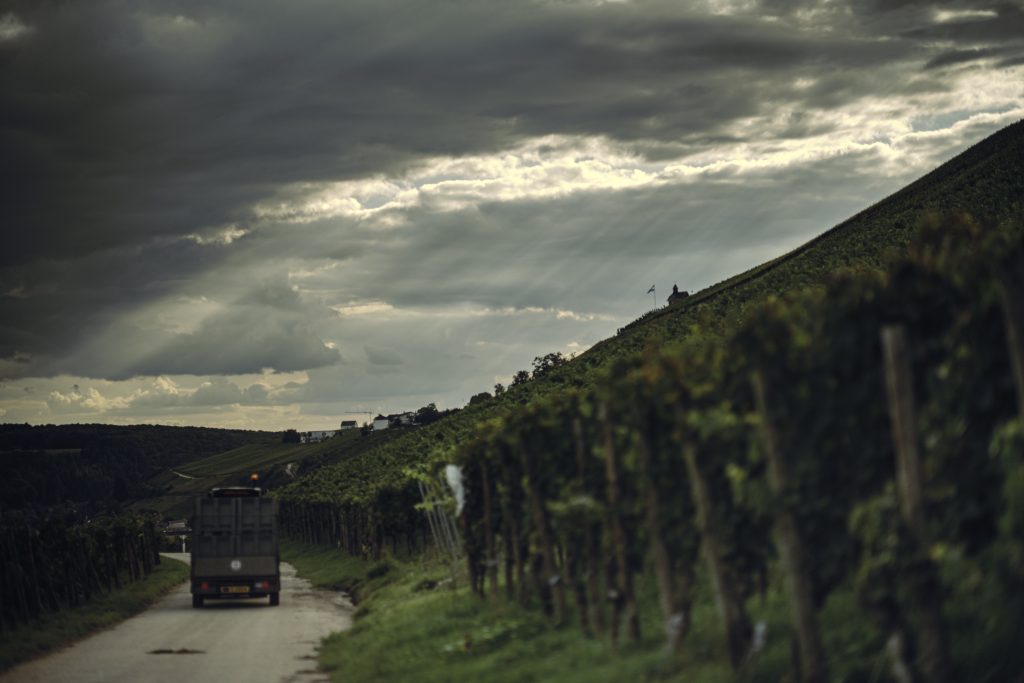
Pricing and positioning play a role. A Luxembourg Crémant can leave the winery at €8 versus roughly €3 for Alsace, and retails at around €15, against a €3,50 average for a bottle of wine in France, positioned between premium prosecco and entry-level Champagne.
Then comes branding. Producers and importers agree the country by itself does not sell, so they are building a brand around their name. “It’s not because it’s written Luxembourg, it’s because it’s written Bernard Massard,” says Antoine Clasen, CEO of the country’s largest producer. Nicolas Ruppert of Domaine Henri Ruppert says he’s marketing his wine as “Ruppert’s wine”, often withholding its origin until a buyer has decided they like it. Mike Ansay, founder of the largest US importer of Luxembourgish wine, was surprised by how little awareness there was: “[…] very few Americans walk into a restaurant or wine shop asking for a Luxembourg wine. […] we weren’t simply importing wine – we were building a category and telling the story of Luxembourg at the same time.”
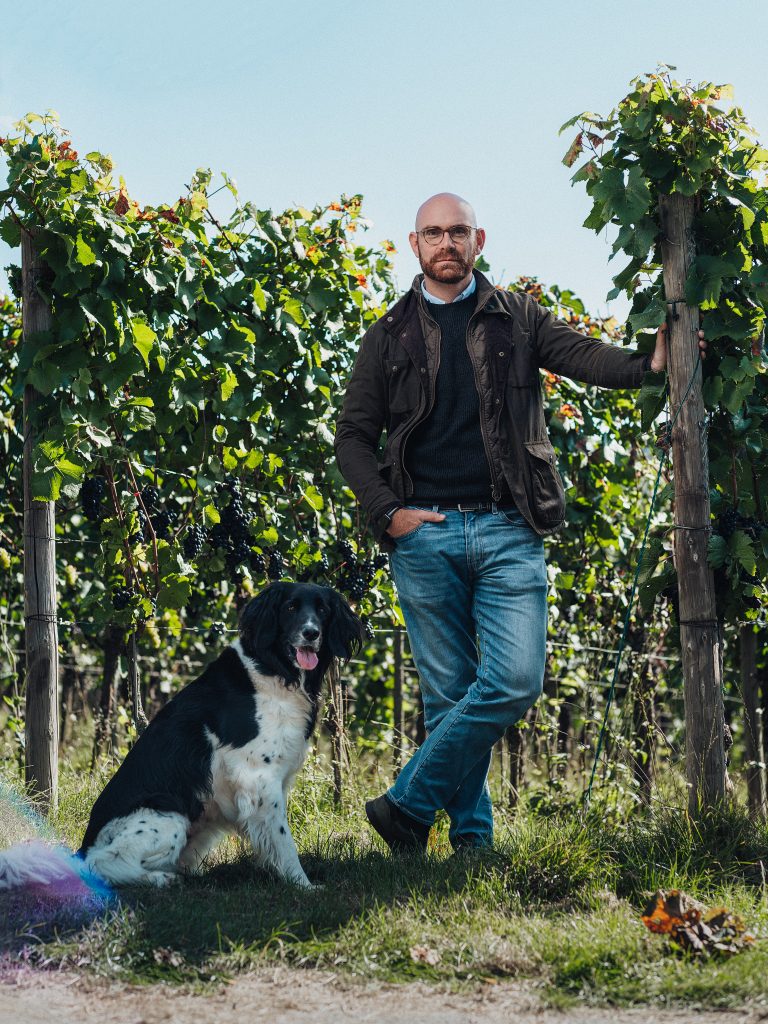
With 32 authorised grape varieties, it’s arguably difficult to build an identity around the region. Nicolas Ruppert says: “A big difference [with the German Mosel region] is that they have an identity. What is the German Mosel known for? Riesling. […] Luxembourg is the only Crémant appellation outside of France, I think this is something you can build on.”
The US market confirms this. “Crémant is the strongest opportunity,” says Tara Williams, Brand Manager at Ansay International. “[…] Crémant gives Luxembourg a differentiated, premium product with a clear story.” And this holds off-trade: a new direct-to-consumer program has already shipped to 21 states in its first few months showing that “demand exists once we remove the barrier of accessibility.”
Luxembourg is well placed to grow as a wine region, but is still early in its international appeal. Belgium, largely underserved by producers, would be the obvious first stepping stone. Yet few producers have the capacity to think about expansion, and most are comfortable staying local: “The one moment your local market is saturated, you need to sell abroad,” says Nicolas Ruppert. “Today we are in a situation where we don’t have a lot of wine to sell because we sell very easily.”
That might change. With a generational shift underway, vineyards are starting to come up for rent and sale for the first time in years, opening new rooms to grow. What’s missing isn’t appellation, quality, or a proven market, but rather more producers willing to run the playbook already working at home, building the brand before the country name. Luxembourg doesn’t need to convince the world it makes great wine. It needs more producers willing to find out the world would buy it.
Read more articles:
How Julien Cliquet Built A Decade Of Culinary Artistry
Luxembourg’s Fine Craftsmanship Steps Into the Light at Homo Faber in Venice
