
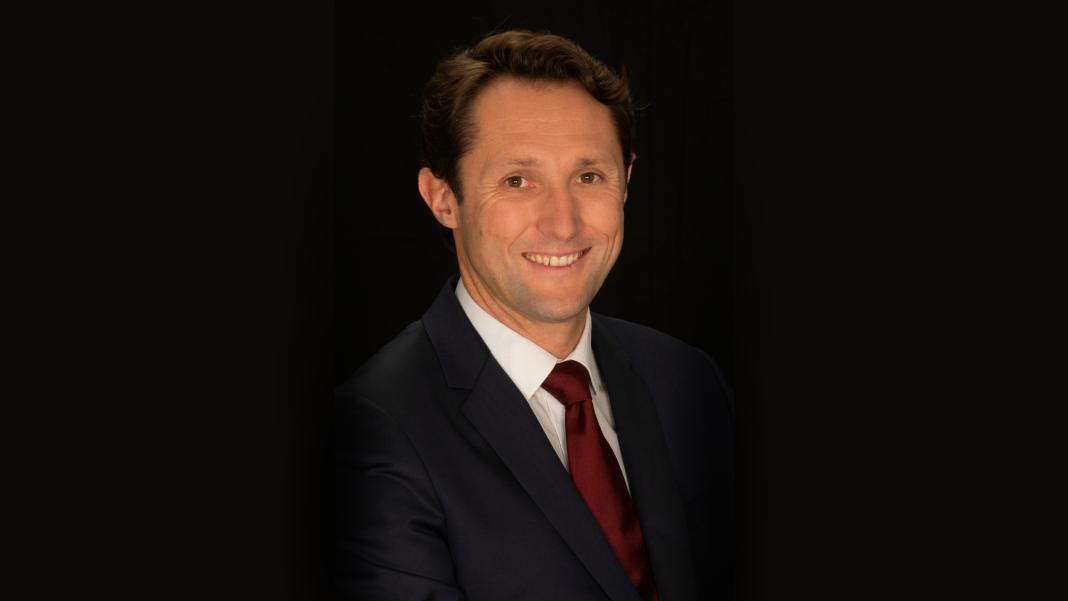
In a global environment defined by record levels of debt, persistent inflation and an accelerating energy and digital transition, Alexandre Carrier, manager of the Strategic Resources fund at DNCA, explains why gold and industrial metals are emerging as strategic assets for portfolio diversification and protection against macroeconomic uncertainty.
“We are entering a new era with a unique geopolitical, monetary and energy backdrop”, Carrier says. Designed to address these structural shifts, Strategic Resources is a fund offering direct exposure to commodities, structured as UCITS compartments and distributed in Belgium and Luxembourg. Unlike traditional strategies that invest in mining companies, this fund provides indirect exposure to metal prices through futures markets, which eliminates company-specific risk. “We wanted exposure to the underlying assets, not to the companies themselves”, the fund manager explains.
Gold is central to this strategy. All the gold ever mined amounts to around 220,000 tonnes and annual production adds only about 1.5 per cent to global supply. “In the short term, gold is expensive, but emerging market central banks remain underexposed and private investors typically hold only about 3 per cent of their portfolios in gold”, Carrier notes. In a world where public debt is surging, with the United States at 38 trillion dollars and Japan at 10 trillion, and where deficits continue to widen, gold is becoming an essential protection asset. Monetary creation and low interest rates further reinforce demand.
Beyond gold, industrial metals sit at the heart of both the energy transition and digital transformation. “An electric vehicle contains four times more copper than a conventional car, and electric vehicle production in China will increase from 17 to 30 million units in the coming years”, explains Carrier. Energy consumption and material needs are also accelerating with the expansion of data centres and artificial intelligence. “An AI query consumes ten times more electricity than a standard Google search”, he highlights.
Several materials remain significantly undervalued. Rare metals used in catalytic converters, such as platinum and palladium, as well as tin, which is indispensable for micro-soldering in semiconductors, face rising demand against constrained production. “Without tin, there are no printed circuit boards and no microprocessors”, Carrier points out. Their geographic concentration and technical necessity make these metals strategic and difficult to replace.
The fund is structured with 40 per cent precious metals and 60 per cent industrial metals, with tactical overweighting depending on market conditions. “At the moment, we are slightly overweight gold, silver, copper and tin in order to capture both protection and structural growth”, Carrier explains. This positioning provides diversification that is weakly correlated with equities and bonds, addressing the growing need for resilience in an increasingly volatile and complex market environment.
In summary, Strategic Resources positions itself as a tool for diversification and protection, built on the scarcity and indispensability of commodities in a world where technological and energy demand will continue to surge. “The more we innovate, the more we consume. The energy and digital transitions are driving massive and unavoidable demand for raw materials, and this is what we aim to capture for our investors”, Carrier concludes.
Read more articles:
Behavioural Origination: Following Insiders To Anticipate The Market
Inside Luxembourg’s Housing Surge
R-co Valor: The High-Conviction Fund That Embraces Total Freedom