

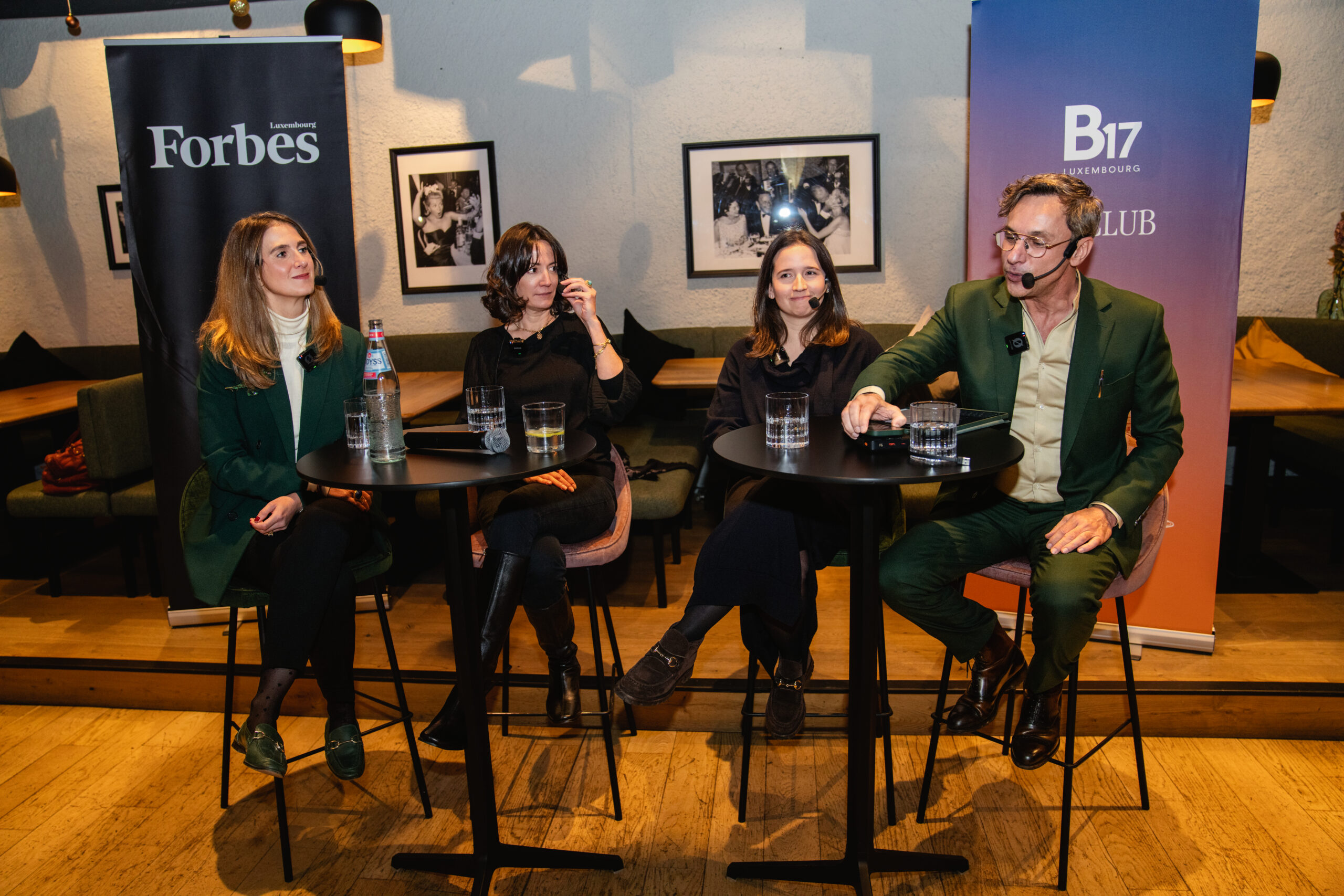
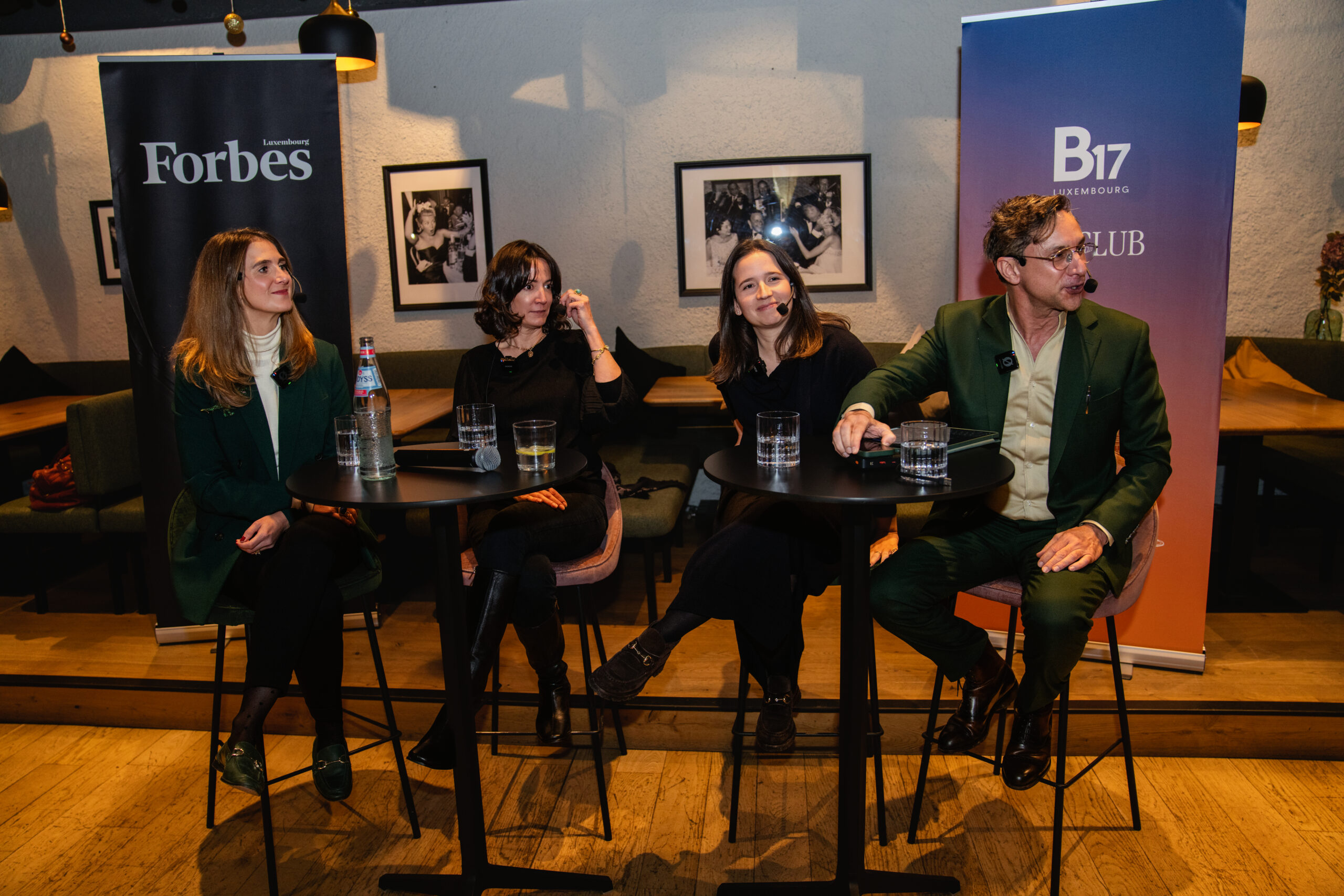
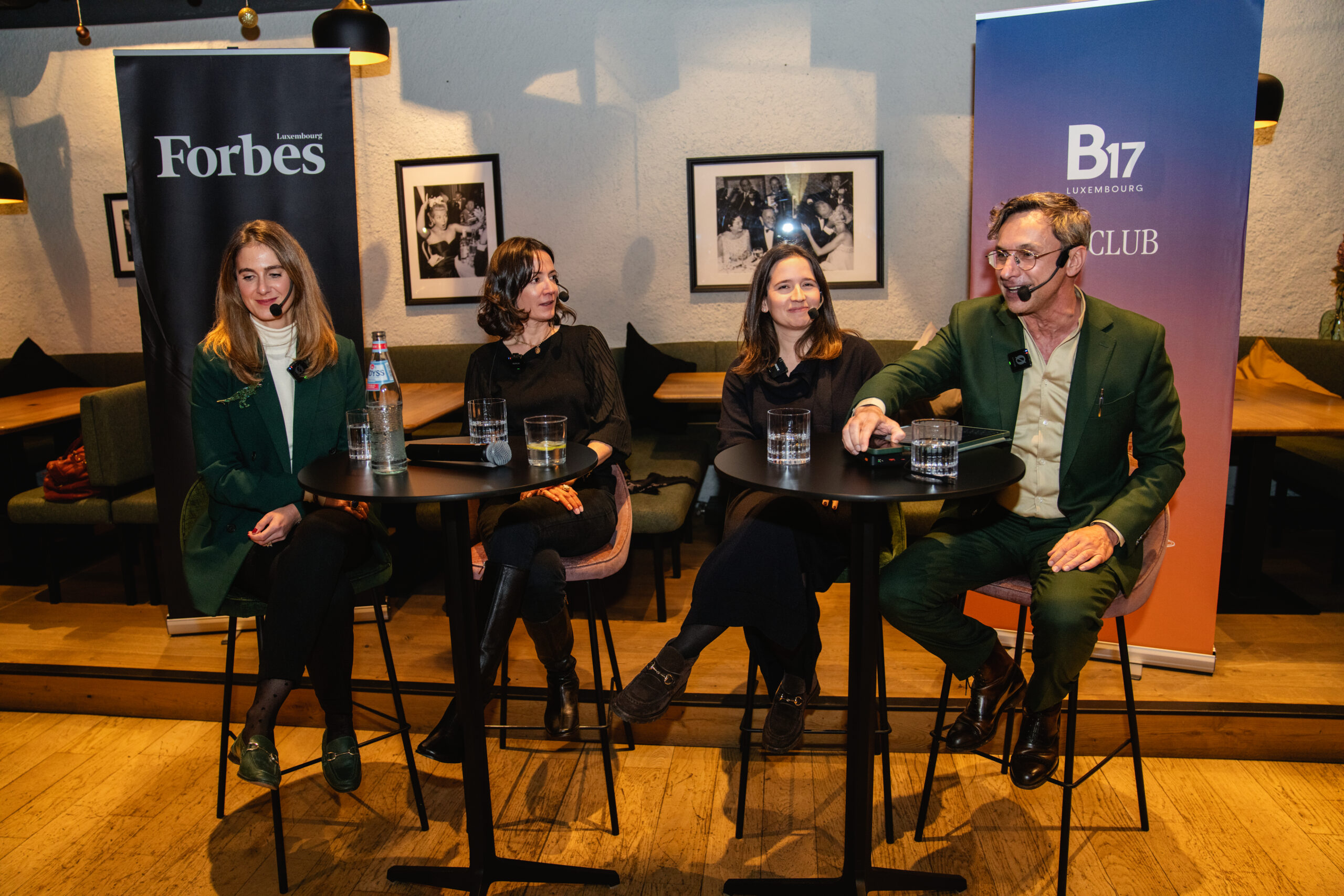
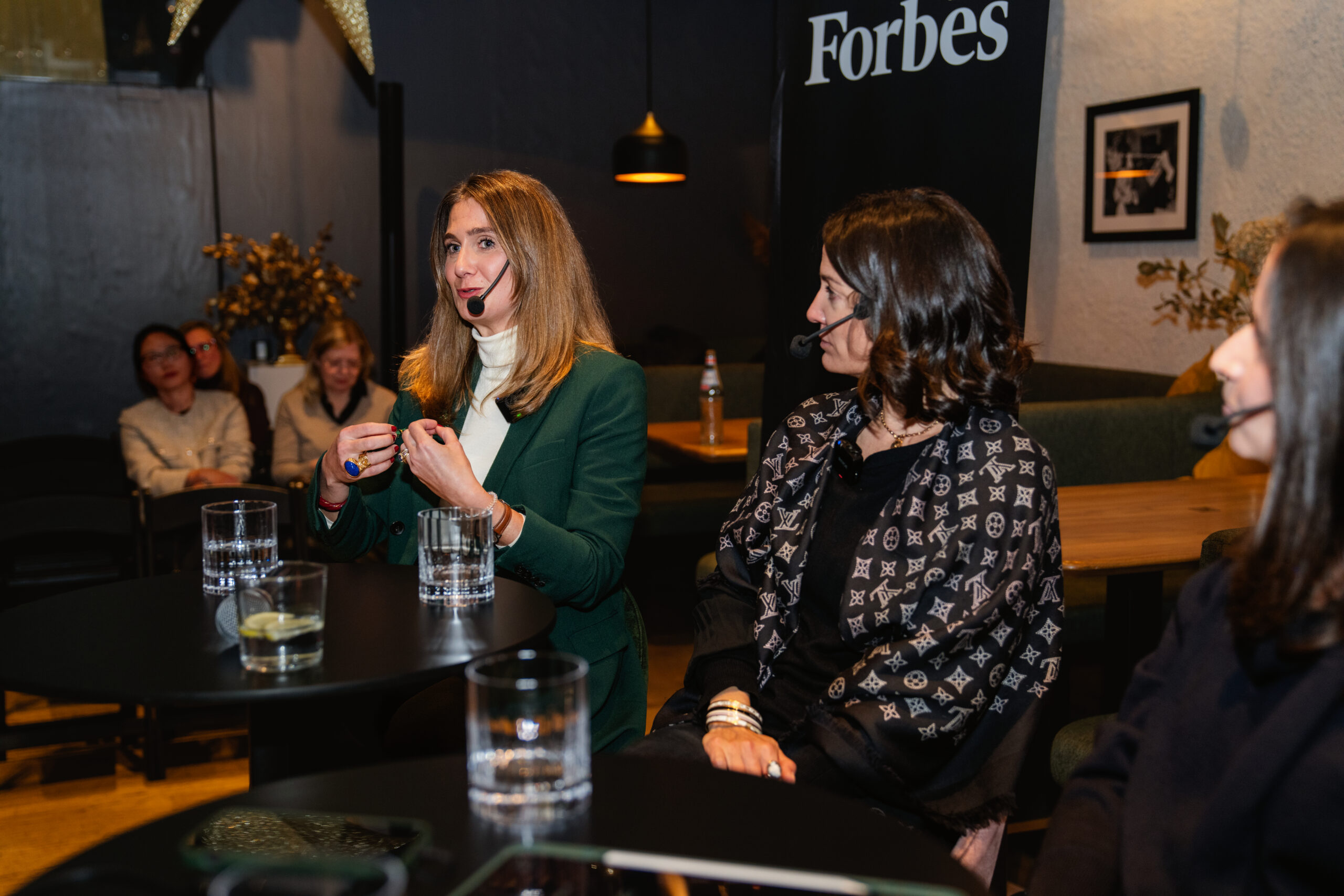
An art fair director, a gallerist and a specialist in the secondary market provide insights into the same market that recently turned a collector’s 1990s collection worth €5.000 into €6 million, and another collector’s €10 million collection into €700.000.
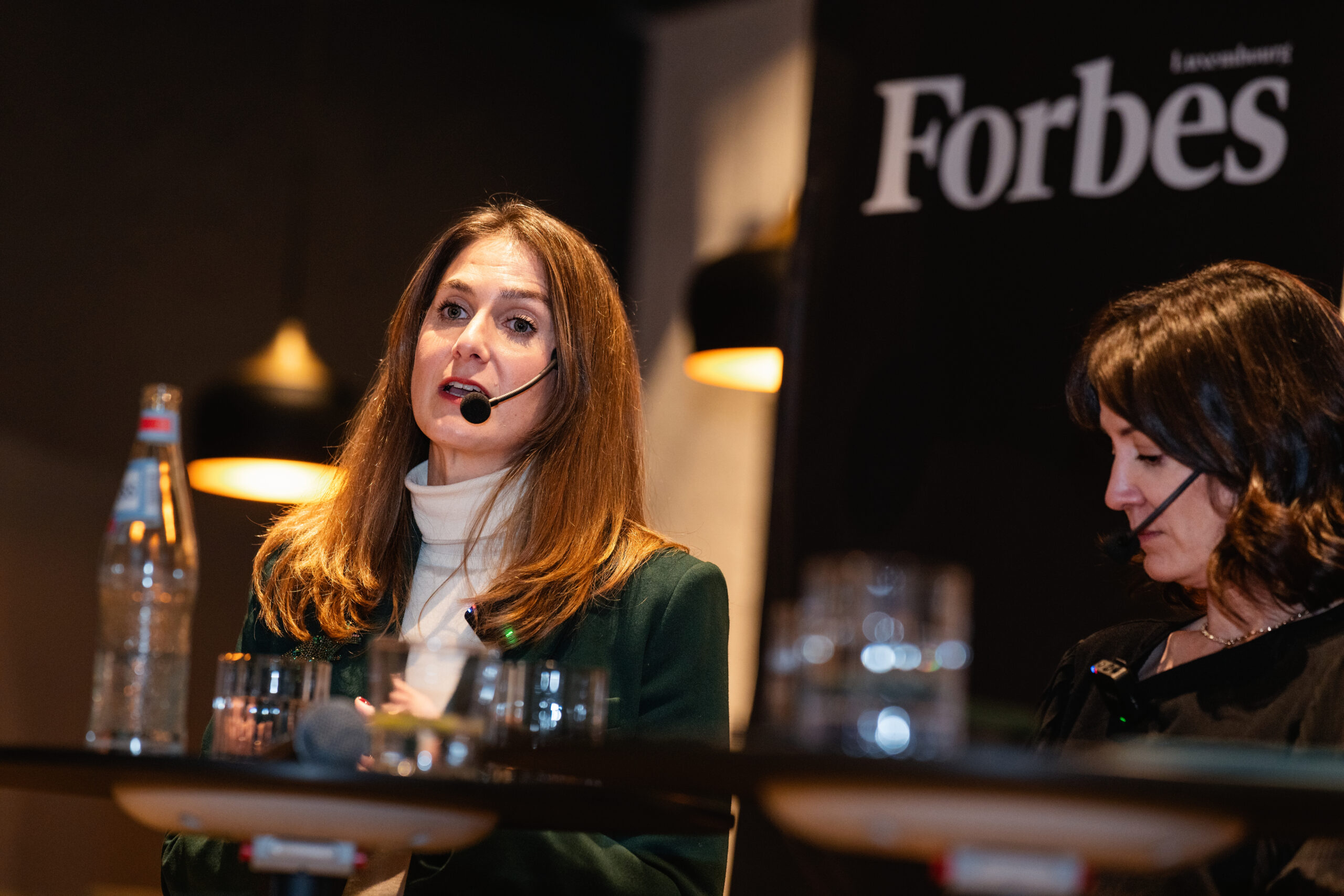
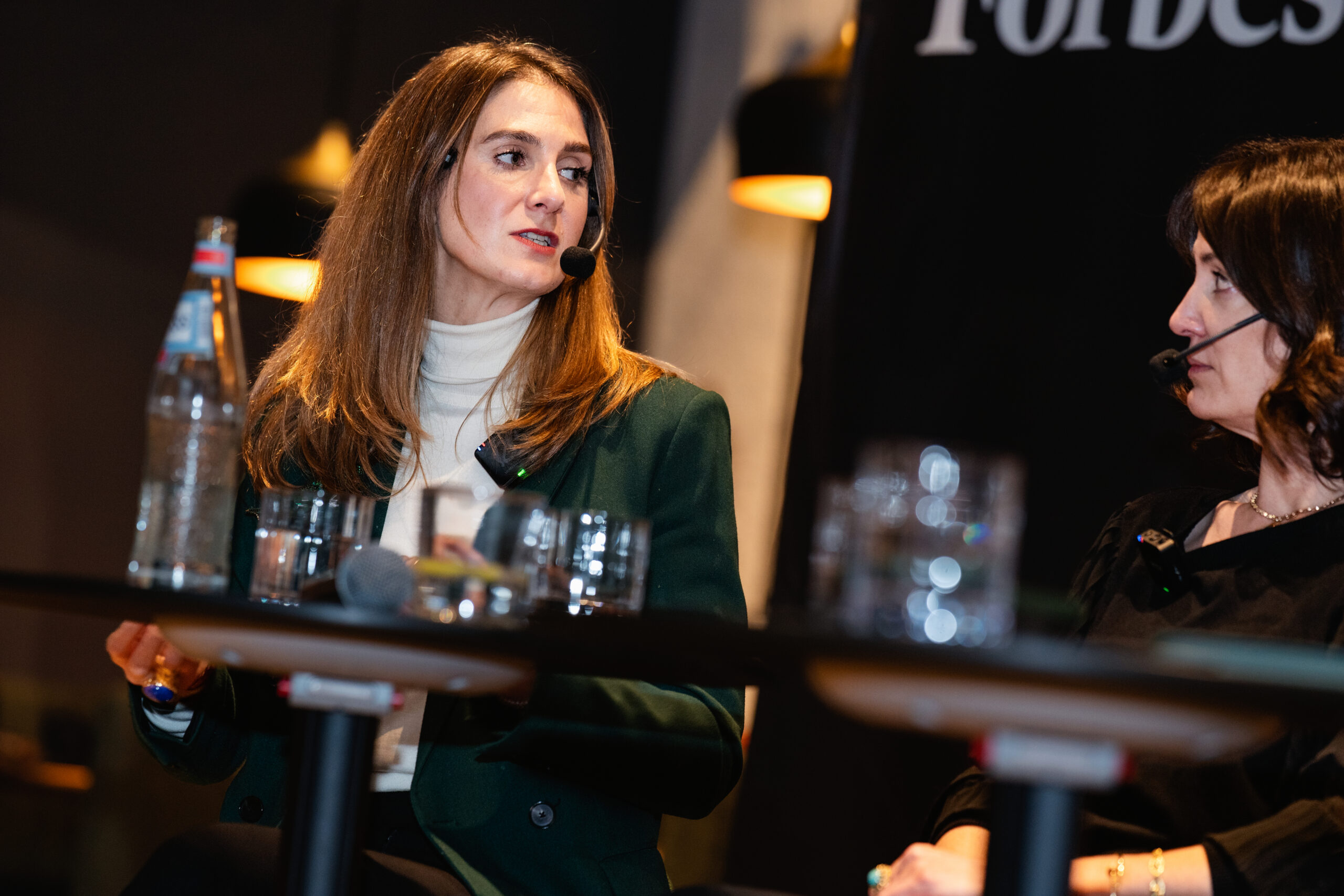
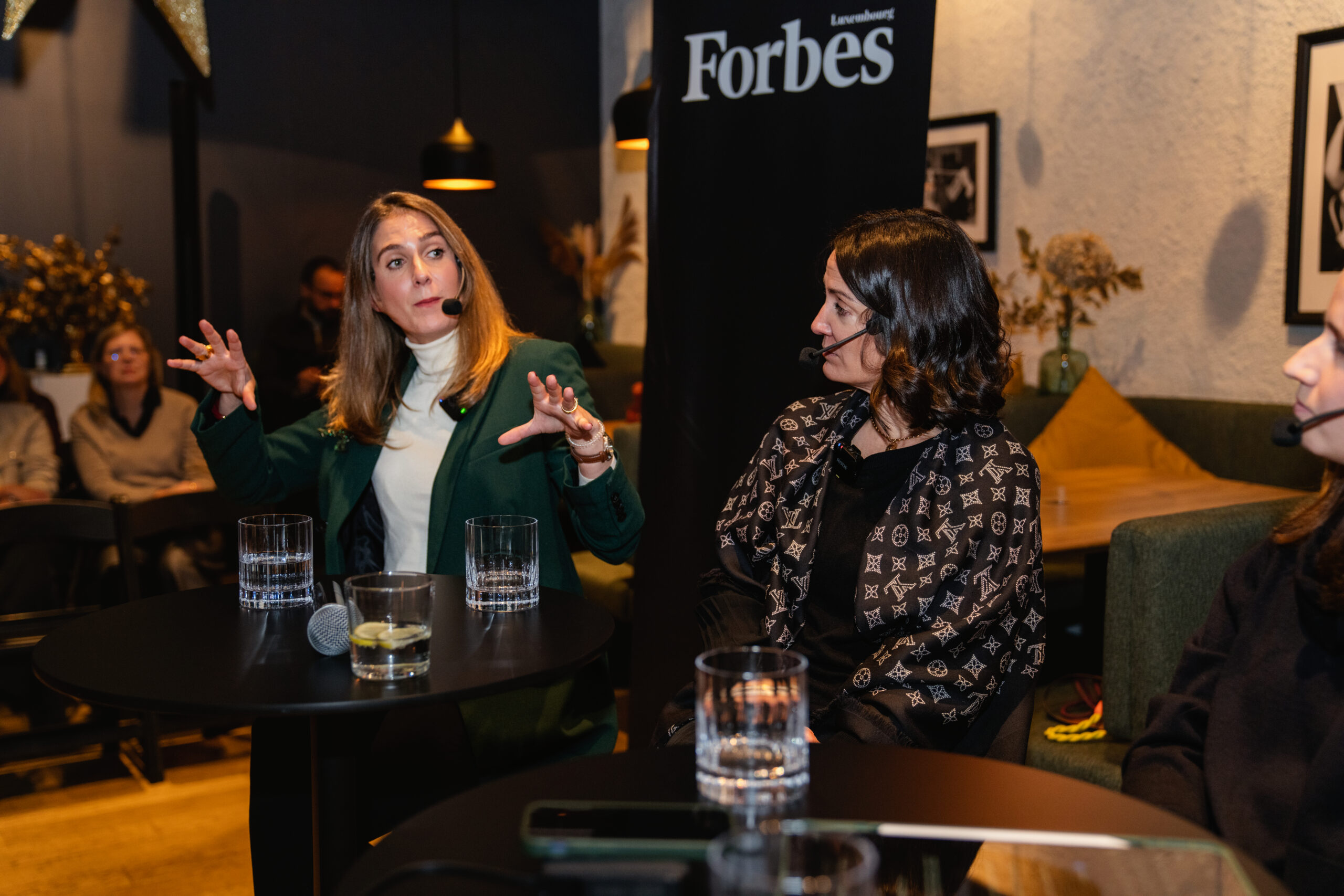
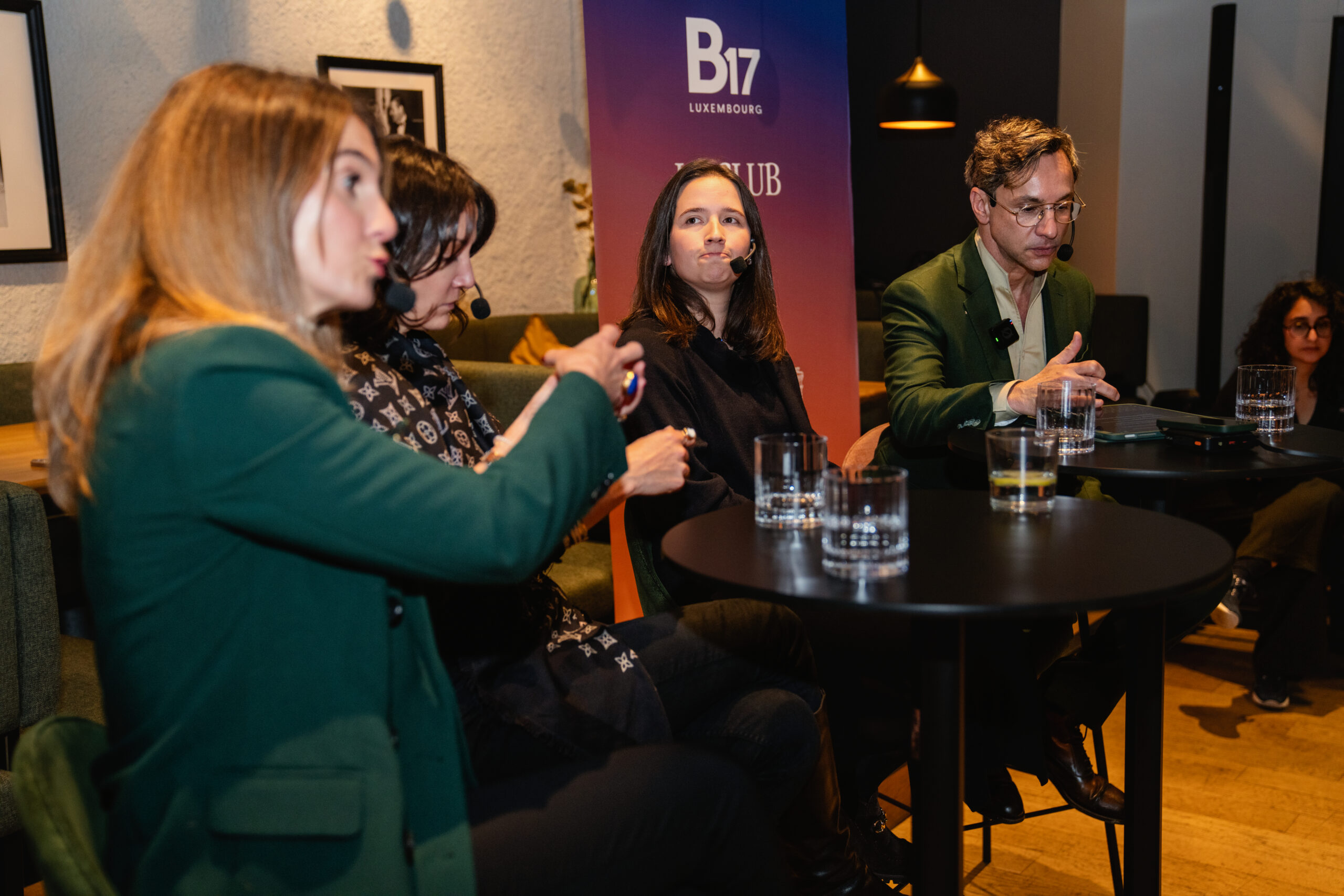
The distinguishing factors between the two were the choices made, the movement of the market, as well as the artists selected and how well the collectors were guided, says Pauline Haon, Benelux Director of The Fine Art Group.
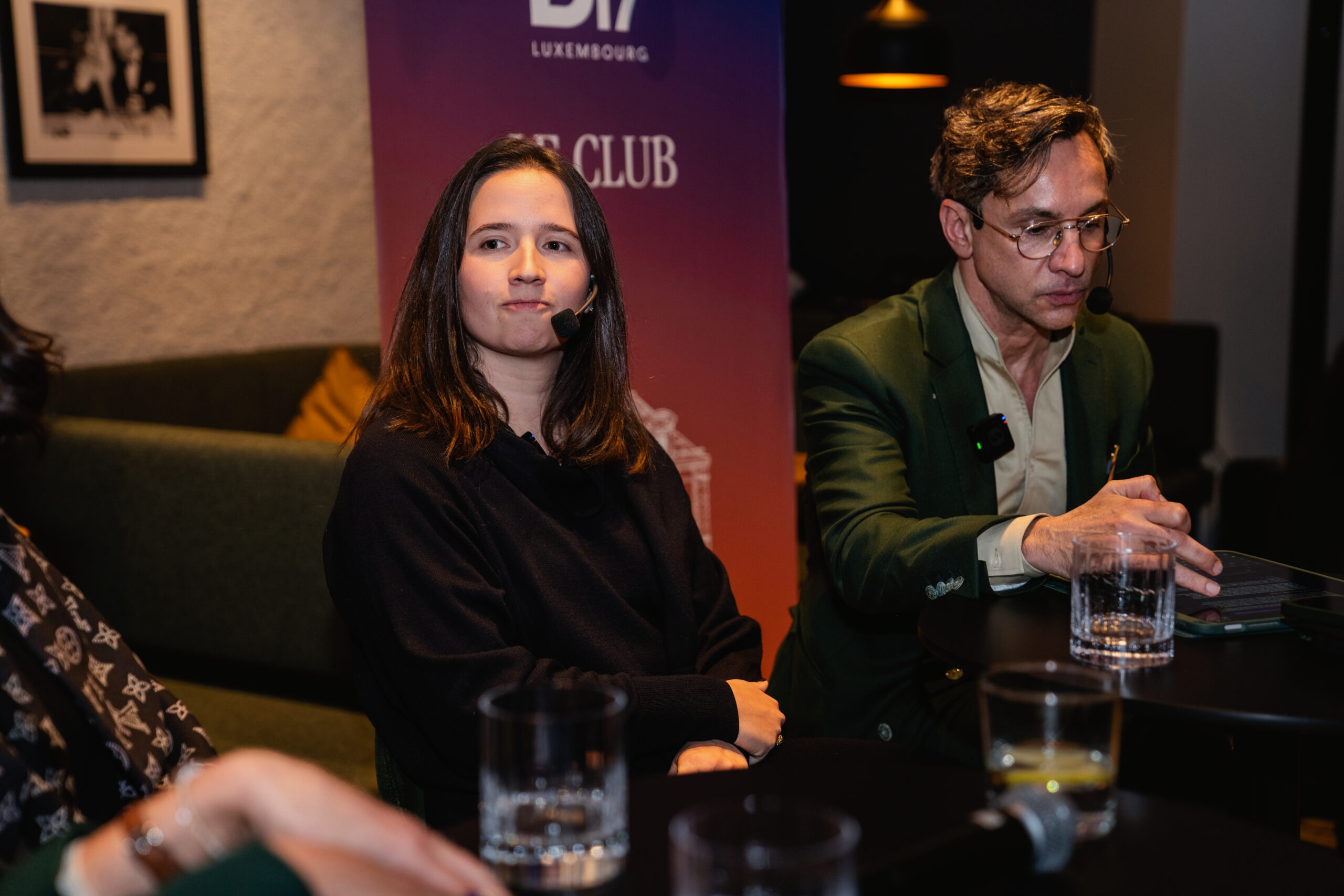
Clémence Boisanté, Director of Ceysson & Bénétière in Luxembourg, describes galleries as the initial sales circuit and the conduit between artist and collector. Gallerists help the artists by setting the primary price, to establish authority and the right connections by opening doors to museums and publications.
The fact that artists are gaining recognition via social media has not altered the need for intermediaries, even emerging artists require the gallery’s support and validation. Pauline cites the example of a Belgian artist who, following an early period of success, decided to sell from his studio only and as a result his market stalled. Before adding that she’d be wary of an artist without good gallery representation, as some works without the necessary background may be difficult to be sold.
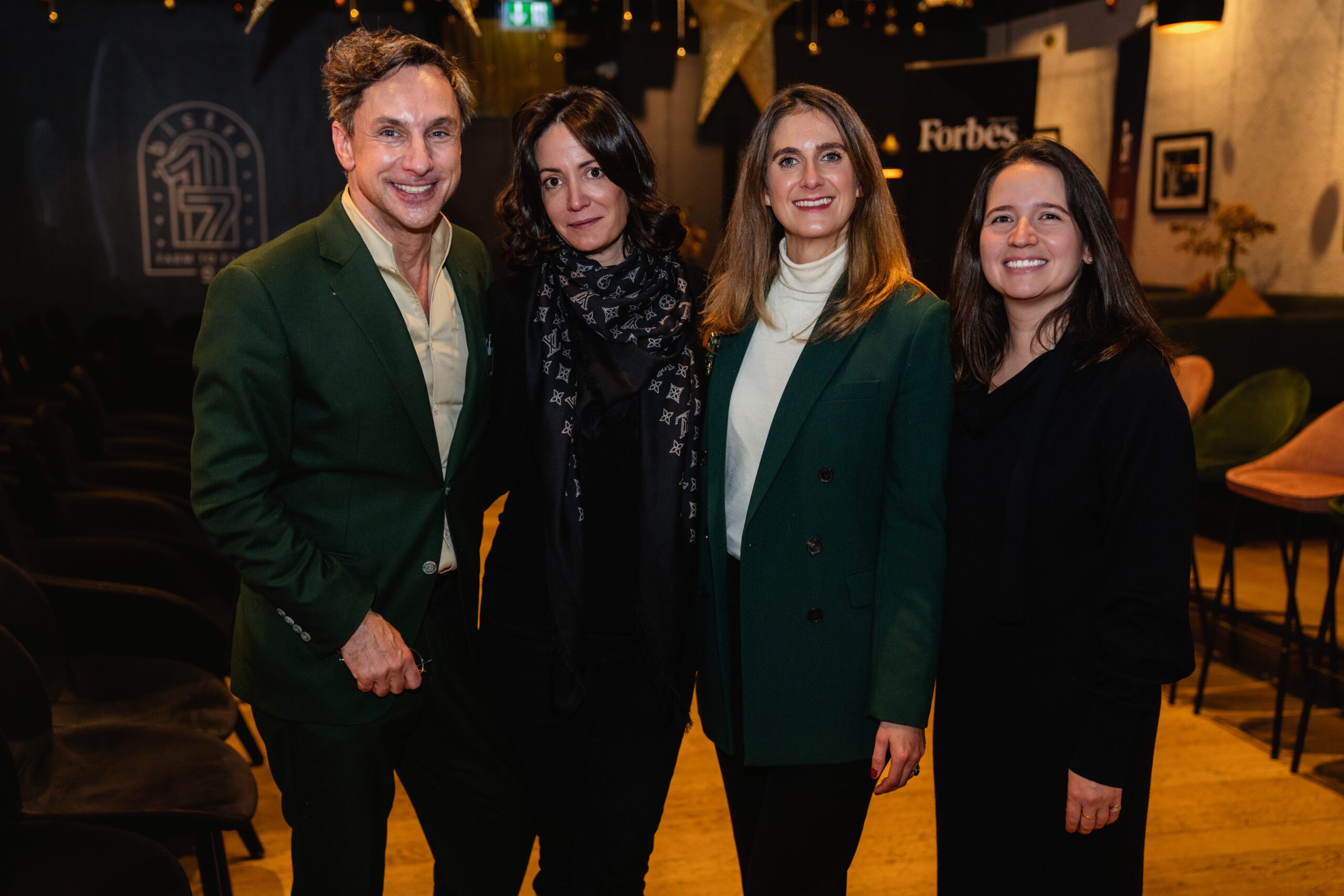
“An emotional reaction to a work of art can overtake its financial value,” says Mélanie de Jamblinne, Director of Luxembourg Art Week. ‘Follow your heart. If you’re happy to see the piece displayed in your home every day, then you should buy it.” Pauline adds, “As long as you’re properly informed, I think it’s fair. I’ve had collectors ask me if a piece is going to increase in value. And I’ve definitely told them no.” The collectors bought it anyway. Clémence stresses that trust between gallerists, collectors, and artists should be reciprocal, especially at the high end. The gallery should have a deep understanding of the artist they represent and the work that they do, enabling them to choose the right piece for the right collector. She recently finalised the sale of a Bernar Venet sculpture after two years of dialogue with the collector.
Mélanie believes that a personal collection should be judged as a whole, therefore to help first-time collectors. She has introduced the initiative, ‘Collecting 101’, a selection of artworks that are capped at €4.000, signaled by a distinctive sticker granting conversations with gallerists easier.
Luxembourg Art Week offers a range of work and with the market searching for new momentum, is the rise in prices for works by female artists a correction or a new pricing opportunity? Pauline believes it is “a bit of both”, acknowledging the need for new talent in the market while also drawing attention to the long-standing underrepresentation of women. She points to the gap between Jackson Pollock, whose record sale was $180 million, and his wife, Lee Krasner, whose record was set at $11 million. Mélanie confirms that the necessary body of work is in place.
The ladies reveal that Luxembourg has some well-established and discreet collectors, although Clémence has met locals who are unfamiliar with the fair. Her advice for art buyers is to use “l’œil, le cœur et la raison” (the eye, the heart and the mind).
All pictures © Naderi Photography




Read more articles:
Beyond Banking: The Art Of Continuity
How to Recognise A Design Piece That Will Last
Dagoberto Rodríguez Puts Tech On Trial In First Luxembourg Solo Exhibition
