

At Edmond de Rothschild, art connects a family heritage with conversations about wealth, responsibility and the freedom of each generation to shape what comes next.
Financial expertise may establish credibility, but it does not explain why its relationship with a family lasts across generations. At Edmond de Rothschild, art is part of that connection. It brings that history into its offices and creates deeper conversations beyond the portfolio.
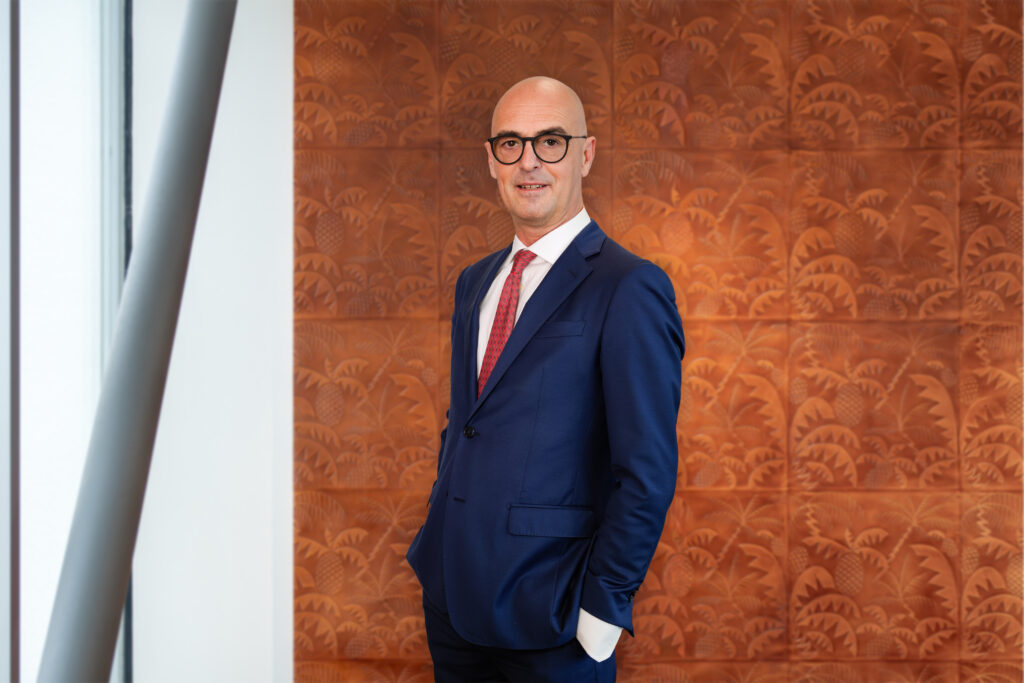
“Clients choose Edmond de Rothschild for its services and for the values of an independent, family-owned house: entrepreneurial spirit, independence of mind and openness to new ideas,” said Eliseo Graziani, Head of Private Banking and Deputy CEO of Edmond de Rothschild Europe. Art and art de vivre give those values a visible presence.
Heritage in Practice
The relationship with art predates any contemporary discussion of client experience. In 1935, following Edmond James de Rothschild’s wishes, his children donated more than 90.000 pieces to the Louvre. The act reflected a belief that heritage acquires meaning when it is preserved and shared, while remaining able to inspire what follows.
The act reflected a belief that heritage acquires meaning when it is preserved and shared, while remaining able to inspire what follows.
Ariane de Rothschild continues that principle across the investment house. Art is displayed throughout its offices and extends into the family’s wider ecosystem, from Megève and the wine estates to Gitana. Works by contemporary artists such as Cleon Peterson, Florian Quistrebert and Michaël Quistrebert become part of the experience of those places rather than objects encountered at a separate cultural event.
“Art is not an added cultural programme, but a lived expression of the family’s history, values and entrepreneurial spirit, one with which clients can genuinely connect,” said Graziani. Ariane de Rothschild regards heritage as a living responsibility, something to understand, share and allow to evolve. Families face a related question when transferring wealth: which values should endure, and how much freedom should the next generation have to find its own direction?

Conversations Across Generations
Art can bring that question into view without turning it into a formal exercise. Because there is no single right response to a work, family members can express different ideas about what should be preserved and what may be reinterpreted. A conversation that begins with an image can therefore move naturally towards succession, responsibility and change.
This does not mean reading a client through aesthetic taste. “We do not interpret clients through their taste; we listen to what these conversations make easier to express,” said Graziani. The aim is to understand the family more closely and use that understanding to support advice that is relevant to its circumstances.
The issue becomes sharper as wealth moves to younger generations. Financial security remains fundamental, but younger clients increasingly want to co-create their personal, professional and financial journeys. Their interests include innovation, private markets, sustainable investing and real-world impact.
They also understand legacy as more than financial assets. It encompasses values, responsibilities and the freedom to shape an individual path. Their decisions may be more agile, favouring testing, learning and adaptation. Tailored support, peer exchange and shared reflection allow each person to define priorities at their own pace.
Beyond Service
Recommending the right solution to a particular family at a particular time remains a personal responsibility. “Products are easy to access, sound judgement is not,” said Graziani. Trust is earned through competent, candid advice and values that clients genuinely recognise as their own.
The same principle applies to experiences. Sailing with the Gitana Team or visiting a family vineyard can strengthen a relationship because these are real ventures reflecting the family’s entrepreneurial culture. Their value lies in choosing what genuinely resonates and using the resulting insight to provide better advice.
“Personalisation comes from the banker’s attention and judgement, not manufactured experiences,” said Graziani. In this sense, culture gives a relationship character, but the quality of the human exchange determines whether it has lasting value.
Luxembourg provides a fitting context. It combines safety, stability and quality of life with a deeply international environment: 47% of residents are foreign nationals, representing more than 170 nationalities. Multilingualism, cross-border living, education and connectivity add to its appeal for families managing matters across borders.
Art can allow history, values and individual ambitions to enter a conversation that might otherwise remain technical.
As banking becomes more digital, the human relationship carries more of the difference. Art cannot replace advice or manufacture trust. It can allow history, values and individual ambitions to enter a conversation that might otherwise remain technical. “Art matters because understanding what a family wants its wealth to make possible requires more than financial intelligence: it requires an appreciation of the living values, history and responsibilities that give wealth its meaning,” said Graziani.
This article was published in the 11th edition of Forbes Luxembourg.
Read more articles:
Luxembourg And The New Architecture Of Wealth