

In Rumelange, Spektrum is quietly reshaping Luxembourg’s cultural landscape, using immersive tech and artistic experimentation to pull new, diverse audiences into the future of digital art.
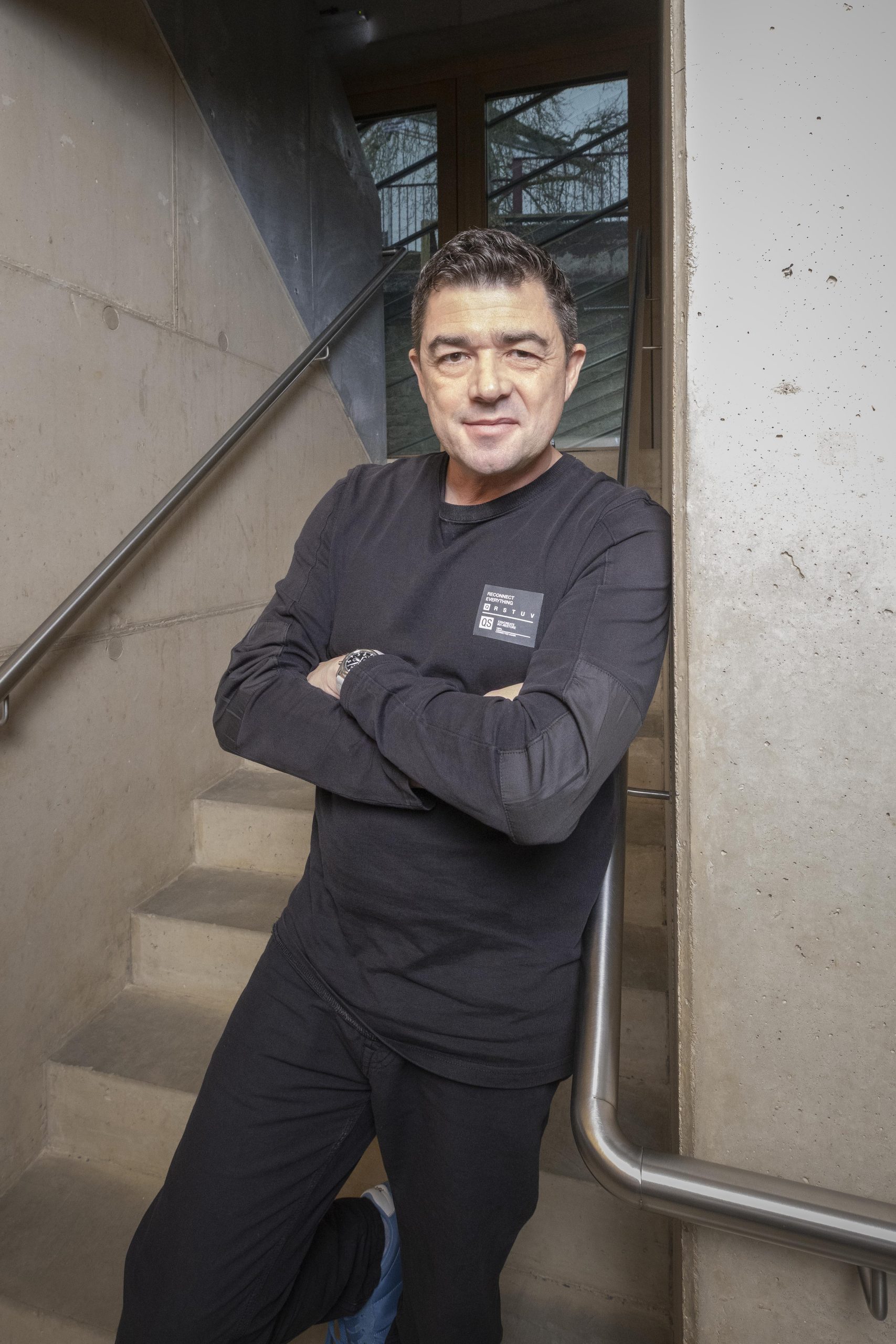
Born out of the momentum of Esch being crowned European Capital of Culture in 2022, the experimental, immersive creative centre that is Spektrum focuses on a simple question: how can culture be made accessible to more diverse audiences by aligning with contemporary practices? “Attracting people to culture through technology,” summarises its director, Guy Wolff.
Digital art: a national strategy
Spektrum stands as one of Esch22’s most tangible legacies. Evidence of this is the €2.9 million investment over five years to structure the digital arts sector.
Specifically for Spektrum, the investment has been as follows: €60,000 was allocated by the Ministry at its founding, while the Œuvre de la Grande-Duchesse Charlotte released a budget of €400,000 (over three years). The City of Rumelange also played a key role in the emergence of Spektrum, investing €7 million into the building and its renovation, along with around €200,000 annually provided by the municipality for operating costs. These amounts reflect a clear strategy: to embed immersive technologies, AI, and digital art into the cultural landscape not as a trend, but as a full-fledged creative territory.
A space designed to bring art to new audiences
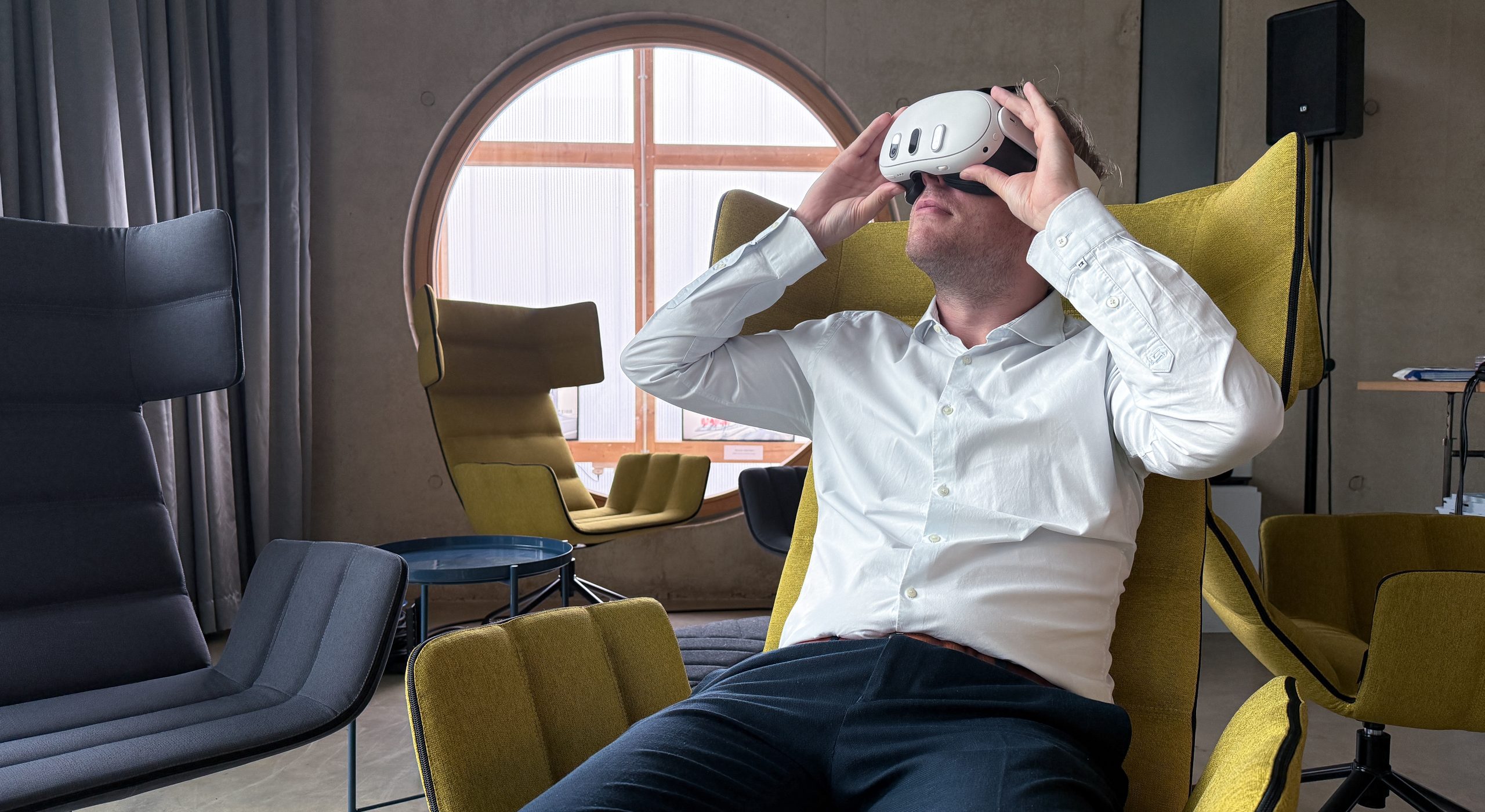
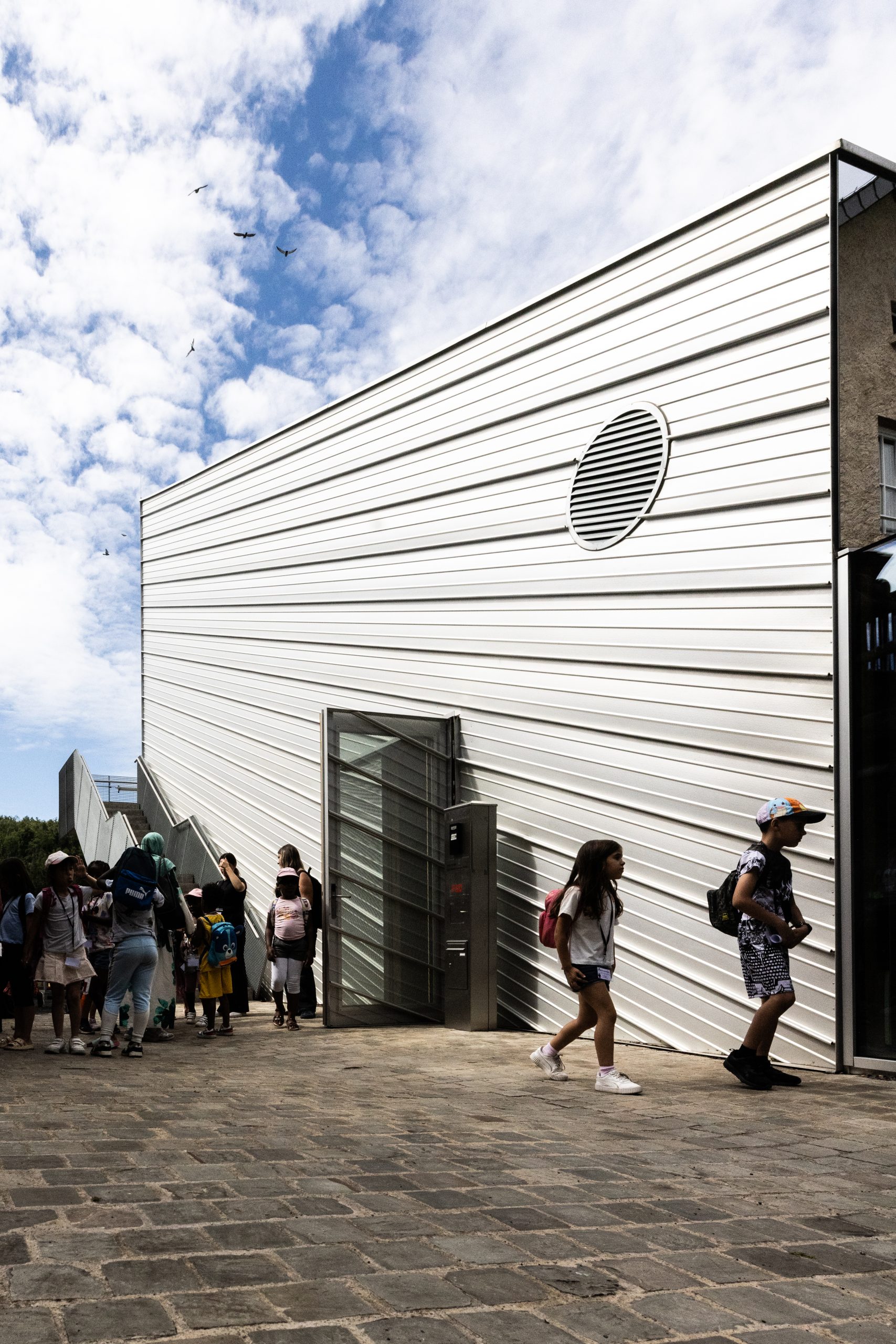
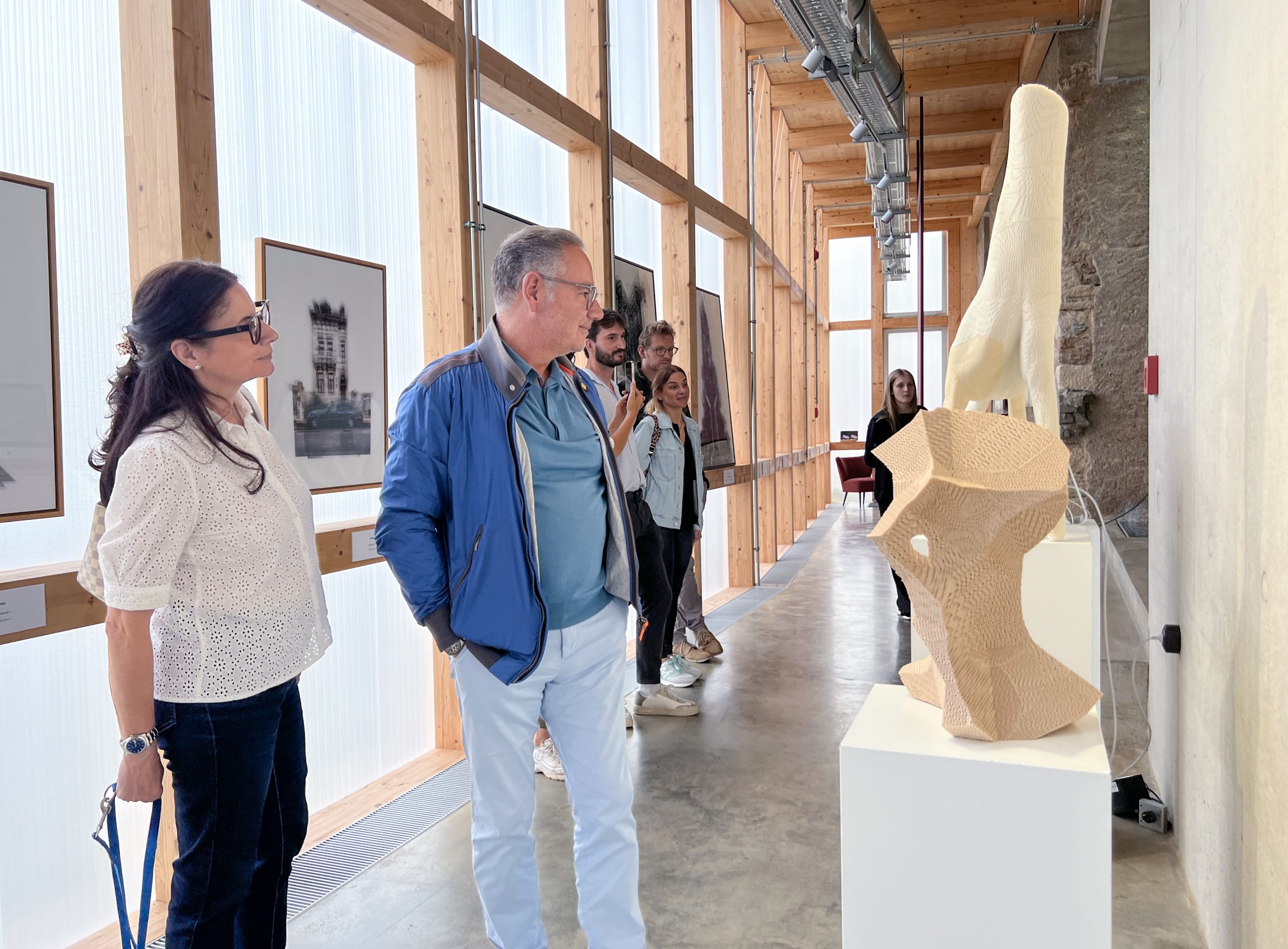
From its early months, Spektrum has attracted a notably diverse audience. Workshops, organised with resident artists or the venue’s technical team, allow participants to approach digital creation without feeling intimidated.
“The narrative matters as much as the object”
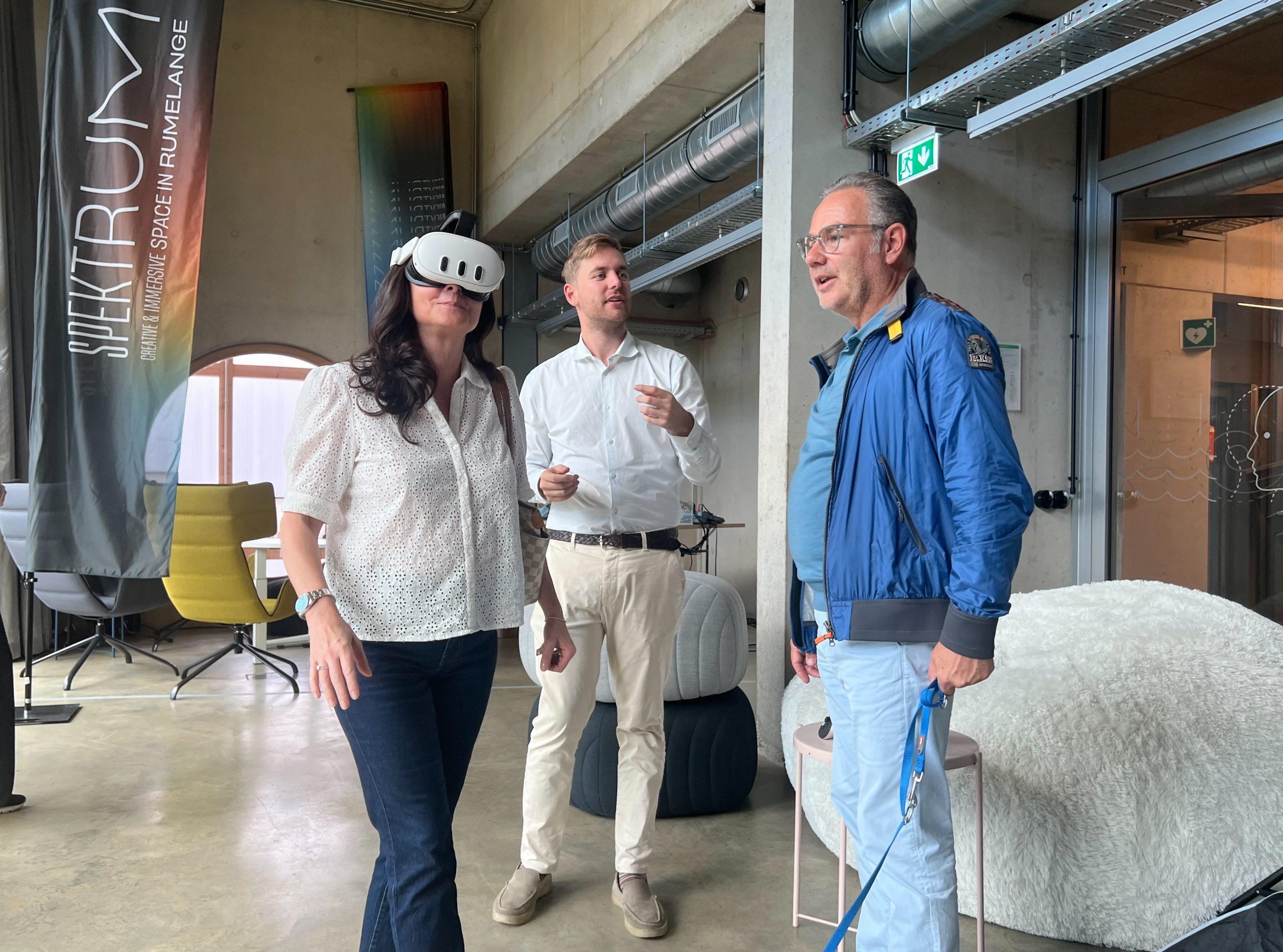
For Guy Wolff, technology has a unique talent: it breaks down barriers. Surprise at a VR headset, curiosity for a 3D-printed sculpture, awe at a generative artwork. The goal is less to impress than to create a point of contact with art. Resident artists confirm that these interactions sometimes influence how their work evolves, as audience reactions become part of the process. “The narrative matters as much as the object, because the public becomes part of the experience,” emphasises photographer Miikka Heinonen, who notes that the reception of a digital artwork can shift its balance.
Artificial intelligence as a medium, not a driver
AI holds a particular place in Spektrum’s reflections. It was the subject of a recent roundtable discussion where Guy Wolff stressed the need to distinguish between method and message. To illustrate his point, he cites Maurizio Cattelan’s work Comedian, aka the banana taped to a wall (currently exhibited at the Centre Pompidou-Metz). “In that specific example, the value of Cattelan’s work is obviously not in the technique. He reduces the process to zero,” says Wolff, adding: “The piece disappears, and yet it exists, because what remains is the idea. That’s art: the idea, the artist’s personality, and the message they want to convey. The rest, whether it’s painting, AI, or sculpture, is just a tool.”
The artists present at Spektrum shared this view. Miikka Heinonen describes AI as an “additional layer” added to existing media. For him, a generated piece only has value when accompanied by a narrative. Without a story, the object remains interchangeable.
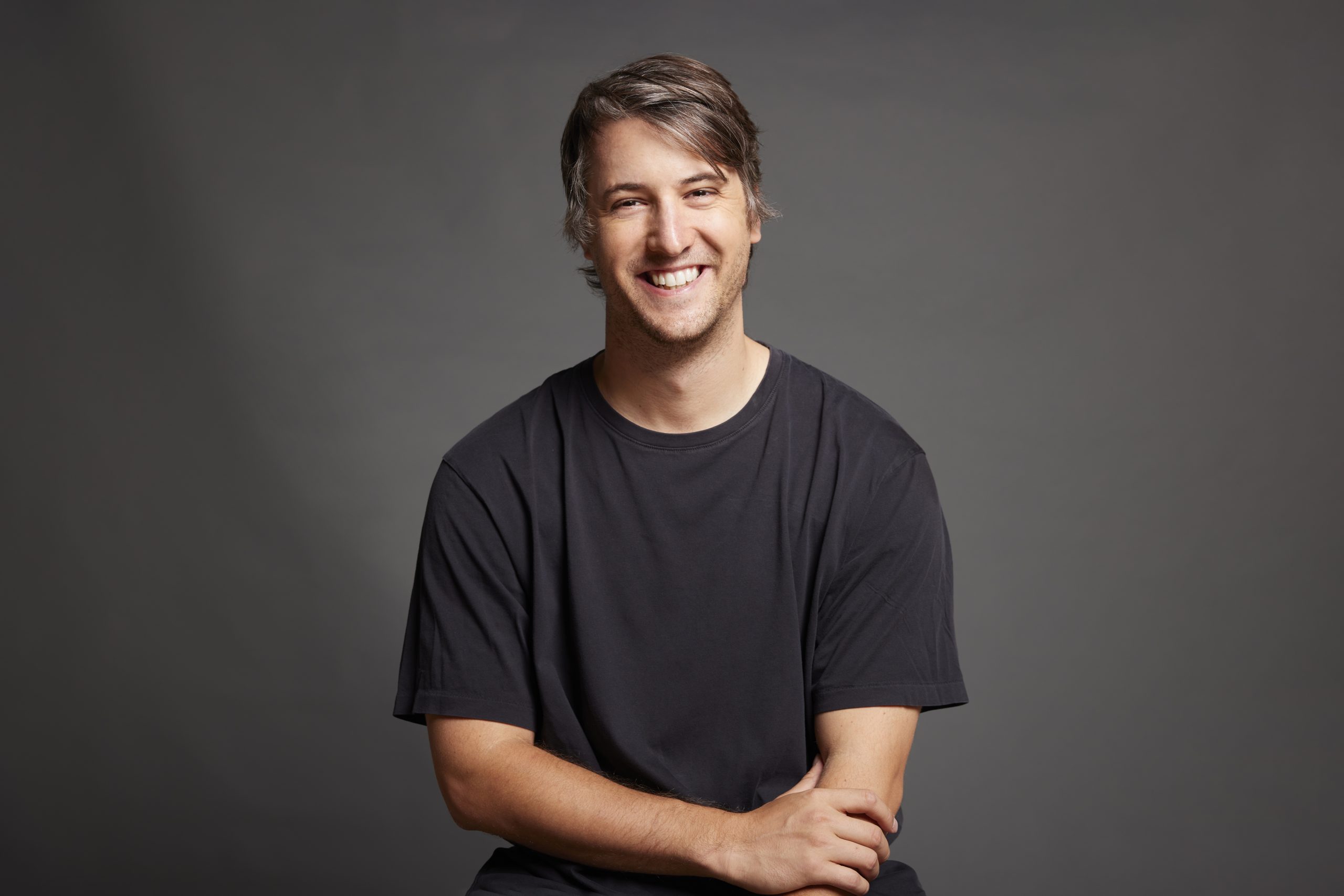
Misch Strotz, CEO of Neon Internet and founder of the LetzAI platform, uses AI for certain stages of his work and sees these technologies as an extension rather than a replacement: a way to explore new directions without abandoning the story one wants to tell.
A space for creation, exchange, and mediation
Spektrum stands out for its dual function: welcoming artists and supporting their process. “We offer space to artists if they want it,” says Wolff.
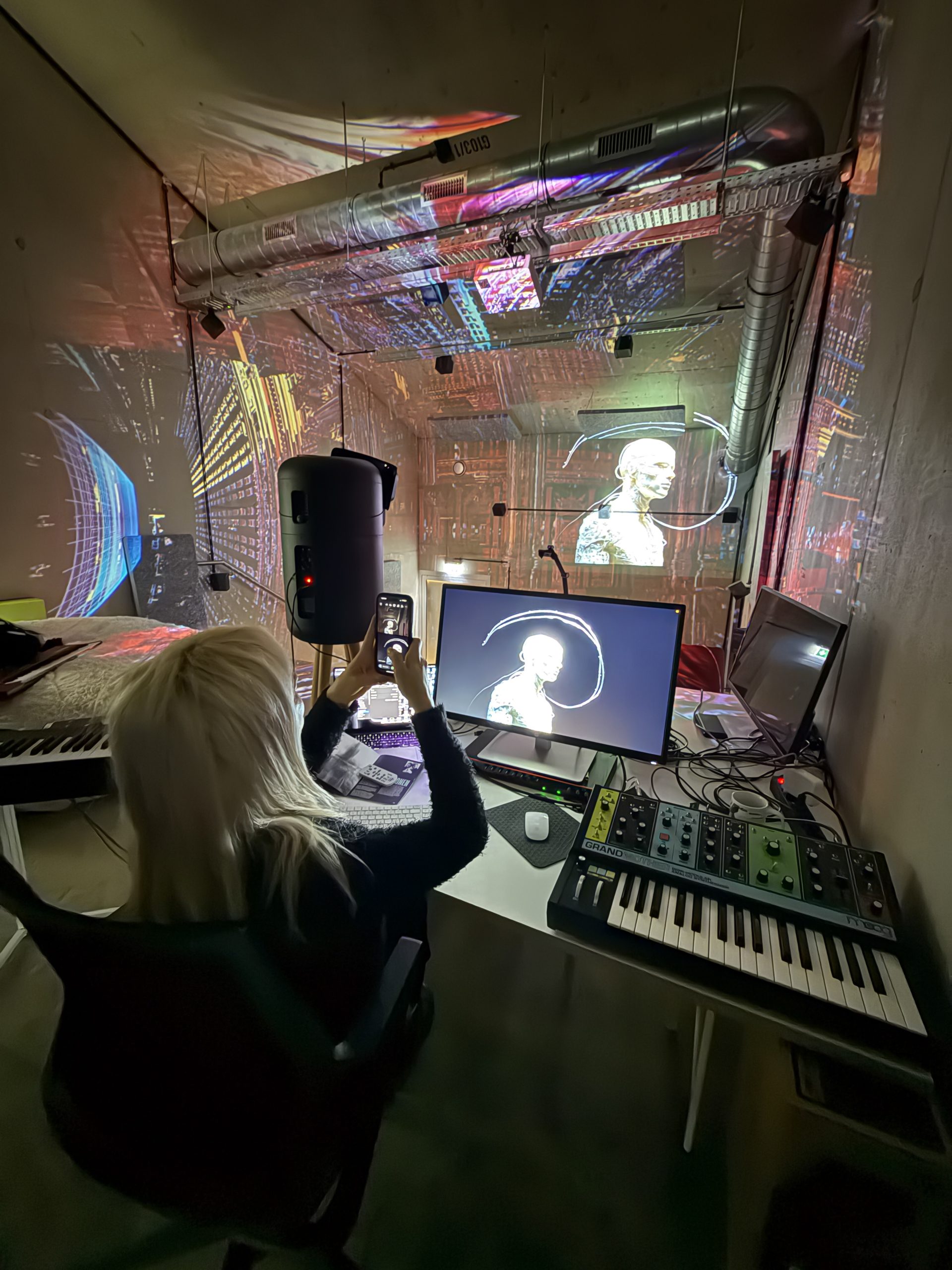
For visual artist Pit Molling, Spektrum became a true breathing space. “He explained that he had reached a block in his studio, where working alone was no longer enough to move his project forward,” Wolff continues. “So he came for a year-long residency to break out of his usual framework, meet other artists, and exhibit his work to the public; especially during workshops around 3D printing,” says Wolff. A digital music enthusiast, Molling brought his synthesizers and quickly veered in a completely different direction than he had imagined. He began recording sound waves in the studio, with the idea of turning them into a sculptural form.
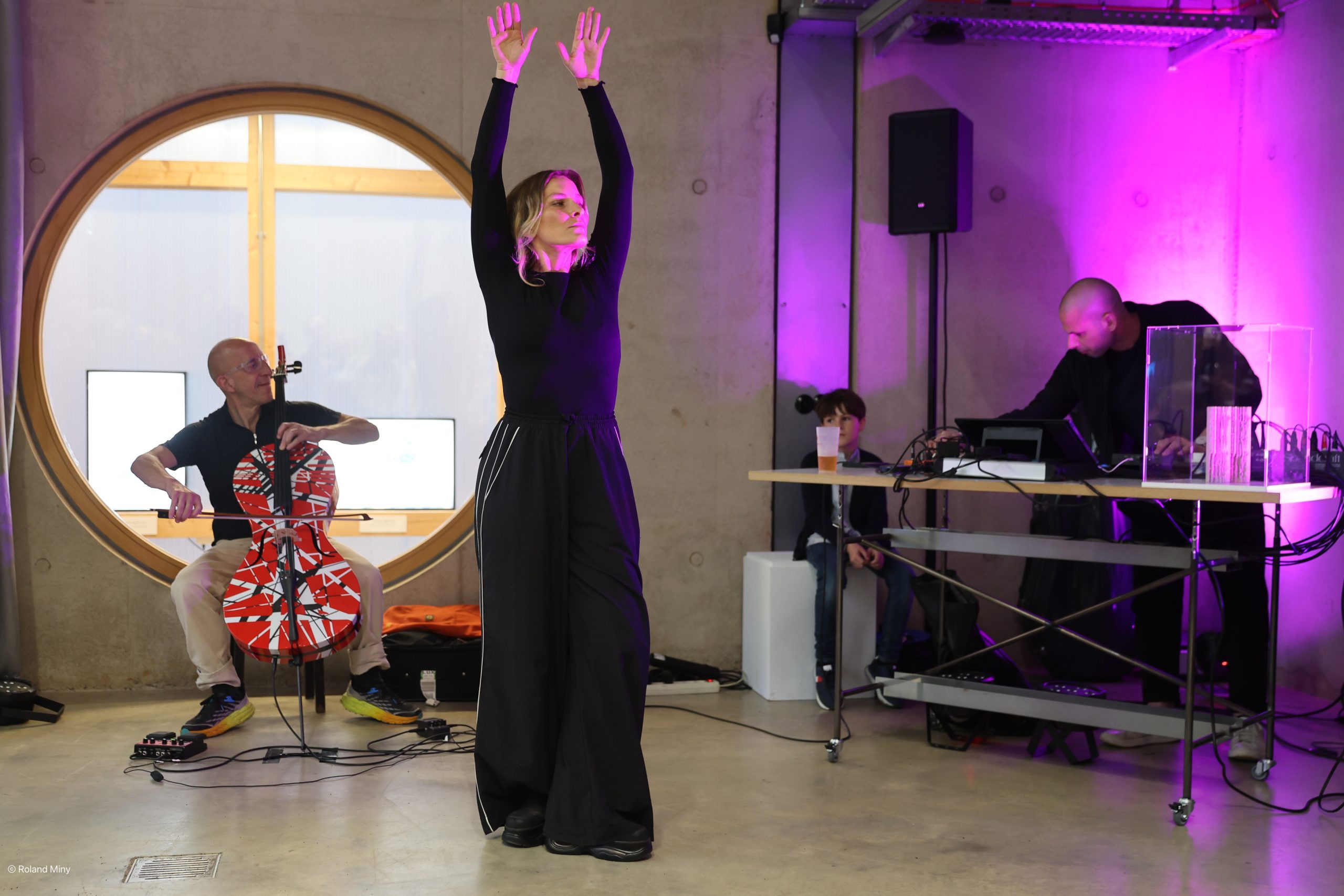
The first result, too linear in his eyes, led him to collaborate with Luxembourgish cellist André Mergenthaler, whom Wolff invited to join him. At a vernissage in May 2025, the two artists improvised a sound performance, accompanied by dancer Jil Crovisier. From this recording emerged a spectrogram of musical waves, which Molling then 3D-printed: a hybrid piece where sound quite literally becomes sculpture.
“Here, everything influences your work: the light, the walls, the objects left around”
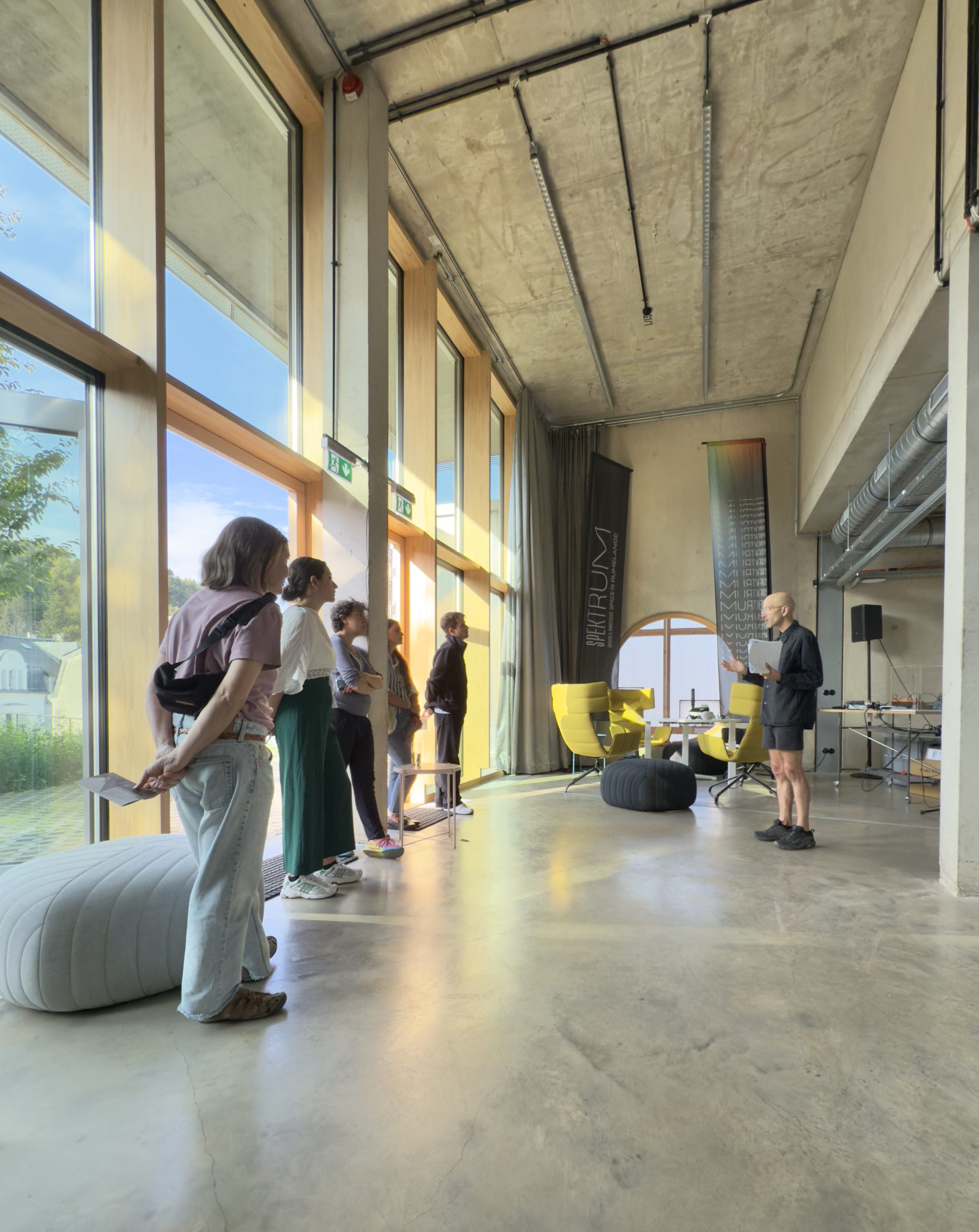
Strotz, for his part, created a unique work on site based on the space itself and inspired by twentieth century Rumelange artist Albert Hames, “the only one I’ve made so far,” he laughs. “It’s not a white cube. Here, everything influences your work: the light, the walls, the objects left around. You don’t produce the same thing as in a clean, neutral studio,” he sums up.
Rumelange: a locally-rooted choice
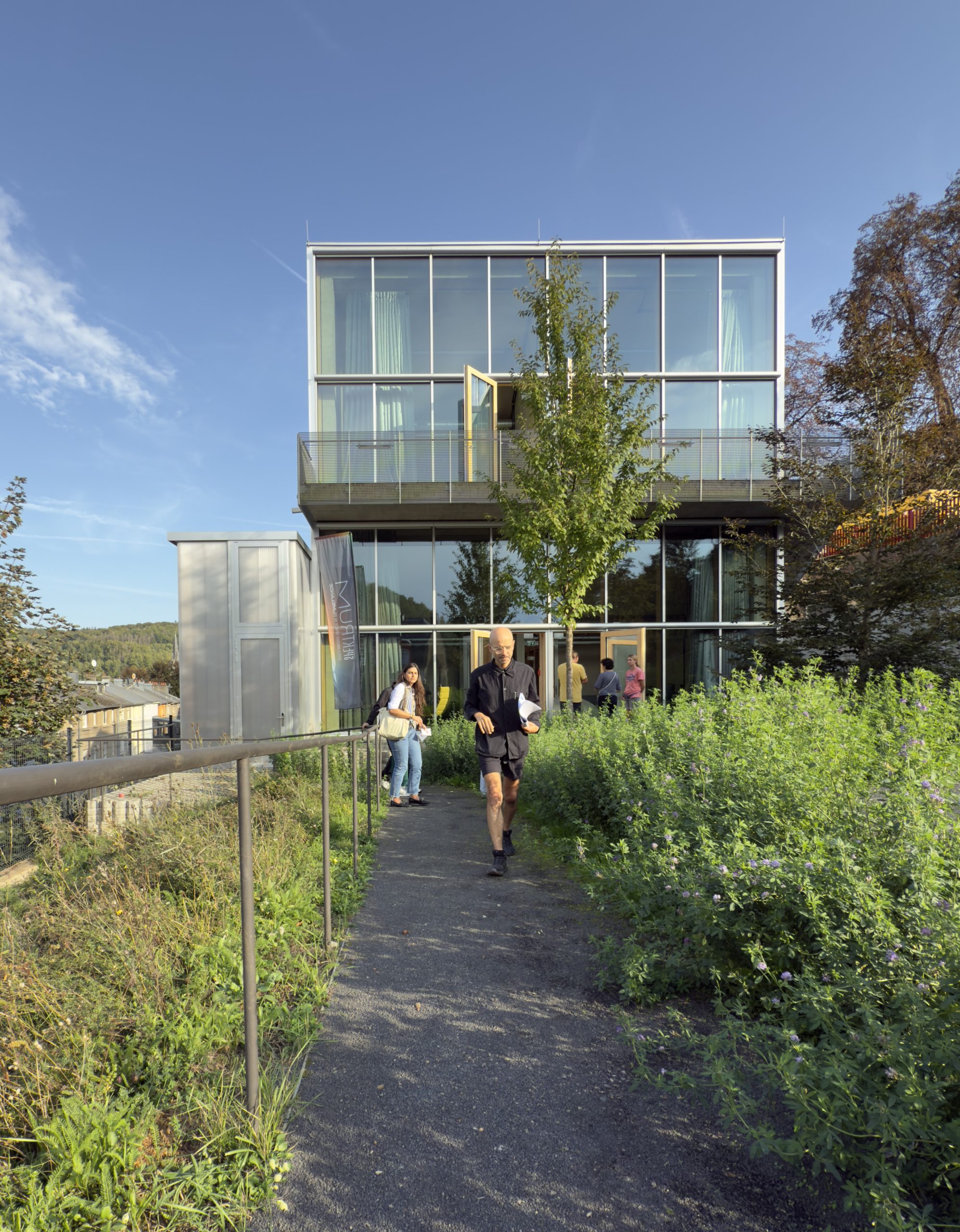
The establishment of the centre in Albert Hames’ former house owes much to the determination of mayor Henri Haine, who supported the project from the start. However, Spektrum has not become a municipal structure: it was created as a non-profit, chaired by Carole Marx, head of the culture commission and a long-time advocate for the project. This choice is significant. It ensures the centre’s freedom of action, without needing to subject every artist or project to a municipal council unfamiliar with artistic issues.
Rumelange, marked by its mining past, offers a setting far removed from typical cultural circuits, whereas the capital city’s offering is more dense and institutional. The house (with its restored studio, atypical spaces, and location off the beaten path) serves as a source of inspiration for resident artists.
Guy Wolff is also committed to maintaining a proximity-based logic: staying within a 200-kilometre radius facilitates exchanges, limits showpiece effects, and encourages the development of a true regional network. Spektrum firmly aims to become a place where ideas circulate and artists find working conditions that suit their needs.
A slowly forming digital ecosystem
Although the digital arts sector in Luxembourg is still young, several structures in the south of Luxembourg are beginning to collaborate. Spektrum has partnered with the 1535° creative hub in Differdange. Artists develop projects there that find a technical space or audience in Rumelange. One example is VR film productions by Skill Lab, including Oto’s Planet, designed for all audiences. Exchanges are also common with Konschthal in Esch-sur-Alzette and Ferrum in Kayl, while a collaboration with Villa Louvigny, in Luxembourg City, is already in the works.
In Wickrange, GridX, soon to open its GeoLabs space focused on immersive experiences, represents a different approach; more geared towards public interaction and cultural consumption. While their philosophies differ, the players don’t exclude one another.
The market remains under development. Some artists, such as Christophe Tritz, explore the NFT field, but “there are still very few galleries that focus on digital arts,” laments Wolff. In this still-shifting context, Spektrum moves forward without rushing or trying to outshine.
A deliberately controlled growth
When asked whether Luxembourg aims to become a reference in digital arts, the Spektrum director applies the logic of the Olympics: “go because you’re passionate, not to win medals.” Spektrum is strengthening its workshops, refining its residency model, and enhancing its mediation efforts. Digital projects (open platform, artist database, podcasts) are created as tools to structure the sector rather than to generate publicity.
The young digital arts centre continues on its path, as a place where digital creation engages with the region’s history, where artists find space to experiment, and where visitors grow comfortable with technologies that redefine their relationship with art.
This article was published in the 8th edition of Forbes Luxembourg.
Read more articles:
From Speed To Emotion: The Art Of Motion In Sacha Lakic’s Design
The Festive Season’s Sparkle: Why Bubbles Remain The Universal Language Of Celebration
